

How do you set up a portable fan heater with thermostat for efficient heating?
To complete a portable fan heater with thermostat setup , place the heater on a stable floor in an open, draft-free area, plug it directly into a wall outlet, choose the appropriate heat mode, set the thermostat to 20–22°C (68–72°F), and allow the thermostat to regulate heating automatically. This approach delivers consistent comfort, minimizes energy waste, and helps prevent overheating.
Before switching the heater on, make these quick safety checks:
- Place the heater on a level, non-flammable surface.
- Keep at least 1 meter (3 feet) of clearance from curtains, bedding, furniture, and other combustible materials.
- Plug directly into a wall outlet—never an extension cord or power strip.
- Select the desired heat mode before adjusting the thermostat.
- Expect the heater to cycle on and off normally as it maintains the selected temperature.
⏱ 6 min read
Portable Fan Heater With Thermostat Setup (Step-by-Step Guide for Safe & Efficient Heating)
Cold mornings, uneven room warmth, and rising energy bills can quickly reduce comfort at home. A portable fan heater with thermostat provides fast heat, stable temperatures, and improved energy efficiency—when used correctly. This guide explains how to set up a portable fan heater with thermostat safely, choose the right settings for different rooms, troubleshoot common issues, and maximize heating performance.

portable fan heater with thermostat for fast, even warmth — See it in action
Which heater setup keeps rooms warm without driving up electricity bills? The answer depends on proper placement, thermostat settings, and safe operation.
Why Thermostat-Controlled Heaters Feel More Comfortable
A portable fan heater with thermostat maintains your chosen temperature automatically by switching heating on and off as needed. Instead of producing constant heat, it only operates when the room drops below your selected temperature, creating more even comfort.
- Maintains stable room temperature
- Reduces unnecessary electricity consumption
- Prevents overheating during long use
- Works well in bedrooms, offices, and living rooms
For those focused on everyday comfort, combining smart heating with upgrades from Lifestyle collections can enhance your home environment.
How a Thermostat Works in a Portable Heater (And Why It Matters)
Understanding how a thermostat works in a portable heater makes it easier to choose the right settings and avoid common mistakes.
Mechanical vs Electronic Thermostats
Mechanical thermostats use a temperature-sensitive switch, while electronic thermostats rely on digital sensors that often provide more accurate temperature control. Both automatically regulate heating once the desired temperature is reached.
How the Heater Cycles
After warming the room, the thermostat temporarily switches the heating element off. When the room cools below the target temperature, the heater starts again. Frequent cycling is usually normal and indicates the thermostat is maintaining a steady environment.
Why Room Placement Affects Accuracy
Placing the heater near open windows, exterior doors, direct sunlight, or cold drafts can cause inaccurate temperature readings. Positioning the heater in an open area allows the thermostat to sense the average room temperature more accurately.
Modern portable ceramic heater with thermostat models respond quickly and distribute heat evenly, making them highly efficient.
Step-by-Step: How to Set Up a Portable Fan Heater With Thermostat
Step 1 – Choose the Right Placement
Place the heater on a flat, stable surface with at least 1 meter (3 feet) of clearance from furniture, curtains, bedding, and walls. Avoid corners where warm air cannot circulate properly.
Step 2 – Check Safety Clearances and Plug In
Inspect the power cord for damage, ensure vents are unobstructed, and plug the heater directly into a wall outlet. Extension cords and power strips can overheat when used with high-wattage heaters.
Step 3 – Select Heat Mode
If your heater offers multiple power levels, begin with the higher setting to warm the room quickly. Once the desired temperature is nearly reached, switch to a lower setting if appropriate.
Step 4 – Set the Thermostat
Start between 20–22°C (68–72°F). This range balances comfort and energy efficiency for most households.
Step 5 – Fine-Tune After the Room Warms Up
After 15–30 minutes, adjust the thermostat by 1–2°C if necessary. Then allow the heater to cycle automatically rather than repeatedly turning it on and off manually.
Using a portable ceramic heater with thermostat correctly helps deliver fast, even heating while reducing unnecessary energy consumption.
Best Thermostat Settings for Different Rooms and Situations
Bedroom
Set the heater between 18–20°C (64–68°F). Slightly cooler temperatures often improve sleeping comfort while reducing overnight energy use.
Living Room
For family activities and relaxation, 20–22°C (68–72°F) typically provides the best balance between comfort and efficiency.
Home Office
If you remain seated for long periods, maintaining 20–21°C (68–70°F) usually keeps the space comfortable without excessive heating.
Small vs Large Rooms
Small rooms heat quickly and usually require lower thermostat settings. Larger rooms may need a higher heat mode initially before the thermostat maintains the target temperature.
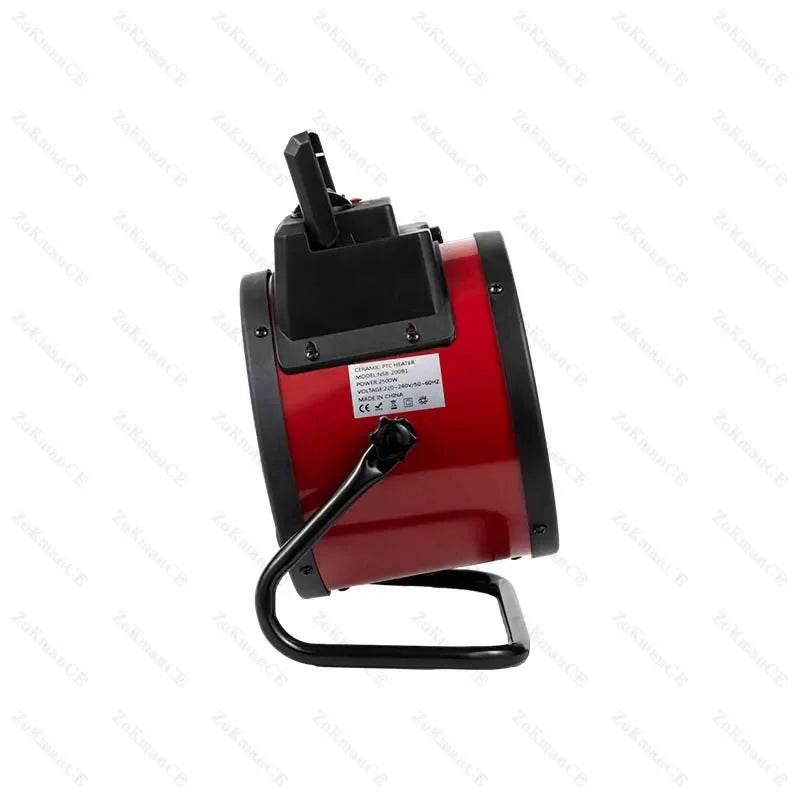
portable ceramic heater with thermostat maintaining perfect room warmth — See it in action
Safe Temperature for Space Heaters (Avoid Overheating Risks)
The safest range for most portable heaters is 18–22°C (64–72°F). Staying within this range improves comfort while reducing overheating risks.
- Avoid temperatures above 24°C (75°F) for extended periods.
- Never cover the heater while operating.
- Keep children and pets away from hot air outlets.
- Maintain recommended clearance from combustible materials.
How This Setup Improves Energy Efficiency
Reduce Unnecessary Cycling
Setting the thermostat too high causes longer heating cycles. A moderate temperature allows the heater to maintain comfort with less energy.
Seal Drafts
Closing doors, sealing window gaps, and reducing cold air infiltration help the heater reach the target temperature faster.
Match Heater Size to the Room
An undersized heater may run continuously, while an oversized heater may cycle excessively. Choosing an appropriately sized heater improves both comfort and efficiency.
This makes an energy efficient electric heater with thermostat a practical solution for lowering heating costs without sacrificing comfort.
Troubleshooting: Heater Thermostat Not Working Properly
Heater Never Turns Off
Possible causes include setting the thermostat too high, heating a room larger than recommended, or placing the heater in a drafty location. Lower the setting and improve room insulation before assuming the thermostat has failed.
Heater Won't Reach Temperature
Check whether windows or doors are allowing heat to escape, verify the heater is correctly sized for the room, and ensure airflow around the heater is unobstructed.
Heater Cycles Too Often
Frequent cycling may occur in very small rooms or if the thermostat is located near a heat source. Adjust the temperature slightly and reposition the heater if needed.
Thermostat Seems Inaccurate
Dust buildup, blocked vents, or poor placement can affect sensor accuracy. If cleaning and repositioning do not solve the problem, the thermostat may require servicing or replacement.
Common Setup Mistakes That Reduce Heating Performance
- Blocking airflow with furniture or curtains
- Setting the thermostat excessively high immediately
- Using the heater in a large room beyond its capacity
- Ignoring dust accumulation on vents and air intake
- Placing the heater beside doors, windows, or cold drafts
For better performance, keep clear airflow around the heater, use moderate thermostat settings, improve room insulation, and clean the heater regularly.
Thermostat vs Non-Thermostat Heaters
| Feature | With Thermostat | Without Thermostat |
|---|---|---|
| Temperature control | Automatic | Manual |
| Energy usage | Lower | Higher |
| Comfort | Consistent | Uneven |
| Safety | Improved automatic regulation | Requires closer monitoring |
| Best for | Daily home use | Short-term spot heating |
Maintenance Tips for Accurate Thermostat Performance
- Vacuum air intake vents regularly to remove dust.
- Keep outlet grilles free of lint and debris.
- Inspect the power cord before each heating season.
- Store the heater in a dry location after cleaning at the end of winter.
- Test thermostat operation before extended seasonal use.
Frequently Asked Questions About Portable Heater Thermostats
Do space heaters have thermostats built in?
Most modern portable fan and ceramic heaters include built-in thermostats that automatically regulate room temperature.
How do I adjust the thermostat on a heater?
Select the desired heat mode first, then adjust the thermostat gradually until the room reaches your preferred comfort level.
What heat mode should I use first?
Starting with the higher heat setting warms the room more quickly. Once comfortable, reduce the heat output if your heater offers multiple power levels.
Why does my heater keep turning on and off?
This is normal thermostat operation. The heater cycles automatically to maintain the selected temperature while reducing unnecessary energy use.
What is the safest temperature for everyday use?
Most homes remain comfortable between 18–22°C (64–72°F), which also helps improve energy efficiency.
Can I leave a thermostat-controlled heater running overnight?
If permitted by the manufacturer's instructions and the heater includes modern safety features such as overheat protection and tip-over shutoff, many thermostat-controlled heaters are designed for extended operation. Always keep clear safety distances, avoid extension cords, and never cover the heater while in use.
Related Guide: Energy Efficient Room Heaters Setup for Lower Bills at Home













