Does a portable heat therapy device really work?
A portable heat therapy device can provide meaningful short-term relief from muscle tightness, stiffness, and some types of everyday discomfort by applying controlled warmth to a targeted area. Heat helps relax tense muscles and may increase local blood flow, while portable designs make it easier to use heat consistently at home, at work, or while traveling.
The best results depend on choosing the right device for the body area and using it correctly. A portable heat therapy device for pain relief may be especially useful for muscle tension, lower-back stiffness, neck and shoulder discomfort, menstrual cramps, and post-exercise soreness. Heat is not appropriate for every type of pain, however, and it should not replace medical evaluation when pain is severe, persistent, or associated with concerning symptoms.
Portable Heat Therapy Device Reviews: Best Options for Pain Relief (2026)
The best portable heat therapy device should deliver comfortable, consistent warmth while fitting naturally into your daily routine. In this 2026 comparison, we review the main device types by heating performance, portability, battery runtime, coverage, comfort, and use case so you can choose a heat therapy device that matches your needs rather than simply buying the device with the most features.
⏱ 6 min read
Portable heat therapy device comfort that fits your day — See it in action
How Portable Heat Therapy Works (And When to Use Heat vs Ice)
Heat therapy works primarily by warming the tissues around an area of discomfort. This warmth can help muscles relax, reduce the feeling of stiffness, and make movement more comfortable. A portable heat therapy device adds convenience by delivering targeted warmth without requiring a full-size heating pad or a fixed power outlet.
How heat therapy works
When an area is warmed, local blood vessels can dilate, which may increase circulation near the skin and superficial tissues. The warmth can also help reduce the sensation of muscle tightness and make stiff areas feel more comfortable. These benefits are most relevant to muscle-related discomfort and stiffness rather than every possible cause of pain.
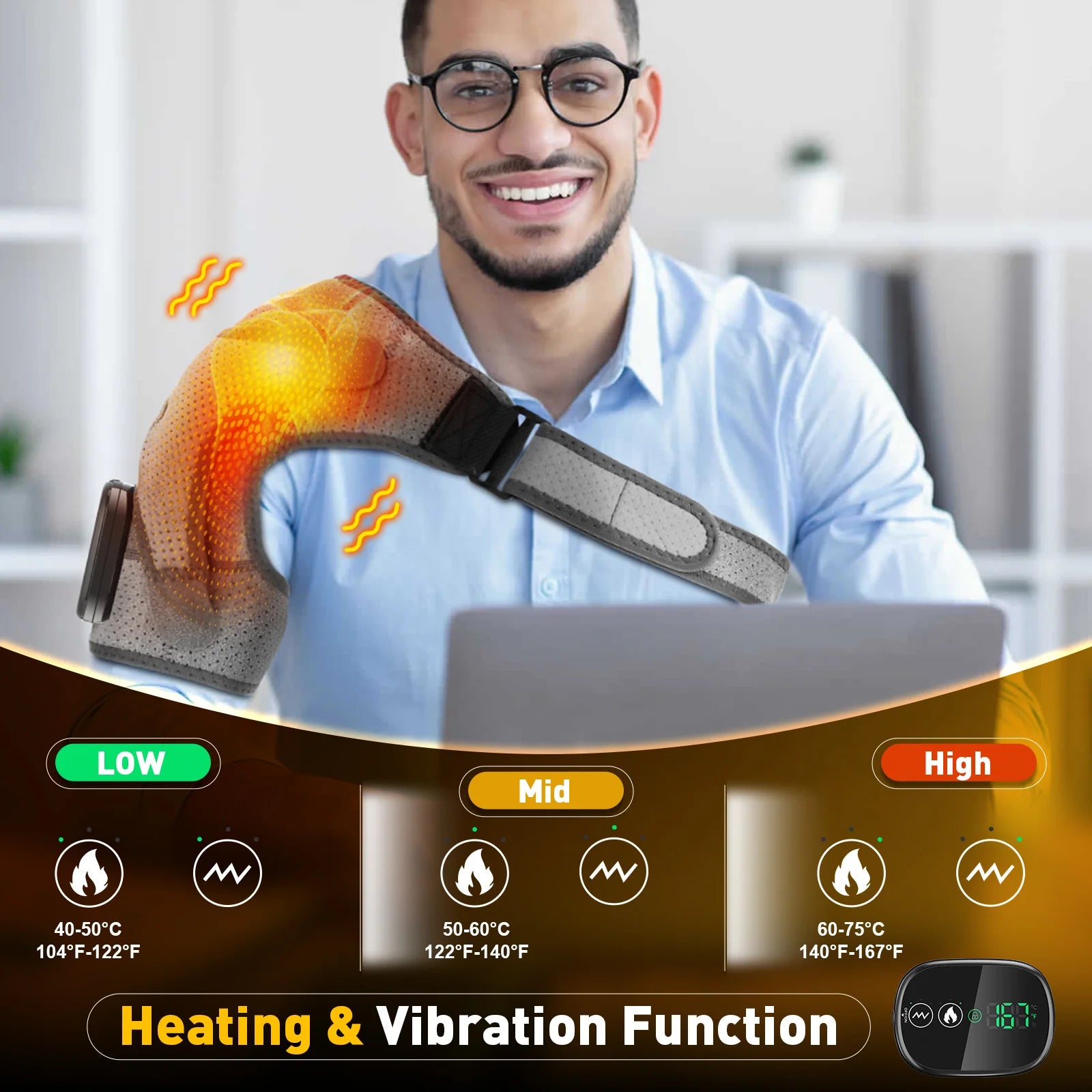
Many modern devices combine heat with features such as vibration or massage. These functions may provide an additional sensation of relaxation, but more features do not automatically mean better pain relief. The most important factors are appropriate heat, comfortable contact, suitable coverage, and consistent use.
Best situations to use heat therapy
- Chronic muscle stiffness and everyday tightness
- Lower-back stiffness after prolonged sitting
- Neck and shoulder tension associated with desk work
- Menstrual cramps and abdominal discomfort when warmth is comfortable
- Muscle soreness after exercise once the initial acute injury phase has passed
- General stiffness associated with daily activities
Heat therapy vs ice therapy
Heat and ice serve different purposes. Heat is generally more suitable for muscle stiffness, tightness, and ongoing soreness, while cold therapy is commonly used soon after certain acute injuries when swelling and inflammation are present. The right choice depends on the cause, timing, and symptoms.
- Choose heat: when the main issue is stiffness, muscle tightness, or chronic soreness.
- Consider ice: after some acute injuries when swelling is a prominent symptom and cold therapy is appropriate.
- Use caution: if you are unsure whether pain is caused by an injury, medical condition, or another problem.
When to avoid heat therapy
- Recent injuries with significant swelling unless a healthcare professional advises otherwise
- Open wounds, burns, active skin irritation, or damaged skin
- Areas with reduced sensation, where excessive heat may not be detected normally
- Any situation where heat makes symptoms worse
Quick Comparison Table: Best Portable Heat Therapy Devices
The best portable heat therapy device depends on where you need relief and how much mobility you require. The ranges below are typical category characteristics rather than guarantees for every individual model. Always check the manufacturer's specifications before buying.
| Device Type | Best For | Typical Heat Levels | Typical Heating Speed | Typical Runtime | Coverage & Portability |
|---|---|---|---|---|---|
| Rechargeable heat therapy massager | All-around muscle relief | 3–5 levels | Fast to moderate | 2–6 hours | Targeted coverage; high portability |
| Portable heating pad device | Back pain and cramps | 2–4 levels | Moderate to fast | 3–5 hours cordless | Wider coverage; high portability |
| Neck heat massager portable | Neck and shoulder tension | 2–4 levels | Fast to moderate | 2–4 hours | Targeted upper-body coverage; medium portability |
| Mini heat massager | Travel and quick relief | 2–3 levels | Fast | 1–3 hours | Small coverage; very high portability |
| Vibration heat massager | Muscle relaxation and recovery | 3–6 levels | Fast to moderate | 2–5 hours | Targeted coverage; medium to high portability |
Best Portable Heat Therapy Devices (Tested & Reviewed)
These categories are organized around real-world use cases rather than a single universal ranking. During comparison, the most important questions are how quickly a device becomes comfortable to use, whether heat feels consistent across the treatment area, how easily it can be worn or carried, and whether the features justify the added cost.
Best overall portable heat therapy device
A well-balanced rechargeable heat therapy massager is the strongest all-around choice for users who want one device for recurring muscle tension and everyday discomfort. Look for adjustable heat, straightforward controls, comfortable contact, and enough battery capacity for your typical routine.
- Pros: versatile, rechargeable, portable, suitable for multiple use cases
- Cons: may cost more than basic heating pads and still requires charging
- Best for: users who want one flexible device for regular use
Best portable heat therapy for back pain
A portable heating pad device with broader coverage is usually the better choice for lower-back discomfort because it can warm a larger area than a small handheld device. Wrap-around designs can also stay in position more easily during light activity or relaxation.
- Pros: wider coverage, comfortable for the lower back, useful for longer routines
- Cons: generally less compact than a mini device
- Best for: people who need targeted portable heat therapy for back pain
Best neck heat massager portable
A neck heat massager portable design is best suited to people who experience recurring neck and shoulder tightness, especially after desk work. Heat combined with gentle massage or vibration can make the routine feel more relaxing, although the device should fit comfortably without excessive pressure.
- Pros: targeted coverage, hands-free designs available, convenient for desk-related tension
- Cons: limited primarily to the neck and upper shoulders
- Best for: office workers and people with recurring upper-body muscle tension
Best rechargeable heat therapy massager
A rechargeable heat therapy massager offers the best balance of mobility and repeat use for many shoppers. The key advantage is freedom from a wall outlet, allowing the device to move between rooms or travel with you.
- Pros: cordless convenience, reusable, easy to integrate into daily routines
- Cons: runtime depends on heat level and battery capacity
- Best for: users who prioritize flexibility over unlimited plug-in runtime
Best mini heat massager for travel
A mini heat massager is ideal when size and weight matter more than large treatment coverage. It can fit easily in a travel bag and provide quick targeted warmth when a full-size device is impractical.
- Pros: compact, lightweight, easy to carry
- Cons: smaller heating area and often shorter battery life
- Best for: travelers and users who want quick, targeted relief
Best vibration heat massager
A vibration heat massager combines warmth with mechanical stimulation. This combination may feel particularly comfortable for users who prefer a more active massage sensation alongside heat, but vibration is not essential for everyone.
- Pros: combines two comfort features, useful for muscle relaxation
- Cons: can be heavier, louder, or more expensive than a heat-only design
- Best for: users who enjoy massage sensations in addition to warmth
Best budget portable heating pad device
A basic portable heating pad device can be a good value when your priority is dependable warmth rather than advanced massage functions. Fewer settings may make the device easier to operate, although you should still check temperature control, automatic shutoff, and charging requirements.
- Pros: affordable, simple to operate, focused on core heat therapy
- Cons: fewer settings and potentially less ergonomic flexibility
- Best for: shoppers who want straightforward heat therapy at a lower cost
How We Tested and Evaluated These Devices
Our comparison framework focuses on the features that most directly affect everyday usability. Rather than ranking a device only by its number of settings, we evaluate how well each category balances comfort, heat delivery, portability, runtime, and practical value.
Testing criteria
- Heat performance: how quickly the device reaches a comfortable setting and whether warmth feels consistent.
- Control: how easy it is to adjust heat and other functions during use.
- Portability: overall size, weight, cordless convenience, and ease of carrying.
- Coverage: whether the heating area matches the body region it is designed to treat.
- Comfort: fit, contact pressure, wearability, and whether the device is practical for regular sessions.
- Value: whether the feature set and performance justify the price compared with simpler alternatives.
Performance scoring
Devices are most useful when their performance matches their intended purpose. A compact travel device should not be penalized for having less coverage than a back wrap, while a back-focused device should be judged more heavily on coverage and stability. This use-case approach makes comparisons more meaningful than choosing a single winner based on specifications alone.
Comfort and wearability
Comfort is a major part of effective heat therapy because a device that feels awkward or too heavy may be used less consistently. We consider whether the design stays in place, whether controls are accessible, and whether the device can fit naturally into the user's routine.
Battery and durability
For rechargeable models, battery capacity and charging convenience are important parts of the ownership experience. We also consider the practicality of cleaning, storage, and following manufacturer charging guidance over time. Actual runtime varies according to heat intensity, vibration settings, battery age, and individual model design.
Cordless vs Plug-in: Which Portable Heat Therapy Device Is Better?
The better power source depends on whether mobility or uninterrupted operation matters more to you. A cordless heat massager is more convenient when you want to move around, while a plug-in model can be more practical for longer sessions in one location.
Cordless heat massagers
- Best for mobility, travel, and flexible routines
- Powered by a rechargeable battery
- Useful at work, while traveling, or in different rooms at home
- Runtime is limited by battery capacity and heat settings
Plug-in heat therapy devices
- Provide continuous power while connected to an outlet
- Do not require battery recharging between sessions
- Often better for extended home use
- Less convenient when you need to walk around or travel
For most users who specifically want a portable heat therapy device, rechargeable models offer the strongest balance of convenience and performance. A plug-in portable heating pad device may still be the better choice if you mainly use heat therapy in one place and prefer unlimited operating time.
Key Features to Compare Before You Buy
Heat levels and temperature control
Multiple heat settings allow you to adjust comfort as your needs change. A useful device should make it easy to select a lower setting for a longer comfortable session and a higher setting when appropriate. More heat is not automatically better, and the device should never feel painfully hot.
Battery life and charging
A rechargeable heat therapy massager should provide enough runtime for your normal routine without constant recharging. Consider both the advertised runtime and how settings affect battery use. Check charging requirements and follow the manufacturer's instructions rather than leaving the device connected indefinitely without guidance.
Wearable design and comfort
Wearable and wrap-around designs can be convenient for hands-free use, but the fit should remain comfortable. Look for adjustable straps, stable positioning, breathable contact areas, and a weight that will not make the device tiring to wear.
Coverage area and weight
Match the heating area to your intended use. A small device is easier to carry but may require repositioning, while a larger portable heating pad device can cover more of the back or abdomen but may take up more space in a bag.
Vibration and massage functions
A vibration heat massager may provide an additional relaxation sensation for tight muscles. However, vibration is an optional feature rather than a requirement for effective heat therapy. If you do not plan to use massage functions, a simpler heat-focused device may offer better value.
Safety certifications and product quality
Check the manufacturer's safety information, electrical specifications, materials, warranty, and any applicable product safety certifications for your market. Features such as automatic shutoff and clear temperature controls can also improve everyday safety. Do not rely solely on vague claims such as “medical grade” without supporting product information.
Cordless rechargeable massager comfort at home or on the go — See it in action
Who Each Device Is Best For (Use-Case Guide)
- For back pain: choose a portable heating pad device with broad coverage and a stable wrap-around fit.
- For neck and shoulder tension: a neck heat massager portable design offers more targeted coverage.
- For travelers: choose a mini heat massager or compact handheld heat therapy device that fits easily in your bag.
- For sports recovery: a vibration heat massager may suit users who enjoy combining warmth with massage sensations after activity.
- For arthritis-related stiffness or daily muscle tightness: prioritize comfortable, adjustable heat and a design you can use consistently.
- For menstrual cramps: a lightweight, portable heating device with comfortable abdominal coverage may be more practical than a large full-body design.
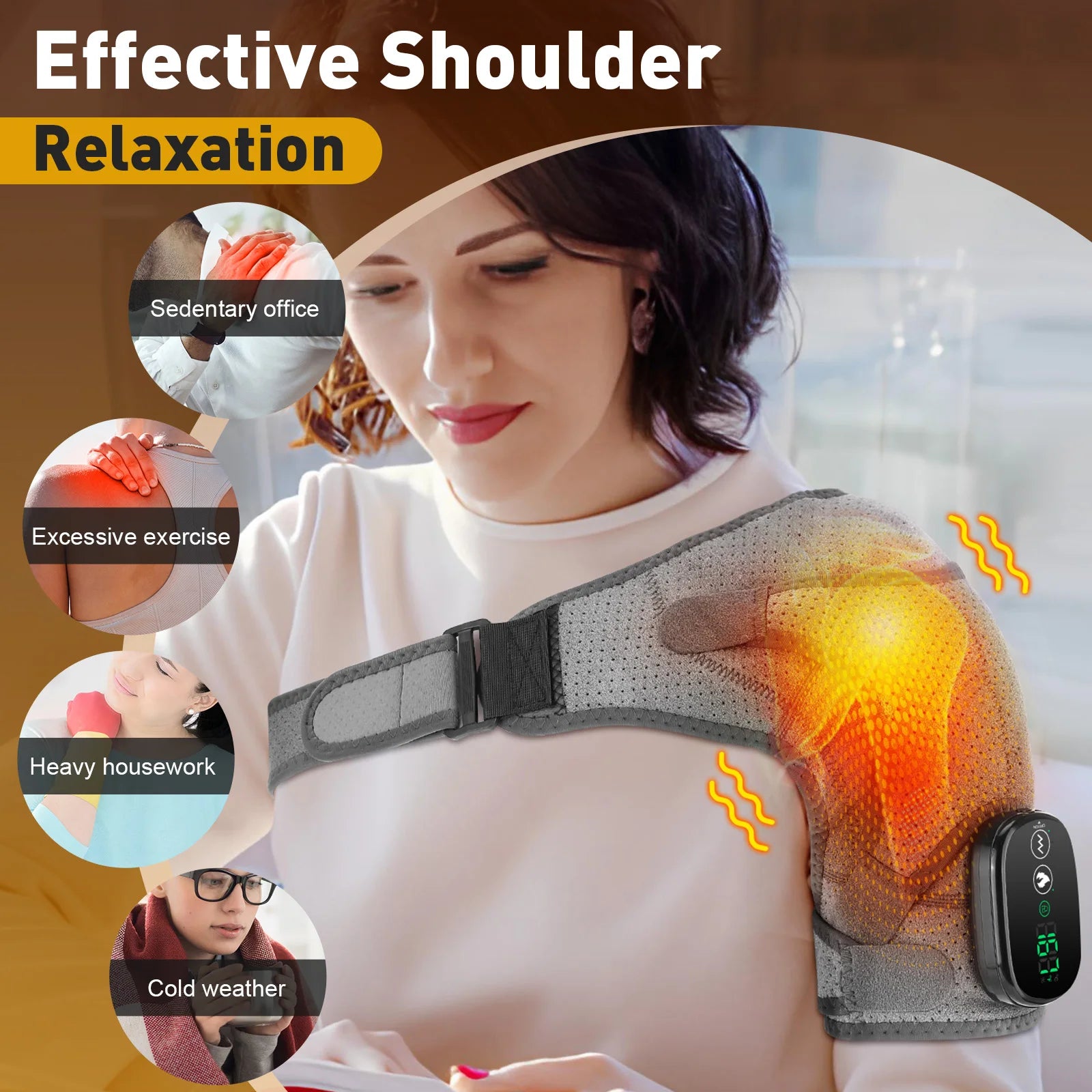
Many readers exploring shoulder-specific comfort gravitate toward solutions like the heated shoulder massager , especially when consistent warmth and hands-free use matter most.
Maintenance, Cleaning, and Battery Care
Cleaning tips
Follow the manufacturer's cleaning instructions for your specific device. Many electronic heat therapy products should be wiped with a soft, slightly damp cloth rather than immersed in water. Disconnect or power off the device before cleaning, and allow any washable components to dry completely before use.
Battery lifespan
Rechargeable batteries gradually lose capacity with use. To support long-term performance, use the supplied or manufacturer-approved charger when required, avoid exposing the device to excessive heat or moisture, and follow the recommended charging instructions.
Storage
Store the device in a cool, dry location away from sharp objects and excessive pressure. Avoid tightly folding a heating device unless the manufacturer specifically says it is designed for folding, as repeated improper bending may damage internal components.
Replacement guidelines
Stop using a device if the casing, wiring, battery, charger, or heating element shows signs of damage. Do not attempt to repair electrical components yourself unless the manufacturer specifically provides an approved repair procedure. Replace the device or battery according to the manufacturer's guidance.
How to Use a Portable Heat Therapy Device Safely
Recommended session length
Start with a short session and use the manufacturer's recommended duration. Many people use heat therapy in sessions of approximately 15–30 minutes, but the appropriate duration depends on the device, heat level, body area, and individual comfort.
- Inspect the device, cable, battery, and heating surface before use.
- Start with the lowest comfortable heat setting.
- Increase the temperature gradually only if it remains comfortable.
- Use the device for the duration recommended by the manufacturer.
- Check your skin during and after use, especially when trying a new device.
- Turn the device off when the session ends and follow charging instructions.
Skin safety
Do not place heat therapy devices over open wounds, burns, active skin irritation, or areas where you cannot reliably feel temperature. Avoid excessive heat, and stop using the device if you experience unusual burning, significant discomfort, or worsening symptoms.
Who should avoid heat therapy
People with reduced temperature sensation, certain circulation problems, or medical conditions affected by heat should ask a healthcare professional before using heat therapy. If you are unsure whether heat is appropriate for your symptoms, professional guidance is safer than experimenting with high temperatures.
When to seek medical care
Seek medical advice for severe, unexplained, persistent, or worsening pain, or when pain is accompanied by symptoms that concern you. A portable heat therapy device is intended for comfort and symptom management; it does not diagnose or treat the underlying cause of every type of pain.
Never fall asleep while using a portable heat therapy device unless the specific product is expressly designed and safety-rated for that use. Always follow the manufacturer's instructions.
Targeted vibration massage device relief — See it in action
Pros and Cons of Heat Therapy Devices
Pros
- Can help relax tight muscles and ease everyday stiffness
- Portable designs make targeted warmth easier to use consistently
- Available in wearable, handheld, wrap-around, and compact formats
- Rechargeable models can be used away from a wall outlet
- Some devices combine heat with vibration or massage sensations
Cons
- Not appropriate for every type of pain or recent injury
- Cordless models have limited battery runtime
- Heat can irritate skin or cause burns if used incorrectly
- Smaller devices may provide limited coverage
- Consistent use and correct device selection are important for the best experience
Quick Answers Before You Decide (FAQ)
What is the best portable heat therapy device for everyday pain relief?
The best portable heat therapy device for everyday use is usually a rechargeable model with adjustable heat, comfortable contact, practical battery life, and a design suited to your main problem area. A versatile rechargeable heat therapy massager is a strong all-around choice, while a larger wrap may be better for the back.
Are cordless heat massagers as effective as plug-in models?
They can provide comparable warmth when the device delivers an appropriate and consistent temperature. The main difference is convenience and runtime: cordless heat massagers offer greater mobility, while plug-in models can provide continuous power during stationary use.
How long should I use a portable heat therapy device?
Follow the manufacturer's instructions and start with a short, comfortable session. Many devices are used for approximately 15–30 minutes at a time, but the ideal duration varies by device, heat setting, body area, and individual tolerance.
Can I use a portable heating pad every day?
Many people can use a portable heating pad regularly when it is used according to the manufacturer's instructions and the skin remains comfortable. Avoid excessive heat or prolonged sessions, and stop if symptoms worsen or the skin becomes irritated.
Is vibration necessary for pain relief?
No. Vibration is an optional feature that some users enjoy for muscle relaxation. A heat-only device can still be a practical choice when your main goal is targeted warmth for stiffness or muscle discomfort.
Which portable heat therapy device is best for travel?
A mini heat massager or compact rechargeable heat therapy massager is generally the best choice for travel because it takes up less space and does not require a wall outlet during use. Check battery rules and airline requirements before packing any device with a lithium battery.
Are rechargeable heat therapy massagers worth buying?
They can be worth buying if you use heat therapy in multiple locations or want to avoid staying near an outlet. The value depends on battery life, comfort, heating performance, durability, and how frequently you expect to use the device.
When should I use ice instead of heat?
Ice may be more appropriate after some acute injuries when swelling is a major concern, while heat is generally better suited to stiffness and muscle tightness. Because the correct approach depends on the injury and symptoms, seek professional guidance when you are uncertain.
How often can I use a portable heat therapy device?
You can often use heat therapy regularly in short sessions when the device instructions allow it and your skin remains comfortable. The manufacturer's recommended session length and frequency should take priority over a general schedule.
Is heat therapy safe for pain relief?
Heat therapy is generally safe for many people when used correctly, but it should not be applied to damaged skin or areas with reduced sensation and may not be appropriate for some acute injuries or medical conditions. Use the lowest effective comfortable setting and follow the product instructions.
Which device is best for back pain?
A portable heating pad device with broad or wrap-around coverage is typically the most practical choice for lower-back discomfort because it can warm a larger area than a mini or handheld device.
Do vibration heat massagers work better?
Not necessarily. Vibration may add a relaxing massage sensation and can be useful for people who enjoy combined functions, but it is not required for heat therapy to be useful. The best device is the one that provides comfortable, appropriate warmth for your intended use.
How long does the battery last?
Battery life varies widely by model, heat level, vibration settings, battery capacity, and battery age. Many rechargeable devices provide approximately 2–6 hours of use per charge, but the manufacturer's specifications are the most reliable source for a specific product.
Related Guide: How to Relieve Shoulder Tension: Top Methods Compared
Final Verdict: Which Portable Heat Therapy Device Should You Choose?
The best portable heat therapy device depends on your main use case. For flexible everyday use, a rechargeable heat therapy massager offers a strong balance of portability and convenience. For lower-back discomfort, choose a wider portable heating pad device. For neck and shoulder tension, a targeted neck heat massager portable design may be more comfortable. For travel, a mini heat massager is easier to carry.
Before buying, compare heat control, heating speed, coverage area, battery life, comfort, safety features, and the device's intended use. The right choice is not necessarily the device with the most features; it is the one you can use comfortably and consistently for the type of discomfort you actually experience.