

Does muscle soreness relief after workout really work?
Muscle soreness relief after workout works by improving blood flow, reducing inflammation, and easing tight muscles through targeted techniques like massage, stretching, and recovery tools. With consistent use, you can reduce post workout muscle soreness and tightness, speed up recovery, and return to training stronger within 24–72 hours.
Muscle Soreness Relief After Workout for Every Fitness Level
Feeling stiff, tight, or sore after a workout can make even simple movements frustrating. Muscle soreness relief after workout doesn’t have to feel like guesswork—when you understand your body’s recovery signals, you can reduce discomfort faster, move freely again, and actually enjoy your fitness progress without setbacks.
⏱ 5 min read
Discover smarter recovery tools designed for real results inside Body Care and Health Devices
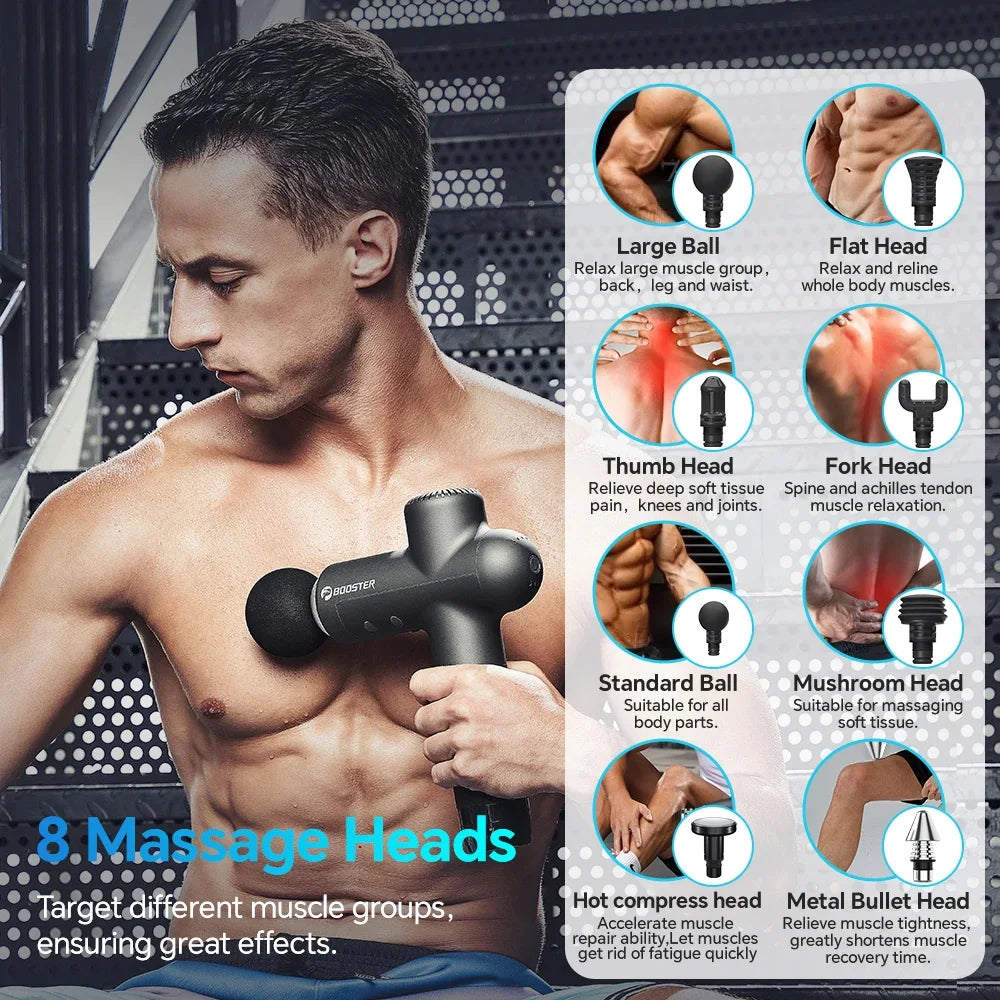
Ease post workout muscle soreness and tightness fast See it in action
Why Your Muscles Feel Sore After Every Workout (and How to Fix It)
Ever wondered why your body feels worse the day after a great workout?
That tight, aching sensation—known as delayed recovery muscle tightness after exercise—often peaks 24–48 hours later. It’s caused by tiny muscle fiber damage, inflammation, and buildup of metabolic waste.
Which recovery method actually works for you? Read on—you might be doing it wrong.
The problem isn’t soreness itself—it’s slow recovery.
- Muscles stay stiff longer than necessary
- Range of motion decreases
- Next workouts feel harder, not stronger
- Progress stalls due to fatigue
The solution? Targeted muscle soreness relief after workout that works with your body—not against it.
How to Relieve Muscle Soreness Fast at Home (Without Overcomplicating It)
Muscle soreness relief after workout becomes faster when you combine movement, circulation, and muscle stimulation. The most effective approach blends active recovery, hydration, stretching, and targeted tools to reduce tightness and improve blood flow within hours instead of days.
- Start with light movement: Walking or gentle yoga increases circulation.
- Hydrate deeply: Muscles need water to repair tissue efficiently.
- Stretch dynamically: Focus on sore areas without forcing tension.
- Use targeted massage: Break up tight knots and improve recovery speed.
- Apply heat or contrast therapy: Stimulate blood flow and reduce stiffness.
While these steps help, one method consistently stands out for faster results: deep tissue percussion therapy.
How This Massage Gun Relieves Deep Muscle Tightness in Minutes
Muscle soreness relief after workout improves significantly with a massage gun because it delivers rapid pulses deep into muscle tissue. This helps reduce post workout muscle soreness and tightness by increasing circulation, releasing tension, and speeding up recovery—often cutting soreness time by nearly half.
Explore how it works here: electric massage gun deep tissue relief
Why it works better than basic recovery methods
- Targets deep muscle layers unreachable by stretching alone
- Breaks up tight knots quickly
- Enhances blood flow for faster repair
- Reduces stiffness within minutes
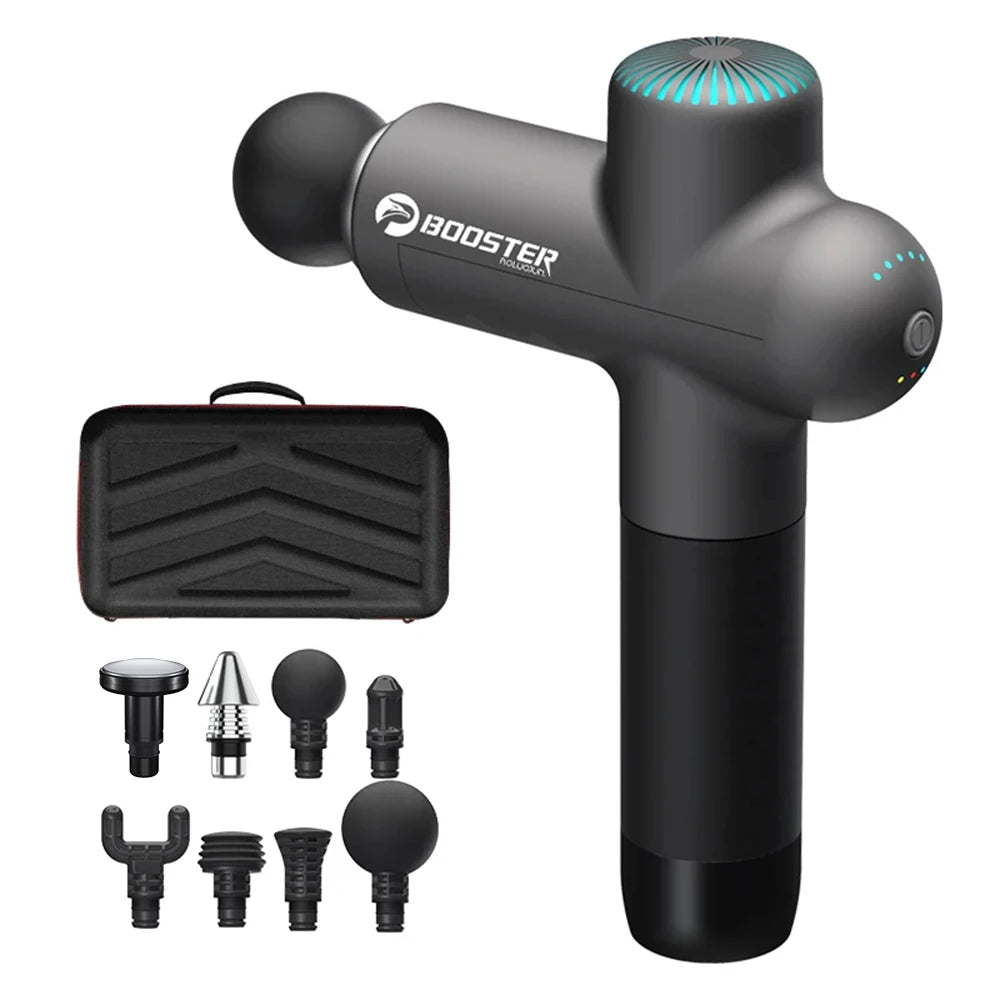
Target delayed recovery muscle tightness after exercise See it in action
Learn step-by-step how to use it effectively: Start your recovery routine
Which Recovery Method Fits Your Lifestyle Best?
Not all soreness feels the same—and neither should your recovery approach.
For beginners: Gentle and consistent recovery
- Light stretching
- Short massage sessions
- Low-intensity workouts
Perfect if you're just starting and experiencing frequent soreness.
For busy professionals: Fast and efficient solutions
- 5–10 minute massage gun sessions
- Desk-friendly stretches
- Quick mobility routines
Ideal when time is limited but recovery still matters.
For athletes: Deep recovery and performance optimization
- High-intensity massage therapy
- Recovery cycles post-training
- Advanced mobility work
This group benefits most from tools that deliver immediate relief and long-term performance gains.
Discover more recovery tools in Body Care and Health Devices
Step-by-Step Recovery Routine for Faster Results
Consistency beats intensity when it comes to recovery.
- Immediately after workout: Light stretching (5–10 minutes)
- Within 2 hours: Hydrate and refuel with protein
- Same day: Use massage gun for 10–15 minutes
- Next day: Active recovery (walking, yoga)
- Repeat: Maintain routine for sustained results
This simple routine addresses both post workout muscle soreness and tightness while preventing long-term stiffness.
Best Recovery Methods Compared
| Method | Speed | Effectiveness | Ease of Use |
|---|---|---|---|
| Stretching | Slow | Moderate | Easy |
| Foam Rolling | Medium | High | Moderate |
| Massage Gun | Fast | Very High | Very Easy |
| Rest Only | Very Slow | Low | Easy |
Quick Pros and Cons
- ✅ Massage gun: fast, targeted, effective
- ✅ Stretching: accessible, gentle
- ❌ Rest alone: slow recovery
- ❌ Foam rolling: can be uncomfortable
Real Results: What Users Experience
Users report noticeable improvements within days of consistent use:
- “My soreness used to last 3 days—now it’s gone overnight.”
- “I feel looser and more flexible before my next workout.”
- “Perfect for my busy schedule—quick and effective.”
Data shows that targeted massage therapy can reduce soreness perception by up to 30–40% and improve muscle performance recovery.
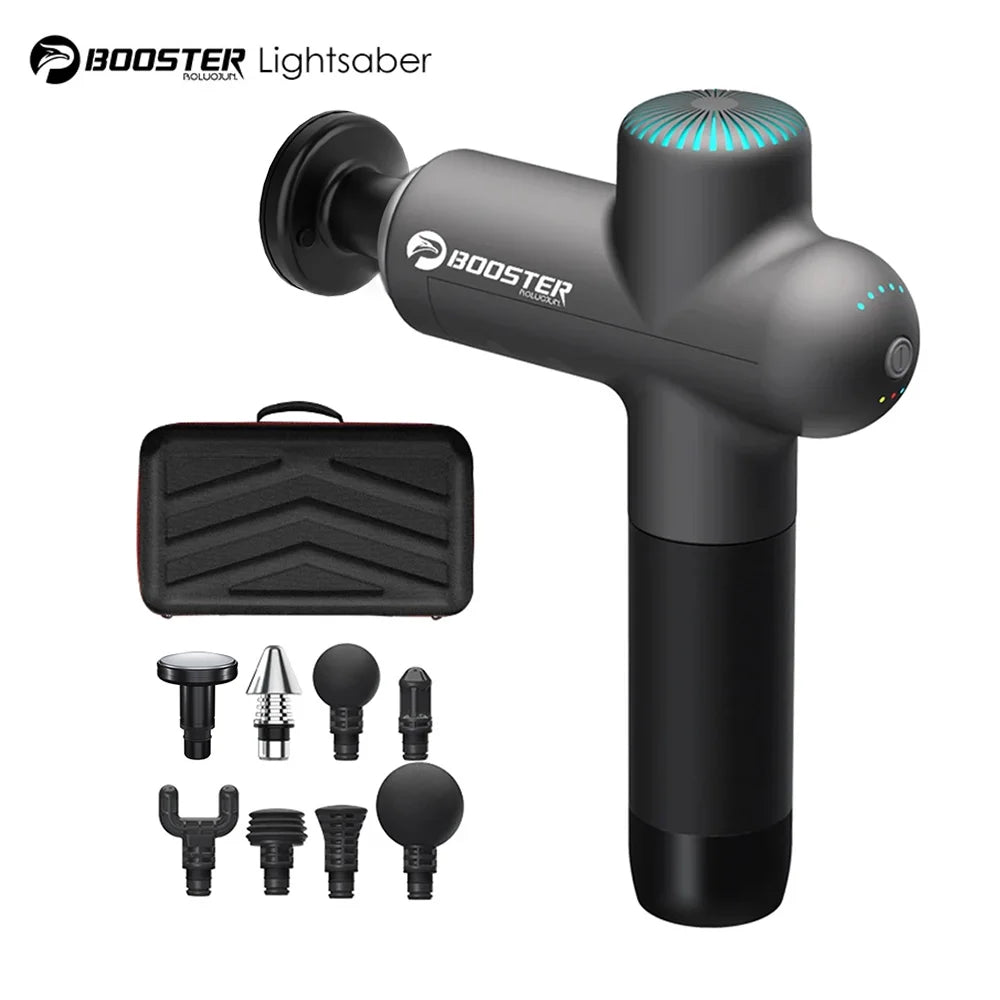
Ways to improve muscle recovery at home made simple See it in action
Get yours now — limited stock! Shop the massage gun
Frequently Asked Questions
How long does muscle soreness last after a workout?
Muscle soreness typically lasts 24–72 hours depending on intensity and recovery methods used. Proper recovery can significantly shorten this duration.
What is the fastest way to reduce post workout soreness?
The fastest way includes hydration, stretching, and using a massage gun to stimulate circulation and release muscle tension.
Can I work out while still sore?
Yes, but focus on different muscle groups or low-intensity activity to avoid injury and allow proper recovery.
Are massage guns safe for daily use?
Yes, when used correctly. Limit sessions to 10–15 minutes per muscle group and avoid sensitive areas or injuries.
What helps delayed recovery muscle tightness after exercise?
Targeted massage, active recovery, hydration, and consistent routines are the most effective ways to reduce delayed tightness.
Pillar Article: Muscle Soreness Relief After Workout for Every Fitness Level
Other Related Articles:
Explore More:
UPGRADE PLAN { "outline": [ { "action": "MODIFY", "h2": "Does muscle soreness relief after workout really work?", "h3": [], "focus": [ "Define post-workout muscle soreness", "Explain normal recovery vs injury", "Set realistic expectations", "Introduce evidence-based recovery" ], "keywords": [] }, { "action": "MODIFY", "h2": "Why Your Muscles Feel Sore After Every Workout (and How to Fix It)", "h3": [], "focus": [ "Causes of muscle soreness", "DOMS overview", "Factors affecting recovery", "Common mistakes" ], "keywords": [] }, { "action": "MODIFY", "h2": "How to Relieve Muscle Soreness Fast at Home (Without Overcomplicating It)", "h3": [], "focus": [ "Active recovery", "Hydration and nutrition", "Sleep and recovery", "Stretching and mobility" ], "keywords": [] }, { "action": "KEEP", "h2": "How This Massage Gun Relieves Deep Muscle Tightness in Minutes", "h3": [ "Why it works better than basic recovery methods" ], "focus": [ "Percussion therapy benefits", "When to use", "Who benefits most", "Safety tips" ], "keywords": [] }, { "action": "KEEP", "h2": "Which Recovery Method Fits Your Lifestyle Best?", "h3": [ "For beginners: Gentle and consistent recovery", "For busy professionals: Fast and efficient solutions", "For athletes: Deep recovery and performance optimization" ], "focus": [ "Personalized recommendations", "Time commitment", "Recovery goals" ], "keywords": [] }, { "action": "KEEP", "h2": "Step-by-Step Recovery Routine for Faster Results", "h3": [], "focus": [ "Immediately after exercise", "First 24 hours", "Next-day recovery", "Weekly habits" ], "keywords": [] }, { "action": "MODIFY", "h2": "Best Recovery Methods Compared", "h3": [ "Quick Pros and Cons" ], "focus": [ "Massage guns", "Foam rollers", "Heat therapy", "Compression and rest" ], "keywords": [] }, { "action": "KEEP", "h2": "Real Results: What Users Experience", "h3": [], "focus": [ "Typical recovery timeline", "Common improvements", "Consistency expectations" ], "keywords": [] }, { "action": "KEEP", "h2": "Frequently Asked Questions", "h3": [ "How long does muscle soreness last after a workout?", "What is the fastest way to reduce post workout soreness?", "Can I work out while still sore?", "Are massage guns safe for daily use?", "What helps delayed recovery muscle tightness after exercise?" ], "focus": [ "Address common concerns", "Clarify misconceptions", "Support purchase decisions" ], "keywords": [] } ], "internal_links": [ "Foam roller recovery guide", "Massage gun buying guide", "Heat therapy for sore muscles", "Post-workout stretching guide", "Recovery device collection" ], "faq": [ "Is muscle soreness necessary for muscle growth?", "Should I use heat or ice for sore muscles?", "When should muscle soreness become a medical concern?", "Can beginners reduce soreness without recovery devices?" ], "trim": [ "Lengthy product promotion", "Repeated benefit statements", "Duplicate recovery advice", "Generic testimonial content" ] } Approved linked products: - electric massage gun deep tissue relief (/products/electric-massage-gun-deep-tissue-relief) - Start your recovery routine (/products/electric-massage-gun-deep-tissue-relief) - Shop the massage gun (/products/electric-massage-gun-deep-tissue-relief) Product Rules - Keep all approved products. - Only approved products may contain affiliate links. - You may add real competitor products when useful. - Competitor products must not contain links unless already present. - Only create comparison tables when they genuinely improve the article. RULES - Apply every instruction in the Upgrade Plan. - Keep all existing affiliate links unchanged. - Keep all existing internal links unchanged. - Keep all existing image URLs unchanged. - Preserve sections such as Related Articles, Related Posts and Recommended Reading. - Avoid duplicate headings. - Insert new sections only where specified. - Improve clarity, topical coverage, EEAT and readability. - Expand weak sections only when required. - Use natural keyword placement. - Keep semantic HTML clean. YEAR UPDATE If visible article text contains "2005", replace it with "2026". Do not modify years inside: - URLs - href attributes - image filenames OUTPUT REQUIREMENTS Return ONLY the final upgraded HTML article. The output must be valid HTML and ready to publish. Do NOT return: - Markdown - Explanations - Notes - Code fences - JSON - XML Return the HTML beginning with the first HTML element and ending with the last HTML element.












