

Does muscle soreness relief after workout really work?
Yes—but it’s important to set realistic expectations. Muscle soreness relief after workout can reduce stiffness and discomfort quickly, but it doesn’t eliminate soreness instantly. Most effective strategies work by supporting your body’s natural recovery process rather than “curing” soreness overnight.
What many people experience is delayed onset muscle soreness (DOMS) , which typically appears 12–24 hours after exercise and peaks between 24–72 hours. This is different from injury pain, which is sharp, persistent, or localized.
- DOMS: dull, tight, widespread soreness that improves with movement
- Injury pain: sharp, intense, or worsening discomfort that may require medical attention
Evidence-based methods like hydration, light movement, quality sleep, and targeted massage can significantly reduce discomfort and speed recovery. Myths like “no pain, no gain” or complete rest as the only solution often slow progress.
Muscle Soreness Relief After Workout for Every Fitness Level
Muscle soreness relief after workout doesn’t have to feel like guesswork. Whether you're dealing with post workout muscle soreness and tightness or looking for tips for reducing post workout soreness fast , this guide covers practical, science-backed strategies. Learn how to manage delayed recovery muscle tightness after exercise and discover effective ways to improve muscle recovery at home—without relying on expensive treatments.
⏱ 5 min read
Discover the smartest recovery tools for your routine
Body Care and Health Devices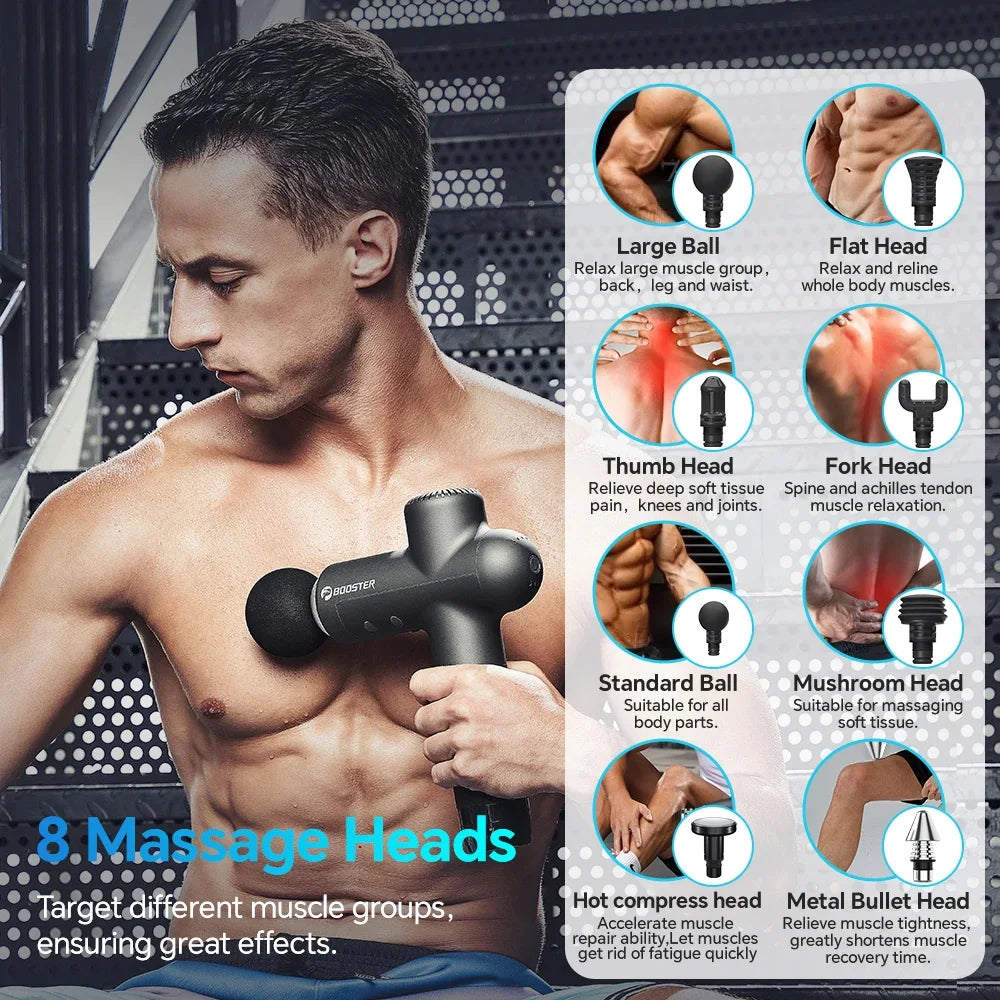
Relieve post workout muscle soreness and tightness quickly See it in action
What Causes Muscle Soreness After Exercise (DOMS Explained)
Muscle soreness after exercise is primarily caused by microscopic damage to muscle fibers. This happens when you challenge your muscles—especially during new or intense workouts.
Your body repairs these micro-tears through inflammation and rebuilding, making muscles stronger over time. This process leads to post workout muscle soreness and tightness .
DOMS timeline:
- 12–24 hours: soreness begins
- 24–72 hours: peak discomfort
- 3–5 days: gradual recovery
What makes soreness worse?
- Sudden increases in workout intensity
- New or unfamiliar exercises
- Eccentric movements (like lowering weights)
- Dehydration and poor circulation
- Skipping warm-up or cooldown
Proven Methods for Fast Muscle Soreness Relief
The most effective recovery strategies combine short-term relief with long-term muscle repair support.
- Light movement (High effectiveness, fast relief): Walking or gentle activity improves circulation and reduces stiffness
- Stretching (Moderate effectiveness): Helps restore flexibility and reduce tightness
- Hydration (Essential, slower impact): Supports muscle repair and reduces cramping
- Sleep (High effectiveness, long-term): Critical for tissue repair and hormone regulation
- Massage therapy (Fast + effective): Improves blood flow and reduces muscle tension
For faster results, combine multiple methods rather than relying on one alone.
Learn step-by-step how to recover faster at home
Electric Massage Gun Deep Tissue ReliefRecovery Timeline: What to Do Immediately, 24h, and 48h After Workout
Knowing how long muscle soreness lasts helps you apply the right strategy at the right time.
-
Immediately after workout:
- Hydrate and refuel
- Perform light stretching
- Cool down properly
-
Within 24 hours:
- Stay active with low-intensity movement
- Use massage or foam rolling
- Prioritize sleep
-
Within 48 hours:
- Apply heat therapy for circulation
- Continue mobility exercises
- Gradually return to training if soreness decreases
Step-by-Step Recovery Routine at Home
- Hydrate immediately – Supports muscle repair and reduces fatigue
- Do gentle mobility work – Keeps muscles active without strain
- Stretch key muscle groups – Improves flexibility
- Use massage techniques – Helps relieve tightness and improve circulation
- Apply heat if needed – Enhances blood flow
- Sleep 7–9 hours – Critical for full recovery
These are practical ways to improve muscle recovery at home with minimal equipment.
Best Recovery Strategies by Fitness Level
Beginners: Reduce soreness quickly
- Focus on hydration and basic stretching
- Avoid overtraining early on
- Keep workouts moderate and consistent
Intermediate: Improve consistency
- Combine stretching with massage techniques
- Follow structured recovery routines
- Balance intensity with adequate rest
Advanced: Maximize performance
- Target specific muscle groups precisely
- Incorporate daily mobility and recovery work
- Optimize sleep, nutrition, and training cycles
Comparison of Recovery Methods: What Works Best?
| Method | Speed | Effectiveness | Accessibility |
|---|---|---|---|
| Light Movement | Fast | High | High |
| Stretching | Moderate | Medium | High |
| Hydration | Slow | Medium | High |
| Massage (Manual/Tool) | Fast | High | Medium |
| Rest Only | Slow | Low | High |
How to Prevent Muscle Soreness Before It Starts
- Warm up properly: Prepares muscles for stress
- Progress gradually: Avoid sudden intensity spikes
- Stay hydrated: Supports muscle function
- Eat balanced meals: Protein and carbs aid recovery
- Plan recovery: Include rest and mobility in your routine
How to Build a Recovery Routine That Actually Works
- Stay consistent with recovery habits
- Listen to your body’s signals
- Combine multiple recovery methods
- Adjust based on workout intensity
Explore more solutions in Body Care and Health Devices to upgrade your routine.
Get yours now — limited stock!
Electric Massage Gun Deep Tissue ReliefFrequently Asked Questions
What is the fastest way for muscle soreness relief after workout?
The fastest method combines light movement, hydration, and targeted massage. This improves circulation quickly and reduces tightness.
How long does post workout muscle soreness last?
It usually lasts 24–72 hours. Proper recovery strategies can shorten this timeline.
Are there effective ways to improve muscle recovery at home?
Yes. Hydration, stretching, sleep, and massage techniques are all effective without requiring professional treatment.
What causes delayed recovery muscle tightness after exercise?
It’s caused by micro-tears in muscle fibers and the body’s inflammatory repair response.
Is it okay to work out when muscles are still sore?
Yes, if soreness is mild. Focus on different muscle groups or low-intensity exercise. Avoid training heavily on severely sore muscles.
What foods help reduce muscle soreness faster?
Protein-rich foods, anti-inflammatory foods (like berries and leafy greens), and proper hydration support faster recovery.
Do ice baths or hot baths work better for soreness?
Cold therapy helps reduce inflammation early, while heat therapy improves circulation later. Both can be useful depending on timing.
Can supplements speed up muscle recovery?
Some supplements like protein powder or omega-3s may help, but whole foods and proper recovery habits are more important.
When should I worry about muscle soreness vs injury?
If pain is sharp, persistent, or worsens over time, it may indicate injury rather than normal soreness. Seek medical advice if unsure.
Related Articles:
- Sore Muscle Natural Remedy for Busy, Active Lifestyles
- Portable Neck and Shoulder Massager for Office Workers
Pillar Articles:













