

Best Heaters for Power Outages: Portable Oil Burning Heater Comparison
When the lights go out, staying warm becomes an emergency priority. This guide compares the best portable heater for power outage situations, including portable oil burning heaters, propane heaters, catalytic heaters, and other no electricity heat source options. You'll learn which heaters work without electricity, how long they run, what safety precautions matter most, and which option best fits your home, apartment, cabin, or emergency preparedness plan.
Does a portable oil burning heater really work during power outages?
Yes. A portable oil burning heater is one of the most dependable heaters that work without electricity. By burning kerosene efficiently, it produces consistent radiant and convective heat without relying on the electrical grid. Quality indoor-rated models can provide 8–12 hours of heat on a single tank, making them a practical emergency heating solution for extended outages when used according to manufacturer safety instructions.
Best Portable Heater for Power Outage: Which Option Works Best?
The best heater for a power outage depends on where you'll use it, how long the outage may last, and which fuel is easiest to store safely.
- Portable oil burning heater: Best overall for long-duration emergency heating and dependable runtime.
- Indoor propane heater: Excellent for quick heating with clean-burning fuel.
- Catalytic heater: Quiet, fuel-efficient, and suitable for enclosed spaces when approved for indoor use.
- Battery-powered heater: Best only for very small personal spaces because runtime depends on battery capacity.
If your priority is surviving multi-day winter outages, a portable oil burning heater or indoor-rated kerosene heater typically offers the best combination of heat output, runtime, and fuel efficiency.
Heaters That Work Without Electricity During a Power Outage
Not every portable heater functions when the electricity fails. The following categories continue operating independently of the electrical grid.
Kerosene Heaters
Kerosene heaters remain one of the most trusted emergency heating solutions. They deliver strong heat output, long burn times, and reliable performance for homes, cabins, workshops, and emergency shelters. They do require fresh fuel, periodic wick maintenance, and proper ventilation.
Propane Heaters
Portable propane heaters produce heat quickly and use readily available propane cylinders. Indoor-approved models often include low-oxygen shutoff systems and tip-over protection, making them popular for temporary emergency heating.
Catalytic Heaters
Catalytic heaters create heat through a flameless catalytic reaction rather than an open flame. They operate quietly, consume fuel efficiently, and are often chosen for RVs, cabins, and camping when approved for indoor use.
Battery-Powered Heaters and Power Stations
Battery-powered space heaters generally provide limited heating because portable batteries cannot sustain high electrical loads for long periods. Portable power stations work better for powering blankets, fans, lighting, and electronics than full-size electric space heaters during extended outages.
Best Heaters for Power Outages Compared
Comparison Table: Fuel, BTU, Runtime, Indoor Safety, Best Use
| Heater Type | Typical BTU Range | Typical Runtime | Indoor Use | Best For |
|---|---|---|---|---|
| Portable Oil Burning Heater | 8,000–23,000 BTU | 8–12+ hours | Yes, with ventilation and indoor-rated models | Homes, cabins, long outages |
| Propane Heater | 4,000–30,000 BTU | 4–10 hours | Indoor-rated models only | Quick room heating |
| Catalytic Heater | 3,000–8,000 BTU | Long, depending on fuel supply | Indoor-approved models | RVs and camping |
| Battery Heater | Low | 1–4 hours | Yes | Personal warmth |
Portable Oil Burning Heater Comparison
Portable oil burning heaters remain one of the strongest choices for alternative heating during power outage situations because they combine high heat output with long operating times.
Fuel Type Comparison Table
| Fuel | Pros | Cons | Best Use |
|---|---|---|---|
| Kerosene | Long runtime, high heat output, widely available | Requires ventilation and proper storage | Indoor emergency heating |
| Propane | Clean burning, instant ignition | Tank storage required | Fast supplemental heating |
| Battery/Electric Backup | Quiet, no combustion | Short runtime during outages | Temporary personal heating |
BTU-to-Room-Size Guide
| Room Size | Recommended BTU |
|---|---|
| Up to 250 sq ft | 5,000–8,000 BTU |
| 250–500 sq ft | 8,000–15,000 BTU |
| 500–800 sq ft | 15,000–23,000 BTU |
| 800+ sq ft | 20,000+ BTU or multiple heat sources |
Choosing an appropriately sized heater improves fuel efficiency while maintaining comfortable indoor temperatures.
Best Heater for Every Emergency Scenario
Best for Apartments
An indoor-safe oil heater with built-in safety features provides dependable warmth while minimizing refueling frequency.
Best for Large Rooms
High-BTU kerosene heaters distribute steady heat throughout open living areas during prolonged outages.
Best for Camping
Compact catalytic or portable kerosene heaters balance portability with efficient fuel consumption.
Best for Off-Grid Cabins
Portable oil burning heaters are among the best oil heaters for off-grid cabins and remote properties because they continue working regardless of electrical service.
Best Emergency Backup
Many households combine a kerosene heater with a portable propane heater to provide flexibility if one fuel becomes difficult to obtain.
Pros and Cons of Oil, Propane, Catalytic, and Battery Heaters
- Operate during extended power failures
- Reliable heat without grid electricity
- Excellent fuel efficiency from quality oil heaters
- Available in multiple sizes for different room dimensions
- Some models support cooking or boiling water during emergencies
- Combustion heaters require proper ventilation
- Fuel must be safely stored in advance
- Routine maintenance keeps heaters operating efficiently
- Battery-powered heaters offer much shorter runtimes
Indoor Heater Safety During Power Outages
Carbon Monoxide Safety
Install working carbon monoxide detectors near sleeping areas and test them before winter. Never operate damaged or improperly maintained fuel-burning heaters.
Ventilation Requirements
Always follow the manufacturer's ventilation recommendations. Fresh air helps maintain safe oxygen levels and reduces combustion byproducts.
Fuel Storage
Store kerosene or propane in approved containers away from living spaces, heat sources, and open flames. Clearly label fuel containers to prevent accidental misuse.
Tip-Over Protection
Choose heaters equipped with automatic shutoff systems and keep them on stable, level surfaces away from curtains, furniture, children, and pets.
Fuel Consumption and Runtime Estimates
Kerosene Runtime
Most portable kerosene heaters operate between 8 and 12 hours on a full tank depending on burner setting and fuel tank capacity.
Propane Runtime
Runtime varies by cylinder size and BTU output. Lower heat settings significantly extend operating time during emergencies.
Fuel Storage Planning
For winter emergency preparedness, many homeowners keep enough approved fuel for several days while rotating stored fuel according to manufacturer recommendations to maintain quality.
Quick Decision Guide: Choose the Right Portable Heater
Best for Indoor Use
Indoor-safe oil heaters with carbon monoxide protection provide dependable long-duration heating.
Best No-Electricity Option
A portable oil burning heater remains one of the most effective heaters that work without electricity.
Best Portable Option
Compact kerosene and catalytic heaters offer excellent portability while maintaining useful runtime.
Best Value
If you expect occasional winter outages, a medium-sized portable kerosene heater often delivers the best balance of purchase price, fuel efficiency, and heating capacity.
How to Use a Portable Oil Burning Heater Safely
- Place the heater on a flat, stable, non-combustible surface.
- Maintain adequate ventilation throughout operation.
- Use only the fuel recommended by the manufacturer.
- Keep combustible materials at least several feet away.
- Never refuel while the heater is hot or operating.
Adding wellness essentials from Body Care and Health Devices can help maintain comfort during extended indoor stays.
Emergency Heating Checklist Before the Next Outage
- ✔ Test smoke and carbon monoxide detectors.
- ✔ Store enough approved fuel for several days.
- ✔ Keep long matches or an approved igniter available.
- ✔ Read the heater manual before an emergency occurs.
- ✔ Inspect wicks, fuel lines, and safety shutoff systems.
- ✔ Keep blankets, flashlights, batteries, and drinking water nearby.
For additional preparedness advice, see these related resources:
- Best Portable Oil Burning Heater
- Gas Stove for Power Outage
- No Electricity Heat Source
- Quiet Heater for Workspace
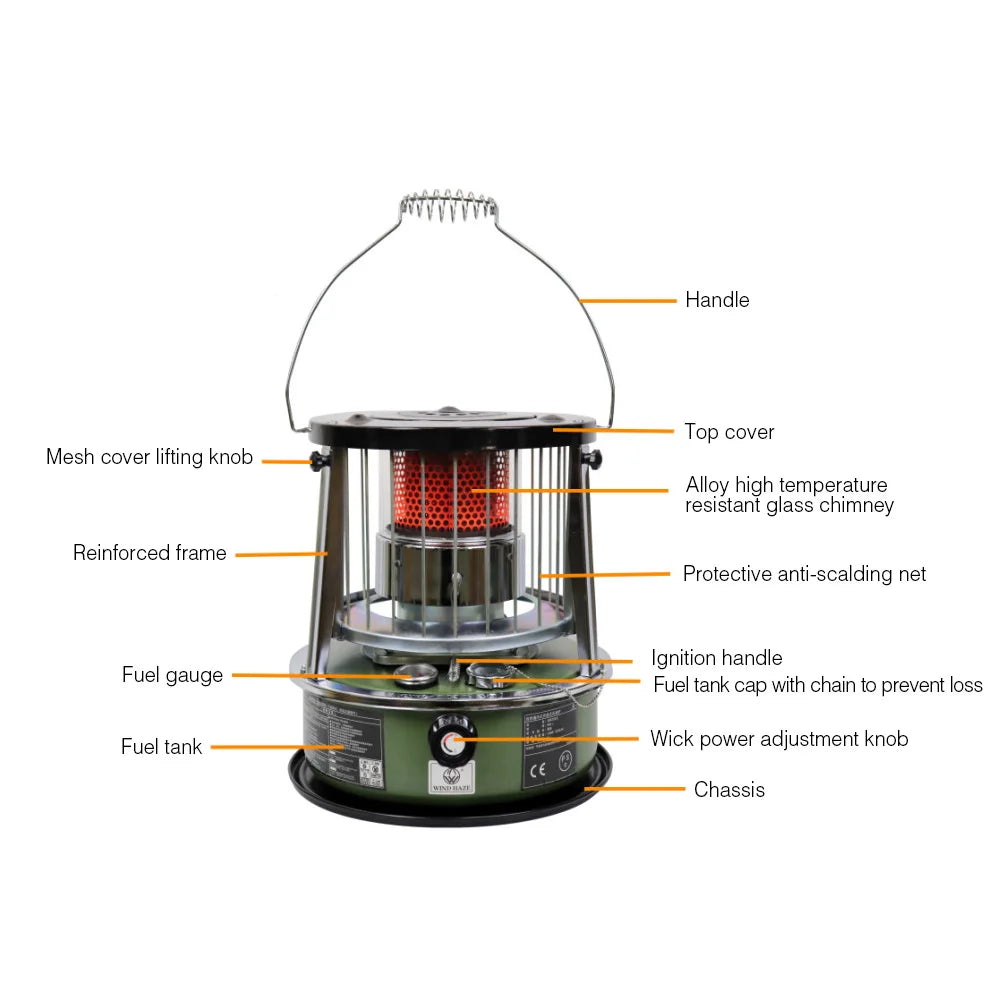
Trusted portable oil burning heater for emergency warmth. See it in action.
Frequently Asked Questions
Is a portable heater safe indoors during a power outage?
Yes, provided you use an indoor-approved model, follow all ventilation requirements, and install working carbon monoxide detectors.
Which heater works without electricity?
Kerosene heaters, propane heaters, and many catalytic heaters continue operating during power outages because they burn fuel rather than relying on electricity.
Is kerosene or propane better for home use?
Kerosene generally provides longer runtime and excellent emergency heating performance, while propane offers faster startup and cleaner combustion. The better choice depends on fuel availability and your heating needs.
How much fuel should I store?
Store only the amount allowed by local regulations and always use approved containers. Plan enough fuel to cover the typical outage duration in your area.
What size heater do I need?
Match heater BTU output to the size of the room you intend to heat. Oversized heaters waste fuel, while undersized units may struggle to maintain comfortable temperatures.
Explore the portable kerosene heater stove to secure dependable warmth before the next outage hits.
Related Guide: Portable Kerosene Heaters Compared for Safe Indoor Use
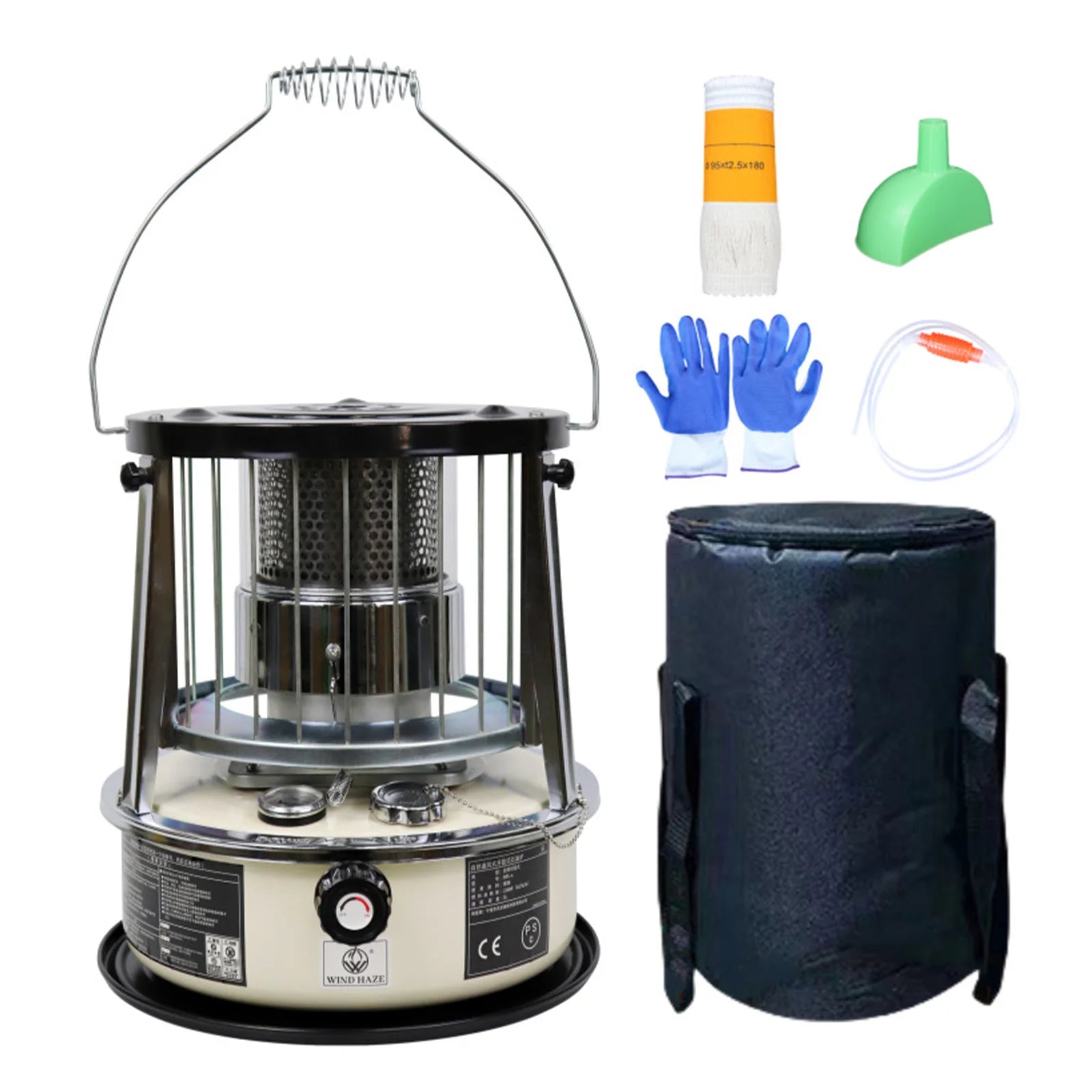
Portable oil burning heater providing steady warmth during outages. See it in action.
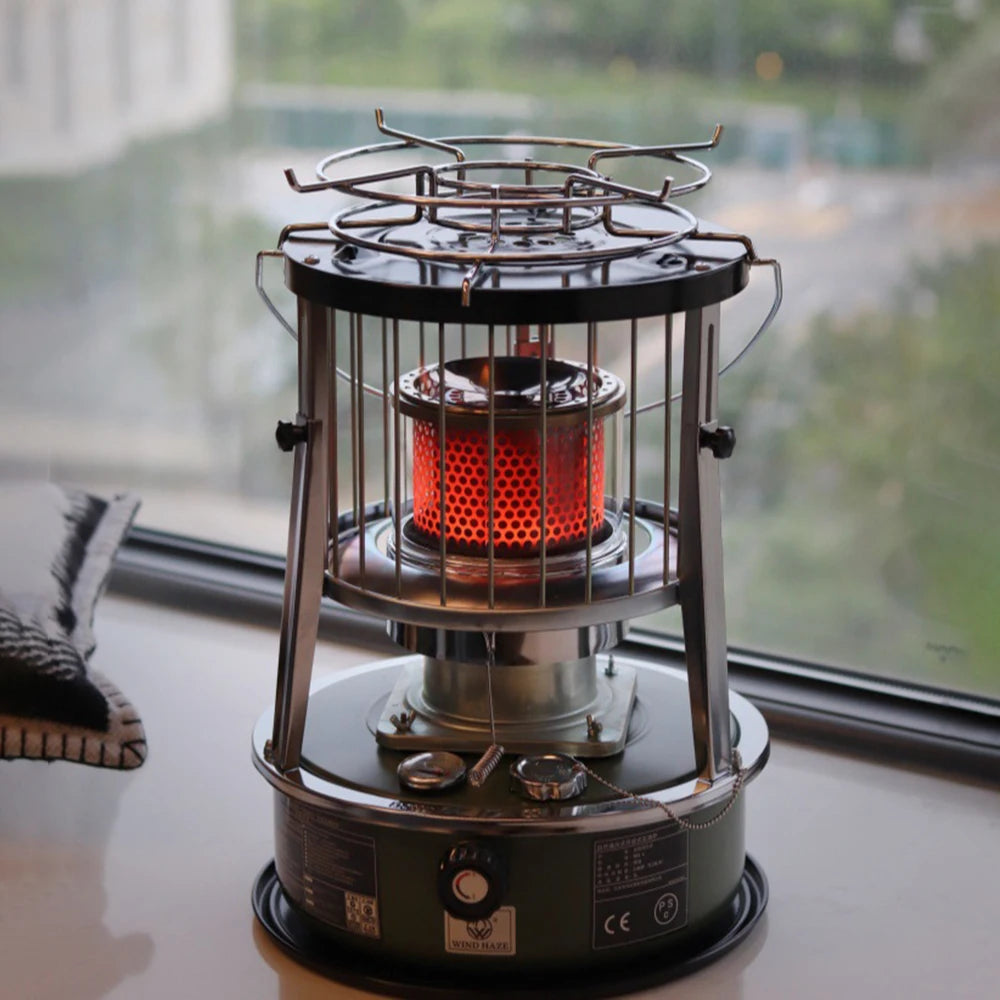
Oil burning space heater in a real winter outage setup. See it in action.













