

Does a power bank in cold weather really work in freezing temperatures?
Yes, a power bank in cold weather still works, but you should expect reduced performance as temperatures fall. Below 0°C (32°F), most lithium-ion power banks temporarily lose 20% to 50% of their usable capacity , deliver lower output, charge more slowly, or shut down until they warm back up.
This happens because cold slows the electrochemical reactions inside lithium-ion cells and increases internal resistance. The battery isn't necessarily damaged—it simply cannot deliver energy as efficiently in freezing conditions.
For most users, the performance loss is reversible. Once the power bank returns to a moderate temperature, it typically regains its normal capacity. Permanent damage is more likely when attempting to charge a frozen battery rather than simply using it outdoors.
Portable Power Bank Winter Use: Which Models Handle Cold Best
Portable power bank winter use is about far more than battery capacity. Whether you're commuting on freezing mornings, hiking in snow, or relying on emergency backup power, understanding how cold affects lithium-ion batteries helps you avoid unexpected shutdowns and battery drain. This guide explains why performance changes, how to use a power bank safely in winter, and what features matter most when choosing one.
⏱ 7 min read
Explore winter-ready options before your next cold-weather trip.
Ever had your phone suddenly die at 40% during a winter hike? Cold weather often affects your phone and power bank at the same time, making good preparation even more important.
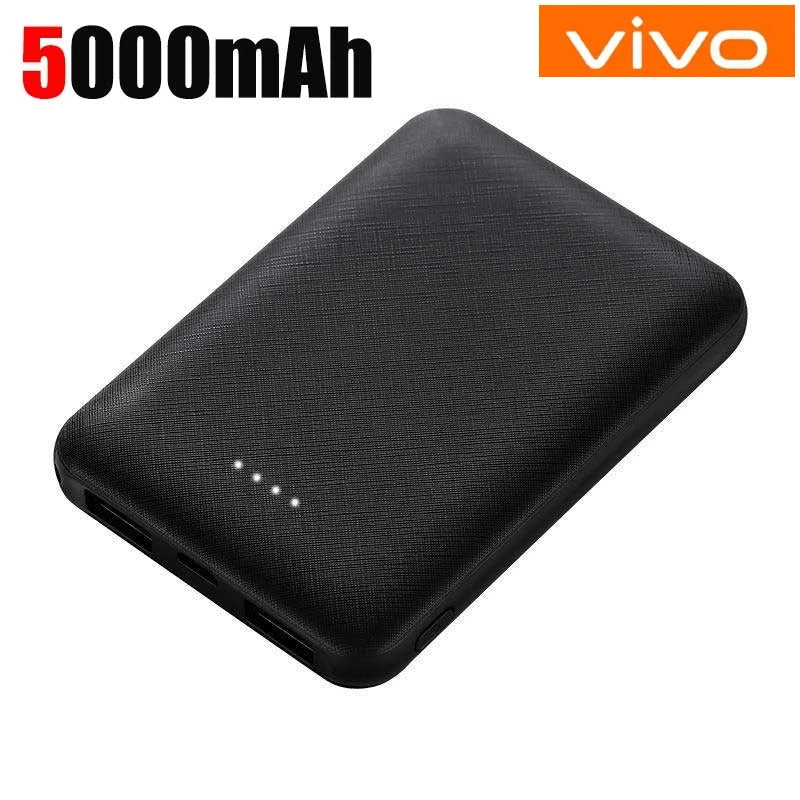
Portable power bank winter use helps reduce battery drain in cold weather.
Why Cold Weather Affects Power Banks (Lithium-Ion Battery Science)
Lithium-ion batteries are designed to operate across a wide range of temperatures, but cold weather slows the electrochemical processes that generate electricity. As temperatures drop, available capacity decreases, voltage falls more quickly under load, and charging efficiency declines.
What happens inside a lithium-ion battery in the cold
Electricity is produced as lithium ions move between the battery's electrodes. In freezing temperatures, ion movement slows significantly. Internal resistance increases, making it harder for the battery to deliver stable current to connected devices.
This is why a power bank that showed 80% charge indoors may suddenly appear nearly empty after spending an hour outside.
How much capacity you actually lose
- 0°C (32°F): roughly 80–90% of normal usable capacity
- -10°C (14°F): approximately 60–70% usable capacity
- -20°C (-4°F): around 40–50% usable capacity
Actual results vary depending on battery quality, age, discharge rate, and wind exposure, but these estimates represent typical lithium-ion performance.
Why voltage drops trigger shutdowns
Many modern power banks include protection circuitry that shuts the battery down when voltage drops below a safe threshold. In cold weather, increased internal resistance causes voltage to sag more quickly under heavy loads, even when energy remains inside the battery.
After warming up, the voltage usually stabilizes and normal operation returns without permanent damage.
Power Bank Temperature Range: Operating, Charging, and Storage Limits
Every lithium-ion battery has recommended temperature limits for operation, charging, and long-term storage. Staying within these ranges helps maximize both performance and lifespan.
Safe operating temperatures
- Ideal operating range: 10°C to 30°C (50°F to 86°F)
- Typical usable range: -10°C to 45°C (14°F to 113°F)
Operation below the recommended range is possible but usually results in reduced runtime and slower charging speeds.
Safe charging temperatures
- Charge only between 0°C and 40°C (32°F to 104°F) .
- Avoid charging a battery immediately after prolonged exposure to freezing temperatures.
- Allow the battery to warm naturally before connecting a charger.
Long-term storage recommendations
If you're storing a power bank between seasons, keep it in a cool, dry location at roughly 40–60% charge. Avoid prolonged storage inside freezing vehicles or extremely hot environments, as both conditions accelerate battery aging.
Common Problems in Cold Weather and How to Fix Them
Many cold-weather battery problems appear serious but are actually temporary symptoms of reduced lithium-ion performance.
Power bank not charging in cold
Most quality power banks intentionally refuse charging below freezing temperatures to protect the battery chemistry. If this happens, move the battery indoors and allow it to reach room temperature before attempting to recharge.
Battery drains faster than expected
Cold weather increases energy losses inside the battery. Keeping the power bank insulated and minimizing unnecessary charging sessions outdoors can noticeably improve runtime.
Device disconnects or shuts off suddenly
If voltage falls rapidly under load, protection circuitry may disconnect power. Disconnect the device, warm the battery gradually, then try again.
When warming the battery helps
If the power bank resumes normal operation after warming indoors or inside an insulated pocket, the issue was likely temperature-related rather than a hardware failure. However, if charging problems continue even at room temperature, battery aging or internal damage may be responsible.
Check out the 20000mAh Power Bank designed for winter conditions.
How to Use a Power Bank in Winter
Small habits can significantly improve portable power bank winter use during outdoor activities.
Keep your power bank warm
Carry your power bank inside an inner jacket pocket instead of attaching it to the outside of a backpack. Body heat helps maintain better battery performance.
Charge devices strategically
Whenever possible, warm both your phone and power bank before connecting them. Short charging sessions performed while both devices are relatively warm are generally more efficient.
Store and transport correctly
- Avoid leaving the battery inside a parked vehicle overnight.
- Use an insulated pouch during extended outdoor trips.
- Keep charging cables protected from snow and moisture.
Warm before recharging
Never recharge a frozen power bank immediately after bringing it indoors. Let condensation evaporate and allow the battery to reach a safe charging temperature first.
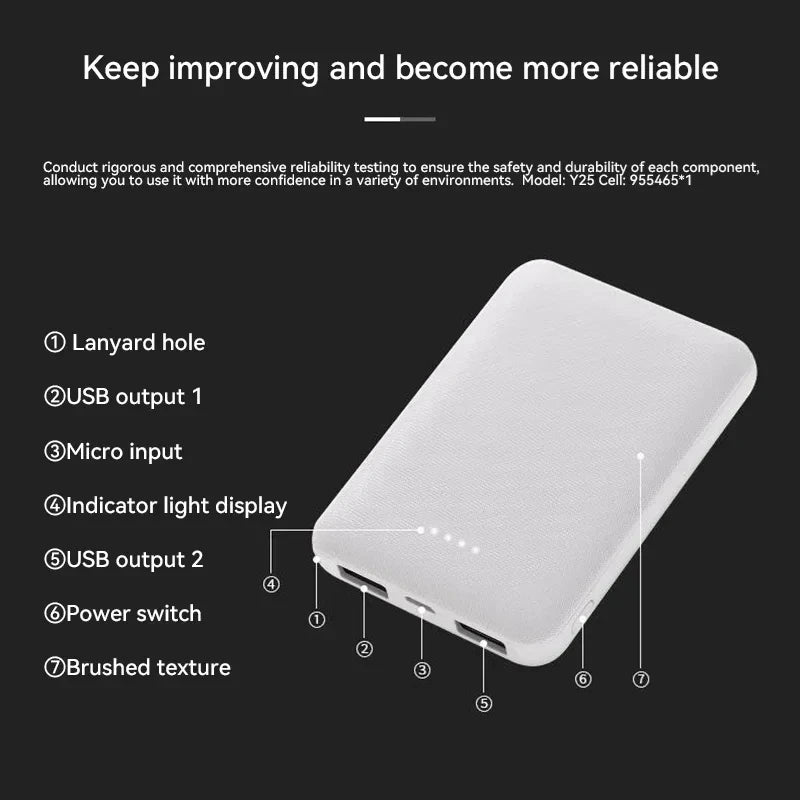
Comparing power bank input and output performance during winter conditions.
Real-World Winter Scenarios
Winter hiking and camping
- Carry two smaller charging sessions instead of one continuous discharge.
- Store the battery close to your body while hiking.
- Prioritize GPS and emergency communication devices.
Skiing and snow sports
- Keep electronics inside insulated jacket pockets.
- Avoid exposing charging cables directly to snow for extended periods.
Cold-weather commuting
- Compact power banks are often sufficient for short daily top-ups.
- Warm your phone indoors before charging during breaks.
Emergency winter travel
- Start with a fully charged power bank before leaving.
- Carry an insulated storage pouch.
- Bring appropriate charging cables for all essential devices.
Learn how the 20000mah Power Bank supports multiple cold-weather devices.
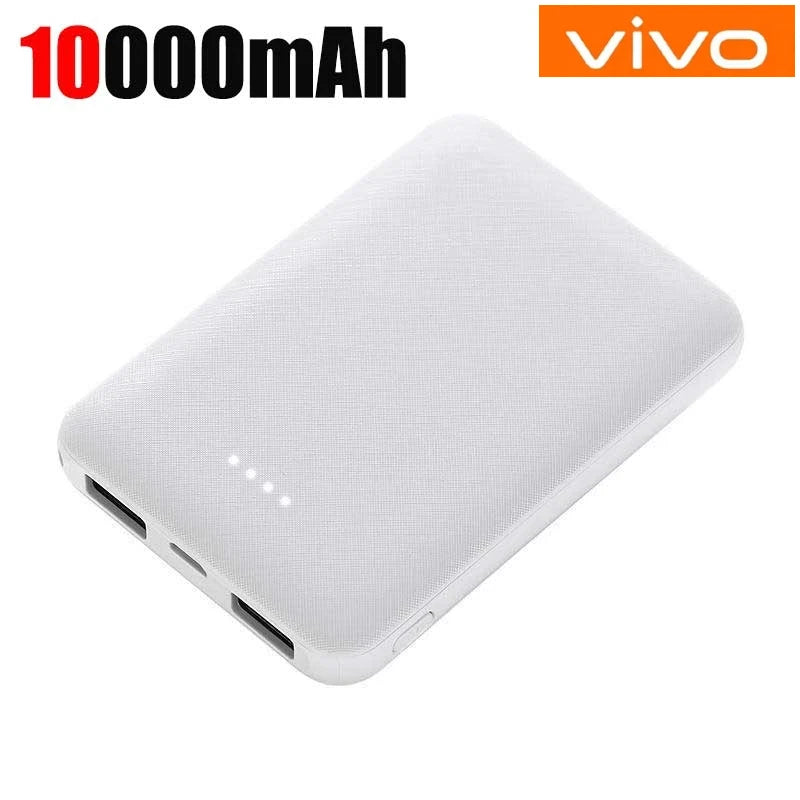
Reliable portable power bank winter use helps keep essential devices powered in freezing conditions.
What Makes the Best Power Bank for Cold Weather?
Choosing the best power bank for cold weather involves more than selecting the highest advertised capacity.
Battery quality
Look for reputable lithium-ion or lithium-polymer cells with transparent specifications and reliable safety certifications.
Output stability
USB Power Delivery (PD) and Quick Charge (QC) support help maintain consistent charging for modern smartphones and tablets.
Durability and weather resistance
Well-built housings provide better protection against moisture, dust, and accidental impacts during outdoor adventures.
Useful winter features
- USB-C PD fast charging
- Reliable battery management system
- Accurate remaining-capacity indicators
- Durable enclosure with quality connectors
The best power bank for cold weather balances battery quality, reliable voltage regulation, and rugged construction—not simply the largest mAh rating.
For wellness-focused accessories that complement winter routines, browse Body Care and Health Devices .
Cold Weather Battery Myths vs Facts
-
Myth:
Cold permanently drains batteries.
Fact: Most capacity loss is temporary and returns after warming. -
Myth:
Charging while frozen is harmless.
Fact: Charging below recommended temperatures presents the greatest risk to lithium-ion batteries. -
Myth:
A bigger battery always performs better in winter.
Fact: Battery quality and voltage stability often matter more than total capacity. -
Myth:
Insulation completely prevents cold-weather performance loss.
Fact: Insulation slows cooling but cannot eliminate the effects of prolonged exposure to freezing temperatures.
Frequently Asked Questions
Can a power bank stop working entirely in cold weather?
Yes. Protection circuitry may temporarily shut the battery down when voltage falls too low. It typically resumes normal operation after warming.
Does cold weather affect power banks permanently?
Short-term exposure usually causes only temporary capacity loss. Permanent damage is more commonly associated with charging a frozen battery or exposing it to repeated extreme temperatures.
Should I charge a frozen power bank?
No. Allow it to warm naturally until it reaches a safe charging temperature before connecting a charger.
How long should I warm a power bank before charging?
Wait until the entire battery has reached room temperature. Depending on its size and how cold it became, this may take anywhere from 30 minutes to a few hours.
What temperature is too cold for lithium-ion batteries?
Most lithium-ion power banks begin losing noticeable performance below 0°C (32°F), while charging should generally not occur below freezing.
Are some power banks designed specifically for winter use?
Some rugged models feature better battery management, durable housings, and stable output that make them more dependable during winter travel, although no lithium-ion battery is immune to the effects of extreme cold.
Get the 20000mAh Power Bank now — reliable energy when cold hits hardest.
Related Guide: Best Power Bank Heated Vest Comparison for Winter Warmth













