

Does post workout leg recovery really work?
Yes. Effective post workout leg recovery helps your body repair muscle tissue, replenish energy stores, and restore normal movement after exercise. Combining evidence-based strategies such as proper nutrition, sleep, active recovery, muscle recovery massage, and leg recovery devices can reduce soreness, improve comfort when your legs feel tired after workout sessions, and help you perform consistently from one workout to the next.
⏱ 7 min read
Leg Recovery After Workout: Complete Step-by-Step Guide for Faster Muscle Recovery
Whether you've finished a heavy leg day, a long run, or an intense HIIT session, how you recover can influence how you feel tomorrow and how well you perform in your next workout. A smart leg recovery after workout routine helps minimize unnecessary soreness, supports muscle adaptation, and keeps you training consistently without relying on a single recovery method.
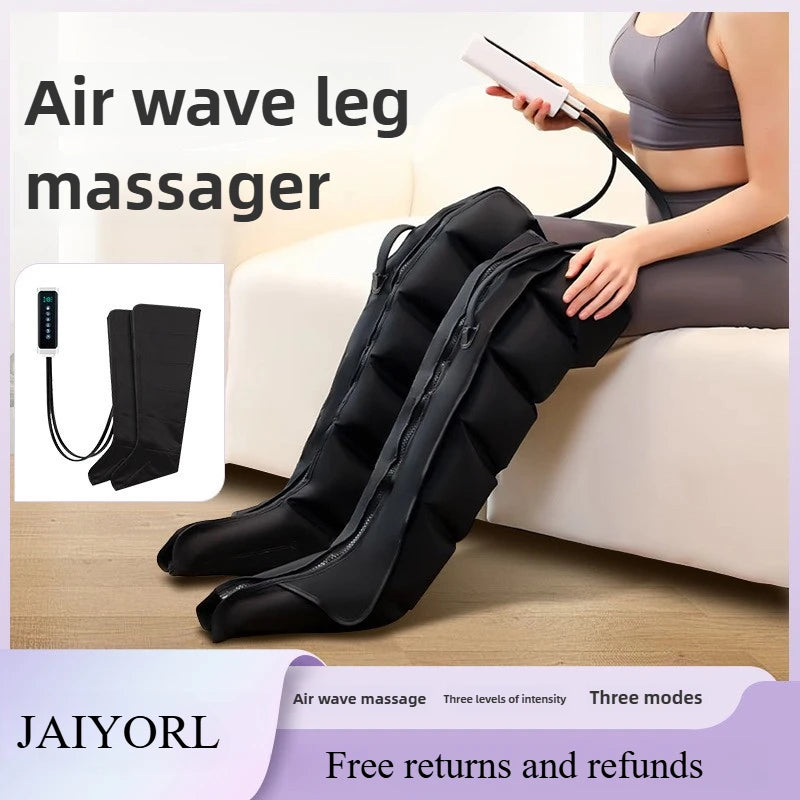
Relieve legs tired after workout with smarter post workout leg recovery. See it in action.
Why Legs Feel Exhausted After Training
What Causes Muscle Fatigue and DOMS
Feeling sore or heavy after exercise is a normal response to training. During challenging workouts, muscle fibers experience microscopic stress while glycogen stores become depleted. Your body also triggers a temporary inflammatory response that supports tissue repair. These combined processes contribute to delayed onset muscle soreness (DOMS), which usually develops 12–24 hours after exercise and often peaks between 24 and 72 hours.
It's important to distinguish normal muscle soreness from injury. DOMS generally affects both sides of the body, improves gradually over several days, and feels like stiffness or tenderness. Sharp pain, significant swelling, joint instability, or an inability to bear weight may indicate an injury that deserves medical evaluation rather than routine recovery.
Signs You Need Better Recovery
If your legs consistently feel heavy, stiff, or unusually fatigued for several days after training, your recovery plan may need improvement. Other common signs include declining workout performance, reduced range of motion, persistent muscle tightness, difficulty completing your usual training sessions, or soreness that returns before you've fully recovered. Improving sleep, nutrition, hydration, and recovery strategies can often help reduce these issues over time.
The Science Behind Faster Recovery
Muscle Repair and Protein Synthesis
Exercise creates a stimulus that encourages muscles to become stronger during recovery—not during the workout itself. Protein synthesis repairs the tiny muscle fibers stressed during training, while adequate dietary protein provides the amino acids required for rebuilding tissue. Pairing protein with carbohydrates after exercise also helps replenish glycogen, giving muscles the fuel needed for future sessions.
Circulation and Lymphatic Drainage
Healthy circulation supports recovery by delivering oxygen and nutrients to working muscles while helping transport metabolic byproducts away from the tissues. Light movement, massage, and compression therapy may promote comfort and temporarily improve blood flow, making them useful additions to a comprehensive recovery routine rather than standalone solutions.
Nervous System Recovery
Hard training challenges not only muscles but also the nervous system that controls movement and coordination. High-quality sleep, stress management, and low-intensity activity allow your nervous system to recover alongside your muscles, helping restore energy levels, improve movement quality, and prepare your body for the next workout.
Post-Workout Leg Recovery Timeline (What to Do & When)
Immediately After Workout (0–30 Minutes)
- Rehydrate with water and electrolytes to replace fluid lost through sweat.
- Perform a short cool-down followed by gentle mobility exercises instead of stopping abruptly.
- Eat a meal or snack containing protein and carbohydrates to begin muscle repair and replenish glycogen.
Within 24 Hours
- Use muscle recovery massage or foam rolling to ease muscle tightness and improve comfort.
- Choose light activity such as walking, easy cycling, or gentle swimming to keep your body moving without adding significant fatigue.
- Continue drinking fluids and eating balanced meals that include lean protein, complex carbohydrates, and nutrient-rich vegetables.
24–72 Hours (Deep Recovery Phase)
- Prioritize 7–9 hours of quality sleep each night to support muscle repair.
- Consider leg recovery devices if soreness remains significant or after particularly demanding training sessions.
- Delay another high-intensity leg workout until soreness and strength have substantially improved.
Best Leg Recovery Methods That Actually Work
Stretching and Mobility Work
Gentle stretching and mobility exercises help restore normal range of motion after training and reduce feelings of stiffness. Focus on the calves, hamstrings, quadriceps, hip flexors, and glutes without forcing painful stretches. Dynamic mobility is often more comfortable immediately after exercise, while longer static stretches are better once muscles have cooled down.
Hydration and Nutrition
Hydration supports normal muscle function and recovery, while dietary protein provides the building blocks needed for muscle repair. Pairing protein with carbohydrates helps replenish glycogen stores, and replacing electrolytes may be beneficial after long or high-sweat workouts.
Sleep and Rest Optimization
Sleep remains one of the most effective recovery strategies available. During deep sleep, your body carries out many of the hormonal and cellular processes involved in muscle repair, making consistent sleep a critical part of any post workout leg recovery plan.
Active Recovery Techniques
Low-intensity movement encourages comfortable movement without placing excessive stress on recovering muscles. Easy walks, relaxed cycling, or light mobility sessions can help reduce stiffness and prepare your legs for future training.
Muscle Recovery Massage: Why It Reduces Soreness
Muscle recovery massage can temporarily decrease muscle tension, improve flexibility, and make sore muscles feel more comfortable after exercise. Although massage does not eliminate muscle damage, it may lessen the perception of soreness and help many athletes return to training feeling less stiff.
Whether performed by a therapist or using self-massage techniques, massage works best when combined with adequate nutrition, hydration, sleep, and appropriately timed exercise rather than replacing these core recovery habits.
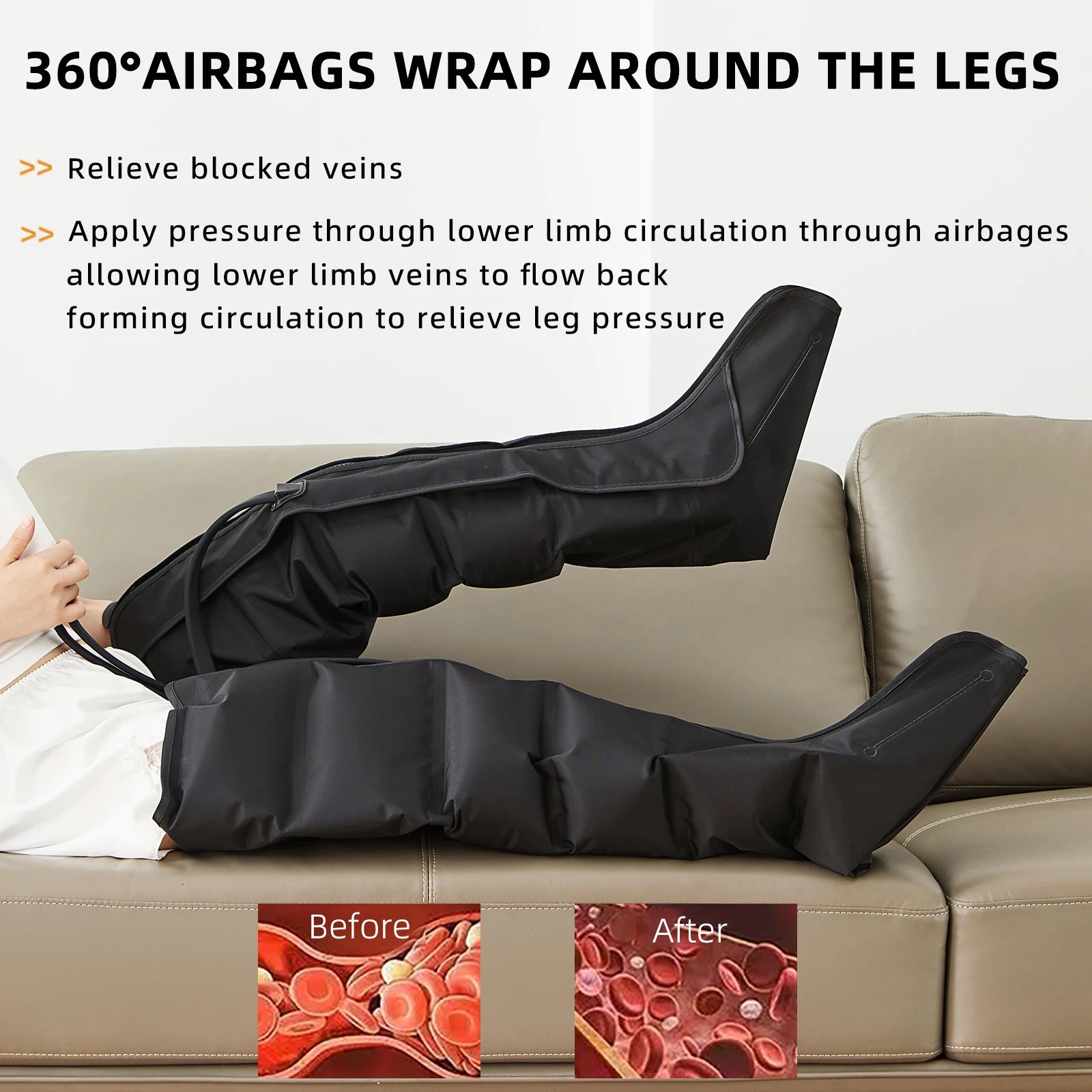
Compression therapy can complement muscle recovery massage as part of a well-rounded recovery routine. See it in action.
Leg Recovery Devices vs Manual Methods
Compression Therapy
Intermittent pneumatic compression devices apply rhythmic air pressure to the legs, which may help reduce the feeling of heaviness after demanding workouts and improve recovery comfort. They are most useful after long runs, strenuous leg training, tournaments, or periods of repeated exercise. Learn more in our compression therapy guide .
Massage Guns and Rollers
Massage guns, foam rollers, and massage sticks provide targeted pressure to tight muscles and fascia. These tools can temporarily reduce muscle stiffness, improve mobility, and make movement feel more comfortable, although they should complement—not replace—sleep, nutrition, and progressive training.
When to Use Devices vs Manual Recovery
Manual recovery techniques are suitable for day-to-day maintenance and mild soreness. Recovery devices become more valuable after higher training volumes, intense competitions, or when your legs remain fatigued despite adequate rest. Choosing the right approach depends on your training load, recovery goals, and personal preference.
For athletes seeking a convenient at-home option, an air compression leg massager can be incorporated into a broader recovery routine alongside hydration, balanced nutrition, mobility work, and sufficient sleep.
How to Recover Legs After Exercise (Step-by-Step Routine)
- After strength training: Cool down with 5–10 minutes of light movement, eat a protein- and carbohydrate-rich meal, perform gentle mobility work, and prioritize sleep before your next lower-body session.
- After running: Rehydrate, stretch the calves, hamstrings, and hip flexors, then consider foam rolling or compression therapy if your legs feel especially fatigued.
- After HIIT or sports: Walk for several minutes to gradually lower your heart rate, replenish fluids and electrolytes, and use massage or recovery tools only after your body has cooled down.
- If soreness persists the following day, choose active recovery such as easy walking, cycling, or swimming instead of another high-intensity workout.
- Resume demanding leg training once normal movement, strength, and comfort have largely returned.
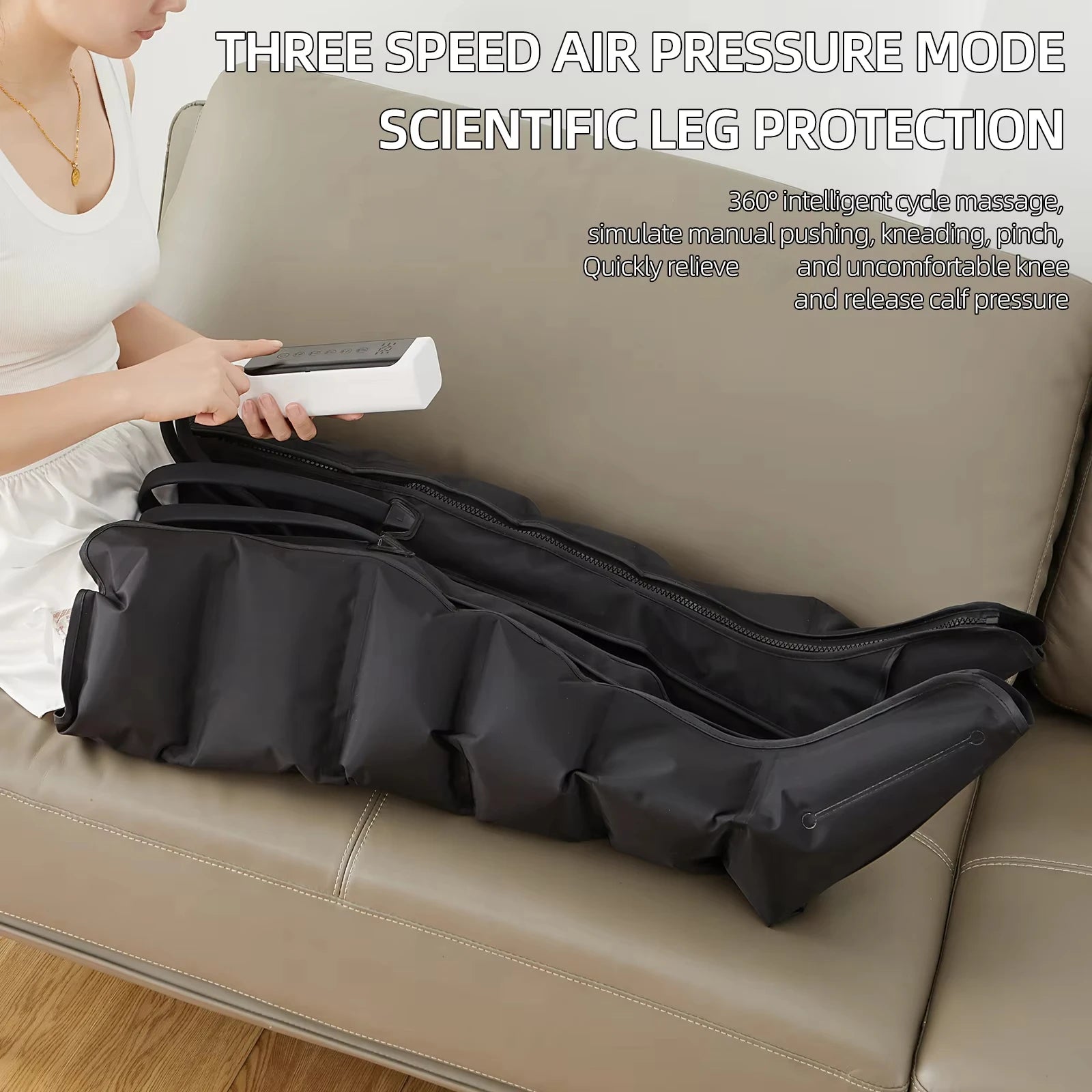
Recovery devices can complement mobility, nutrition, hydration, and rest as part of a balanced post workout leg recovery plan. See it in action.
Who Benefits Most From Leg Recovery Strategies
Runners
Running places repeated impact on the calves, hamstrings, quadriceps, and hips. Consistent leg recovery helps runners manage soreness, maintain training volume, and prepare for upcoming sessions. Prioritizing hydration, mobility work, sleep, and occasional recovery tools can be especially valuable after long-distance or hill workouts.
Strength Trainers
Resistance training creates the muscle stimulus needed for strength and growth, but those adaptations occur during recovery. Strength athletes benefit from adequate protein intake, sufficient rest between demanding leg sessions, and recovery practices that help restore comfort and movement quality without interfering with training progression.
Beginners and Older Adults
People new to exercise and many older adults often experience greater post-workout soreness as their bodies adapt to training. Gradually increasing exercise intensity, allowing adequate recovery time, and focusing on consistent sleep, nutrition, and light movement can help reduce discomfort while supporting long-term fitness.
Common Mistakes That Slow Down Leg Recovery
- Skipping post-workout nutrition: Delaying protein and carbohydrate intake can slow muscle repair and glycogen replenishment.
- Returning to intense training too soon: Exercising hard before soreness and strength have recovered may increase fatigue and reduce performance.
- Ignoring sleep quality: Inadequate sleep limits many of the body's natural recovery processes.
- Relying only on passive recovery: Recovery devices can help, but they work best alongside hydration, balanced nutrition, mobility work, and appropriate training.
Quick Post-Workout Leg Recovery Checklist
- ✓ Cool down with 5–10 minutes of light movement.
- ✓ Rehydrate and replace electrolytes if needed.
- ✓ Eat a meal containing protein and carbohydrates.
- ✓ Perform gentle stretching or mobility exercises.
- ✓ Consider massage or recovery devices after demanding workouts.
- ✓ Stay lightly active over the next 24 hours.
- ✓ Aim for 7–9 hours of quality sleep.
- ✓ Resume intense leg training only when soreness and normal movement have largely returned.
Post Workout Leg Recovery FAQs
What helps sore legs recover faster?
The most effective approach combines adequate sleep, hydration, protein and carbohydrate intake, gentle mobility, and active recovery. Massage, foam rolling, and compression therapy may also improve comfort when used alongside these fundamentals.
How long does leg recovery take?
For most healthy adults, typical muscle soreness improves within 24 to 72 hours. Recovery may take longer after unusually intense exercise, endurance events, or if you are new to training.
Can I exercise with sore legs?
Mild soreness usually allows for light activity such as walking, cycling, or mobility work. If pain is sharp, severe, or affects normal movement, postpone intense exercise until symptoms improve.
Do compression boots speed recovery?
Compression boots may reduce feelings of muscle soreness and heaviness after demanding workouts, although they should be viewed as one component of a complete recovery plan rather than a substitute for sleep, nutrition, and progressive training.
Is heat or ice better after leg workouts?
Ice may be helpful immediately after an acute strain or injury to manage pain and swelling, while heat is generally more useful later for easing muscle tightness and improving comfort. Routine post-workout soreness often responds well to light movement and active recovery without requiring either.
How often should I use recovery devices?
Recovery devices can be used after particularly demanding workouts or as part of a regular recovery routine if they improve comfort. Frequency depends on your training volume, recovery needs, and the manufacturer's instructions.
Related Guide: Compression Therapy for Legs Explained Benefits and Results













