

Does a neck brace for posture really work?
A neck brace for posture can help improve alignment by supporting the cervical spine and reducing forward head position—especially during long hours of sitting or screen use. However, it works best as a training tool rather than a permanent fix.
Can a neck brace help with posture correction long term?
Yes, but only when used correctly. A posture neck brace helps retrain muscle memory by guiding your head and neck into a neutral position. Over time, this can reduce slouching habits—but lasting results require combining support with strengthening exercises.
What posture braces can and cannot fix
- Can help: forward head posture, mild alignment issues, muscle fatigue
- Cannot fix: structural spinal problems or severe postural imbalances
- Best use: short daily sessions to reinforce proper positioning
⏱ 6 min read
Best Neck Brace for Posture: Top Picks for Real Alignment Support (2026)
Looking for the best neck brace for posture correction? The right support can reduce strain, improve alignment, and train better posture habits—but only if you choose the right type. In this guide, we compare top-rated neck braces, explain how they work, and help you decide which option fits your daily routine, whether you're working at a desk, traveling, or dealing with chronic neck tension.
Long hours at a desk don’t just leave you tired—they gradually reshape how your neck and shoulders carry stress. Slouching forward, craning toward screens, and holding tension for hours can lead to stiffness that lingers long after work ends. A neck brace for posture can help—but only if its design supports your body instead of forcing it.
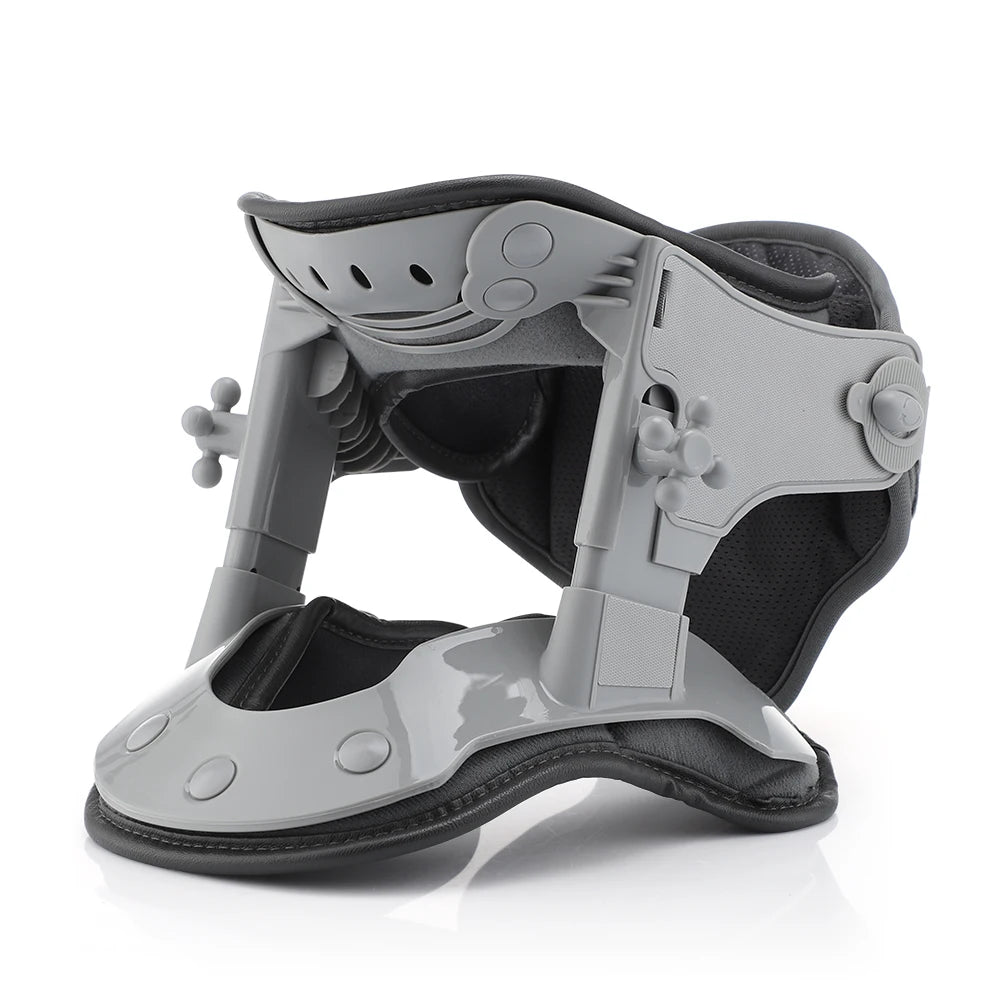
posture brace neck support for better posture at work desk See it in action
Why Neck Strain Builds Up During Office Work
Most office workers don’t notice strain building until it becomes constant. Forward head posture increases load on the cervical spine, while rounded shoulders tighten upper back muscles. Over time, this leads to upper back and neck tension that simple stretching can’t fully undo.
Posture tips for office workers often rely on reminders—but habits slip. A neck brace for posture works as a passive support tool that reinforces alignment during real work conditions.
Best neck brace for posture (Top Picks Compared)
Best overall neck brace for posture correction
Designed for balanced cervical support and comfort, this type offers structured alignment without restricting movement. Ideal for daily use and gradual posture correction.
- Ergonomic curve support
- Adjustable tension straps
- Suitable for desk work and home use
Best posture brace for neck and upper back support
Combines neck stabilization with upper back alignment, helping correct rounded shoulders and forward head posture together.
- Dual support system (neck + shoulders)
- Improves full upper-body posture
- Best for prolonged sitting
Best lightweight neck support for office use
Minimalist and breathable, these braces are designed for discreet wear during work hours.
- Lightweight fabric
- Low visibility under clothing
- Comfortable for short daily sessions
Best neck brace for travel and daily wear
Flexible support options that reduce strain during commuting or long sitting periods.
- Portable and compact
- Quick adjustment fit
- Multi-use design
Best budget neck brace for posture
Affordable options that still provide basic posture correction support.
- Simple structure
- Easy to use
- Good for beginners testing posture support
How we tested and selected these neck braces
We evaluated neck braces based on real-world usability and posture correction effectiveness, focusing on:
- Support accuracy: how well the brace maintains natural cervical alignment
- Comfort: breathability, pressure distribution, and wearability
- Adjustability: ability to fit different body types
- Daily usability: suitability for work, travel, and home use
- Value: balance between price and performance
This ensures recommendations are practical—not just feature-based.
Key features that actually improve posture (buyer’s guide)
Cervical support that matches natural spine curve
The most effective neck braces follow the natural C-shaped curve of the cervical spine, reducing strain without forcing rigid positioning.
Adjustable tension without overcorrection
Over-tight braces can cause discomfort and muscle dependency. Look for adjustable systems that gently guide posture instead of forcing it.
Breathable materials for long wear
Lightweight, ventilated fabrics prevent overheating and make it easier to use consistently throughout the day.
Fit, sizing, and ergonomics
A proper fit ensures even pressure distribution and better posture support. Poor fit reduces effectiveness and can cause discomfort.
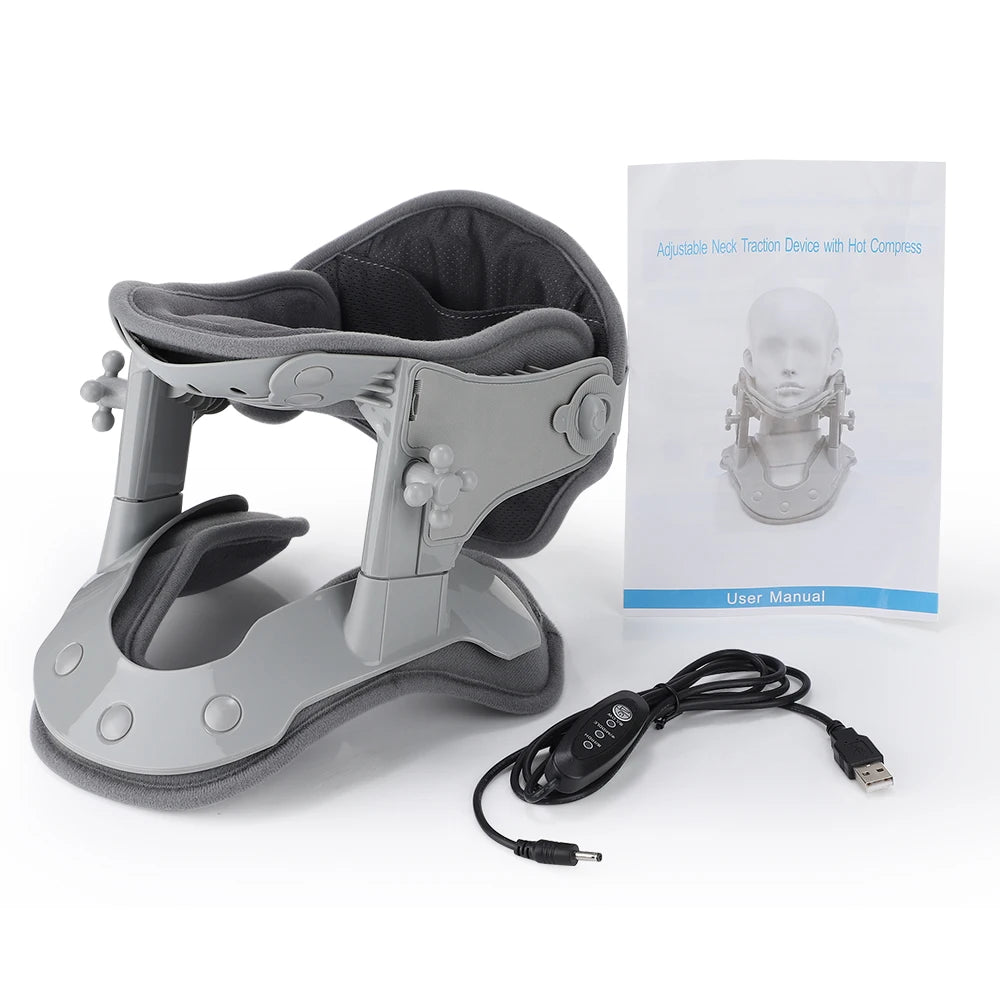
lightweight posture brace neck for office worker posture See it in action
How to use a neck brace for posture (without weakening muscles)
Recommended daily wear time
Start with 15–30 minutes per session, 1–2 times per day. Gradually increase usage as your body adapts, but avoid wearing it all day.
Combining braces with posture exercises
For lasting results, pair your neck brace with strengthening exercises like chin tucks and upper back activation. This prevents muscle dependency and improves long-term posture.
Think of a neck brace as a training tool—not a permanent support device.
For added wellness support, explore complementary tools from Body Care and Health Devices or relaxation-focused options in Lifestyle .
Neck brace vs posture corrector vs ergonomic fixes
Each posture solution works differently depending on your needs:
- Neck brace: targets cervical alignment and reduces forward head posture
- Posture corrector: supports shoulders and upper back positioning
- Ergonomic setup: addresses root causes like desk height and screen position
For best results, combine all three rather than relying on a single solution.
Posture Brace Neck vs Common Alternatives
| Option | Support Level | Daily Comfort |
|---|---|---|
| Posture brace neck | Targeted, adjustable | High |
| Rigid collar | Restrictive | Low |
| Reminders only | None | High |
Who should (and shouldn’t) use a neck brace for posture
Best for:
- Office workers with forward head posture
- People experiencing mild neck strain
- Users building better posture habits
Not ideal for:
- Severe spinal conditions without medical guidance
- Continuous all-day use without breaks
- Users expecting instant permanent correction
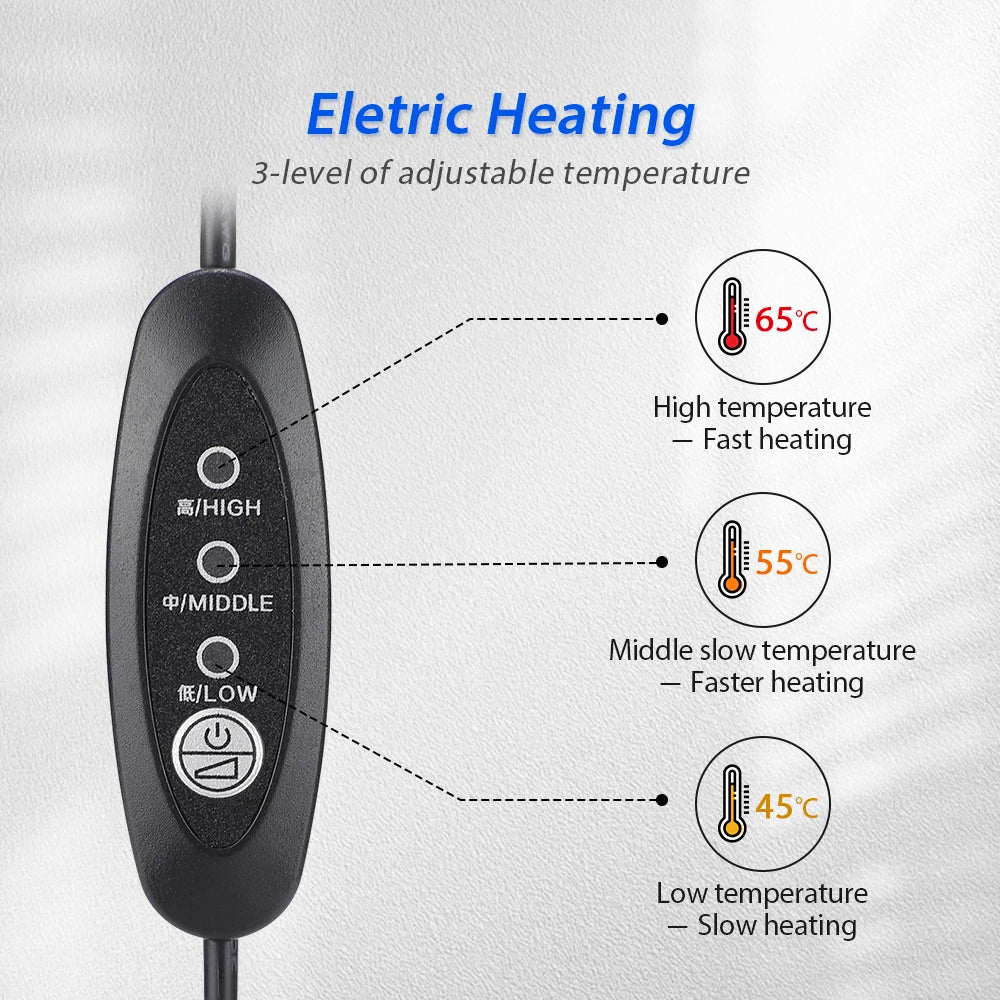
posture brace neck relief for upper back and neck tension See it in action
Real benefits of posture neck braces (backed by ergonomics)
- Reduces forward head posture during screen use
- Decreases muscle fatigue in the neck and shoulders
- Improves awareness of posture habits
- Supports short-term alignment correction
These benefits are most noticeable when braces are used consistently alongside posture improvements and ergonomic adjustments.
Frequently Asked Questions
Can I wear a posture brace neck all day?
It’s best worn in intervals. Short, consistent sessions support posture correction without over-reliance.
Does it work without exercises?
Yes, but combining it with simple movement improves long-term results.
Is it noticeable under clothing?
Most modern designs are low-profile and discreet, suitable for work environments.
How long does it take to see posture improvement?
Many users notice reduced stiffness within a few days, while visible posture improvements typically take 2–4 weeks of consistent use and exercise.
Is neck support safe for daily use?
Yes, when used in moderation. Avoid excessive wear and combine with movement to prevent muscle dependency.
Related Guide: Benefits of Cervical Traction for Lasting Neck Relief
UPGRADE PLAN { "outline": [ { "action": "MODIFY", "h2": "Can a neck brace help with posture?", "h3": [ "Does a neck brace improve posture or just support it?", "Can a neck brace help with posture long term?", "What a neck brace can and cannot fix" ], "focus": [ "Direct evidence-based answer", "Temporary support vs lasting improvement", "Biomechanics of posture", "Expectation setting" ], "keywords": [ "can a neck brace help with posture", "does a neck brace improve posture", "neck brace posture correction" ] }, { "action": "ADD", "h2": "How posture and neck alignment work", "h3": [ "Why forward head posture develops", "How cervical support changes alignment" ], "focus": [ "Basic anatomy", "Biomechanics", "Muscle activation", "Spinal alignment" ], "keywords": [ "neck support for posture correction", "posture neck brace benefits" ] }, { "action": "REMOVE", "h2": "Why Neck Strain Builds Up During Office Work", "h3": [], "focus": [], "keywords": [] }, { "action": "REMOVE", "h2": "Best neck brace for posture (Top Picks Compared)", "h3": [], "focus": [], "keywords": [] }, { "action": "REMOVE", "h2": "How we tested and selected these neck braces", "h3": [], "focus": [], "keywords": [] }, { "action": "MODIFY", "h2": "Potential benefits and limitations of a neck brace for posture", "h3": [ "Short-term posture awareness", "Pain and fatigue reduction", "Why braces should not replace exercise" ], "focus": [ "Evidence-based benefits", "Limitations", "Clinical perspective", "Balanced recommendations" ], "keywords": [ "posture neck brace benefits", "neck brace for posture" ] }, { "action": "MODIFY", "h2": "How to use a neck brace for posture safely", "h3": [ "Recommended wear time", "Signs you're wearing it too much", "Combining braces with posture exercises" ], "focus": [ "Safe usage", "Avoiding dependence", "Exercise integration", "Daily routine" ], "keywords": [ "how to use neck brace for posture", "neck brace for posture" ] }, { "action": "ADD", "h2": "Risks of wearing a neck brace too long", "h3": [ "Muscle weakening", "Skin irritation and poor fit", "When to stop using a brace" ], "focus": [ "Overuse risks", "Contraindications", "Warning signs", "Evidence-based precautions" ], "keywords": [ "neck brace posture correction", "neck support for posture correction" ] }, { "action": "MODIFY", "h2": "Neck brace vs posture exercises vs physical therapy vs ergonomic changes", "h3": [], "focus": [ "Comparison", "Best long-term approach", "Complementary strategies", "When each option helps" ], "keywords": [ "does a neck brace improve posture", "posture brace for neck and upper back" ] }, { "action": "MODIFY", "h2": "Who should and shouldn't use a neck brace", "h3": [ "People who may benefit", "When medical evaluation is recommended" ], "focus": [ "Appropriate candidates", "Contraindications", "Red flags", "Professional guidance" ], "keywords": [ "neck brace for posture", "neck support for posture correction" ] }, { "action": "ADD", "h2": "When to see a healthcare professional", "h3": [], "focus": [ "Persistent symptoms", "Neurological signs", "Injury", "Individual assessment" ], "keywords": [ "can a neck brace help with posture" ] }, { "action": "MODIFY", "h2": "Frequently Asked Questions", "h3": [ "Can a neck brace help with posture?", "Does a neck brace improve posture permanently?", "How many hours a day should I wear a posture neck brace?", "Can a neck brace weaken neck muscles?", "Should I sleep in a neck brace for posture?" ], "focus": [ "Common concerns", "Safe use", "Long-term expectations", "Clinical guidance" ], "keywords": [ "can a neck brace help with posture", "does a neck brace improve posture", "how to use neck brace for posture" ] } ], "internal_links": [ "Forward head posture exercises", "Neck pain stretches", "Office ergonomics guide", "Upper back posture correction", "When to use heat vs cold for neck pain", "Cervical pillow guide" ], "faq": [ "Can a neck brace help with posture?", "Does a neck brace improve posture permanently?", "Can wearing a neck brace weaken neck muscles?", "How long should you wear a neck brace for posture?", "Who should not use a posture neck brace?", "Is a posture brace better than physical therapy?" ], "trim": [ "Best neck brace for posture (Top Picks Compared)", "How we tested and selected these neck braces", "Posture Brace Neck vs Common Alternatives", "Key features that actually improve posture (buyer's guide)" ] } RULES - Apply every instruction in the Upgrade Plan. - Keep all existing affiliate links unchanged. - Keep all existing internal links unchanged. - Keep all existing image URLs unchanged. - Preserve sections such as Related Articles, Related Posts and Recommended Reading. - Avoid duplicate headings. - Insert new sections only where specified. - Improve clarity, topical coverage, EEAT and readability. - Expand weak sections only when required. - Use natural keyword placement. - Keep semantic HTML clean. YEAR UPDATE If visible article text contains "2005", replace it with "2026". Do not modify years inside: - URLs - href attributes - image filenames OUTPUT REQUIREMENTS Return ONLY the final upgraded HTML article. The output must be valid HTML and ready to publish. Do NOT return: - Markdown - Explanations - Notes - Code fences - JSON - XML Return the HTML beginning with the first HTML element and ending with the last HTML element.












