

Does a Power Bank for Heated Gloves Really Last Longer?
A power bank for heated gloves can last longer than a small dedicated battery pack when it offers enough usable capacity, stable output, and the correct voltage for the gloves. A 20,000mAh power bank may provide several hours of additional warmth for compatible 5V USB heated gloves, while a dedicated heated gloves battery pack is often better for gloves designed around 7.4V or another proprietary system. Real-world runtime depends on heat setting, temperature, battery efficiency, and how much power the gloves draw.
USB Power Banks vs Dedicated Heated Gloves Battery Pack
USB power banks are generally the most flexible option for compatible 5V heated gloves. They are widely available, can often charge other devices, and come in capacities ranging from compact models for short commutes to high-capacity options for extended outdoor use.
A dedicated heated gloves battery pack is usually the better choice when the gloves require 7.4V, a proprietary connector, or a specific battery-management system. Using a standard USB power bank with a higher-voltage glove system can result in weak heating, shutdowns, or incompatibility.
When a Larger Battery Improves Runtime
A larger battery can improve runtime when the gloves are compatible with its output and you are willing to carry the extra weight. Moving from a 10,000mAh to a 20,000mAh power bank can provide substantially more usable energy, although actual runtime is always lower than the theoretical capacity printed on the label.
Factors That Reduce Real-World Battery Life
Heated gloves not lasting long is often caused by a combination of high heat settings, cold temperatures, wind exposure, battery age, and conversion losses between the battery and heating elements. For example, a power bank used continuously at maximum heat in freezing weather will typically run for less time than the same battery used on low or medium heat during a mild winter commute.
Best Power Bank for Heated Gloves (2026 Comparison & Runtime Guide)
Cold hands ruin winter days fast. If your battery powered heated gloves die early, the problem may be the power source rather than the gloves themselves. This guide explains voltage compatibility, compares realistic runtimes, and shows what to look for in the best power bank for heated gloves for commuting, skiing, hiking, motorcycling, hunting, and other cold-weather activities.
⏱ 7 min read
Ever noticed how heated gloves not working happens at the worst time—on a ski lift, during a commute, or halfway through a winter hike? Battery issues in cold weather can reduce available power, while using the wrong voltage or connector can prevent the gloves from heating properly. The right external battery for heated gloves can improve runtime, but only when it is correctly matched to the glove system.
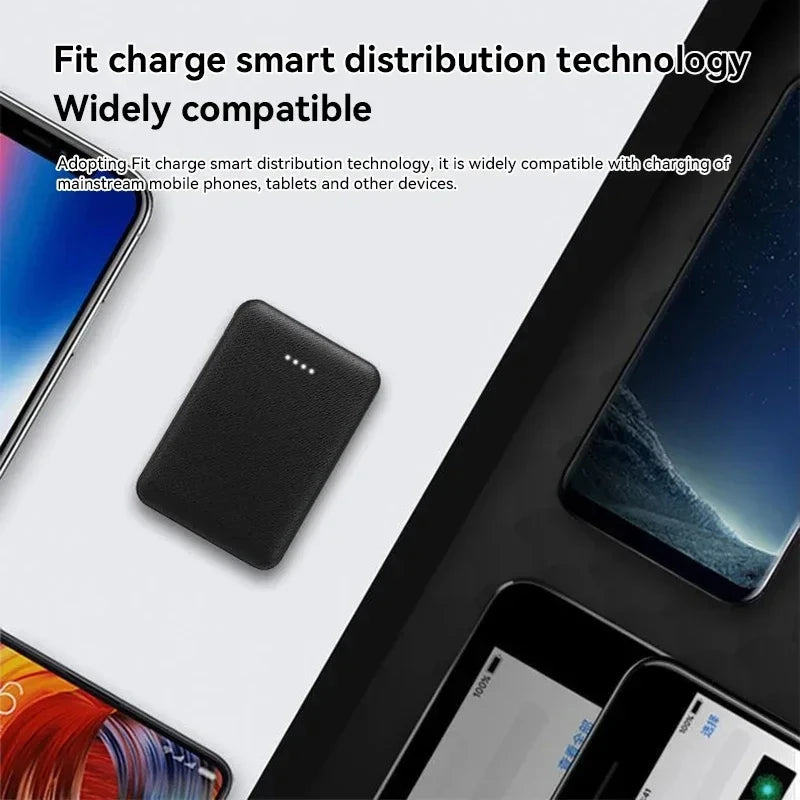
Power bank for heated gloves comparison in real winter use — See it in action
Heated Gloves Battery Basics: Voltage, Wattage & Compatibility
5V vs 7.4V vs 12V Heated Gloves Explained
Not all heated gloves use the same power system. Voltage compatibility is the first thing to check before buying a portable charger for heated gloves.
- 5V gloves: Commonly USB-powered and compatible with suitable 5V power banks.
- 7.4V gloves: Typically use dedicated lithium battery packs designed for the glove system.
- 12V gloves: Often designed for motorcycle, vehicle, or specialized power systems rather than a standard USB power bank.
How to Check Your Gloves’ Power Requirements
Check the label, owner's manual, battery compartment, charging cable, or power adapter. USB-A and USB-C systems commonly indicate a 5V input, while barrel plugs and proprietary connectors may indicate a dedicated battery system or a different voltage requirement.
Look for the input voltage, current rating, wattage, and connector type rather than choosing a battery based on mAh alone. If the manufacturer's instructions specify a particular battery or adapter, follow those requirements.
Why Using the Wrong Power Bank Causes Poor Heating
A power bank must provide the correct voltage and sufficient current for the gloves. A 5V/2A power bank is a common baseline for many USB heated gloves, but the exact requirement depends on the product. If the output is insufficient, the gloves may produce weak heat, cycle on and off, or shut down.
Never assume that a USB connector alone guarantees compatibility. Check the glove manufacturer's specifications before connecting an external battery for heated gloves.
Why Heated Gloves Stop Working in Cold Weather
Cold Weather Battery Performance
Battery-powered heated gloves can appear to fail early when temperatures drop because rechargeable lithium batteries generally deliver less available energy in cold conditions. The effect varies with battery chemistry, temperature, discharge rate, battery age, and the design of the battery pack.
How Lithium Batteries Behave Below Freezing
Cold temperatures slow the chemical reactions inside lithium batteries. This can temporarily reduce available capacity and increase voltage sag under load. When the voltage drops below a device's operating threshold, a battery-management system may reduce output or shut the system down even though the battery is not completely empty.
This is one reason heated gloves battery dies too fast complaints are common during skiing, snowmobiling, winter work, and other activities where the battery remains exposed to cold air for long periods.
Tips to Extend Runtime in Winter
- Keep the battery in an insulated pocket when the manufacturer's instructions allow it.
- Start with a lower or medium heat setting instead of using maximum heat continuously.
- Minimize unnecessary cable movement that can loosen the connection.
- Charge the battery according to the manufacturer's instructions and avoid using damaged batteries or cables.
- Use a battery with enough capacity for the activity instead of relying on a small pack at maximum output.
What Makes the Best Power Bank for Heated Gloves?
Capacity (mAh vs Wh)
mAh describes the charge capacity at a particular battery voltage, while watt-hours (Wh) are more useful for comparing total energy. A rough conversion for a typical 3.7V lithium power bank is:
Wh ≈ mAh × 3.7 ÷ 1,000
For example, a 20,000mAh power bank may contain roughly 74Wh of nominal battery energy before conversion losses. The energy actually delivered to the gloves will be lower because of voltage conversion, heat, electronics, and other efficiency losses.
Output Stability in Freezing Conditions
A high-capacity power bank is not automatically a good heated gloves battery pack. Stable output matters because heated gloves can draw continuous power for long periods. Choose a reputable model with an output rating that meets or exceeds the glove manufacturer's requirements.
Cable Types & Connector Compatibility
Check whether the gloves use USB-A, USB-C, a barrel connector, or a proprietary cable. A loose, damaged, or poorly matched cable can cause intermittent heating and make the battery appear to drain faster.
Charging Speed & Safety Features
Useful features include overcharge protection, short-circuit protection, temperature monitoring, and reliable charging controls. Fast charging can reduce recharge time between outings, but it does not automatically increase the runtime of the gloves. The battery must still be compatible with the glove system and rated for the required output.
Runtime Calculator: How Long Will Your Heated Gloves Last?
Runtime Formula Based on Wattage
A practical estimate is:
Runtime (hours) ≈ Usable battery energy (Wh) ÷ Glove power draw (W)
For example, a 10,000mAh power bank may contain approximately 37Wh of nominal energy at 3.7V. If a compatible pair of heated gloves draws 10W continuously, the theoretical runtime is about 3.7 hours before accounting for conversion and other losses. Real-world runtime will usually be lower.
Estimated Heating Time by Battery Size
- 5,000mAh: Approximately 1.5–2.5 hours for many compatible USB heating systems.
- 10,000mAh: Approximately 3–5 hours.
- 20,000mAh: Approximately 6–10 hours.
- 30,000mAh: Approximately 10–15+ hours, depending heavily on power draw and system efficiency.
These are broad estimates rather than guarantees. A pair of gloves with a higher wattage heating system will use energy faster than a lower-power system.
Low vs Medium vs High Heat Runtime
Heat settings can have a major effect on runtime. Low heat generally provides the longest battery life, medium heat offers a balance between warmth and duration, and high heat consumes power fastest. Some heated gloves also cycle the heating elements rather than drawing maximum power continuously, so the actual runtime can vary even at the same nominal setting.
Realistic vs Advertised Battery Life
Advertised runtime is often based on specific test conditions and may use a lower heat setting. Cold temperatures, wind exposure, battery age, conversion losses, and continuous high heat can reduce actual runtime. For planning purposes, it is safer to leave a margin rather than assume the maximum advertised figure.
Best Power Banks for Heated Gloves (Tested & Compared)
Quick Comparison Table
| Battery Size | Typical Strength | Estimated Runtime Range | Best For |
|---|---|---|---|
| 5,000mAh | Small and lightweight | 1.5–2.5 hours | Short trips and emergency backup |
| 10,000mAh | Good portability | 3–5 hours | Daily commuting and shorter outings |
| 20,000mAh | Balanced capacity and runtime | 6–10 hours | Long outdoor activities and all-day use |
| 30,000mAh | Maximum capacity | 10–15+ hours | Extended outdoor work and multi-day use |
Best Overall
A 20,000mAh high-output power bank is the best all-around choice for many compatible 5V heated gloves. It offers a practical balance between runtime and portability and can provide enough energy for a long day when the gloves are not operated continuously at maximum heat.
Best Budget
A 10,000mAh power bank is a sensible choice for short commutes, occasional winter walks, and users who prioritize a lower carrying weight. It generally offers enough capacity for several hours of use with compatible USB heated gloves.
Best High Capacity
A 30,000mAh power bank is designed for users who prioritize maximum runtime over weight and size. It can be useful for extended outdoor work or activities where recharging is difficult, provided the battery is compatible with the gloves and meets applicable travel requirements.
Best Lightweight
A 5,000–10,000mAh model is easier to carry in a jacket pocket or small bag. This is the best choice when your activity is short and minimizing bulk matters more than achieving all-day runtime.
Best for USB Heated Gloves
For compatible 5V USB heated gloves, look for a reputable power bank with adequate continuous output, a suitable connector, and enough capacity for the expected activity. A 20,000mAh power bank is often a strong middle-ground option for users who need extended warmth without choosing the largest available battery.
Many users pair their gloves with the 20,000mAh power bank for maximum reliability.
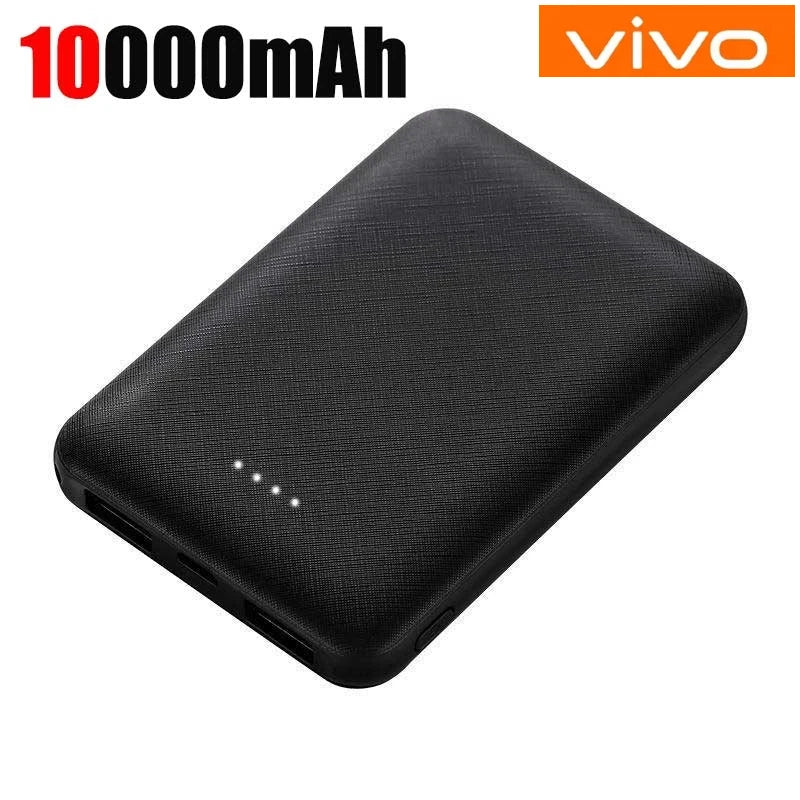
Extended runtime with a high-capacity power bank for heated gloves ❄️ Stay warm longer
Real-World Testing Methodology
Testing Conditions
Real-world performance should be evaluated under the conditions in which heated gloves are actually used: cold temperatures, changing heat settings, outdoor exposure, and the movement associated with activities such as commuting or skiing. Results can vary substantially between a controlled indoor test and a windy winter environment.
Performance Metrics
The most useful comparisons include usable runtime, output stability, charging time, battery size and weight, connector reliability, and performance at different heat settings. A battery that lasts longer but is too heavy for the intended activity may not be the best practical choice.
How Rankings Were Determined
Power bank recommendations should prioritize compatibility first, followed by usable capacity, output stability, portability, and safety features. Runtime estimates are treated as ranges rather than guaranteed results because the actual performance of a heated gloves battery pack depends on the glove's power draw and environmental conditions.
Best Power Bank by Activity
Skiing
Skiers typically benefit from a 20,000mAh high-capacity power bank or a compatible dedicated battery pack. Long periods outdoors and cold temperatures make additional capacity useful, while a compact design helps reduce bulk inside ski clothing.
Hiking
For hiking, the best battery pack for winter heated gloves depends on distance and access to recharging. A 10,000mAh pack may be enough for a shorter day hike, while a 20,000mAh option provides more reserve for longer routes and colder conditions.
Motorcycling
Wind exposure can make hands feel colder and may increase the need for sustained heating. Prioritize secure cable connections, sufficient output, and a battery that can be carried safely without interfering with riding equipment. Some motorcycle-specific heated gloves use systems that are not compatible with ordinary USB power banks.
Hunting
Hunters may spend long periods stationary in cold conditions, making runtime a priority. A high capacity power bank for heated gloves can be useful for compatible systems, although weight, noise from handling equipment, and the ability to protect the battery from extreme cold should also be considered.
Daily Commuting
A 10,000mAh slim power bank is often sufficient for shorter commutes and is easier to carry every day. If your commute is long or you cannot recharge during the day, stepping up to 20,000mAh provides a larger runtime reserve.
For users exploring winter gear, the Lifestyle collection offers complementary solutions.
How to Choose the Right Power Bank for Heated Gloves
Matching Power Bank to Your Glove Type
Start with the gloves, not the battery. USB heated gloves commonly require 5V output, while 7.4V and other systems may require a dedicated battery. Confirm voltage, current, wattage, connector type, and the manufacturer's compatibility guidance before purchasing a portable charger for heated gloves.
Capacity vs Weight
More capacity generally means more runtime, but it also usually means a larger and heavier battery. Choose the smallest capacity that comfortably covers your activity, plus a reasonable reserve for cold-weather performance.
Fast Charging & Output
Fast charging is useful when you need to recharge between outings. For operation, however, continuous output compatibility is more important than maximum charging speed. The power bank must provide the required output consistently while the gloves are running.
Airline Travel & Safety Limits
Airline rules for spare lithium batteries and power banks can vary by airline and jurisdiction. Many airlines commonly permit power banks below 100Wh in carry-on baggage, but passengers should check the current rules of the specific airline before traveling. Spare lithium batteries are generally carried in the cabin rather than checked baggage.
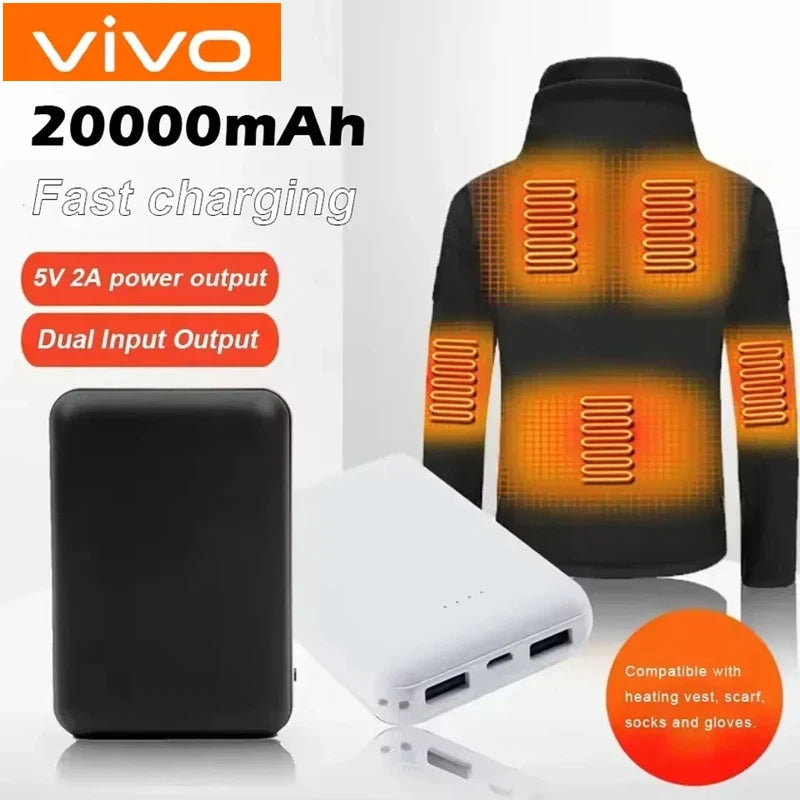
Reliable power bank for heated gloves in extreme cold — See real performance
Common Problems: Heated Gloves Not Lasting Long
Battery Drain Causes
- Maximum heat use: The highest setting consumes power faster.
- Cold temperatures: Low temperatures can reduce the battery's available performance.
- Insufficient capacity: A small battery may simply be undersized for a long outdoor activity.
- Battery age: Rechargeable batteries gradually lose capacity over time.
- Damaged cables or connections: Intermittent connections can interrupt heating and reduce reliable performance.
Charging Mistakes
Using an incompatible charger, damaged cable, or unsuitable charging accessory can lead to slow charging or charging problems. Follow the battery and glove manufacturer's charging instructions and avoid using visibly damaged batteries, cables, or connectors.
Power Compatibility Issues
If the gloves heat weakly, turn off unexpectedly, or fail to heat after connecting a new power bank, check the voltage, current, wattage, connector, and cable. A higher mAh rating cannot compensate for an incompatible voltage or inadequate output.
Fixes That Actually Work
- Use a compatible battery with sufficient capacity and output.
- Keep the battery protected from unnecessary exposure to extreme cold when permitted by the manufacturer's instructions.
- Use medium heat when maximum warmth is not necessary.
- Inspect cables and connectors for looseness or damage.
- Replace an aging battery that no longer holds its previous charge.
Frequently Asked Questions
Can I use any USB power bank with heated gloves?
No. USB heated gloves still require the correct voltage, current, wattage, connector, and cable. Confirm the manufacturer's requirements before connecting a standard power bank.
What output does a 5V heated glove require?
Many 5V heated gloves use a 5V power source and may require around 2A or more, but the exact requirement varies by design. Check the product specifications rather than assuming every USB glove has the same power demand.
How many hours will a 20,000mAh power bank run heated gloves?
A compatible 20,000mAh power bank may provide roughly 6–10 hours for some heated glove systems, but the actual runtime depends on wattage, heat setting, conversion efficiency, temperature, and battery condition.
Are dedicated heated glove battery packs better than standard power banks?
They can be better when the gloves are designed for a specific voltage or proprietary battery system. A standard power bank can be more flexible for compatible 5V USB gloves, while a dedicated pack may provide better system compatibility for higher-voltage gloves.
Do power banks lose capacity in freezing temperatures?
Cold temperatures can temporarily reduce the amount of energy a rechargeable lithium battery can deliver and may cause greater voltage drop under load. Keeping the battery from unnecessary exposure to extreme cold can help, provided this is consistent with the manufacturer's instructions.
Is a higher-capacity power bank worth the extra weight?
It depends on the activity. A larger battery is worthwhile for long outdoor trips, extended work, or situations where recharging is difficult. For a short commute, a lighter 5,000–10,000mAh option may be more practical.
Can I carry heated glove batteries on an airplane?
Many spare lithium batteries and power banks are required to travel in carry-on baggage, and capacity limits may apply. Rules vary, so check the current requirements of your airline before flying.
How can I make heated glove batteries last longer?
Use the lowest heat setting that provides sufficient warmth, choose a battery with adequate capacity, protect it from unnecessary cold exposure, keep connections secure, and replace an aging battery that has significantly lost capacity.
Explore more in the Body Care and Health Devices collection.
Related Guide: Best Power Bank Heated Vest Comparison for Winter Warmth













