

Does a Hand Rehabilitation Robot Glove Really Improve Recovery vs Passive Therapy?
Yes—when used appropriately, a hand rehabilitation robot glove can improve the consistency and intensity of rehabilitation compared with manual passive movement therapy alone. A powered physiotherapy glove delivers controlled, repetitive finger movements that help stimulate muscles, reinforce motor relearning, and support physical therapy passive range of motion exercises at home. While it does not replace professional rehabilitation, it can improve adherence, provide measurable training sessions, and complement stroke recovery therapy.
Hand Rehabilitation Robot Glove: Powered vs Passive Systems + Best Devices Compared
Choosing the right hand rehabilitation robot glove can play an important role in restoring hand function, improving independence, and supporting long-term recovery after stroke, nerve injury, or neurological conditions. Today's devices range from basic passive hand exercise devices to advanced robotic hand therapy gloves that provide intelligent movement assistance, adjustable therapy programs, and progress tracking.
In this guide, you'll learn how powered physiotherapy gloves compare with conventional passive therapy, how robotic hand therapy technology works, and what features matter most when choosing hand physiotherapy equipment for home rehabilitation. Whether you're researching stroke hand recovery devices for yourself or a loved one, you'll gain practical, evidence-based guidance before making a purchase.
Recovering hand movement rarely happens overnight. Traditional passive hand exercises remain an essential part of rehabilitation, but maintaining enough repetitions between therapy appointments can be difficult. A powered physiotherapy glove helps bridge that gap by delivering guided, repeatable movement sessions that encourage consistent practice while reducing caregiver workload.
⏱ 8 min read
Can powered rehabilitation provide better nerve retraining than manual passive exercises? The answer depends on your recovery stage, medical condition, and therapy goals. This guide explains where each approach performs best.
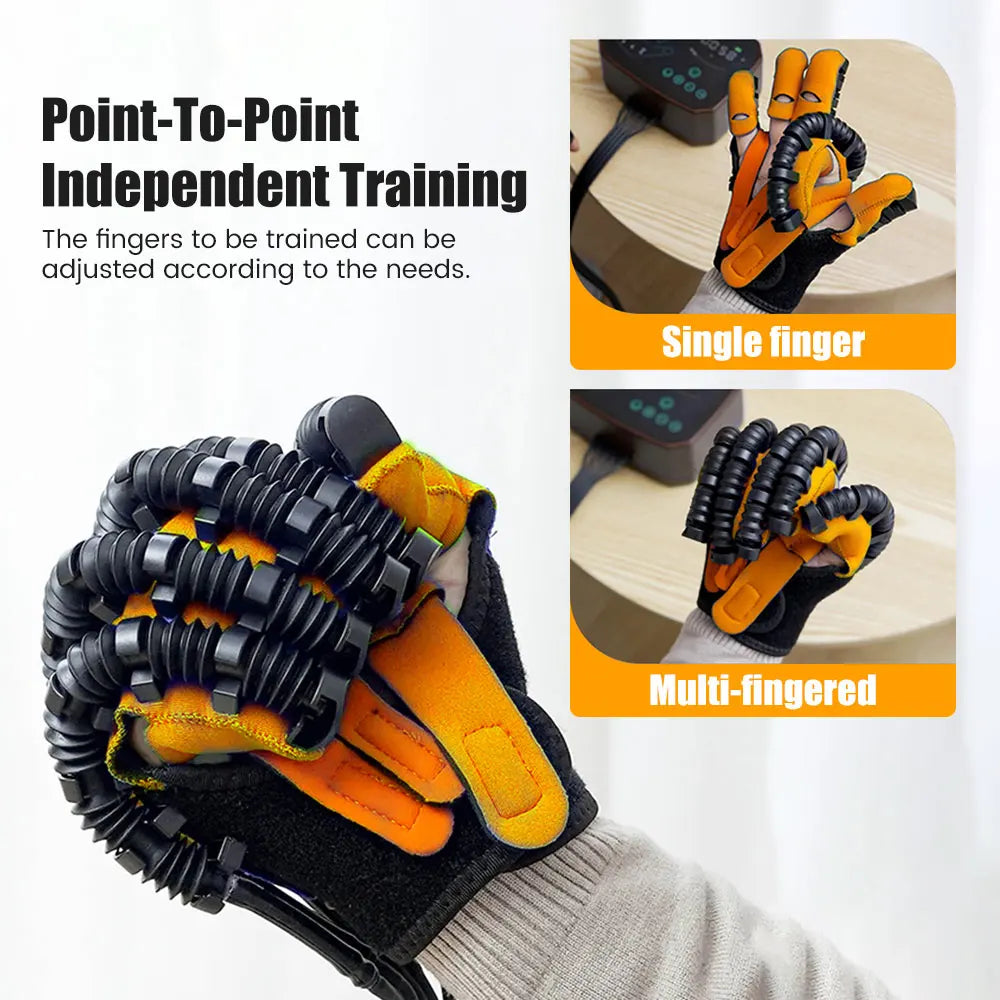
Powered physiotherapy glove supporting passive movement therapy at home. See it in action.
What Is a Hand Rehabilitation Robot Glove? (How It Works + Technology Explained)
A hand rehabilitation robot glove is a wearable rehabilitation device that assists finger and hand movement through guided mechanical motion. It is commonly used during stroke rehabilitation, peripheral nerve injury recovery, traumatic hand injuries, and neurological conditions that reduce grip strength or finger mobility.
Unlike a traditional passive hand exercise device that depends entirely on a caregiver or therapist to move the hand, a robotic hand therapy glove uses motors, pneumatic air pressure, or cable-driven mechanisms to produce consistent movement patterns. Many modern systems also collect movement data and allow therapy intensity to be adjusted as recovery progresses.
Sensors, AI Assistance, and Motion Control
Advanced powered physiotherapy gloves combine hardware and software to create personalized rehabilitation sessions. Embedded sensors continuously monitor movement quality, while intelligent control systems adjust assistance based on the user's performance.
- Motion sensors measure finger position and joint angles throughout each exercise.
- Pressure or pneumatic systems deliver smooth, controlled gripping and extension movements.
- Programmable therapy modes allow gradual progression as strength and coordination improve.
- Some premium devices provide app-based progress tracking for long-term rehabilitation monitoring.
Passive vs Active Hand Therapy Modes
Most robotic gloves support multiple therapy modes so training can evolve alongside recovery.
- Passive mode: The glove performs the movement while the user remains relaxed, helping maintain joint mobility, reduce stiffness, and support early-stage rehabilitation.
- Active-assisted mode: The user initiates movement and the glove supplies additional assistance, encouraging motor relearning and strengthening the brain-hand connection.
- Active or resistance training: Some advanced systems provide resistance exercises that challenge grip strength and fine motor control during later rehabilitation stages.
How does a therapy glove work?
A robotic therapy glove works by repeatedly guiding the fingers through natural flexion and extension patterns. Each repetition provides sensory and movement feedback that supports neuroplasticity—the brain's ability to reorganize neural pathways after injury. Consistent, high-volume practice is often difficult to achieve with manual therapy alone, making powered devices particularly valuable for structured home rehabilitation.
One example is the powered physiotherapy glove, which is designed to deliver guided hand exercises with adjustable assistance for structured home recovery.
How Passive Movement Therapy Supports Early Recovery
Passive movement therapy remains an important foundation of early rehabilitation, particularly when patients cannot actively move their fingers or generate enough muscle strength to perform exercises independently. During passive range-of-motion therapy, the hand is moved externally—either by a therapist, caregiver, or rehabilitation device—to maintain mobility while protecting joints and soft tissues.
Benefits of Passive Hand Exercises
- Helps maintain joint flexibility during periods of limited movement.
- May reduce the risk of contractures and joint stiffness.
- Supports healthy circulation in the hand and fingers.
- Can decrease muscle tightness before active rehabilitation begins.
Limitations of Manual Passive Systems
- Require consistent caregiver or therapist assistance.
- Repetition counts vary from session to session.
- Long exercise sessions can be physically demanding for caregivers.
- Limited training volume may reduce opportunities for intensive motor practice.
Although physical therapy passive range of motion techniques remain essential during early recovery, many rehabilitation programs gradually introduce powered assistance as voluntary movement returns to increase repetition, improve consistency, and encourage ongoing progress.
Top Hand Rehabilitation Robot Gloves (2026 Comparison Guide)
Hand rehabilitation robot gloves vary significantly in their level of assistance, smart features, portability, and intended users. Some are designed primarily for home rehabilitation, while others are built for therapist-supervised clinical programs. Choosing the right device depends on your recovery stage, daily therapy goals, and budget rather than simply selecting the most advanced model.
Best Robotic Gloves for Stroke Recovery
- Entry-Level: Passive hand exercise devices that provide repetitive movement support for maintaining joint mobility and early-stage rehabilitation.
- Mid-Range: Robotic gloves featuring adjustable assistance levels, multiple therapy programs, and comfortable designs suitable for regular home use.
- Advanced: AI-assisted rehabilitation gloves with adaptive training, performance tracking, companion apps, and customizable therapy protocols for long-term neurological recovery.
Key Features, Pricing, and Use Cases
- Typical price range: Approximately $200 to $3,000+, depending on technology, sensing capability, and rehabilitation features.
- Best for home use: Lightweight powered gloves with intuitive controls, rechargeable batteries, and adjustable therapy intensity.
- Best for clinical rehabilitation: High-precision systems offering detailed performance data, therapist customization, and comprehensive training programs.
- Most important features: Assistance strength, passive and active-assisted modes, battery life, fit, comfort, portability, ease of cleaning, and durability.
Side-by-Side Comparison: Powered vs Passive Systems
Feature Comparison
| Feature | Powered Physiotherapy Glove | Passive Hand Exercise Device |
|---|---|---|
| Movement assistance | Motorized or pneumatic guided movement | Manual movement provided by a caregiver or therapist |
| Therapy modes | Passive, active-assisted, and sometimes resistance training | Passive movement only |
| Customization | Adjustable speed, intensity, and exercise programs | Limited customization |
| Training consistency | High repetition with consistent movement patterns | Varies depending on caregiver technique |
| Independence | Many users can complete sessions independently | Usually requires assistance |
| Cost | Higher initial investment | Lower purchase cost |
Recovery Stage Comparison
Different rehabilitation approaches may be appropriate at different stages of recovery.
- Early recovery: Passive hand exercise devices and powered passive mode can help preserve joint mobility while voluntary movement is limited.
- Intermediate recovery: Active-assisted robotic gloves encourage users to initiate movement while receiving mechanical support.
- Later recovery: Advanced robotic gloves with resistance and coordination exercises can complement strengthening and fine motor training.
Home vs Clinic
Clinic-based therapy provides professional assessment, exercise progression, and close supervision. Home rehabilitation allows more frequent practice between appointments. For many stroke survivors, combining therapist-guided rehabilitation with a powered physiotherapy glove at home provides a practical balance between expert care and high-volume daily training.
How a Robotic Hand Therapy Glove Enhances Muscle Memory at Home
A powered physiotherapy glove supports motor relearning by delivering hundreds of consistent movement repetitions during each session. This repetitive practice helps reinforce communication between the brain and hand while encouraging the neuroplastic changes that are essential for functional recovery after stroke or neurological injury.
Step-by-Step Home Use
- Fit the glove securely according to the manufacturer's sizing instructions.
- Select the therapy mode and assistance level recommended by your rehabilitation professional.
- Perform guided finger flexion and extension exercises while remaining relaxed.
- Complete a 15- to 30-minute session or follow your prescribed rehabilitation program.
- Record improvements in finger movement, grip ability, comfort, and exercise tolerance over time.
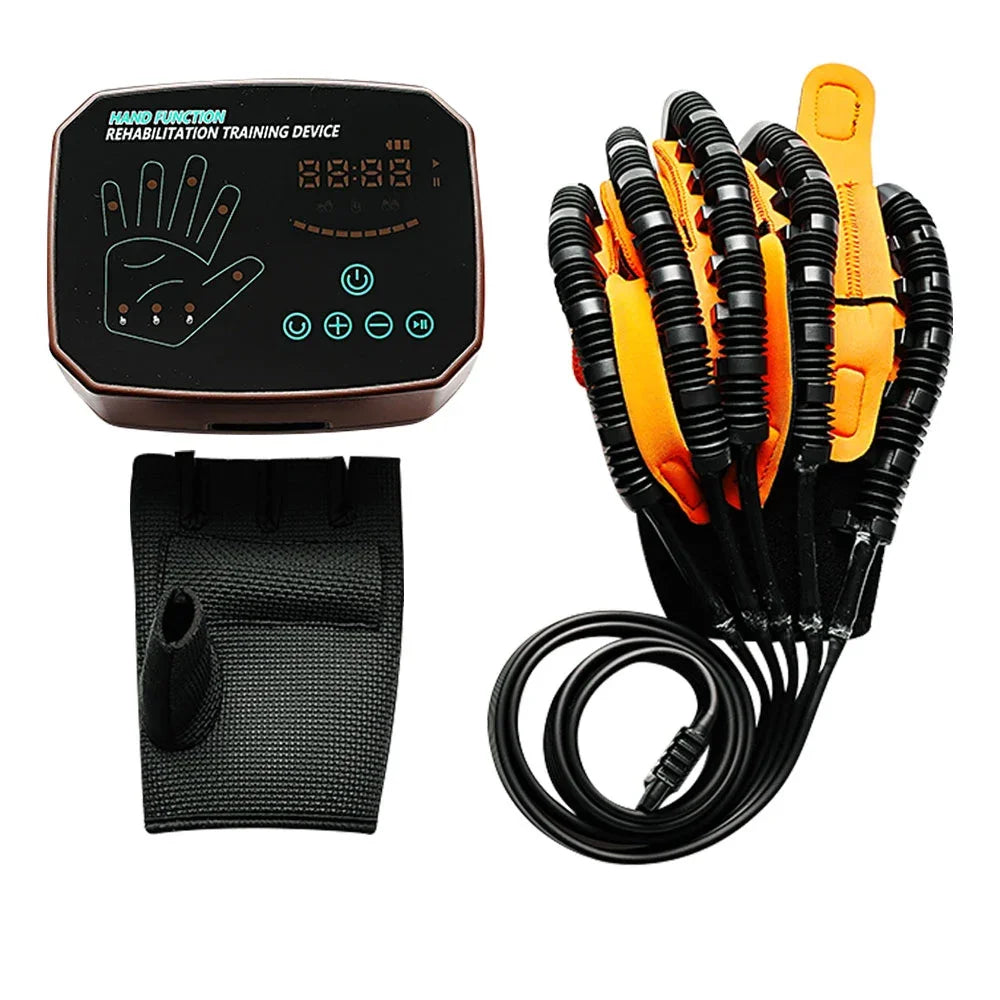
Robotic rehabilitation glove assisting passive hand exercises during stroke recovery therapy. See how it works.
Why Repetition Matters
Successful neurological rehabilitation relies on frequent, task-specific practice. Research consistently shows that repeated movement helps strengthen neural pathways involved in motor control. Because robotic gloves can deliver consistent assistance throughout an entire session, they often enable substantially more repetitions than manual therapy alone, especially during home rehabilitation.
For families already investing in wellness tools from Body Care and Health Devices, adding a structured hand rehabilitation device may provide a practical way to support daily therapy between scheduled rehabilitation appointments.
How to Choose the Right Hand Rehab Glove
Selecting the best hand rehab glove for stroke patients depends on more than price alone. Recovery stage, diagnosis, therapy goals, daily usage, and the level of assistance required all influence which device will provide the greatest benefit. Matching the glove to the user's functional ability helps maximize comfort, safety, and long-term rehabilitation outcomes.
By Recovery Stage
Early Stage (Severe Weakness or Paralysis)
Patients with little or no voluntary finger movement generally benefit from a robotic glove for hand recovery that offers reliable passive therapy. Automatic finger extension and flexion can help maintain joint mobility, reduce stiffness, and prepare the hand for future active rehabilitation.
- Prioritize passive movement modes.
- Choose adjustable assistance levels.
- Look for comfortable straps and easy fitting.
- Use under guidance from a rehabilitation professional whenever possible.
Mid Recovery (Partial Voluntary Movement)
As movement begins to return, active-assisted training becomes increasingly valuable. Gloves that detect user effort and provide only the assistance needed encourage motor relearning while gradually increasing independence.
- Active-assisted exercise programs.
- Multiple therapy intensity settings.
- Comfortable design for daily home sessions.
- Progress tracking to monitor improvement.
Advanced Recovery (Strength and Coordination)
Individuals who have regained basic hand movement often benefit from devices offering resistance exercises, grip training, finger coordination tasks, and fine motor practice. These programs help improve dexterity needed for everyday activities such as writing, dressing, and handling small objects.
By Medical Condition
Different neurological and orthopedic conditions require different rehabilitation priorities.
- Stroke: High-repetition, task-specific therapy supports motor relearning and neuroplasticity.
- Peripheral nerve injury: Guided movement may help maintain mobility while nerve function recovers.
- Traumatic hand injury: Therapy should follow the recommendations of the treating surgeon or therapist regarding healing timelines.
- Neurological disorders: Individuals with conditions affecting muscle control may benefit from customized therapy programs supervised by rehabilitation professionals.
Home-Use vs Clinic-Use
Many people perform most of their rehabilitation at home between scheduled therapy appointments, making portability and ease of use important considerations.
- Home rehabilitation: Prioritize lightweight hand physiotherapy equipment with straightforward controls, rechargeable batteries, and adjustable therapy programs.
- Clinical rehabilitation: Therapist-operated systems often provide more detailed assessments, advanced customization, and comprehensive performance reporting.
- Combined approach: Using a home device alongside supervised occupational or physical therapy often provides the greatest opportunity for consistent practice.
Are Hand Therapy Gloves Safe? (Clinical Insights + Risks)
When properly fitted and used according to manufacturer instructions, most hand rehabilitation robot gloves have multiple safety features designed to support rehabilitation while minimizing the risk of excessive joint stress. They are commonly incorporated into stroke rehabilitation and neurological therapy programs under professional supervision.
- Built-in movement limits help reduce excessive finger extension or flexion.
- Adjustable assistance allows therapy to match the user's current recovery stage.
- Gradual progression supports safe increases in exercise intensity.
- Many occupational and physical therapists recommend robotic gloves as part of a comprehensive rehabilitation plan.
Despite these safety features, robotic therapy gloves are not appropriate for every situation. Individuals with recent fractures, unhealed surgical wounds, severe joint instability, significant hand swelling, active skin infections, or uncontrolled pain should consult their healthcare provider before beginning therapy.
Correct sizing, appropriate exercise intensity, and regular monitoring remain essential. If pain increases, swelling develops, or unusual symptoms occur during therapy, discontinue use and seek advice from a qualified rehabilitation professional before continuing treatment.
Cost, Insurance, and ROI: Are Robotic Gloves Worth It?
The cost of a hand rehabilitation robot glove varies according to the level of automation, therapy modes, data tracking, and build quality. While powered devices require a larger initial investment than traditional passive hand exercise devices, many users view them as a long-term rehabilitation tool that supports more frequent home therapy between clinical appointments.
- Basic passive hand exercise devices: Approximately $50–$300 for simple mobility and range-of-motion support.
- Mid-range robotic gloves: Approximately $300–$1,000 with adjustable assistance, multiple therapy modes, and home-use features.
- Advanced rehabilitation robot gloves: $1,000–$3,000+ with intelligent training programs, detailed progress tracking, and clinical-grade functionality.
Insurance Considerations
Insurance coverage varies depending on the country, healthcare provider, medical diagnosis, and individual policy. Some rehabilitation programs or insurers may provide partial reimbursement when a robotic therapy glove is prescribed as part of stroke rehabilitation or neurological recovery. Before purchasing, check with your insurance provider and rehabilitation team to determine whether documentation or prior authorization is required.
Long-Term Value
The value of a powered rehabilitation glove extends beyond its purchase price. Regular access to guided therapy at home may help improve exercise consistency, reduce reliance on caregiver-assisted sessions, and support continued rehabilitation between visits with occupational or physical therapists.
- Supports higher therapy frequency at home.
- May reduce caregiver workload during daily exercises.
- Provides structured rehabilitation over weeks or months.
- Can complement—not replace—professional therapy.
Final Verdict: Which System Fits Your Recovery Goals?
Choosing between a passive hand exercise device and a powered rehabilitation robot glove depends on your current level of hand function, rehabilitation goals, and available support. Passive systems remain valuable during the earliest stages of recovery, particularly when maintaining joint mobility is the primary objective.
For individuals who are ready for more structured, high-repetition rehabilitation, a powered physiotherapy glove offers greater flexibility through adjustable assistance, guided movement patterns, and the ability to complete consistent home therapy sessions. These advantages can make ongoing rehabilitation more practical for both patients and caregivers.
Regardless of the device selected, the best outcomes are typically achieved when home exercises are combined with individualized guidance from qualified rehabilitation professionals.
Explore the powered physiotherapy glove for home recovery
Frequently Asked Questions
How does a therapy glove work?
A robotic hand therapy glove uses motors, pneumatic air pressure, or cable-driven mechanisms to guide the fingers through controlled flexion and extension exercises. By delivering consistent, repetitive movement, it supports motor relearning, helps maintain joint mobility, and encourages neuroplasticity during stroke or neurological rehabilitation.
Is a hand therapy glove safe?
Most hand rehabilitation robot gloves are designed with adjustable assistance levels and movement limits to help reduce the risk of overextension. They are generally considered safe when properly fitted and used according to the manufacturer's instructions. Individuals recovering from surgery, fractures, or other medical conditions should consult their healthcare provider before beginning therapy.
Can a robotic glove replace physical therapy?
No. A robotic glove is intended to complement—not replace—professional occupational or physical therapy. It allows users to perform additional guided practice at home between therapy appointments, helping increase exercise frequency and consistency.
What is the difference between passive vs active hand therapy?
Passive hand therapy moves the fingers without requiring muscle effort from the user, making it appropriate during the earliest stages of recovery. Active or active-assisted therapy encourages the user to initiate movement while receiving mechanical assistance, helping rebuild strength, coordination, and functional hand control.
How long does stroke hand recovery take with a robotic glove?
Recovery timelines vary depending on the severity of the stroke, the amount of remaining hand function, overall health, and therapy consistency. Some people notice improvements in flexibility and movement within several weeks, while meaningful functional recovery often requires months of regular rehabilitation.
Can I use a robotic glove at home without supervision?
Many modern rehabilitation gloves are specifically designed for home use. However, the initial setup, therapy intensity, and exercise program should ideally be recommended by an occupational therapist or rehabilitation specialist to ensure safe and effective training.
How often should I use a robotic therapy glove?
Most rehabilitation programs recommend short daily sessions rather than occasional long workouts. Your therapist may suggest 15 to 30 minutes per session, several days each week, depending on your diagnosis, recovery stage, and treatment goals.
How do I clean and maintain a rehabilitation glove?
Follow the manufacturer's care instructions for your specific device. In general, wipe external surfaces with a soft cloth after use, keep straps clean and dry, charge the battery as recommended, and store the glove in a cool, dry place away from excessive heat or moisture.
Related Guide: Occupational Therapy Devices Compared: Top Picks













