

How to stop goggles fogging: Does it really work in cold weather?
Yes, you can significantly reduce goggles fogging in cold weather by controlling moisture, improving airflow, and using the right lens technology. The most effective methods combine double-layer lenses, proper goggle ventilation airflow, anti-fog coatings, and moisture management.
Results can vary depending on temperature, humidity, activity level, helmet fit, and how well the goggles are maintained. A quality anti-fog system helps, but no solution works perfectly if warm, humid air becomes trapped inside the goggles.
- Double-pane lenses create insulation between warm facial air and cold outdoor temperatures.
- Anti-fog coatings spread moisture into a thin layer instead of allowing droplets to form.
- Helmet and goggle vents remove humid air before condensation develops.
Understanding why goggles fog up makes it easier to choose the right prevention method for skiing, swimming, cycling, and other high-exertion activities.
Prevent Goggle Fogging in Cold Weather With These Simple Fixes
⏱ 5 min read
Fogged goggles can quickly ruin visibility during skiing, snowboarding, cycling, or outdoor training. The good news is that preventing fogging is less about one magic product and more about balancing airflow, temperature, fit, and moisture control.
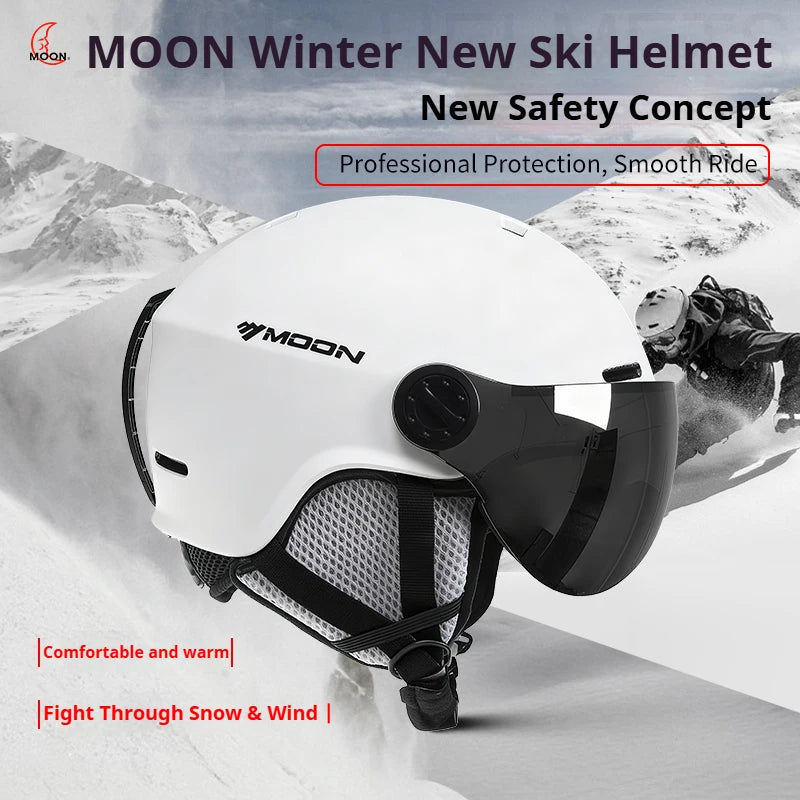
Prevent goggle fogging starts with smart airflow and fit — See it in action
Why do goggles fog up?
Goggles fog up because warm, moisture-filled air comes into contact with a colder lens surface. This temperature difference causes condensation, creating tiny water droplets that block clear vision.
The science behind condensation
Your face naturally produces heat and moisture while you breathe, exercise, or sweat. When that warm air becomes trapped inside goggles, it reaches the colder lens and turns into fog.
- Cold outdoor temperatures rapidly cool the lens surface.
- Breathing and sweating increase humidity inside the goggles.
- Poor airflow prevents moisture from escaping.
How factory anti-fog coatings work
Many modern goggles use hydrophilic anti-fog coatings that spread moisture evenly across the lens surface. Instead of forming visible droplets, water creates a thin transparent layer.
However, coatings have limits. Scratching the inner lens, using harsh cleaners, or allowing excessive moisture buildup can reduce anti-fog performance over time.
How to stop goggles from fogging up
The best way to prevent goggle fogging is to reduce humidity inside the lens area while maintaining steady airflow.
Warm goggles before use
Moving immediately from a warm indoor space into freezing temperatures creates a large temperature shock. Allow goggles to gradually adjust before starting your activity.
- Keep goggles covered until you are ready to use them.
- Avoid placing warm goggles directly into freezing wind.
- Let temperature changes happen naturally.
Improve goggle ventilation airflow
Goggle ventilation airflow is one of the most important factors in preventing fog. Vents allow humid air to escape and bring in drier outside air.
- Keep foam vents clear of snow, fabric, and debris.
- Match helmet vents with goggle airflow channels.
- Avoid covering ventilation openings with hats or scarves.
Reduce sweat and moisture
Excess heat is a common cause of goggles fogging in cold weather. Wearing breathable layers and adjusting ventilation before overheating helps control moisture.
- Use moisture-wicking base layers.
- Remove unnecessary face coverings that trap humid air.
- Vent your helmet during high-intensity activity.
Avoid touching the inside of the lens
The inner lens coating is delicate. Touching it with gloves or fingers can create marks, remove coating material, and make future fogging worse.
Sport-specific solutions for fog-free vision
Stop ski goggles fogging
Ski goggles need a balance between insulation and ventilation because riders experience extreme temperature differences. A ski goggles fogging solution usually combines:
- Double-pane lenses for thermal separation.
- Open helmet vents for continuous airflow.
- Proper face coverage without blocking vents.
- Anti-fog treatments designed for snow sports.
Swimming and snorkeling tips
Swimming goggles fog because body heat, water temperature, and lens coatings interact differently than winter sports goggles.
- Use goggles with factory anti-fog coatings.
- Rinse with clean water after use.
- Avoid rubbing the inside lens.
- Allow goggles to dry completely before storage.
Cycling and safety goggles
Cyclists often experience fogging during slow climbs or cold-weather rides when airflow decreases. Improve visibility by choosing ventilated eyewear and avoiding moisture buildup from face coverings.
Cleaning and maintenance that preserve anti-fog performance
Safe cleaning methods
Proper cleaning helps maintain anti-fog coatings. Use gentle methods that remove dirt without damaging the inner lens.
- Rinse away dust and salt before wiping.
- Use clean microfiber materials on the exterior lens only.
- Allow the inside lens to air dry naturally.
Proper drying and storage
Wet goggles stored in enclosed bags can develop moisture buildup and reduce anti-fog effectiveness.
- Dry goggles completely after every session.
- Store them in a protective case.
- Keep them away from excessive heat.
What damages anti-fog coatings?
Avoid paper towels, aggressive cleaners, and repeated rubbing of the inner lens. These actions can wear away protective coatings.
Which anti-fog solutions actually work?
Factory coatings vs sprays
Factory anti-fog coatings are usually the most convenient option because they are applied during manufacturing. Sprays can provide additional protection but often require reapplication.
| Solution | Benefits | Limitations |
|---|---|---|
| Factory anti-fog coating | Long-lasting and built into the lens | Can wear down with damage or poor care |
| Anti-fog spray | Quick refresh before use | Requires regular application |
| Anti-fog wipes | Portable and convenient | Short-term effectiveness |
Methods to avoid
Some DIY methods may provide temporary results but can damage lenses or create visibility issues. Avoid abrasive cleaning, harsh chemicals, and anything that scratches the inner surface.
Troubleshooting persistent fogging
Fogging despite anti-fog treatment
If goggles still fog after treatment, check the basics first:
- Are vents blocked by clothing or snow?
- Are the goggles too tight against your face?
- Is sweat building up during activity?
- Has the anti-fog coating been damaged?
Fogging after cleaning
New fogging problems after cleaning often mean the lens was wiped incorrectly. Excessive rubbing or chemical cleaners can reduce coating performance.
When to replace goggles
Consider replacing goggles when:
- The inner lens coating is visibly damaged.
- Scratches interfere with visibility.
- Vent foam is deteriorated.
- Fogging continues despite proper care.
Common mistakes that make goggles fog faster
- Blocking vents with hats, scarves, or face coverings.
- Using damaged or outdated lenses in extreme cold.
- Touching the inside lens with gloves.
- Storing wet goggles in closed bags.
- Overheating because of excessive clothing layers.
- Applying too much anti-fog product and leaving residue.
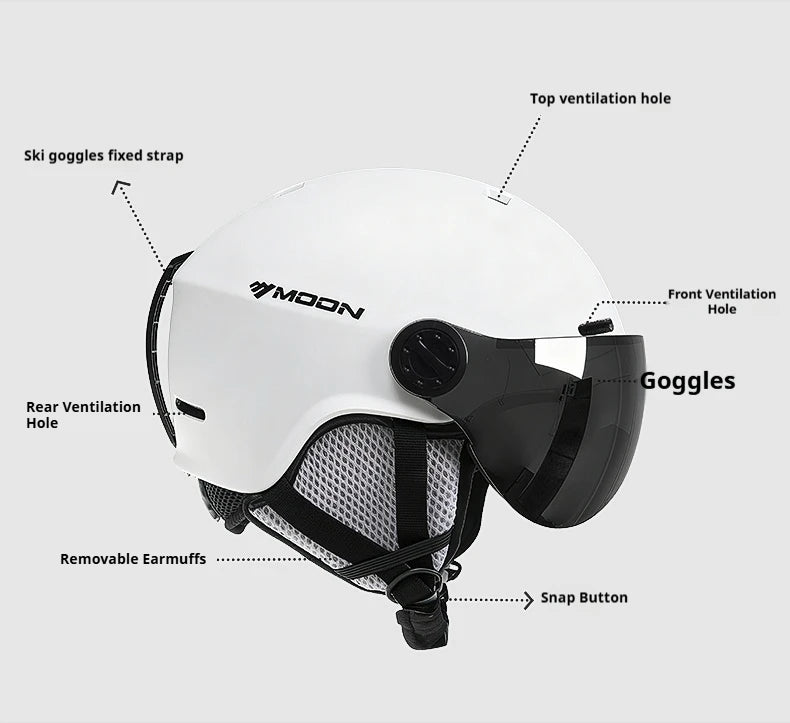
How to prevent goggle fog with proper helmet ventilation airflow — See it in action
Clear vision riding starts here — prevent goggle fogging today
Quick FAQ
How do you stop goggles from fogging without anti-fog spray?
Improve ventilation, control sweat, avoid touching the inside lens, and use properly fitted goggles. Good airflow often prevents most fogging without additional products.
Why do goggles fog up even when they are anti-fog?
Anti-fog coatings reduce condensation but cannot overcome blocked vents, excessive moisture, poor fit, or damaged coatings.
Can you restore a worn anti-fog coating?
Some sprays can temporarily improve performance, but heavily damaged factory coatings usually cannot be fully restored.
Should you wipe the inside of fogged goggles?
Avoid wiping the inside lens whenever possible. Let moisture clear through ventilation or allow the goggles to dry naturally.
How do you keep ski goggles from fogging on chairlifts?
Keep vents open, avoid covering goggles with clothing, and remove excess heat before starting the lift ride.
Do double-pane lenses reduce fogging?
Yes. Double-pane lenses create insulation between indoor facial warmth and cold outside air, reducing condensation.
Why do goggles fog more in cold weather?
Cold temperatures increase the difference between the warm air around your face and the cold lens surface, making condensation more likely.
When should you replace goggles because of fogging?
Replace goggles when coatings are damaged, lenses are scratched, vents no longer function properly, or fogging continues despite correct maintenance.
Related Guide: How Should a Ski Helmet Fit Step by Step for All-Day Comfort













