

Does numbness in fingers from cold usually go away?
Yes—most numbness in fingers from cold is temporary. In healthy people, finger numbness from cold typically improves within several minutes after moving indoors and warming up gradually. As your body temperature rises, blood vessels reopen, circulation returns, and normal sensation gradually comes back.
However, recovery should be steady. If numbness lasts longer than 30–60 minutes after rewarming, repeatedly occurs with only mild cold exposure, or is accompanied by severe pain, skin discoloration, blisters, or loss of movement, it may indicate a condition such as Raynaud's phenomenon, frostbite, or another circulation problem that deserves medical evaluation.
How to Prevent Numb Fingers in Cold Weather (Complete Guide)
Cold, stiff fingers can quickly make outdoor work, winter sports, or everyday activities uncomfortable. Whether you're hiking, skiing, commuting, or working outside, understanding why fingers go numb in cold weather—and how to prevent it—helps you stay comfortable, maintain dexterity, and reduce the risk of cold-related injuries. The strategies below combine proper layering, circulation support, and smart glove selection to keep your hands warmer for longer.
⏱ 6 min read
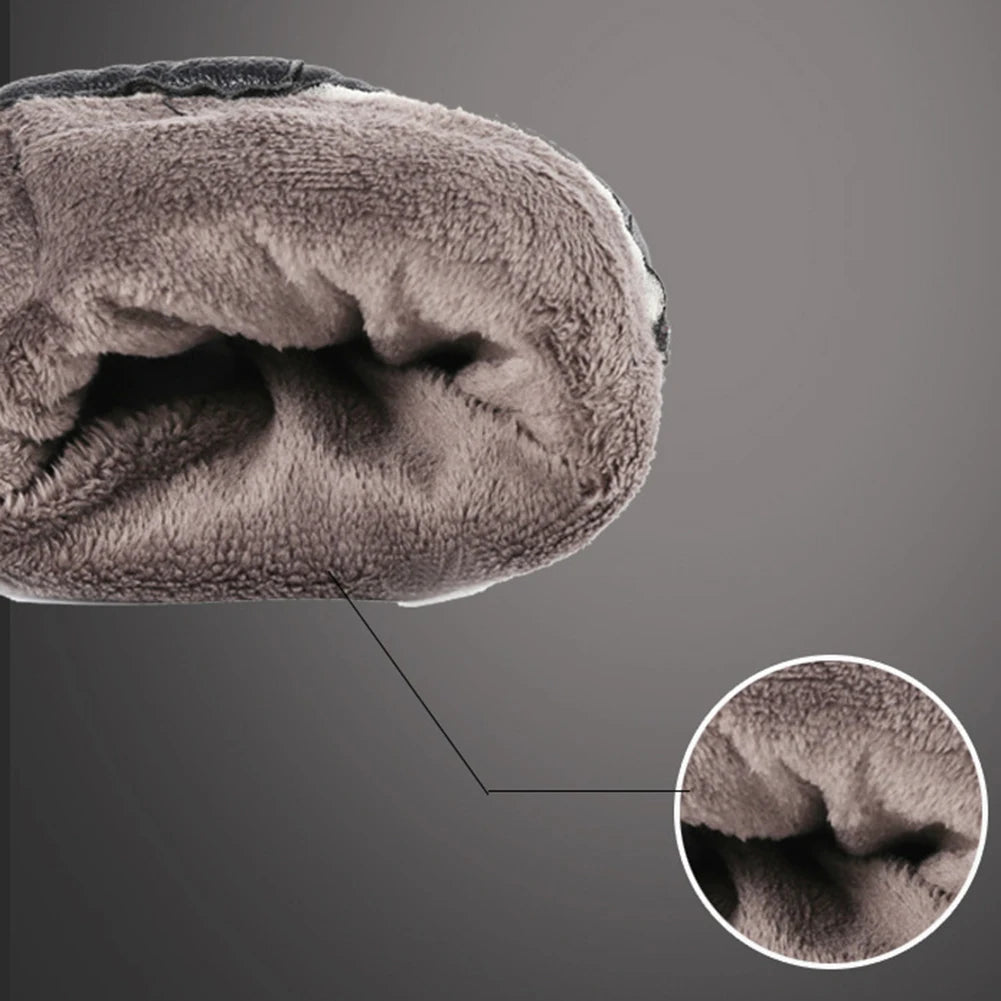
Cold hands during winter are common — learn how to stop numbness before it starts See it in action
Why Do Fingers Get Numb in Cold Weather?
How your body responds to cold
The most common reason fingers go numb in cold weather is vasoconstriction . When your body senses falling temperatures, it narrows small blood vessels in your hands and feet to conserve heat for vital organs such as the heart, lungs, and brain.
This response is normal and helps maintain your core body temperature, but it also means your fingers receive less warm blood.
Why blood flow changes in your fingers
Reduced circulation means less oxygen reaches the tissues and nerves in your fingertips. As a result, you may notice:
- Tingling or "pins and needles"
- Cold, pale fingers
- Reduced grip strength
- Stiffness and slower finger movement
- Temporary loss of sensation
For most people, these symptoms resolve after gradual rewarming. If symptoms become severe, occur frequently, or happen even in mild temperatures, an underlying circulation disorder may be contributing.
Common Causes of Finger Numbness From Cold
Cold weather is only one reason hands lose sensation. Several factors influence how quickly your fingers become numb.
Normal cold exposure
Extended time outdoors, strong wind, wet conditions, and inadequate insulation all increase heat loss and reduce circulation.
Raynaud's phenomenon
People with Raynaud's experience exaggerated narrowing of blood vessels. Their fingers may turn white, then blue, before becoming red and painful during rewarming. Even mild cold or emotional stress can trigger an episode.
Poor circulation
Conditions affecting blood flow, including peripheral vascular disease, diabetes, or cardiovascular disease, may increase sensitivity to cold and prolong recovery after exposure.
Nerve compression
Problems such as carpal tunnel syndrome or cervical nerve compression can also contribute to numbness. Unlike cold-related numbness, symptoms may continue even in warm environments.
Frostnip and frostbite
Frostnip is a mild cold injury that usually resolves without permanent damage after careful warming. Frostbite is much more serious and may cause hard skin, blistering, severe discoloration, or permanent tissue injury if not treated promptly.
Symptom Comparison: Is It Cold Exposure, Raynaud's, or Frostbite?
| Condition | Typical symptoms | Medical attention |
|---|---|---|
| Normal cold exposure | Cold fingers, mild numbness, tingling that improves after warming | Usually not needed |
| Raynaud's phenomenon | White or blue fingers followed by redness during rewarming | Medical assessment if episodes are frequent or severe |
| Frostnip | Numbness with pale or waxy skin that recovers after warming | Monitor closely |
| Frostbite | Persistent numbness, hard skin, blistering, gray or black discoloration | Emergency medical care |
How to Warm Up Cold Fingers Fast
Safe warming methods
If your fingers have already become numb, restore circulation gradually rather than exposing them to intense heat.
- Move your fingers gently by opening and closing your hands.
- Use body heat by placing your hands under your armpits or inside your jacket.
- Replace wet gloves immediately.
- Warm your core with an extra layer or a warm drink.
- Rewarm using lukewarm water if you're indoors. Water should feel comfortably warm, not hot.
What to avoid when rewarming
- Do not place numb hands directly on heaters or radiators.
- Avoid very hot water, which may burn skin that has reduced sensation.
- Do not rub frozen skin aggressively, as this can damage delicate tissues.
Quick Comparison: What Works vs. What Doesn't
| Approach | Effectiveness |
|---|---|
| Thin glove liners alone | ❌ Limited protection in prolonged cold |
| Bulky insulated gloves | ⚠ Warm but may reduce dexterity |
| Windproof insulated gloves | ✅ Excellent balance of warmth and movement |
| Heated thermal gloves | ✅✅ Best for extended exposure or poor circulation |
How to Prevent Numb Fingers in Cold Weather
Before going outside
- Dress your core first since warm blood begins with a warm body.
- Start with dry gloves stored indoors.
- Eat a light meal and stay hydrated before long outdoor activities.
While outdoors
- Keep hands dry whenever possible.
- Take short warming breaks during prolonged exposure.
- Keep fingers moving regularly to encourage circulation.
- Avoid removing gloves unnecessarily in wind or snow.
- Choose glove systems appropriate for your activity level.
After coming indoors
- Warm your hands gradually.
- Stretch and gently flex your fingers.
- Dry and replace damp gloves before your next outing.
These habits help prevent numb fingers outdoors by maintaining both hand warmth and overall body temperature.
Best Gloves for Cold Weather Hands
The best gloves for cold weather hands balance insulation, weather protection, breathability, and mobility.
Key features
- Quality insulation such as synthetic insulation or down.
- Windproof and water-resistant shells to reduce heat loss.
- Breathable materials that minimize sweat buildup.
- Comfortable fit that doesn't restrict circulation.
Gloves vs. mittens
- Gloves provide better dexterity for tools, driving, and sports.
- Mittens generally keep hands warmer because fingers share heat.
- Layered systems combine liners with insulated outer gloves for changing conditions.
When heated gloves help
People with poor circulation, long outdoor work shifts, winter sports participation, or frequent cold sensitivity may benefit from heated gloves when standard insulation isn't enough.
For extended outdoor use, many people pair gloves with other wellness tools found in the Body Care and Health Devices collection to support circulation and recovery.
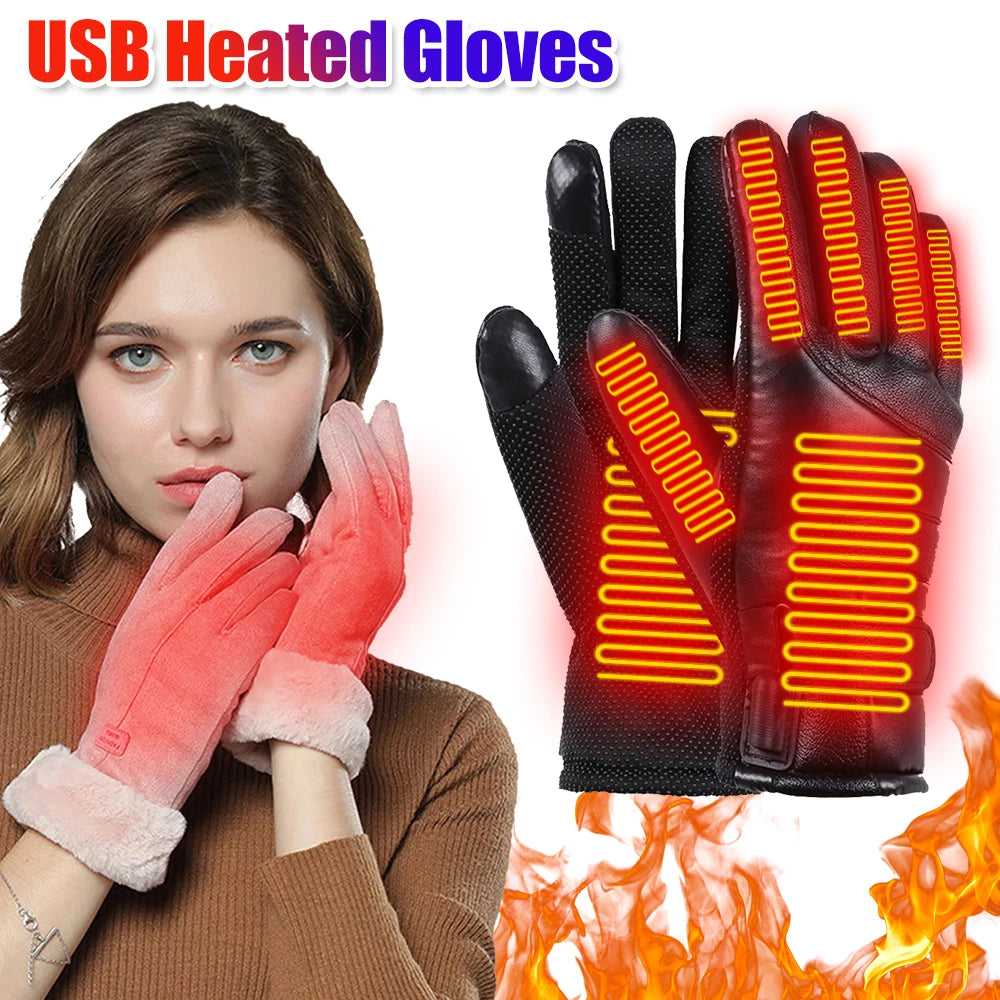
Winter sports gloves should balance warmth and flexibility for real-world use See it in action
If you're outdoors for extended periods, USB heated gloves can provide steady supplemental warmth while helping maintain dexterity during cold-weather activities.
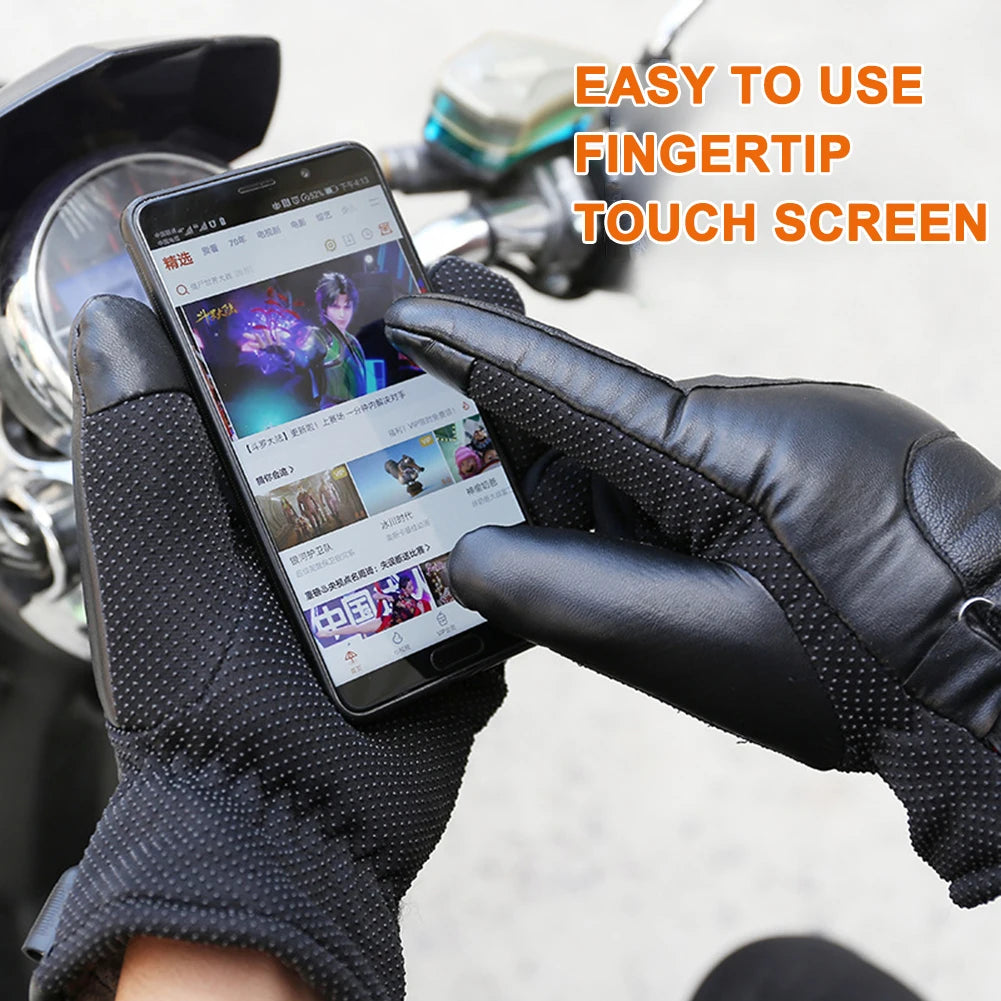
Warmest thermal gloves help prevent cold hands during winter See it in action
How to Improve Blood Circulation in Hands During Winter
Supporting healthy circulation helps reduce cold hands during winter and may shorten recovery after exposure.
- Exercise regularly to improve overall cardiovascular health.
- Stay hydrated throughout the day.
- Perform hand exercises before and during outdoor activities.
- Keep your core warm so blood continues flowing to your extremities.
- Avoid smoking , which causes blood vessel constriction.
- Manage chronic health conditions with guidance from your healthcare provider.
Who Is More Likely to Develop Numb Fingers in the Cold?
Some people are naturally more susceptible to finger numbness from cold than others.
- People with Raynaud's phenomenon or other circulation disorders.
- Individuals with diabetes or peripheral vascular disease.
- Outdoor workers exposed to cold for many hours.
- Skiers, snowboarders, hikers, hunters, and winter cyclists.
- Older adults with reduced circulation.
- People taking medications that affect blood vessels or circulation.
If you fall into one of these groups, using proper cold-weather clothing and minimizing prolonged exposure becomes especially important.
When Numb Fingers Could Be a Medical Emergency
When to see a doctor
Arrange a medical evaluation if:
- Numbness occurs frequently in mild temperatures.
- Symptoms last long after warming up.
- You notice repeated color changes in your fingers.
- Weakness or persistent tingling develops.
When to seek emergency care
Seek immediate medical attention if you experience:
- Black, gray, or blistered skin.
- Complete loss of sensation that does not improve.
- Severe pain after rewarming.
- Loss of finger movement or suspected frostbite.
Frequently Asked Questions
Why do my fingers go numb even when I wear gloves?
Tight gloves, damp insulation, poor circulation, or prolonged exposure can still reduce blood flow enough to cause numbness.
How long does numbness in fingers from cold usually last?
Most people recover within several minutes after gradual rewarming. Symptoms that persist beyond 30–60 minutes should be evaluated.
Can cold weather permanently damage my fingers?
Simple cold exposure usually does not. However, untreated frostbite can permanently damage skin, nerves, and other tissues.
How do I know if I have Raynaud's phenomenon?
Typical signs include fingers turning white or blue in response to cold, followed by redness and throbbing as circulation returns.
Should I use hot water to warm cold fingers?
No. Use lukewarm water or gentle body heat instead. Very hot water can burn numb skin.
Are mittens warmer than gloves?
Yes. Keeping fingers together reduces heat loss and generally provides better warmth than standard gloves.
Can poor circulation cause finger numbness in winter?
Yes. Reduced blood flow makes it more difficult for your hands to maintain normal temperature, increasing the likelihood of numbness.
When should I seek emergency care for numb fingers?
Seek emergency treatment immediately if you develop persistent numbness, blistering, black or gray skin, or signs of frostbite.
Related Guide: How to Warm Hands Fast in Extreme Cold













