

How can you prevent numb hands when cycling in cold weather?
You can prevent numb hands when cycling in cold weather by addressing the two most common causes at the same time: reduced blood circulation from cold exposure and nerve compression from prolonged pressure on the handlebars. Keep your core warm, optimize your bike fit, wear properly fitted windproof gloves, and change your hand position regularly throughout the ride. When temperatures drop well below freezing, adding bar mitts or heated gloves provides another layer of protection against wind chill.
Quick prevention checklist
- Keep your chest and core warm to maintain circulation to your hands.
- Use insulated, windproof gloves that fit comfortably without restricting finger movement.
- Relax your grip and avoid supporting excessive body weight with your hands.
- Rotate hand positions every 5–10 minutes to reduce sustained nerve pressure.
- Move your fingers frequently to encourage healthy blood flow.
- Add bar mitts or other wind-blocking protection during extremely cold or windy rides.
Prioritize the most likely cause before making changes
Before buying new gear, identify whether your symptoms are caused primarily by cold, pressure, or both. Hands that gradually become cold and pale usually point to reduced circulation, while tingling in specific fingers despite warm hands often suggests pressure on the ulnar or median nerves. Many cyclists experience a combination of both, so improving circulation and reducing handlebar pressure typically delivers the fastest and most reliable results.
If numbness persists after warming your hands, changing your riding position, and improving your equipment, it may be worth evaluating your bike fit or discussing persistent symptoms with a healthcare professional, particularly if numbness continues after the ride.
⏱ 7 min read
Prevent Numb Hands When Cycling in Cold Weather (Better Fit, Circulation & Gear Guide)
Cold-weather rides should challenge your legs—not your hands. Whether you're commuting, training, or enjoying long winter adventures, numb fingers can reduce braking confidence, weaken your grip, and make bike handling less precise. The good news is that most cases of hand numbness in cold weather cycling can be prevented with the right combination of circulation-friendly clothing, proper bike fit, smart riding technique, and effective wind protection. This guide explains why numbness happens and how to keep your hands warm, comfortable, and responsive throughout every winter ride.
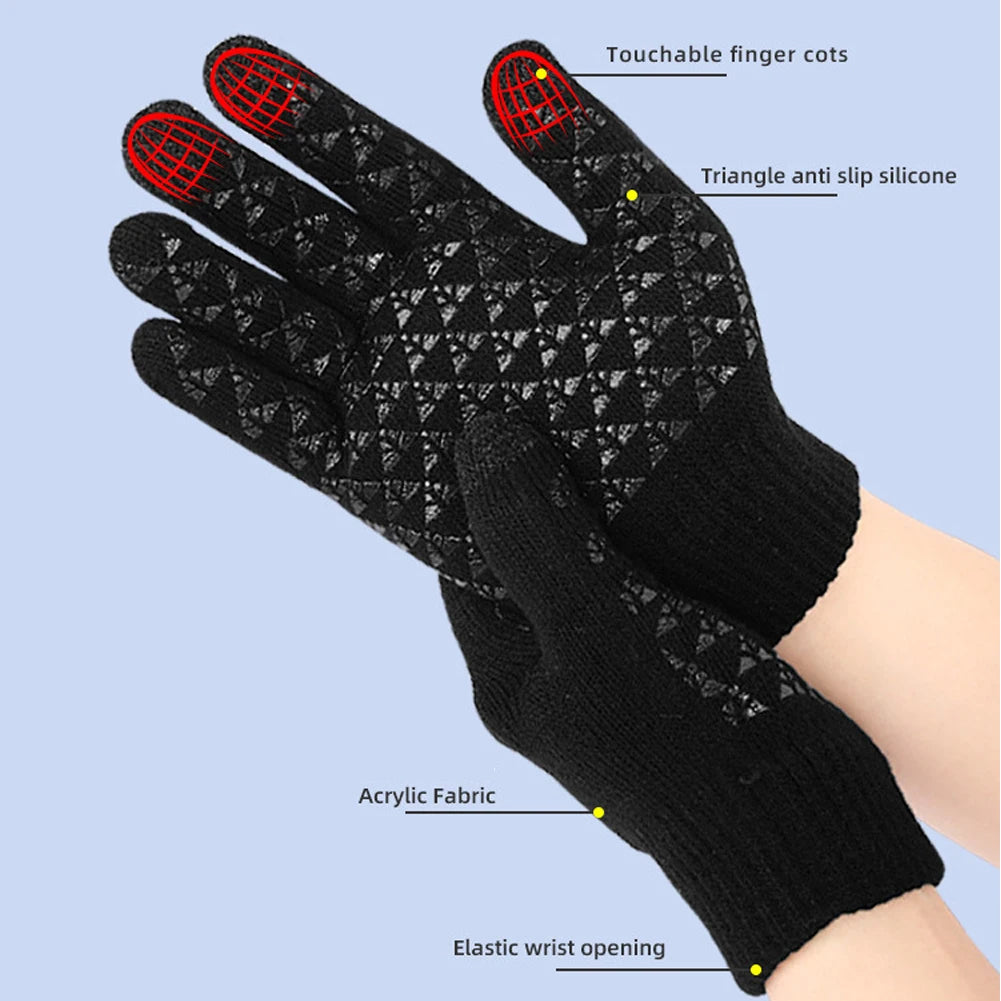
Cold rides don't have to mean losing control—prevent numb fingers during winter cycling with the right combination of bike fit, circulation, and cold-weather gear. See it in action.
Why do fingers go numb when cycling in cold weather?
Understanding why fingers go numb when cycling helps you choose the right solution. In most cases, numbness develops because cold temperatures reduce blood flow while prolonged pressure on the handlebars compresses important nerves in the hands. Road vibration, glove fit, and riding posture can make these problems even worse.
Cold-induced vasoconstriction and reduced circulation
When your body is exposed to cold, blood vessels naturally narrow—a process called vasoconstriction . This preserves heat around vital organs but reduces circulation to your fingers. As skin temperature falls, your fingertips may become cold, pale, stiff, and less responsive. Wind chill accelerates heat loss, which is why even moderately cold rides can leave your hands numb if they are not adequately protected.
Your hands contain several major nerves, including the ulnar nerve (often affecting the ring and little fingers) and the median nerve (commonly affecting the thumb, index, and middle fingers). Supporting too much body weight on the handlebars or gripping too tightly can compress these nerves, producing tingling, burning sensations, or numbness even when your gloves are warm.
Bike vibration and sustained grip pressure
Continuous vibration from rough pavement, gravel, or uneven trails can increase stress on your palms and wrists. Combined with a fixed riding position, vibration contributes to fatigue, reduced circulation, and irritation of sensitive nerves. Taking opportunities to relax your grip and change hand positions helps minimize these cumulative effects.
How to tell circulation problems from nerve compression
A simple way to distinguish the two is by looking at your symptoms:
- Circulation-related numbness: Hands feel cold first, followed by generalized numbness affecting most fingers. Warming your hands usually improves symptoms quickly.
- Nerve compression: Tingling or numbness affects specific fingers, often without feeling especially cold, and symptoms improve after changing your grip or reducing pressure on the handlebars.
- Combined causes: Many winter cyclists experience both reduced circulation and nerve compression, making it important to improve both your riding position and your cold-weather protection.
The fastest way to stop numb fingers while biking in winter
If your fingers begin to lose feeling during a ride, act quickly before numbness affects braking, shifting, or bike handling. The fastest way to stop numb fingers while biking in winter is to restore circulation while relieving pressure on the nerves in your hands. These simple adjustments can often improve comfort within a few minutes.
During-ride circulation reset
- Loosen your grip and relax your shoulders to reduce pressure through your wrists and palms.
- Switch to a different hand position if your handlebars allow it.
- Open and close your fists several times, then wiggle each finger to stimulate circulation.
- Zip up your jacket, close ventilation openings, or add a windproof layer to keep your core warm.
- Pedal steadily for several minutes to generate body heat and improve blood flow to your hands.
These steps address both cold-induced circulation loss and nerve compression, making them the quickest way to restore warmth without interrupting your ride for long.
Safe warming techniques
If conditions allow, stop briefly in a sheltered area out of the wind. Warm your hands gradually by placing them under your jacket or inside insulated pockets rather than exposing them to intense heat immediately. Gentle warming is more comfortable and helps restore circulation without causing unnecessary discomfort.
If you regularly ride in temperatures below freezing, combining windproof gloves with bar mitts or electrically heated gloves provides much more consistent protection than relying on insulation alone.
When to stop riding
Persistent numbness that continues despite changing your hand position and restoring warmth should not be ignored. If you lose braking control, cannot comfortably operate your shifters, notice severe pain, or experience fingers turning white or blue, stop riding and warm your hands before continuing. Symptoms that continue well after your ride may indicate an underlying nerve or circulation problem that deserves further evaluation.
Step-by-step: how to prevent numb hands when cycling
Step 1 – Warm your body before riding
Keeping your hands warm starts before you leave home. Begin your ride with warm fingers rather than expecting your gloves to generate heat later. Wear appropriate layers over your torso, perform a few minutes of light movement to increase circulation, and avoid standing outside for extended periods before you begin pedaling. A warm core helps maintain healthy blood flow to your hands throughout the ride.
Step 2 – Improve bike fit and reduce hand pressure
An efficient riding position distributes weight between your saddle, pedals, and handlebars instead of loading your hands excessively. Maintain a relaxed grip, keep your elbows slightly bent to absorb vibration, and avoid locking your wrists. If your handlebars feel too low or too far away, a professional bike fit or small cockpit adjustment can significantly reduce pressure on the ulnar and median nerves.
Step 3 – Choose the right glove system
Select gloves that match the weather while allowing your fingers to move freely. A moisture-wicking liner paired with an insulated, windproof outer glove works well for changing conditions because it manages sweat while retaining warmth. Gloves that fit too tightly may reduce circulation, while oversized gloves can leave air gaps that accelerate heat loss.
Step 4 – Protect hands from wind and moisture
Wind chill often cools your hands faster than the air temperature alone. Choose gloves with wind-resistant outer materials and keep them as dry as possible, since moisture dramatically reduces insulation. In severe winter conditions, adding bar mitts or active heating provides an additional barrier against freezing air.
Step 5 – Move and stretch your hands throughout the ride
Even with excellent equipment, staying in one position for long periods increases the likelihood of numbness. Change your hand position every few minutes, flex your fingers during easier sections of the ride, and briefly shake out your hands whenever it is safe to do so. Regular movement helps maintain circulation and minimizes prolonged nerve compression.
Why Active Heat Makes the Biggest Difference
Traditional insulation can only retain the warmth your body already produces. Active heating supplies additional warmth directly to your hands, helping maintain comfortable finger temperature during long rides, strong headwinds, or sub-freezing conditions. For cyclists who regularly ride in harsh winter weather, active heat offers more consistent comfort than insulation alone.
One standout solution is USB Heated Touchscreen Gloves , designed to provide reliable warmth while maintaining grip, touchscreen compatibility, and the dexterity needed for braking and shifting.
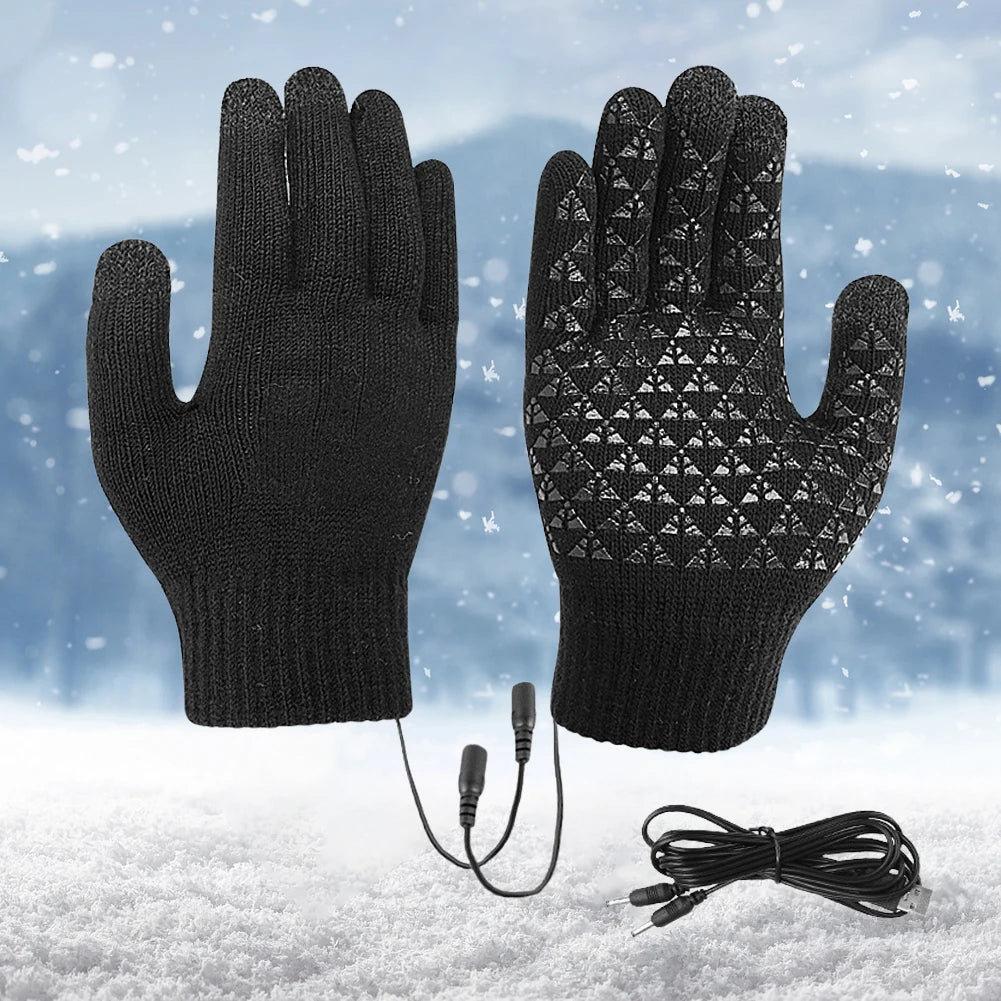
Targeted warmth helps maintain healthy circulation and confident control during cold-weather rides. See it in action.
Cycling gloves for cold weather: what actually works?
The best cycling gloves for cold weather balance warmth, wind protection, breathability, and dexterity. A glove that is too bulky can reduce finger movement and circulation, while one that is too thin may allow wind chill to cool your hands rapidly. Choosing the right system depends on temperature, ride duration, and weather conditions.
Layering versus insulated gloves
For temperatures that fluctuate throughout a ride, a layering system offers the greatest flexibility. A lightweight liner helps manage moisture while an insulated outer glove blocks cold air and wind. In consistently cold conditions, a single high-quality insulated glove can provide excellent comfort as long as it fits correctly and allows unrestricted finger movement.
Proper fit is just as important as insulation. Gloves should leave enough room for a thin layer of air to provide insulation without compressing your fingers. You should be able to fully bend your fingers around the handlebars without feeling pressure across your knuckles or palm. Tight gloves restrict circulation, while overly loose gloves reduce control and allow cold air to enter.
When bar mitts or pogies make sense
Bar mitts, also called pogies, create a protected pocket of warm air around your controls by blocking wind before it reaches your gloves. They are especially effective for long winter commutes, fat biking, gravel riding, and rides below freezing where wind chill is the primary cause of cold hands.
Heated gloves and active warming
Active heating provides consistent warmth regardless of wind speed or ride duration. Heated gloves are particularly useful for cyclists with naturally poor circulation, riders spending several hours outdoors, or anyone regularly cycling in sub-freezing temperatures. Unlike passive insulation, heated gloves continuously replace lost warmth, helping maintain finger dexterity throughout the ride.
Common glove mistakes
- Choosing gloves that fit too tightly and restrict blood flow.
- Using insulated gloves without adequate wind protection.
- Allowing sweat to accumulate inside gloves, reducing insulation.
- Over-layering until finger movement becomes restricted.
- Wearing the same glove system regardless of changing weather conditions.
| Glove Type | Warmth | Dexterity | Best For | Advantages |
|---|---|---|---|---|
| Standard Insulated Gloves | Medium | High | Short rides and cool winter conditions | Lightweight, comfortable, good bike control |
| Layered Gloves + Liners | Medium–High | Medium | Variable temperatures and changing weather | Excellent moisture management and flexibility |
| Heated Cycling Gloves | High | High | Long rides, freezing temperatures, strong winds | Consistent active warmth with minimal loss of dexterity |
Bike setup adjustments to improve hand circulation
Even the warmest gloves cannot fully compensate for excessive pressure on your hands. Small bike fit adjustments often reduce numbness by improving weight distribution and minimizing nerve compression.
Handlebar reach and stack
If your handlebars are positioned too low or too far forward, your upper body naturally shifts more weight onto your hands. Raising the handlebar stack slightly, shortening the stem, or selecting a more comfortable riding position can reduce pressure on your wrists while improving overall comfort on long rides.
Grip shape and bar tape
Handlebar contact points play an important role in vibration control. Ergonomic grips on flat-bar bikes or thicker, well-cushioned bar tape on drop-bar bikes help spread pressure across a larger area of the palm. Riders covering rough roads or gravel may also benefit from padded cycling gloves to reduce repetitive impact.
Saddle position and weight distribution
A saddle that tilts downward or sits too far forward encourages your body to slide toward the handlebars, increasing pressure on your palms. Correct saddle height, fore-aft position, and tilt create a more balanced riding posture, allowing your core and legs to support more of your body weight.
Tire pressure and vibration reduction
Excessively high tire pressure increases vibration transmitted through the handlebars, particularly on rough pavement and gravel. Running an appropriate tire pressure for your weight, tire width, and terrain improves comfort while reducing fatigue in your hands and wrists. Wider tires and tubeless setups can further decrease vibration without sacrificing control.
Winter cycling hand care tips that riders overlook
Good equipment is only part of the solution. Consistent hand care before, during, and after your ride helps maintain healthy circulation, reduces skin damage from cold weather, and lowers the risk of recurring numbness throughout the winter season.
Pre-ride warm-up
Never begin a winter ride with cold hands if you can avoid it. Spend a few minutes indoors warming your hands naturally, then perform light arm circles, wrist rotations, and finger flexing exercises to increase circulation. If you're waiting outside before riding, keep your gloves on and your hands in your pockets until it's time to start.
Hydration and fueling
Staying hydrated supports healthy blood flow, while eating enough carbohydrates before longer rides helps your body generate heat more efficiently. Even in cold weather, dehydration develops gradually through breathing and perspiration, making regular fluid intake important for both performance and circulation.
Post-ride recovery
After your ride, allow your hands to warm up gradually. Remove damp gloves promptly, change into dry clothing, and gently restore circulation by moving your fingers rather than placing them directly against intense heat. If your hands remain numb or painful for an extended period after warming, consider reviewing your bike fit or glove system before your next ride.
Cold-weather skin protection
Cold air, wind, and repeated glove use can dry the skin on your hands, leading to cracks and irritation that make winter riding less comfortable. Apply a fragrance-free moisturizer after washing your hands, especially after long rides, and replace wet gloves as soon as possible to help protect your skin barrier. Healthy skin is more comfortable, retains warmth more effectively, and is less susceptible to cold-related irritation.
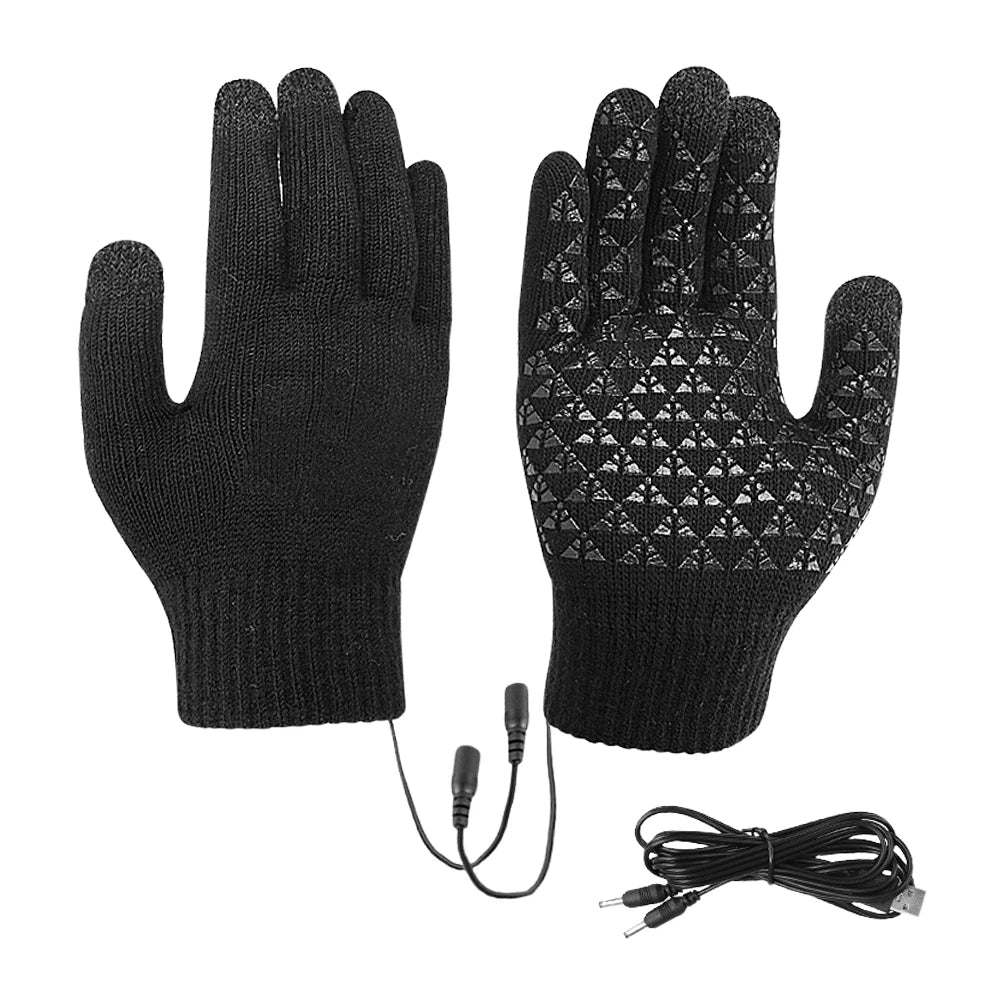
Warm, responsive hands improve comfort, confidence, and control during every winter ride. See it in action.
Quick FAQ: numb hands in cold weather cycling
Why are my fingertips numb in the cold even with gloves?
Gloves alone cannot always prevent numbness. The most common causes are reduced blood circulation from cold exposure, wind penetrating the glove, or pressure on the nerves in your hands from your riding position. If your fingertips stay numb despite wearing warm gloves, check your glove fit, improve wind protection, keep your core warm, and evaluate your bike setup.
Can tight gloves cause hand numbness?
Yes. Gloves that fit too tightly can compress blood vessels and nerves, reducing circulation and increasing tingling or numbness. Choose gloves that allow full finger movement while still providing adequate insulation and wind resistance.
Are heated gloves safe for winter cycling?
Heated gloves are generally safe for winter cycling when used according to the manufacturer's instructions. They provide consistent warmth that helps maintain circulation during long rides or extremely cold weather, making them an excellent option for riders who regularly experience cold hands despite using insulated gloves.
How do I improve circulation in my hands while cycling?
Keep your core warm, maintain a relaxed grip, change hand positions regularly, avoid locking your elbows, and ensure your bike fit distributes weight evenly between the saddle, pedals, and handlebars. Briefly opening and closing your hands during easier sections of the ride also encourages healthy blood flow.
Can poor bike fit cause numb hands even in mild weather?
Absolutely. Hand numbness is not always caused by cold temperatures. Handlebars that are too low, excessive reach, poor saddle position, or an unbalanced riding posture can increase pressure on the ulnar and median nerves, causing numbness even during comfortable weather.
How often should I change hand position during a winter ride?
As a general guideline, change your hand position every 5 to 10 minutes whenever your handlebars provide multiple grip options. Frequent movement reduces prolonged pressure on the same areas of your palms and helps maintain healthy circulation.
Do wider tires reduce hand numbness?
They can. Wider tires operated at appropriate pressures absorb more road vibration than narrow, highly inflated tires. Less vibration reaching the handlebars can reduce hand fatigue and decrease irritation of sensitive nerves during long rides.
Are bar mitts better than insulated gloves?
Neither is universally better—they work best together in very cold conditions. Bar mitts block wind before it reaches your hands, while insulated or heated gloves provide warmth inside that protected environment. For sub-freezing temperatures, combining both often delivers the best results.
When does hand numbness require medical attention?
Occasional numbness that resolves after warming your hands or adjusting your riding position is common. However, seek medical evaluation if numbness persists long after riding, frequently occurs during mild temperatures, causes weakness or loss of hand function, or is accompanied by severe pain or color changes in your fingers.
Related Guide: How to Keep Hands Warm While Cycling in Winter













