

Professional Facial Skin Analyzer Device: Features, Specs & Buying Guide
A professional facial skin analyzer device should do more than capture a clear photograph. For salons, aesthetic clinics, spas, and professional skincare practices, the value comes from standardized facial imaging, repeatable assessment, multiple skin indicators, digital reporting, and a workflow that helps professionals make more informed skincare recommendations. This guide explains the technologies, specifications, accuracy considerations, applications, and buying criteria to evaluate before investing in professional skin analysis equipment.
What Is a Professional Facial Skin Analyzer Device?
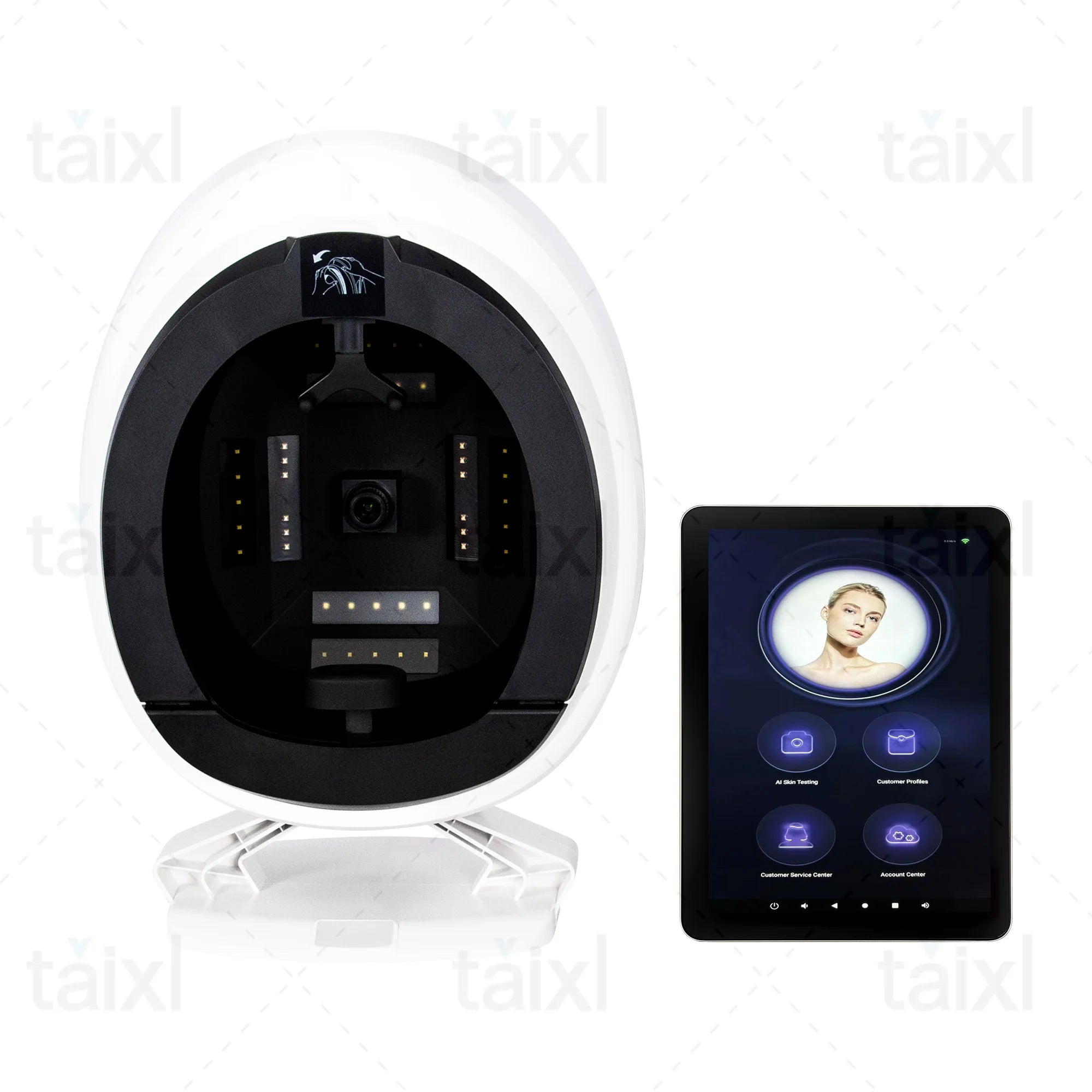
A professional facial skin analyzer is a digital imaging and analysis system designed to assess facial skin characteristics using controlled image capture and software-assisted interpretation. Depending on the system, it may analyze characteristics such as pigmentation, pores, wrinkles, texture, sebum, moisture-related indicators, skin tone, redness, and elasticity.
Unlike a basic camera or consumer skin scanner, a professional system is intended to support a repeatable consultation workflow. It can capture standardized facial images, organize analysis results, generate reports, and help professionals compare changes over time.
How professional skin analysis works
The typical workflow begins with controlled facial image capture. The system then processes the images using computer vision, image analysis, and, where supported, AI-assisted algorithms. Results are organized into skin-analysis categories and may be presented through digital scores, visual maps, comparison images, or consultation reports.
The important distinction is that an analyzer supports skin assessment; it should not automatically be treated as a medical diagnostic device. Buyers should review the manufacturer's intended use, technical documentation, validation methodology, and regulatory positioning before making clinical claims.
Professional analyzer vs consumer skin scanner
Consumer scanners and smartphone-based applications can be useful for general education, but professional equipment is generally selected when standardized capture, broader imaging capabilities, structured reporting, client records, and repeat assessments are important. For a professional practice, repeatability can be more valuable than simply having a high-resolution camera.
Key Features to Look for in a Professional Facial Skin Analyzer
The best professional facial skin analyzer for a practice depends on the workflow and measurements required. Before comparing brands, evaluate the imaging system, analysis software, reporting capabilities, operating requirements, and vendor support.
Multi-spectrum and standardized imaging
Multiple imaging modes can provide information that a conventional facial photograph cannot. Depending on the system, visible light, UV-related imaging, polarized imaging, or other spectral approaches may highlight different surface or pigmentation patterns.
Standardized positioning and lighting are equally important. If the subject's distance, angle, facial expression, or illumination changes substantially between sessions, apparent differences may reflect capture conditions rather than genuine skin changes.
AI and computer vision analysis
AI-assisted analysis can help classify visual patterns and organize large amounts of facial-image information consistently. It can be particularly useful when a consultation involves several indicators, such as acne, pigmentation, pores, wrinkles, moisture, sebum, tone, and elasticity.
However, AI output should be interpreted within the system's intended purpose. A software-generated score is not automatically equivalent to a laboratory measurement or medical diagnosis.
Automated measurements and scoring
Look for systems that clearly explain what each indicator represents and whether it is directly measured, estimated, or derived from image characteristics. This distinction is particularly important for terms such as moisture, hydration, sebum, elasticity, and melanin-related indicators.
Report generation and client-facing results
Professional reporting can turn technical analysis into a useful consultation tool. Look for visual reports, historical comparisons, progress tracking, export capabilities, and recommendations that can be incorporated into the practice's existing consultation process.

Imaging Technologies: What Do Different Modes Actually Show?
Standard visible-light imaging
Visible-light imaging provides the baseline documentation for facial appearance. It can support assessment of visible pigmentation, wrinkles, pores, texture, redness, uneven tone, and other surface characteristics. Consistent lighting and positioning make these images more useful for progress comparisons.
UV imaging
UV-related imaging can reveal certain pigmentation and surface patterns that may be less obvious under ordinary visible light. Buyers should nevertheless distinguish visualization from diagnosis. A pattern highlighted by UV imaging does not, by itself, establish a medical condition.
Polarized imaging
Polarized imaging can reduce selected surface reflections and glare, potentially making particular skin characteristics easier to visualize. This can be useful when a practice wants more controlled facial documentation than a standard photograph provides.
Why combining imaging modes can improve assessment
A single photograph provides one visual perspective. Multiple imaging modes can provide complementary information, allowing software and professionals to examine different characteristics of the same facial area. When comparing devices, ask exactly what each imaging mode contributes rather than assuming that a larger number of modes automatically means better analysis.
What Skin Concerns Can a Professional Skin Analyzer Detect?
Professional analyzers can organize a wide range of cosmetic skin characteristics into a structured assessment. The exact indicators vary by manufacturer and software version.
Wrinkles and fine lines
Image-based wrinkle analysis can identify visible lines and support visual progress comparisons. Consistent facial positioning is essential when using repeated images to evaluate changes.
Pigmentation and melanin-related patterns
Specialized imaging can help visualize pigmentation patterns and provide melanin-related indicators. Buyers should confirm the methodology used by the device and avoid treating an image-derived result as an independent clinical measurement unless appropriate validation supports that interpretation.
Pores, texture, and surface irregularities
High-resolution facial imaging can provide detailed visualization of pores, texture, and surface irregularities. Camera resolution matters here, but lighting, focus, distance, and image-processing software also affect the usefulness of the result.
Sebum and oil-related indicators
Some systems estimate or visualize oil-related characteristics. When comparing devices, determine whether sebum is directly measured with a dedicated measurement method or inferred from facial imaging.
Hydration and moisture-related indicators
Moisture is another area where buyers should examine the technical documentation carefully. An image-based system may generate a moisture-related score or visualization, but that does not necessarily mean it directly measures skin water content. Ask the vendor how the indicator is calculated and validated.
Redness and other visible patterns
Facial imaging can document visible redness and other color-related patterns. These outputs can support cosmetic consultations and progress documentation, but they should not automatically be presented as diagnoses of an underlying medical condition.
How Accurate Are Professional Facial Skin Analysis Machines?
Accuracy is one of the most important questions when selecting professional skin analysis equipment. A credible evaluation should consider both accuracy and repeatability. A system that produces highly consistent results under standardized conditions can be valuable for tracking changes, even when its image-derived indicators are not equivalent to clinical laboratory measurements.
Accuracy vs repeatability
Repeatability means that similar skin conditions captured under similar conditions produce consistent results. This is why controlled lighting, camera positioning, skin preparation, calibration, and standardized operating procedures matter.
Factors that can affect analysis results
- Lighting intensity and color consistency
- Camera distance, angle, and positioning
- Facial movement and expression
- Skin preparation before imaging
- Camera focus and image quality
- Software version and analysis algorithms
- Device calibration and maintenance
- Operator technique
How to evaluate manufacturer accuracy claims
Do not evaluate accuracy from marketing language alone. Request technical documentation, methodology descriptions, validation data, defined performance metrics, demonstration results, and information about the conditions under which measurements were obtained.
Important limitations and clinical boundaries
A professional cosmetic skin analyzer should not automatically be positioned as a replacement for medical examination or diagnostic equipment. When a result indicates a potentially concerning skin change, appropriate professional clinical evaluation may still be required.
Professional Facial Skin Analyzer Specifications: What to Compare
For a bottom-of-funnel purchase, specifications should be compared against the actual workflow of the practice rather than against a generic feature count.
Camera and imaging specifications
- Camera resolution and image quality
- Number and type of imaging modes
- Lighting configuration
- Capture area and facial positioning
- Image consistency between sessions
Software and AI specifications
- AI-assisted analysis functions
- Available skin indicators
- Report-generation capabilities
- Progress and image tracking
- Software update policy
- Local or cloud-based data processing
- Client data management and export options
Display, connectivity, and workflow integration
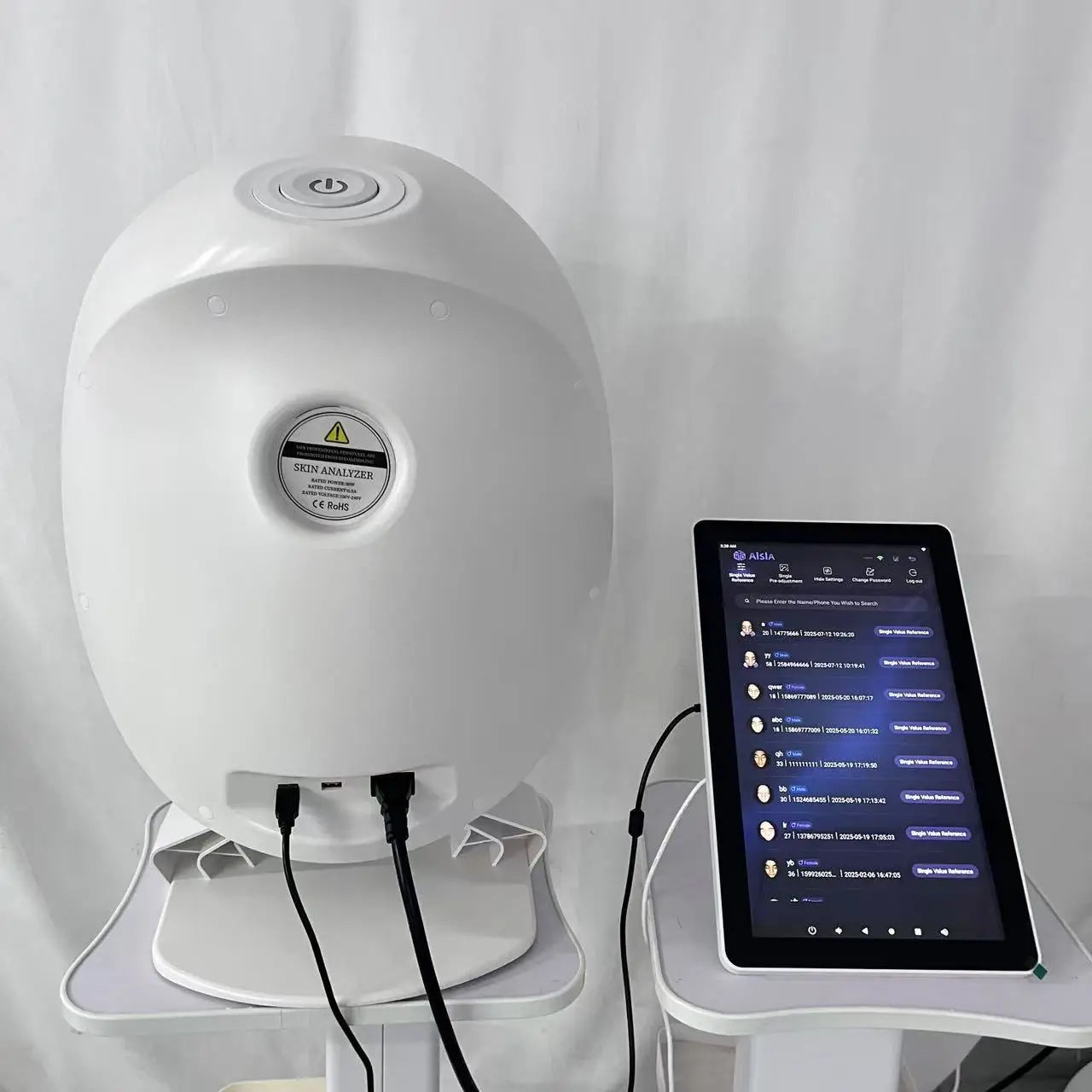
Confirm whether the analyzer requires a dedicated computer, touchscreen, wired connection, Wi-Fi, or another setup. Also ask whether reports can be exported and whether client records can be incorporated into the practice's existing workflow.
Physical and operational specifications
Check dimensions, weight, power requirements, installation requirements, operating environment, cleaning procedures, and any maintenance requirements. These details can have a major impact on day-to-day usability.
Certifications, warranty, and technical documentation
Professional buyers should verify applicable compliance documentation, warranty coverage, manuals, software support, and technical assistance. For example, the MYOSLIM AI skin analyzer described in this guide uses a 36MP industrial HD camera, AI and 8-spectrum imaging, operates at 220V, carries CE and RoHS certifications, and includes a one-year warranty.
Professional Applications: Where Do Skin Analyzers Fit?
Dermatology clinics
In clinical environments, facial imaging may support documentation and patient communication, but its role should remain consistent with the device's intended use and applicable clinical requirements.
Aesthetic clinics and med-spa environments
Aesthetic practices can use structured skin analysis during consultations to document visible characteristics, discuss skincare goals, support treatment planning, and compare progress over time.
Spas and beauty professionals
For spas and estheticians, analysis can make consultations more structured by providing visual information about pigmentation, pores, wrinkles, moisture-related indicators, sebum, tone, and elasticity.
Practices expanding their equipment selection can also explore Skin and Beauty Care Devices for related professional and personal skincare equipment.
Skincare consultation workflows
A practical workflow can follow five stages: intake, facial imaging, analysis, recommendation, and follow-up. Historical images and reports can then help professionals compare results during subsequent consultations instead of relying exclusively on memory or subjective visual assessment.
How Much Does a Professional Facial Skin Analyzer Device Cost?
There is no single meaningful price for professional facial analysis equipment because cost depends on imaging hardware, software, AI functionality, reporting, certifications, support, installation, training, and service arrangements. Buyers should compare the complete package rather than focusing only on the initial hardware price.
What determines professional skin analyzer pricing?
- Camera and imaging hardware
- Number and sophistication of imaging modes
- AI and software capabilities
- Analysis categories and reporting features
- Data management and progress tracking
- Certifications and documentation
- Training and installation
- Warranty and technical support
- Software updates and ongoing service
Upfront price vs total cost of ownership
Before purchasing, ask about subscriptions, software updates, calibration, maintenance, training, installation, replacement components, and technical support. A lower purchase price may not represent a lower long-term cost if essential software or service features require additional fees.
What to include in a vendor quote
Request an itemized quote covering the complete hardware package, software, analysis functions, warranty, training, delivery, installation, updates, support, and any recurring fees. If the vendor offers a demonstration, use the same session to test image consistency and reporting quality.
For a professional example, the AI Skin Analyzer for Professional 3D Facial Skin Analysis combines 36MP HD imaging, 8-spectrum technology, AI-assisted analysis, multiple skin indicators, digital reporting, and image tracking. Requesting the current specifications and commercial terms is preferable to assuming that advertised features represent every available configuration.
Professional Facial Skin Analyzer vs Other Skin Analysis Device Categories
Professional facial analyzer vs handheld skin analyzer
A handheld analyzer may prioritize portability and convenience, while a professional facial system can prioritize standardized full-face imaging, broader image capture, reporting, and repeatable consultation workflows. The right choice depends on whether portability or comprehensive facial documentation is more important.
Professional facial analyzer vs smartphone skin analysis
Smartphone-based systems are convenient and inexpensive, but controlled professional imaging can offer more consistent capture conditions. A dedicated analyzer may also provide specialized imaging modes, structured reports, and workflow features that are not available through a standard phone camera.
Imaging system vs diagnostic medical equipment
These categories should not be treated as interchangeable. A cosmetic facial imaging system can support visual assessment and consultation, while regulated medical equipment may have different intended uses, validation requirements, regulatory classifications, and clinical claims.
Comparison Matrix: What Matters Most When Choosing a Professional Analyzer
- Imaging quality: Prioritize resolution, lighting control, positioning, and repeatability rather than megapixels alone.
- Imaging modes: Confirm which spectral or polarization technologies are included and what each mode actually shows.
- Analysis depth: Check whether the system evaluates the indicators relevant to your consultation workflow.
- AI capability: Determine what the AI classifies, how results are generated, and what validation information is available.
- Reporting: Look for client-friendly reports, comparison views, progress tracking, and export options.
- Workflow: Verify whether the system fits your intake, consultation, treatment-planning, and follow-up process.
- Support: Compare warranty, training, software updates, documentation, and technical assistance.
- Compliance: Verify certifications and intended-use documentation for your market and professional setting.
Professional Facial Skin Analyzer Buying Checklist
Imaging and measurement checklist
- Verify camera resolution and image quality.
- Confirm the available imaging modes.
- Ask how facial positioning and lighting are standardized.
- Identify which indicators are measured, estimated, or image-derived.
- Test repeatability during a live demonstration.
Software and reporting checklist
- Confirm AI analysis categories.
- Review a complete sample report.
- Check progress tracking and historical comparisons.
- Verify data export and storage capabilities.
- Ask how software updates are delivered.
Vendor and support checklist
- Verify applicable certifications.
- Review warranty terms.
- Ask whether training is included.
- Request technical manuals and documentation.
- Confirm after-sales support and service response procedures.
Pre-purchase demonstration questions
- What exactly does each imaging mode reveal?
- Which indicators are directly measured versus inferred from images?
- What validation or performance data supports the analysis results?
- Can the system compare facial images over time?
- What software, subscription, or update costs apply after purchase?
- What training and technical support are included?
- Can the vendor provide a complete sample client report?
Pros and cons of choosing a professional facial skin analyzer
Pros:
- More standardized facial imaging than ordinary smartphone photography.
- Multiple imaging modes can provide complementary visual information.
- AI-assisted analysis can organize numerous skin indicators efficiently.
- Digital reports can make consultations more structured.
- Image tracking can support progress comparisons.
- Professional workflows can benefit from repeatable documentation.
Cons:
- Image-derived results are not automatically medical diagnoses.
- Results can vary with lighting, positioning, preparation, calibration, and software.
- Higher-end systems can require greater upfront investment.
- Software, training, maintenance, and support can affect total ownership cost.
- More imaging modes do not necessarily mean better results without appropriate methodology and validation.
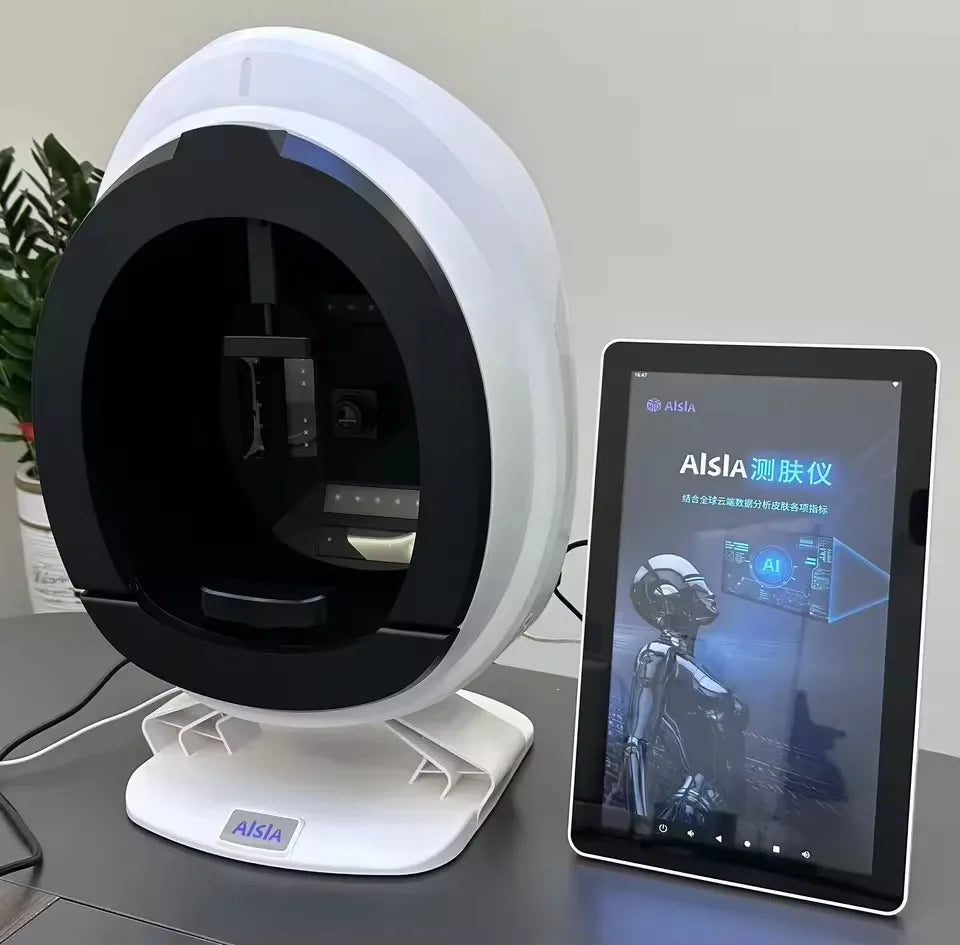
For practices that want to evaluate a specific professional configuration, the MYOSLIM AI skin analyzer is an example of a system built around 36MP industrial HD imaging, AI, 8-spectrum imaging, multiple skin indicators, digital reports, and ongoing image tracking. Its listed specifications include CE and RoHS certification and a one-year warranty.
Related professional equipment can also be explored through Body Care and Health Devices, while broader skincare education is available through the Body & Face Blog.
Final Buying Advice
The best professional facial skin analyzer is not necessarily the system with the longest feature list or highest camera resolution. A stronger buying decision comes from matching imaging technology, analysis methodology, repeatability, reporting, workflow integration, documentation, certifications, warranty, training, software support, and after-sales service to the needs of the practice.
Before purchasing, request a demonstration and verify how the device produces its results. Ask which skin characteristics are directly measured, which are image-derived, how repeatability is maintained, and what evidence supports the manufacturer's performance claims.
If a professional facial analysis system fits your consultation workflow, you can review the AI Skin Analyzer specifications and request the information needed to compare the system with your clinic or salon requirements.
Pillar Article: AI Facial Analyzer for Estheticians: Best Options Compared













