

Professional Foot Grinder: Best Electric Callus Removers Compared (2026)
⏱ 8 min read
A professional foot grinder for home use can deliver smoother heels and salon-inspired results without frequent appointments. But not every electric foot grinder performs the same. Motor strength, RPM settings, abrasive head quality, battery life, and safety features determine whether a device is suitable for light maintenance or stubborn callus removal.
In this guide, we compare what makes a professional foot grinder different, review key buying factors, and explain how to choose the best electric callus remover for your foot care routine.
Explore which professional electric foot grinders offer the best balance of power, safety, and value.
Comparison Table: Best Professional Foot Grinders at a Glance
| Product | Power & Speed | Power Type | Abrasive Compatibility | Best For | Warranty |
|---|---|---|---|---|---|
| KentDO Electric Foot Grinder | Adjustable grinding performance for controlled exfoliation | Cordless design | Replaceable grinding heads | Home users wanting salon-style maintenance | Manufacturer warranty |
| Professional Rechargeable Foot Files | Multiple speed options depending on model | Cordless | Roller-based abrasive heads | Regular home callus maintenance | Varies by brand |
| Salon Pedicure Drills | High torque and professional-level speed control | Usually corded | Multiple sanding attachments | Heavy calluses and professional use | Varies by manufacturer |
A professional foot grinder is not necessarily the fastest device available. The best option depends on whether you need occasional smoothing, regular maintenance, or stronger performance for thick calluses.
What Makes a Foot Grinder Professional?
A professional foot grinder combines stronger performance, better durability, and more precise control than basic electric foot files. These features help users remove rough skin efficiently while reducing the risk of excessive abrasion.
Professional vs Consumer Foot Grinders
| Feature | Professional Foot Grinder | Consumer Electric Foot File |
|---|---|---|
| Motor performance | Higher torque for thicker calluses | Designed mainly for maintenance |
| Durability | Built for frequent use | Better for occasional home sessions |
| Control | Multiple speeds and attachments | Limited adjustment options |
| Target user | Advanced home users or professionals | Beginners and casual users |
Foot Grinder vs Electric Foot File vs Pedicure Drill
These terms are often used interchangeably, but they serve slightly different purposes:
- Professional foot grinder: Designed for stronger callus removal with improved control and durability.
- Electric foot file: A consumer-friendly tool for smoothing dry skin and maintaining soft feet.
- Pedicure drill: A salon-focused device with specialized attachments for detailed foot and nail work.
For most home users, a high-quality electric foot grinder offers the best balance between professional performance and easy operation.
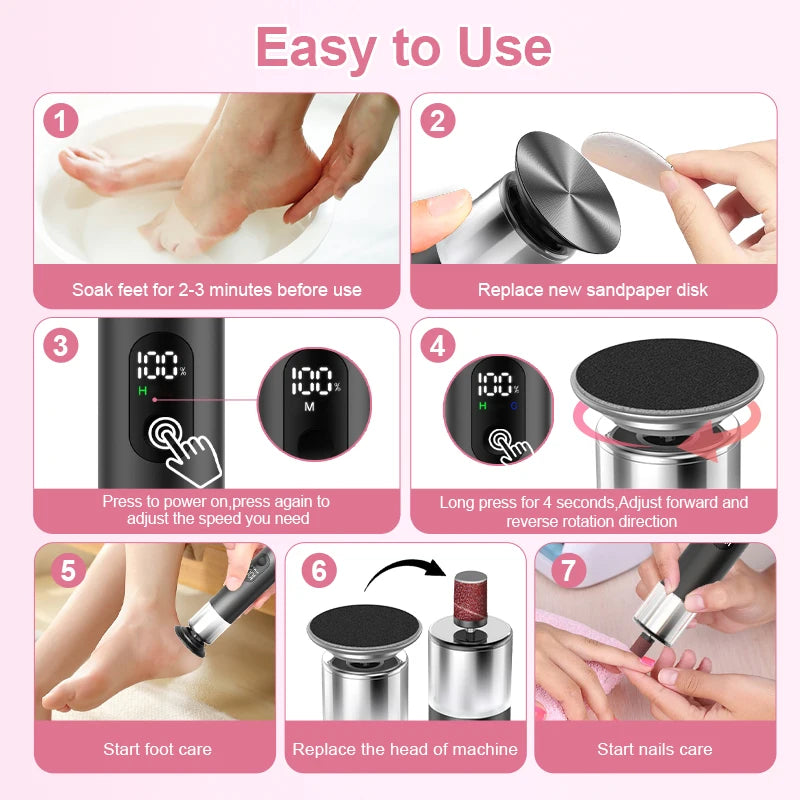
Salon-level smoothing at home — See it in action
Best Professional Foot Grinders Reviewed
Best Overall: KentDO Electric Foot Grinder
Best for: Users who want reliable salon-style foot care at home.
The KentDO Electric Foot Grinder combines controlled exfoliation, comfortable handling, and practical home-friendly performance. Its ergonomic design makes it easier to target heels, soles, and rough areas without excessive pressure.
Strengths:
- Comfortable grip for longer sessions
- Designed for regular home maintenance
- Replaceable grinding components
- Convenient cordless operation
Potential limitation: Users with extremely thick professional-level calluses may require multiple sessions rather than aggressive removal in one use.
Best for Home Use: Rechargeable Electric Foot Files
Best for: Beginners who want simple weekly foot maintenance.
Rechargeable electric foot files are popular because they are easy to operate and require minimal setup. They work well for dry heels, mild calluses, and keeping feet smooth between pedicure appointments.
Strengths:
- Simple controls
- Portable design
- Low learning curve
Potential limitation: Entry-level models may struggle with very thick hardened skin.
Best Salon-Grade: Professional Pedicure Drills
Best for: Experienced users needing maximum precision.
Salon-grade pedicure drills provide powerful motors and multiple attachments. They are commonly used by professionals because they allow detailed control over different areas of the foot.
Strengths:
- High torque performance
- Wide attachment selection
- Suitable for frequent use
Potential limitation: They require more experience and are often less convenient for everyday home care.
Best Budget Option: Compact Electric Callus Removers
Best for: Occasional users with mild rough skin.
Budget-friendly models can provide good results when used consistently. They are ideal for users who need basic smoothing without advanced professional features.
Best for Thick Calluses: High-Torque Foot Grinders
Best for: Users dealing with stubborn heel buildup.
High-torque models maintain stronger contact with rough skin areas and reduce the need for repeated passes. However, careful technique is essential to avoid removing too much skin.
Choosing the Best Electric Callus Remover
Motor Power, RPM & Torque
Motor performance affects how easily a device handles thick calluses. Higher torque helps maintain consistent grinding speed, while adjustable RPM settings allow safer use on sensitive areas.
A good professional foot grinder should balance power with control rather than simply operating at maximum speed.
Roller and Sanding Disc Compatibility
The abrasive surface determines how aggressively the device exfoliates.
- Coarse rollers: Better for thick, hardened areas.
- Medium rollers: Suitable for general maintenance.
- Fine rollers: Better for finishing and sensitive skin.
Replacement availability is important because worn rollers reduce effectiveness over time.
Ergonomics, Battery & Dust Control
Comfort features improve consistency. Look for:
- Non-slip handles
- Lightweight construction
- Long battery life
- Easy cleaning design
Some advanced electric foot grinders include dust collection systems, helping keep the workspace cleaner during use.
Replacement Parts and Long-Term Costs
The initial purchase price is only part of ownership cost. Consider:
- Replacement roller prices
- Availability of accessories
- Battery lifespan
- Warranty coverage
A slightly more expensive professional foot grinder may provide better value if replacement parts remain available.
How to Use an Electric Callus Remover Safely
Step-by-Step Guide
- Wash and dry feet before use.
- Select the correct roller based on skin thickness.
- Start at a lower speed setting if available.
- Move the device gently across rough areas without pressing aggressively.
- Check your skin regularly during use.
- Apply moisturizer after exfoliation.
Common Mistakes to Avoid
- Using excessive pressure
- Grinding the same area for too long
- Using coarse rollers on sensitive skin
- Ignoring worn-out grinding heads
Who Should Not Use One?
People with certain foot conditions, open wounds, irritated skin, or circulation concerns should consult a healthcare professional before using an electric callus remover.
For additional foot care routines, explore related Nail Care Devices .
Cleaning, Sanitation and Maintenance
Cleaning After Every Use
Proper cleaning helps maintain performance and hygiene:
- Remove detachable rollers when possible.
- Clean washable parts according to manufacturer instructions.
- Wipe the main device body with a dry or slightly damp cloth.
Replacing Rollers and Sanding Discs
Replace abrasive heads when they become smooth, damaged, or less effective. Continuing to use worn rollers can lead to longer sessions and uneven results.
Storage Tips
- Store the device in a dry location.
- Keep attachments protected from dust.
- Charge rechargeable models according to manufacturer recommendations.
For more self-care solutions, explore Body Care and Health Devices .
Quick Questions Answered
Is an electric foot grinder safe for sensitive skin?
Yes, when used carefully with the correct roller, low pressure, and appropriate speed. Fine rollers and gentle techniques are better choices for sensitive areas.
How often should I use an electric callus remover?
Most users can maintain smooth feet with about once-weekly sessions. Frequency depends on skin condition, lifestyle, and how quickly calluses return.
Are professional foot grinders worth it for home use?
Yes, for users who regularly deal with rough heels or thick calluses. A professional foot grinder can provide better durability, control, and consistency than basic manual tools.
Can beginners safely use a professional foot grinder at home?
Yes. Beginners should start slowly, avoid heavy pressure, and follow the manufacturer’s instructions to build confidence.
Can I replace salon pedicures completely?
Many users rely on home electric foot grinders for regular maintenance, while others combine them with occasional professional treatments for deeper care.
Are electric foot grinders better than manual tools?
Electric foot grinders provide faster, more consistent exfoliation with less physical effort. Manual tools can still work well, but they require more time and technique.
How long do replacement rollers or sanding discs last?
Lifespan depends on usage frequency, skin thickness, and roller quality. Replace them when performance decreases or the abrasive surface becomes worn.
How do I sanitize a professional foot grinder between uses?
Clean removable parts after each session and follow the manufacturer’s cleaning instructions. Avoid exposing electrical components to water unless specifically designed for it.
Related Guide: Electric Callus Remover Comparison: Which Works Best at Home
Ready to upgrade your routine? The KentDO Electric Foot Grinder combines precision, comfort, and durability for confident results.
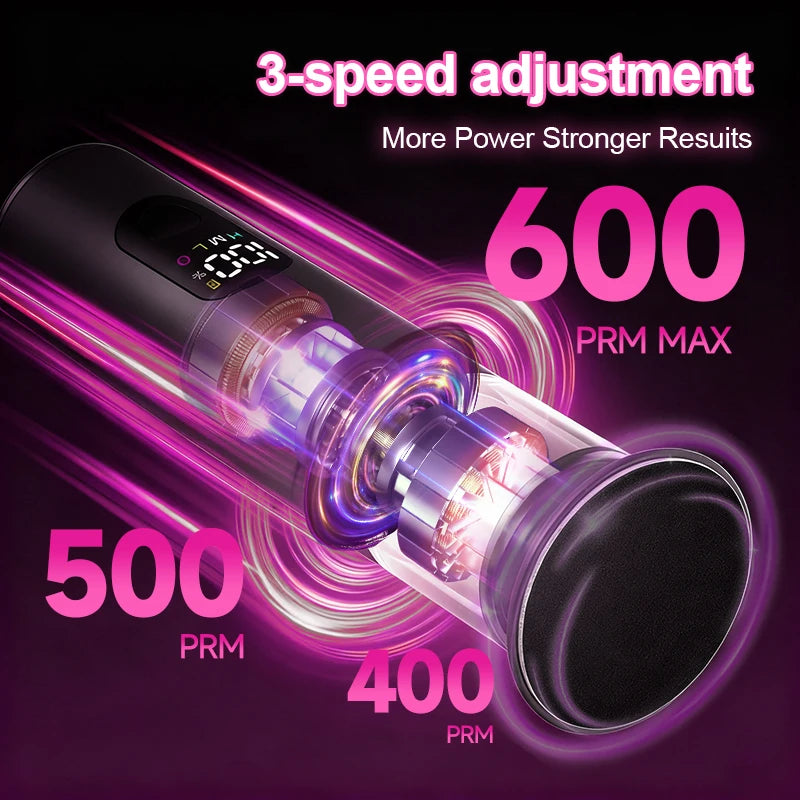
From rough to refined — See it in action
Get yours today — limited availability













