

Professional Muscle Stimulator Machine: Complete Buyer's Guide
Choosing a professional muscle stimulator machine requires more than comparing price tags or maximum power. Professional systems can differ substantially in stimulation technology, channels, waveform control, intensity adjustment, treatment areas, programming, electrode configuration, cooling, safety documentation, regulatory positioning, warranty, and long-term serviceability. The right choice depends on whether the machine will support physical therapy, rehabilitation, sports recovery, aesthetic body contouring, or a multi-use professional practice.
What Is a Professional Muscle Stimulator Machine?
A professional muscle stimulator machine is equipment designed to produce controlled muscle stimulation for a defined treatment or conditioning purpose. Depending on the technology, stimulation may be delivered through surface electrodes or through electromagnetic energy. Professional systems generally provide greater control, treatment-area flexibility, durability, documentation, and workflow capabilities than basic consumer stimulators.
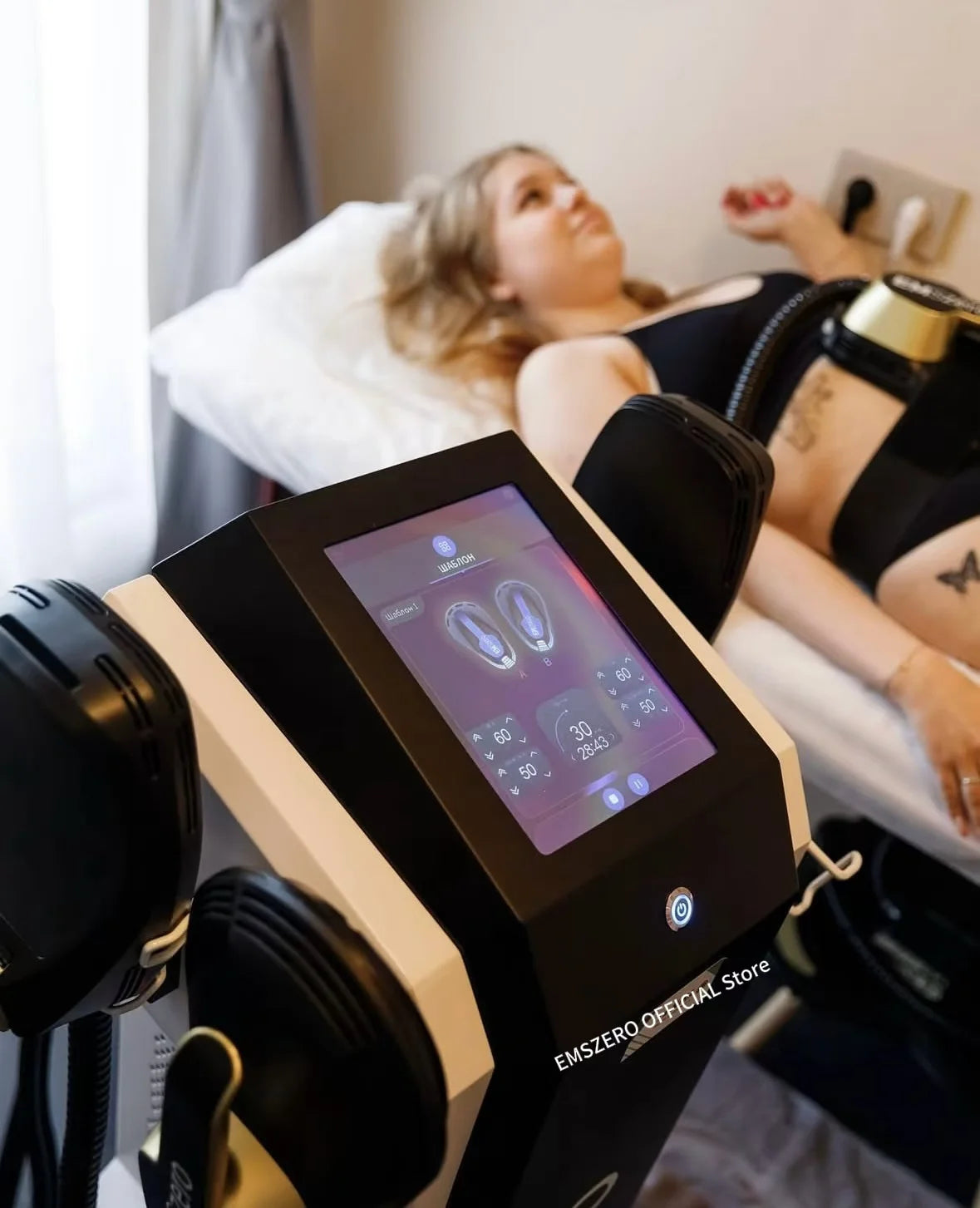
How Electrical Muscle Stimulation Works
Conventional electrical muscle stimulation uses controlled electrical pulses delivered through electrodes placed on or near the target muscle. The electrical stimulus interacts with motor nerves and can produce muscle contractions. Parameters such as frequency, pulse width, intensity, ramp time, and duty cycle influence the stimulation experience and the resulting muscle response.
Electrode placement is particularly important because the position, size, contact quality, and anatomical location of the electrodes can affect which muscle groups are stimulated. Professional operators therefore need to follow the device's instructions for use and appropriate treatment protocols rather than selecting settings based solely on maximum output.
EMS vs NMES vs TENS vs Other Electrotherapy
EMS is commonly used as a broad term for electrical muscle stimulation. NMES, or neuromuscular electrical stimulation, specifically refers to electrical stimulation intended to activate nerves and produce muscle contractions. TENS, by contrast, is primarily associated with transcutaneous electrical nerve stimulation for pain-management applications rather than directly conditioning muscles.
These terms should not be treated as interchangeable when evaluating professional equipment. A buyer should confirm the actual stimulation modality, intended use, operating parameters, and manufacturer labeling.
Electromagnetic muscle stimulation is another category. Instead of relying on adhesive surface electrodes to deliver electrical pulses, electromagnetic systems use electromagnetic energy to induce muscle stimulation. This distinction matters when comparing an electrode-based EMS/NMES machine with an electromagnetic body-contouring system.
Professional vs Consumer Muscle Stimulators
Consumer stimulators are often designed around portability and simple preset operation. A professional muscle stimulator machine may instead prioritize multiple treatment areas, more detailed controls, repeatable protocols, durable construction, operator workflow, training resources, documentation, technical support, and replacement-part availability.
However, "professional" should not be treated as a substitute for verified regulatory status. Buyers should evaluate the actual specifications, intended use, labeling, certifications, and manufacturer documentation of each device.
How to Choose a Professional Muscle Stimulator Machine
The best professional muscle stimulator machine is the one whose technology and controls match the intended application. Before purchasing, evaluate these seven areas.
1. Stimulation Technology and Waveform Control
First identify whether the device uses electrical stimulation, electromagnetic stimulation, or another modality. For electrical systems, review waveform type, pulse width, frequency, ramp settings, duty cycles, polarity where applicable, and the degree of parameter customization.
For electromagnetic systems, verify the stated operating frequency, energy or output specifications, applicator configuration, cooling system, treatment areas, and operating modes. Do not compare an electromagnetic device with an electrode-based EMS machine simply by looking at a single frequency or power specification.
2. Number of Channels
Channel count determines how many stimulation outputs or treatment areas can be controlled simultaneously, depending on the machine architecture. Single- and dual-channel systems may work well for focused applications, while four-channel or higher systems can improve workflow when several muscle groups require simultaneous treatment.
For electromagnetic systems, the equivalent consideration may be the number and configuration of applicators or handles. More handles can provide greater positioning flexibility, but buyers should confirm whether controls can be adjusted independently.
3. Intensity Range and Output Control
Adjustable intensity is more important than a large maximum-output number alone. Professional equipment should allow operators to select appropriate stimulation levels and make controlled adjustments during a session.
When reviewing specifications, consider the adjustment range, increments, independent controls, consistency of output, and whether the manufacturer's documentation explains how output should be selected for the intended application.
4. Preset and Custom Programs
Preset programs can simplify routine workflows, while customizable programs may provide greater flexibility for different users and treatment goals. Look for session timers, adjustable operating modes, ramping or duty-cycle controls where applicable, and repeatable settings.
A sophisticated interface is useful only when operators can understand and reproduce the settings safely. Documentation and training should therefore be evaluated alongside the number of available programs.
5. Electrode System and Placement Flexibility
For electrode-based EMS or NMES machines, assess electrode sizes, reusable versus disposable pads, lead configuration, attachment methods, replacement availability, and compatibility with different anatomical treatment areas.
Electromagnetic systems should instead be assessed by applicator or handle configuration and positioning flexibility. A machine with multiple handles can support several body areas, but the manufacturer should clearly document appropriate placement and operating procedures.
6. Controls, Display, and Operator Workflow
Professional equipment should make routine operation straightforward. Evaluate touchscreen size, program navigation, intensity controls, independent channel management where applicable, session monitoring, and the ability to return to commonly used settings.
A large display can also improve usability when operators need to monitor multiple settings. The goal is not simply to buy the machine with the most advanced interface, but to select a control system that reduces unnecessary workflow complexity.
7. Certifications and Regulatory Documentation
Regulatory documentation deserves particular attention for professional buyers. Verify the device's intended use, applicable regulatory status, labeling, user manual, safety documentation, manufacturer identity, and certifications relevant to the market where the equipment will be used.
Do not assume that a CE mark, FDA-related statement, or "professional" label automatically establishes a particular clinical indication. Ask the supplier for the underlying documentation and make sure the marketing claims match the device's authorized or documented intended use.
Professional Muscle Stimulator Machine Comparison
Professional EMS Machine Specification Comparison
| Evaluation Factor | What to Check | Why It Matters |
| Stimulation technology | Electrical EMS/NMES or electromagnetic stimulation | Determines how muscle stimulation is produced and how the machine should be evaluated |
| Channels or applicators | Number, configuration, and independent control | Influences simultaneous treatment and workflow efficiency |
| Intensity/output | Adjustable range, increments, and output consistency | Supports controlled and repeatable operation |
| Programs | Presets, custom modes, timers, and adjustable parameters | Helps match the system to different workflows |
| Electrode/applicator system | Electrode sizes or applicator configuration | Determines treatment-area flexibility |
| Controls | Touchscreen, buttons, dials, or independent controls | Affects operator efficiency and ease of use |
| Safety documentation | Contraindications, precautions, labeling, and operating instructions | Critical for responsible professional use |
| Warranty and service | Warranty period, spare parts, repairs, and technical support | Reduces long-term operational risk |
| Total cost | Machine, consumables, accessories, service, and training | Provides a more realistic measure of business value |
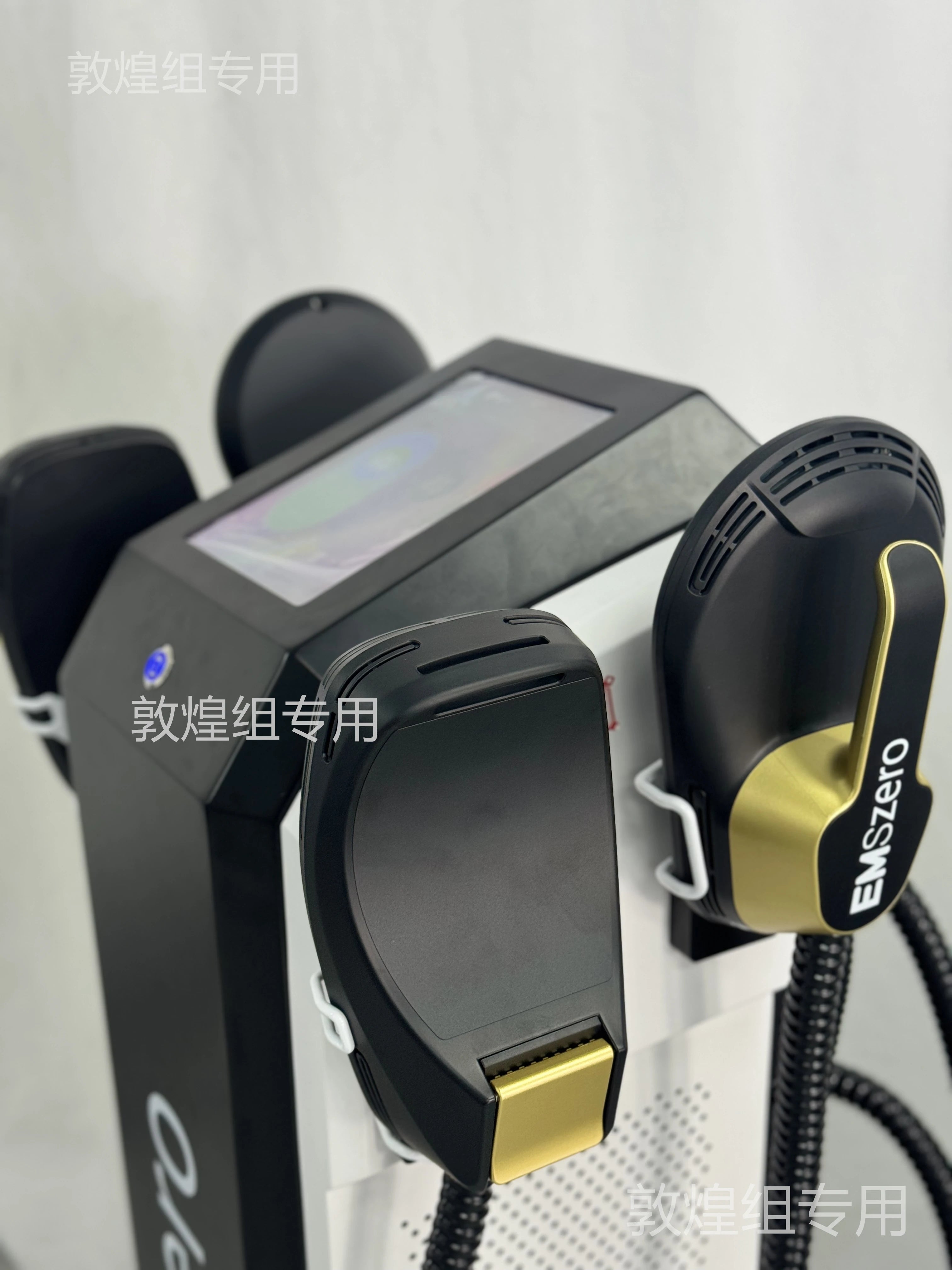
One example of how to apply these criteria is the EMS Body Slimming Machine for Muscle Toning & Body Sculpting. Based on the supplied specifications, this system uses electromagnetic muscle stimulation, offers a 15.6-inch display, operates at a listed frequency range of 5–100 Hz, includes four handles, uses intelligent air cooling, and carries a one-year warranty.
Its specifications make it particularly relevant to buyers evaluating electromagnetic body-sculpting equipment rather than conventional electrode-based EMS/NMES devices. The product information describes applications involving the abdomen, arms, legs, and glutes and positions the system for commercial and home-use environments. Buyers should still verify intended use, regulatory documentation, training requirements, and applicable safety information before professional deployment.
For additional body-focused equipment, explore the Body Care and Health Devices collection to compare the broader equipment category with your practice requirements.
Which Specifications Matter Most for Your Practice?
A rehabilitation clinic may prioritize controllable stimulation parameters, repeatable protocols, electrode flexibility, patient monitoring, and documentation. A sports setting may place more emphasis on multi-area coverage, efficient sessions, portability, and flexible protocols. An aesthetic practice may prioritize treatment-area coverage, applicator configuration, cooling, user interface, and clearly documented body-contouring applications.
There is therefore no universally "best" specification. The strongest purchase decision connects each feature to an actual workflow requirement.
Best Professional EMS Machine Features by Use Case
Physical Therapy and Rehabilitation
For rehabilitation environments, controllable parameters and repeatability are central considerations. Operators should be able to follow appropriate protocols, monitor the user, adjust stimulation when necessary, and document the session. Electrode placement and device-specific contraindications are equally important.
Buyers should also distinguish equipment intended for general muscle stimulation from devices specifically indicated for rehabilitation applications. Intended use and regulatory documentation should determine how the machine can appropriately be used.
Sports Recovery and Performance Settings
Sports facilities may value multi-channel operation, broad muscle-group coverage, efficient setup, and adjustable protocols. Portability may matter for teams or practitioners who work across multiple locations, while fixed systems can make more sense for high-volume facilities.
Aesthetic and Body-Contouring Settings
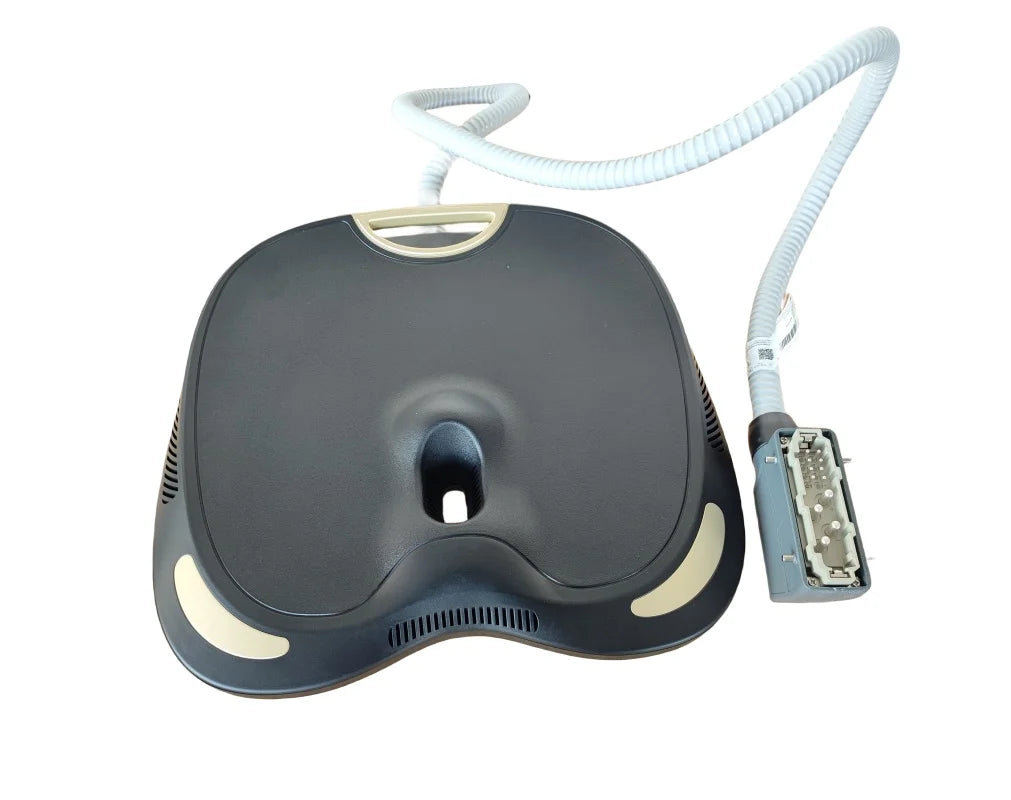
Body-contouring applications require careful attention to treatment-area coverage, applicator positioning, operating modes, cooling, safety documentation, and marketing claims. Muscle stimulation should not automatically be presented as equivalent to weight loss or guaranteed fat reduction.
An electromagnetic system such as the EMS body sculpting machine can be evaluated for this use case by examining its four-handle configuration, 5–100 Hz listed frequency range, 15.6-inch display, air-cooling system, and stated electromagnetic stimulation technology.
Multi-Use Professional Clinics
Multi-use practices benefit from equipment that can support several workflows without creating unnecessary operational complexity. In this setting, prioritize flexible treatment-area configuration, straightforward controls, adjustable operating modes, documentation, supplier support, and reliable replacement-part availability.
Safety, Electrode Placement, and Operator Training
Common Contraindications and Precautions
Electrical and electromagnetic stimulation devices can have device-specific contraindications and precautions. Professional buyers should never rely on a generic internet checklist as a substitute for the manufacturer's labeling, instructions for use, or appropriate professional guidance.
Before treatment, operators should review the user's relevant circumstances, follow the device's documented precautions, and avoid applications that the manufacturer identifies as inappropriate. If the intended clinical application requires professional assessment, the appropriate qualified practitioner should make that determination.
Electrode Placement and Treatment Setup
With electrode-based systems, proper skin preparation, electrode contact, anatomical positioning, and lead placement are fundamental. Electrodes should be positioned according to the manufacturer's instructions rather than improvised based on appearance alone.
With electromagnetic systems, operators should follow the manufacturer's instructions for applicator positioning, treatment areas, operating modes, session duration, and intensity. The fact that a system can reach a high listed output does not mean maximum output is appropriate for every user or application.
Cleaning, Disinfection, and Consumable Management
Professional environments should establish procedures for cleaning and maintaining all user-contact accessories. Reusable electrodes, applicators, cables, handles, and other accessories should be maintained according to manufacturer instructions. Replacement schedules should also be included in operating-cost calculations.
Why Operator Training Matters
Training helps staff understand parameter selection, setup, patient or user monitoring, cleaning, troubleshooting, documentation, and appropriate escalation when something does not appear normal. A technically capable machine still requires competent operation.
How to Evaluate Evidence and Clinical Claims
What Clinical Evidence Can and Cannot Tell You
Clinical evidence should be interpreted in relation to the exact stimulation technology, parameters, population, treatment protocol, and outcome being studied. Evidence for one electrical stimulation protocol does not automatically validate a different electromagnetic device or a different treatment objective.
When reviewing research, ask whether the study technology and protocol actually resemble the machine under consideration. This prevents buyers from using broad claims about "EMS" to justify conclusions that the available evidence does not directly support.
How to Assess Manufacturer Claims
Compare marketing claims against the manufacturer's technical documentation, intended use, regulatory information, and supporting evidence. Claims about muscle toning, strengthening, body shaping, or fat reduction should be evaluated separately rather than treating all outcomes as interchangeable.
For professional purchasing, transparent specifications are often more useful than vague performance language. A supplier that can provide clear manuals, technical specifications, safety documentation, warranty terms, and support information gives buyers a stronger basis for evaluation.
Professional EMS Machine Total Cost of Ownership
Upfront Machine Cost
The purchase price should be evaluated alongside channels or applicators, controls, programs, accessories, included consumables, cooling systems, and other hardware. A lower initial price may not represent better value if essential accessories or support are excluded.
Consumables and Replacement Parts
Calculate the expected cost of electrodes, pads, cables, leads, applicators, and other replacement components. For electrode-based systems, recurring pad costs can become significant in high-volume practices. For electromagnetic systems, verify the expected service requirements and availability of replacement components.
Warranty, Repairs, and Serviceability
A professional machine is a business asset, so downtime has a financial cost. Check warranty duration, repair procedures, technical support, spare-part availability, turnaround expectations, and whether the supplier provides operator training or troubleshooting resources.
The supplied specifications for the KentDo EMS Body Slimming Machine list a one-year warranty. Buyers should confirm what the warranty covers, how service is handled, and which components are considered replaceable before purchasing.
Cost Per Treatment or Session
A simple cost-per-session model can include the machine purchase price, expected service life, consumables, maintenance, electricity, training, and other recurring expenses. Comparing these costs against expected utilization gives a more useful picture of long-term value than comparing sticker prices alone.
Professional Muscle Stimulator Machine Buyer's Checklist
Technical Specifications to Verify
- Confirm the stimulation technology and intended application.
- Verify channels or applicator count and control configuration.
- Check frequency, intensity, output, and adjustable operating parameters.
- Review preset and customizable programs.
- Evaluate electrode or applicator configuration and treatment-area flexibility.
- Check display, controls, timers, cooling, and operator workflow.
- Confirm electrical requirements and installation considerations.
Regulatory and Documentation Checks
- Request the manufacturer's intended-use documentation.
- Verify applicable regulatory status for your market.
- Review labeling, user manuals, contraindications, and precautions.
- Confirm that promotional claims match documented indications or intended uses.
- Ask for relevant certification and compliance documentation rather than relying on unsupported marketing statements.
Supplier and Support Checks
- Confirm warranty length and coverage.
- Ask about technical support and operator training.
- Check availability of replacement parts and accessories.
- Verify repair procedures and expected service turnaround.
- Calculate recurring consumable and maintenance costs.
- Confirm expected lead times and after-sales support.
Final Purchase Decision
Score each candidate against clinical or professional suitability, stimulation technology, technical capability, safety documentation, workflow fit, durability, supplier support, regulatory positioning, and total cost of ownership. Price should be one factor rather than the deciding factor.
If electromagnetic body sculpting is the intended application, the EMS Body Slimming Machine for Muscle Toning & Body Sculpting provides a specification-based option to evaluate, including four handles, a 15.6-inch display, a listed 5–100 Hz frequency range, intelligent air cooling, electromagnetic muscle stimulation, and a one-year warranty. Verify the full technical and regulatory documentation for your intended professional application before purchase.
Conclusion
The best professional muscle stimulator machine is not necessarily the machine with the highest advertised power or the longest feature list. It is the system whose stimulation technology, channels or applicators, controls, treatment configuration, safety documentation, regulatory positioning, supplier support, durability, and operating costs align with the actual professional use case.
Before committing to a purchase, compare the technical documentation as carefully as the price. For body-contouring practices evaluating electromagnetic muscle stimulation, a system such as the KentDo EMS Body Slimming Machine can be assessed against these criteria rather than judged by marketing claims alone. That approach produces a more transparent buying decision and helps ensure that the equipment fits the practice, workflow, and intended application.
Pillar Article: Abdominal Muscle Stimulation: How Devices Work and What to Know













