

Professional Skincare Consultation Tools: A Complete Guide
Professional skincare consultation tools can turn a subjective client conversation into a more structured process for assessment, recommendation, documentation, and follow-up. The most effective setup is not necessarily the one with the most advanced device. Instead, it connects client intake, structured skin assessment, digital analysis, treatment records, personalized recommendations, and progress tracking into one repeatable workflow.
For estheticians, beauty salons, skincare clinics, and professional skin management centers, this approach can make consultations more consistent while providing a clearer record of how a client's skin changes over time.
What Are Professional Skincare Consultation Tools?
Professional skincare consultation tools are resources used to collect client information, assess skin characteristics, document findings, support personalized recommendations, and track results. They can include simple intake forms and consultation checklists as well as digital skin analysis systems and facial imaging equipment.
A complete consultation workflow typically follows six stages: intake, assessment, analysis, documentation, recommendation, and follow-up. Connecting these stages helps practitioners use information gathered at the beginning of a consultation when making recommendations and evaluating progress later.
Core Tool Categories Used in Professional Consultations
- Client intake forms: Capture relevant background information, concerns, routines, and treatment history.
- Skin assessment checklists: Provide a consistent framework for observing and recording skin characteristics.
- Digital skin analysis systems: Use imaging and software to organize measurable or image-based skin observations.
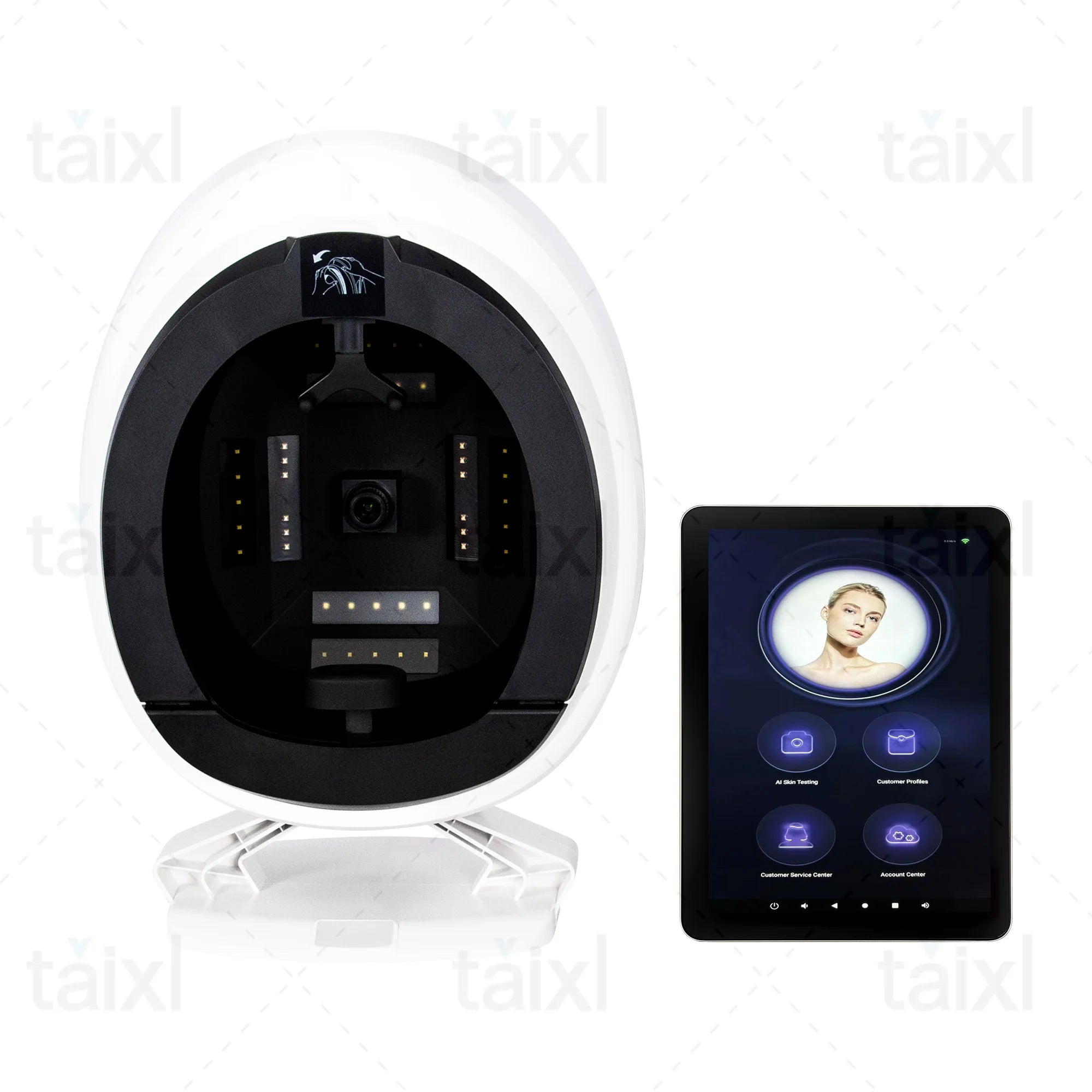
- Facial skin analyzers: Provide specialized facial imaging and analysis capabilities.
- Client documentation systems: Store assessment results, recommendations, treatment notes, and product changes.
- Progress tracking tools: Help compare standardized images, measurements, and notes across appointments.
Why a Connected Workflow Matters
Using isolated tools can create gaps between what a client reports, what a practitioner observes, what a device measures, and what is ultimately recommended. A connected workflow creates a consistent reference point for each consultation.
For example, an initial intake can identify a client's concerns, a structured assessment can document visible characteristics, digital imaging can add another layer of information, and follow-up records can show whether the client's skin profile has changed.
The 6 Essential Tools for a Professional Skincare Consultation
1. Client Intake Form
A client intake form establishes the context for the consultation. It can capture primary concerns, current skincare routines, products being used, previous treatments, and other information relevant to the consultation process.
The value of an intake form is consistency. Asking the same core questions for each client makes it easier to identify changes and avoid relying entirely on memory during future appointments.
2. Skin Assessment and Consultation Checklist
A structured skin assessment checklist helps practitioners systematically review characteristics such as visible pigmentation, pores, wrinkles, acne-related concerns, tone, texture, and apparent hydration or oiliness.
The checklist should support professional observation rather than replace professional judgment. Its primary purpose is to make the assessment process repeatable and easier to document.
3. Digital Skin Analysis System
A digital skin analysis system can add imaging-based information to a consultation. Depending on the technology, systems may analyze or display characteristics such as pigmentation, pores, wrinkles, moisture, sebum, tone, elasticity, and acne-related features.
This is particularly useful when a practitioner wants to establish a digital baseline that can be referenced during subsequent consultations.
4. Facial Skin Analyzer
A facial skin analyzer is a more specialized option for practitioners who want dedicated imaging and analysis equipment rather than relying only on visual assessment or standard photographs.
Professional systems may combine high-resolution imaging with multiple imaging conditions or spectral technologies. The goal is to provide a more structured view of facial skin characteristics and support consultation documentation.
5. Client Documentation and Treatment Records
Documentation should connect assessment findings with recommendations and treatment history. A useful record can include the client's stated concerns, baseline observations, analysis results, products recommended, treatments performed, and notes about changes between appointments.
Good documentation also makes future consultations more efficient because the practitioner can review previous decisions rather than reconstructing the client's history from memory.
6. Client Progress Tracking Tools
Progress tracking tools help practitioners compare a client's skin profile over time. Standardized photographs, repeated analysis conditions, treatment notes, and product records can provide a more useful picture of change than relying on casual visual impressions alone.
How to Build a Professional Skincare Consultation Workflow
A practical professional workflow connects every tool to a specific consultation stage. The objective is to create a repeatable process rather than simply accumulate equipment.
- Collect client information before the consultation. Record the client's concerns, current routine, relevant product use, and previous treatments.
- Perform a structured skin assessment. Use a consistent checklist to document visible characteristics and the client's stated priorities.
- Add device-assisted skin analysis. Use digital imaging when additional visual or analytical information can improve the assessment.
- Document findings and establish a baseline. Save relevant observations, images, analysis results, and consultation notes.
- Create personalized skincare recommendations. Match recommendations to the client's documented concerns and overall skin profile.
- Schedule follow-up and track changes. Repeat relevant assessments under comparable conditions and update the client record.

How Skin Analysis Technology Improves Skincare Consultations
Skin analysis technology can make consultations more structured by adding digital facial imaging to conventional observation. It is especially useful when practitioners need to document multiple skin characteristics, establish a baseline, or compare results during ongoing skin management.
What a Skin Analysis System Can Measure
Depending on the system, professional skin analysis may evaluate characteristics including acne, pigmentation, pores, wrinkles, moisture, sebum, skin tone, and elasticity. These indicators can help organize observations that might otherwise be difficult to record consistently.
An AI skin analyzer can also generate structured reports that bring several observations together in one consultation record. However, analysis results should be interpreted within the broader client history and professional assessment rather than treated as an independent diagnosis.
Visible Skin Assessment vs Digital Skin Analysis
Visual assessment remains an important part of a professional consultation because the practitioner can consider client-reported concerns, appearance, texture, history, routine, and other contextual information.
Digital skin analysis adds another layer by producing standardized facial images and structured analysis data. The two approaches are therefore complementary: visual assessment provides professional context, while digital analysis can improve documentation, consistency, and comparison.
What a Facial Skin Analyzer Adds to the Consultation
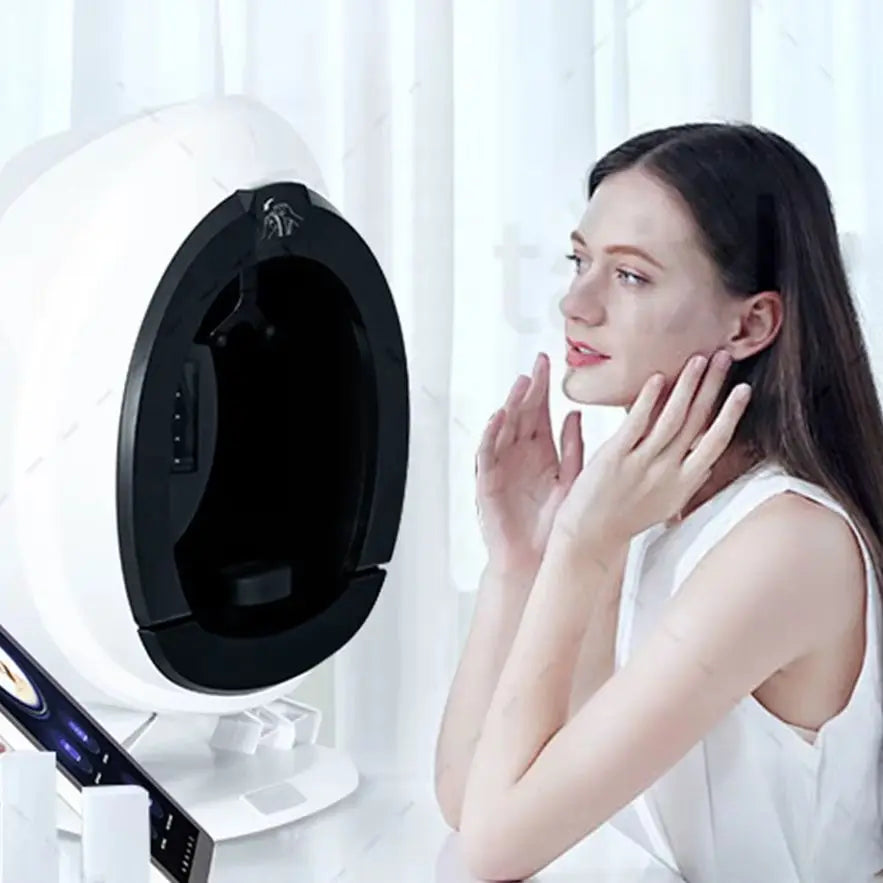
For professional practices that need more detailed imaging, an AI Skin Analyzer for Professional 3D Facial Skin Analysis combines 36MP high-definition imaging, 8-spectrum technology, and AI-powered analysis. The system is designed for professional beauty salons, skincare clinics, and skin management businesses, with analysis covering characteristics such as pigmentation, pores, wrinkles, moisture, sebum, tone, and elasticity.
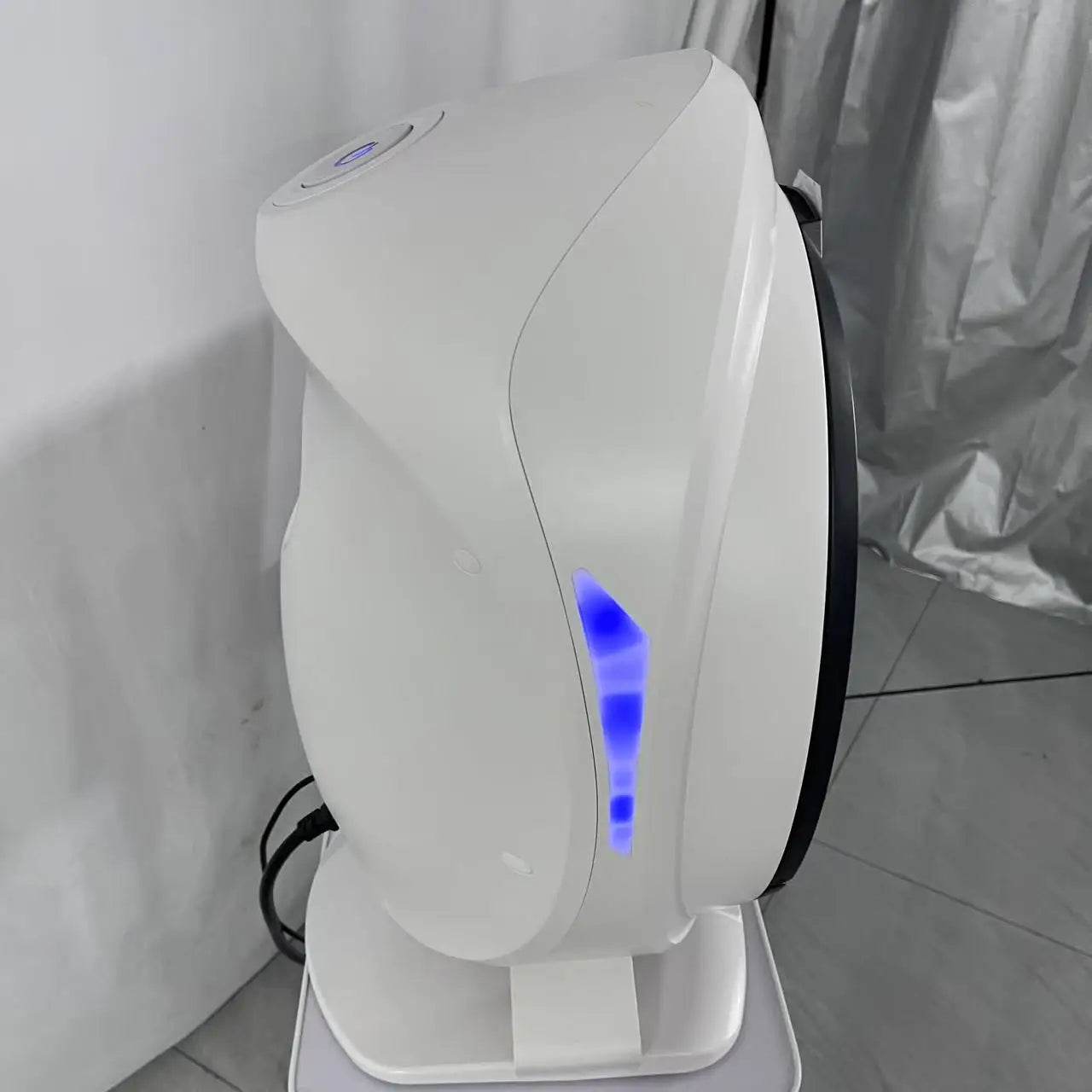
For practitioners evaluating professional analysis equipment, the relevant question is not simply whether a device has advanced imaging. Consider whether its reporting, image tracking, and analysis workflow fit the way consultations are actually performed.
How to Interpret Analysis Results Responsibly
Analysis results should be treated as consultation-support information. Practitioners should consider the client's reported concerns, direct observation, previous records, environmental or routine factors, and the conditions under which images were captured.
Consistency also matters. Differences in lighting, positioning, facial preparation, camera distance, or imaging conditions can affect comparisons. A digital report is most useful when it becomes one component of a standardized professional workflow rather than the sole basis for a recommendation.
What Should Be Included in Professional Client Documentation?
Client History and Skin Concerns
Document the client's primary concerns and relevant background information at the beginning of the consultation. This creates context for interpreting later observations and recommendations.
Baseline Skin Assessment Results
Record the initial assessment in a consistent format. When digital analysis is used, save the relevant images and analysis results so they can serve as a baseline for later comparisons.
Products, Treatments, and Recommendations
Client records should identify recommended products, professional treatments, and the reasoning behind important recommendations. Recording these decisions makes follow-up consultations easier to manage.
Before-and-After Photos and Progress Notes
Progress documentation can combine standardized photographs, analysis results, treatment notes, and product changes. The objective is to create a chronological record rather than relying on isolated before-and-after images.
For additional professional beauty-device resources, practitioners can also explore the Skin and Beauty Care Devices collection when building a broader technology setup.
How to Use Consultation Tools for Personalized Skincare Recommendations
Match Recommendations to the Client's Skin Profile
Recommendations should reflect the information collected throughout the consultation. Intake responses, professional observations, digital analysis, current routine, and previous treatment history can collectively inform the recommendation process.
Prioritize the Most Relevant Skin Concerns
Not every detected characteristic needs to become a treatment priority. A professional consultation should distinguish between the client's primary concerns and secondary observations, then focus recommendations accordingly.
Document Why Each Recommendation Was Made
Recording the reasoning behind recommendations improves continuity. It also gives the practitioner a reference point for evaluating whether a future adjustment is warranted after changes in the client's skin or routine.
How to Track Client Progress After the Consultation
Progress tracking works best when the initial consultation creates a clear baseline. Repeated assessments can then be compared against that baseline under reasonably consistent conditions.
Create a Consistent Baseline
Capture the initial skin assessment, relevant images, analysis results, recommendations, and treatment information. The baseline should be detailed enough to support a meaningful future comparison.
Standardize Photos and Analysis Conditions
Use comparable lighting, camera positioning, facial preparation, and imaging procedures whenever possible. Standardization helps reduce differences caused by the measurement process itself.
Record Treatment and Product Changes
Progress records should include meaningful changes to skincare products, professional treatments, routines, and consultation recommendations. Without this context, a change in skin appearance can be difficult to interpret.
Compare Results Over Time
Repeated digital analysis and standardized images can help practitioners identify changes across appointments. The purpose is not to turn every numerical or visual difference into a definitive conclusion, but to create a more consistent evidence base for ongoing consultation.
Related professional care equipment can also be organized through the Body Care and Health Devices collection.
How to Choose the Right Skincare Consultation Tools for Your Clinic
For Solo Estheticians and Small Practices
A smaller practice may benefit from starting with a strong intake process, standardized assessment checklist, client records, and consistent photography before investing in advanced equipment. If digital analysis is central to the consultation model, a dedicated facial analyzer can then add imaging and reporting capabilities.
For Growing Skincare Clinics
Growing clinics may benefit from integrating digital analysis with client documentation and progress tracking. The priority should be reducing duplicated work and making it easier for different consultations to follow the same basic process.
For High-Volume Professional Clinics
High-volume clinics should place greater emphasis on workflow efficiency, repeatability, reporting, image management, and data access. Tools that reduce manual documentation while maintaining consistent assessment procedures can become increasingly valuable as client volume grows.
Match Tool Investment to Consultation Goals
Start with the outcome you want the consultation process to achieve. If the main goal is better client intake, prioritize forms and documentation. If the goal is more structured skin assessment, consider digital analysis. If progress tracking is important, prioritize systems that support image or analysis history.
Key Buying Criteria: Accuracy, Ease of Use, Reporting, Integration, and Cost
When comparing professional skincare consultation tools, consider:
- Accuracy and consistency: Can the system produce useful, repeatable information under standardized conditions?
- Ease of use: Can practitioners incorporate it without unnecessarily slowing the consultation?
- Reporting: Does the system organize findings in a format useful for client discussions and records?
- Image and data tracking: Can previous information be accessed for follow-up comparisons?
- Workflow fit: Does the tool integrate naturally with the clinic's existing consultation process?
- Total cost: Consider equipment, implementation, maintenance, training, and any ongoing software requirements.
For a practice specifically considering AI-assisted facial analysis, the professional AI skin analyzer is designed around high-definition imaging, 8-spectrum analysis, structured reporting, and ongoing image tracking.
Professional Skincare Consultation Tools: Comparison Framework
Tool Type vs Primary Purpose vs Best For
| Tool Type | Primary Purpose | Best For |
| Client intake form | Collect client history and concerns | Every professional consultation |
| Skin assessment checklist | Standardize practitioner observations | Consistent manual assessment |
| Digital skin analysis system | Organize imaging-based skin information | Practices using technology-assisted assessment |
| Facial skin analyzer | Capture and analyze detailed facial images | Salons, clinics, and professional skin management centers |
| Client documentation system | Store consultation and treatment records | Ongoing client management |
| Progress tracking tools | Compare changes across appointments | Long-term skincare programs |
Basic vs Advanced Consultation Setups
A basic setup can combine an intake form, structured assessment checklist, standardized photographs, and client records. An advanced setup adds digital skin analysis, specialized facial imaging, structured reports, and image tracking.
The appropriate level depends on consultation volume, client expectations, budget, workflow complexity, and how important objective progress documentation is to the practice.
Data Privacy and Best Practices for Client Skin Information
Professional skin analysis can involve facial images and client-specific assessment information, so privacy should be treated as part of the consultation workflow rather than an afterthought.
Get Appropriate Client Consent
Explain when facial images or assessment information will be collected and how the information will be used. Obtain appropriate consent according to the practice's applicable policies and legal requirements.
Protect Client Photos and Assessment Records
Store client photographs, analysis reports, and consultation records using appropriate security controls. Avoid unnecessary duplication of sensitive client information.
Limit Access and Retain Only Necessary Data
Access to client information should be limited to people who need it for legitimate professional purposes. Practices should also establish reasonable retention and deletion procedures for information that is no longer necessary.
Final Thoughts on Professional Skincare Consultation Tools
The strongest professional skincare consultation setup is not defined by the most advanced device alone. It connects client intake, structured skin assessment, digital analysis, documentation, personalized recommendations, and progress tracking into a repeatable process.
For practices that need more detailed facial imaging, an AI skin analysis system for professional consultations can serve as one component of that workflow, particularly when high-definition imaging, multi-spectrum analysis, structured reporting, and ongoing image tracking are useful to the consultation model.
The goal is ultimately consistency: collect relevant information, assess systematically, document clearly, personalize recommendations thoughtfully, and use comparable follow-up information to understand how the client's skin profile changes over time.
Pillar Article: AI Facial Analyzer for Estheticians: Best Options Compared













