

What Is the Quietest Diesel Heater? Top Models Compared
Quick Answer: Quietest Diesel Heaters by Use Case
The quietest diesel heater is typically one that combines a balanced combustion fan, an isolated fuel pump, vibration-dampened mounting, and an efficient exhaust silencer. For most users, real-world interior noise falls between 35-45 dB while cruising at low output and 40-50 dB when producing maximum heat. Installation quality often has a greater impact on perceived sound than the brand alone.
If you're searching for a quiet diesel heater for truck use, prioritize models with rubber-isolated pumps and insulated housings. RV and camper van owners usually benefit from compact heaters with smooth fan control, while garages and cabins can tolerate slightly higher fan speeds in exchange for greater heat output.
Quiet Diesel Heater for Trucks: Top Models & Noise Comparison
Choosing a quiet diesel heater isn't only about comfort—it's about getting reliable overnight warmth without constant humming, ticking, or vibration. This guide compares the quietest diesel heaters, explains where heater noise actually comes from, evaluates realistic decibel levels, and shows how installation and maintenance influence long-term acoustic performance.
⏱ 7 min read
Two heaters with identical power ratings can sound dramatically different. Fan design, pump isolation, exhaust routing, and installation quality all influence how quiet a heater feels inside a truck, camper van, RV, or workshop.
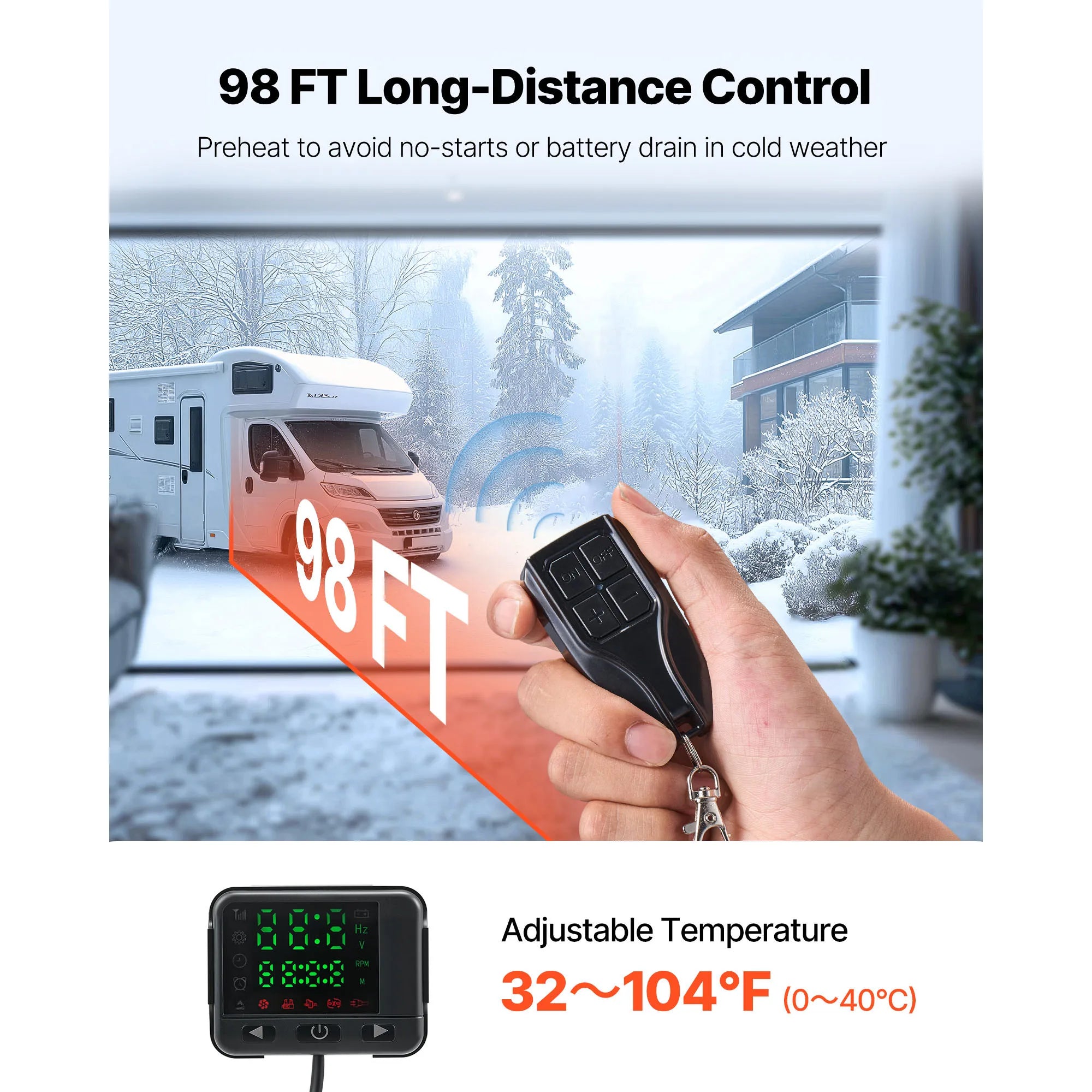
Quiet diesel heater installations focus on efficient heating with minimal cabin noise.
Why Choosing a Low-Noise Diesel Heater Matters
A quiet diesel heater improves more than comfort. For truck drivers, camper van owners, and RV travelers, reduced fan hum and pump ticking make it easier to sleep through the night while maintaining a comfortable cabin temperature.
Even when a heater produces enough warmth, repetitive clicking from the metering pump or vibration transferred through the vehicle floor can become more distracting than airflow itself. During overnight operation, these sounds are often more noticeable because surrounding ambient noise decreases.
Many users ask, "Are diesel heaters quiet once running?" In most quality systems, the answer is yes. After startup, combustion stabilizes, the fan settles into a lower speed, and the heater typically becomes much quieter than during the ignition cycle.
How Diesel Heater Noise Works: Main Sources and Decibel Ratings
Understanding Diesel Heater dB Ratings
Diesel heater noise level is generally measured in decibels (dB) at approximately one meter from the unit. Typical operating ranges include:
- 35-40 dB: Premium installations running at low heat output.
- 40-45 dB: Most well-installed truck and RV heaters.
- 45-55 dB: Higher fan speeds or budget installations.
- Above 55 dB: Usually indicates vibration, poor mounting, or aggressive fan operation.
Combustion Fan vs Fuel Pump vs Exhaust Noise
Three components generate nearly all diesel heater sound:
- Combustion fan: Produces continuous airflow noise and high-frequency whine.
- Fuel pump: Creates rhythmic ticking as fuel pulses into the burner.
- Exhaust: Generates combustion rumble that varies with engine load and exhaust routing.
Idle Noise vs Maximum Power Noise
Startup is typically the loudest operating phase. During ignition, the fan accelerates rapidly while fuel delivery increases. Once cabin temperature stabilizes, most heaters reduce fan speed and fuel flow, making them noticeably quieter.
Manufacturer Ratings vs Real-World Sound Levels
Published specifications are measured under controlled conditions. In actual trucks or camper vans, metal floors, storage compartments, duct routing, and mounting brackets can amplify vibration. This explains why two identical heaters may produce different perceived noise after installation.
What Makes a Diesel Heater Quiet?
Brushless and Balanced Fan Motor Design
A precisely balanced combustion fan minimizes vibration while brushless motors maintain smoother airflow over long operating periods. These improvements reduce the high-pitched fan whine commonly associated with inexpensive heaters.
Fuel Pump Isolation and Anti-Ticking Solutions
The metering pump often becomes the loudest individual component. Mounting the pump on rubber isolators, positioning it at the recommended angle, and separating it from the vehicle frame significantly reduces ticking transmitted into the cabin.
Exhaust Silencers and Resonance Control
Quality exhaust silencers reduce combustion pulses rather than eliminating them completely. Longer exhaust routing with proper support also limits vibration that would otherwise resonate through the vehicle body.
Vibration Isolation Mounts and Housing Design
Well-designed housings, dense insulation, and vibration-dampening mounts prevent mechanical energy from transferring into the truck chassis. These engineering improvements usually provide a greater reduction in perceived noise than simply choosing a heater with a lower advertised dB rating.
Quietest Diesel Heaters: Noise Comparison Table
| Model Type | Typical Noise | Power | Best Use | Real-World Notes |
|---|---|---|---|---|
| Best Overall Quiet Diesel Heater | 38-42 dB | 5-8KW | Mixed truck and RV use | Excellent balance of heat, efficiency, and comfort. |
| Best Quiet Diesel Heater for Truck Owners | 38-45 dB | 8KW | Sleeper cabs and long-haul trucks | See the 8KW Diesel Air Heater for an efficient solution designed for dependable overnight warmth. |
| Best Quiet Diesel Heater for RV and Camper Vans | 36-40 dB | 2-5KW | Small living spaces | Prioritizes steady low-speed operation. |
| Best Budget Quiet Diesel Heater | 42-48 dB | 5KW | DIY installations | Can perform well when installed with proper isolation. |
| Best Quiet Diesel Heater for Garage or Cabin | 40-45 dB | 5-8KW | Larger enclosed spaces | Higher airflow offsets larger heating requirements. |
Quiet Diesel Heater Noise Comparison: What the Numbers Really Mean
Typical Diesel Heater Noise Ranges
Noise measurements only tell part of the story. Two heaters may both measure 42 dB, yet one sounds substantially quieter because its noise consists of low-frequency airflow rather than sharp mechanical ticking.
| Noise Source | Typical Perception | Most Noticeable During |
|---|---|---|
| Fan airflow | Soft continuous hum | Normal operation |
| Fuel pump | Rhythmic clicking | Low and medium output |
| Combustion exhaust | Muted rumble | High power settings |
| Vehicle vibration | Buzzing or resonance | Poor installations |
Why Two Heaters With Similar dB Ratings Can Sound Different
Human hearing is especially sensitive to repetitive high-frequency sounds. A heater with excellent pump isolation but slightly louder airflow often feels quieter than one producing lower measured decibels with constant ticking. This is why user experience sometimes differs from manufacturer specifications.
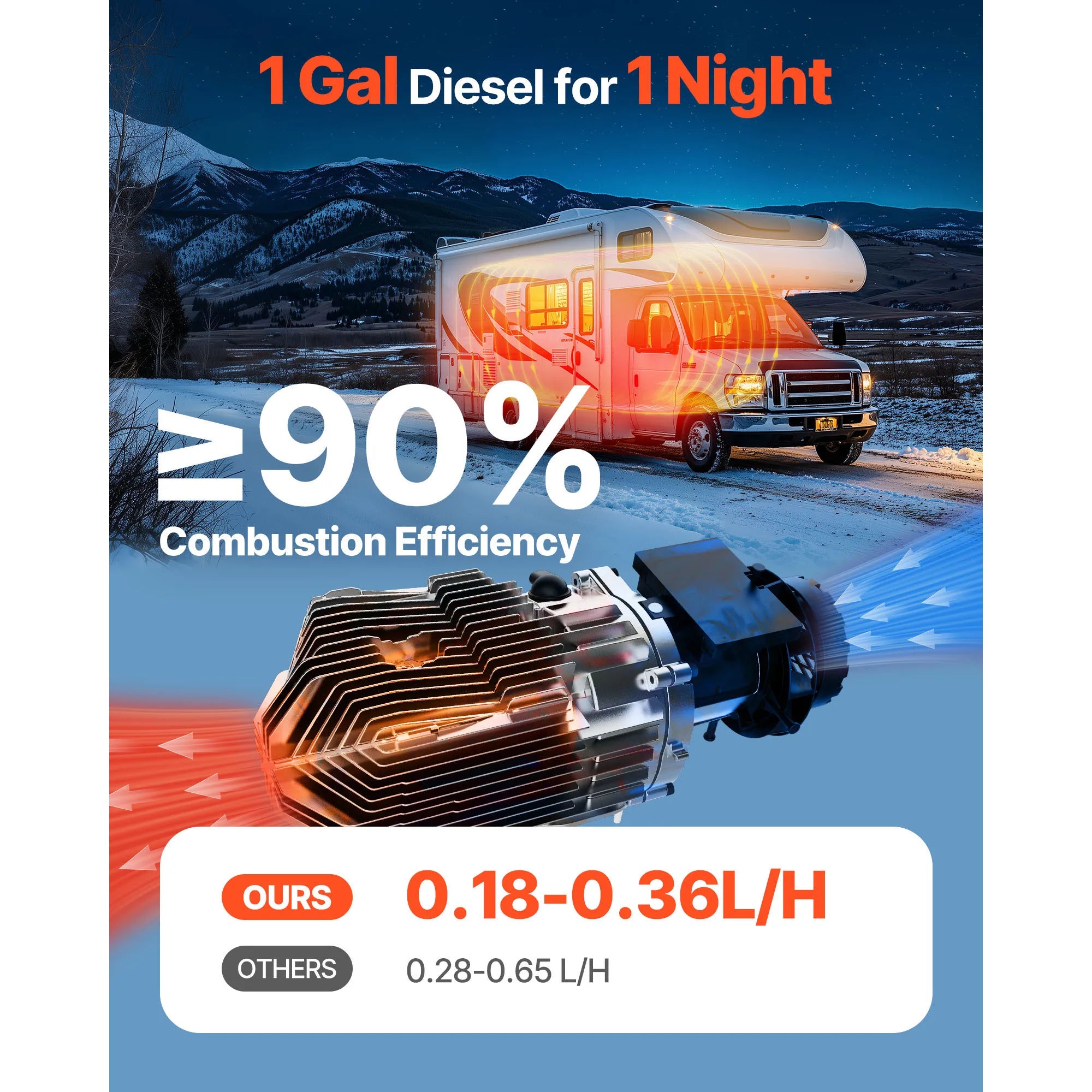
Reducing vibration often produces greater noise improvements than replacing the heater itself.
How Installation Affects Diesel Heater Noise
Mounting Location and Vibration Isolation
Install the heater on rubber isolation pads or vibration-dampening brackets instead of mounting directly to metal flooring. This prevents structural resonance throughout the vehicle.
Fuel Pump Placement and Damping
Position the pump away from sleeping areas whenever possible and secure it using rubber mounts. Avoid attaching it directly to large metal panels that amplify ticking.
Exhaust Routing and Silencer Installation
Install the supplied exhaust silencer correctly and support longer exhaust sections to prevent vibration. Excessively short or rigid exhaust pipes usually increase perceived noise.
Cabin Insulation and Soundproofing
Acoustic insulation around floors and storage compartments can noticeably reduce transmitted sound. For van conversions, see our van life insulation guides for additional quieting techniques.
Maintenance Tips to Keep a Diesel Heater Quiet
Cleaning the Burner and Combustion Chamber
Carbon buildup can affect combustion quality, increasing both operating noise and startup duration. Periodic cleaning helps maintain efficient, smooth operation.
Checking Fan Balance and Airflow
Dust accumulation on the fan can create imbalance and vibration. Cleaning fan blades and ensuring unrestricted airflow helps preserve low noise levels.
Inspecting Exhaust and Fuel Pump Components
Loose clamps, worn rubber mounts, damaged silencers, or aging pumps may gradually increase vibration and ticking. Routine inspections often solve noise complaints before major repairs become necessary.
Safety Considerations for Quiet Diesel Heater Operation
Modern diesel heaters use sealed combustion systems, so exhaust gases remain isolated from cabin air when installed correctly. Carbon monoxide hazards generally arise from damaged exhaust components, leaking seals, blocked air intakes, or improper installation.
Every installation should include a functioning carbon monoxide detector. For additional guidance, see our truck safety and CO monitoring guide.
Many travelers also pair diesel heaters with other practical upgrades available in the Lifestyle collection to improve overall comfort during extended trips.
Which Quiet Diesel Heater Is Best for Your Situation?
- Long-haul truck drivers: Focus on the lowest idle noise and excellent pump isolation for uninterrupted sleep.
- RV owners: Prioritize balanced fan control and efficient low-output heating for overnight comfort.
- Camper van travelers: Compact units with smooth airflow usually provide the best balance between space and quiet performance.
- Garage or cabin users: Slightly higher fan speeds are acceptable if greater heat output is required.
Many owners report the biggest improvement after optimizing installation rather than replacing the heater itself. Proper isolation, exhaust routing, and pump placement often reduce perceived noise more effectively than upgrading to a different model.
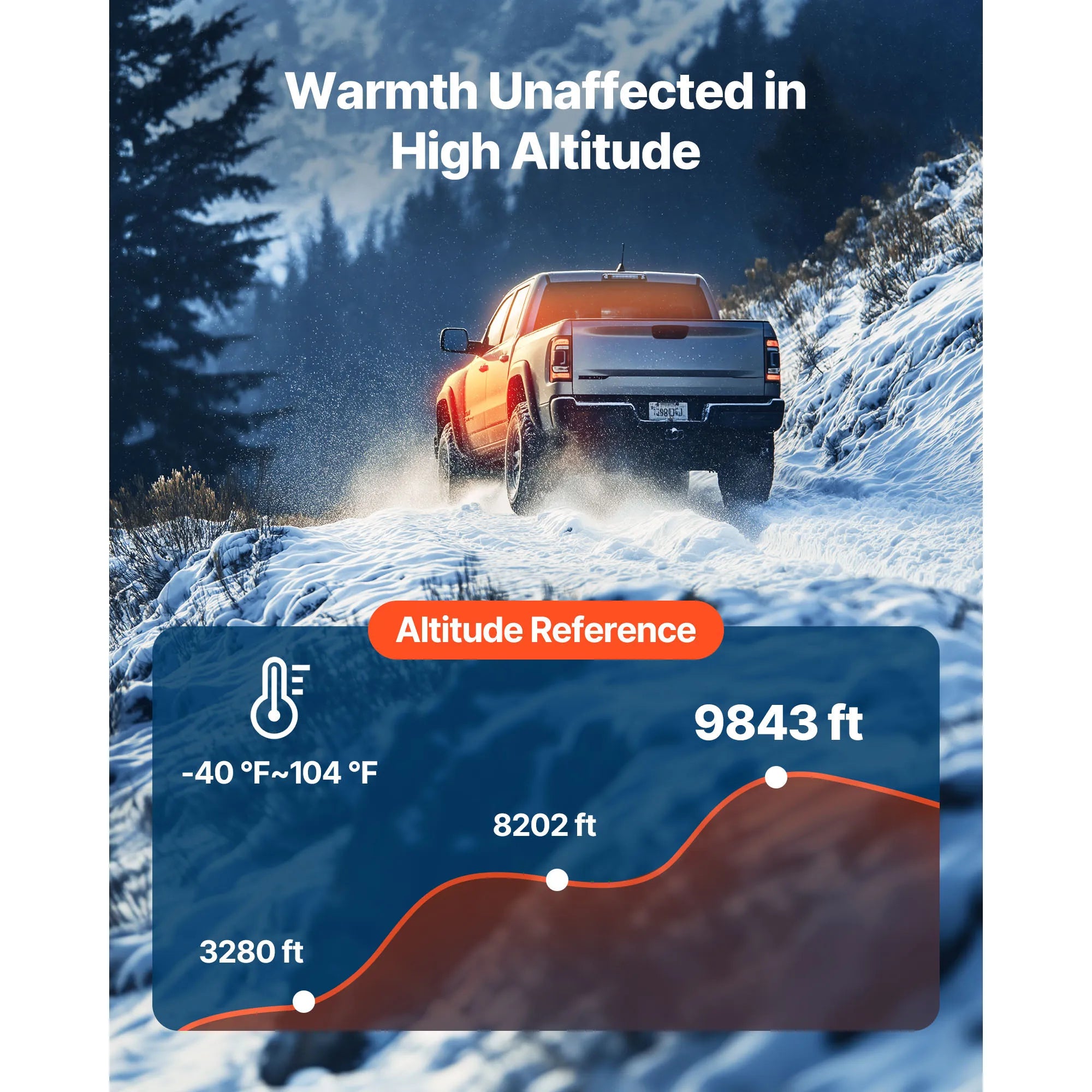
A well-installed quiet diesel heater can provide dependable overnight comfort with minimal disturbance.
Quiet Diesel Heater FAQ
What is the quietest diesel heater?
Premium heaters with balanced fan motors, isolated fuel pumps, and effective exhaust silencers generally achieve real-world operating levels around 35-40 dB under light heating loads. Installation quality remains a major factor.
Are diesel heaters quiet after startup?
Yes. Startup is usually the loudest phase because the fan accelerates and ignition begins. Once combustion stabilizes, most heaters become significantly quieter.
Are diesel heaters quiet once running?
Most quality diesel heaters operate with a gentle airflow sound after reaching their target temperature. Low-speed operation is generally quiet enough for overnight sleeping in trucks and camper vans.
What diesel heater noise level is considered quiet?
Noise levels between 35 and 45 dB at approximately one meter are generally considered quiet for diesel air heaters. Measurements above 50 dB often indicate higher fan speeds or installation-related vibration.
Are Chinese diesel heaters louder than premium brands?
Not always. Premium models often feature better fan balancing and pump isolation, but many budget heaters become surprisingly quiet when installed correctly with quality mounts and silencers.
Do diesel heater silencers actually reduce noise?
Yes. Exhaust silencers primarily reduce combustion rumble. They work best when combined with vibration isolation, proper exhaust routing, and careful fuel pump mounting.
Does a higher wattage diesel heater make more noise?
Not necessarily. A well-designed 8KW heater operating at moderate output may be quieter than a smaller unit running continuously at maximum capacity.
Related Guide: Diesel Air Heaters Compared Which Option Fits Your Vehicle













