

Heated Vest Charging Time: Why Stable Power Matters for Performance
Understanding your heated vest’s charging time and using the right charging method ensures consistent warmth and longer battery life. This guide explains how heated vest batteries work, how long they take to charge, and how to charge them safely for reliable winter performance.
Which charging habits actually keep your heated vest running longer? Let’s break it down step by step.
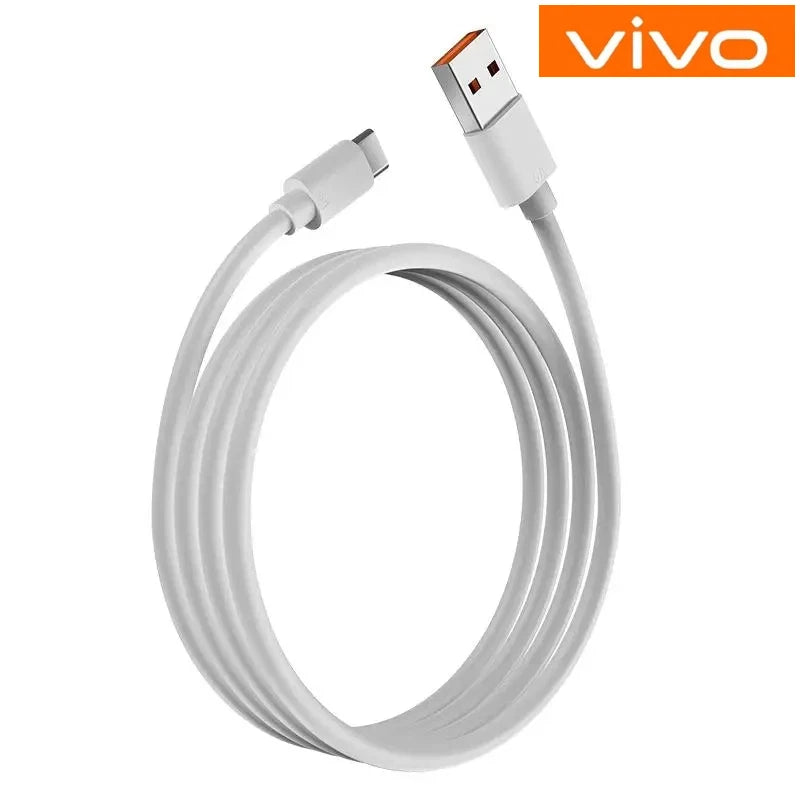
Consistent charging and power delivery help maintain reliable warmth in cold weather
How Does a Heated Vest Battery Pack Work?
Proprietary battery packs
Many heated vests use dedicated lithium-ion battery packs designed to deliver a specific voltage (commonly 7.4V or 12V). These batteries connect directly to heating elements inside the vest, converting stored energy into heat.
USB power banks
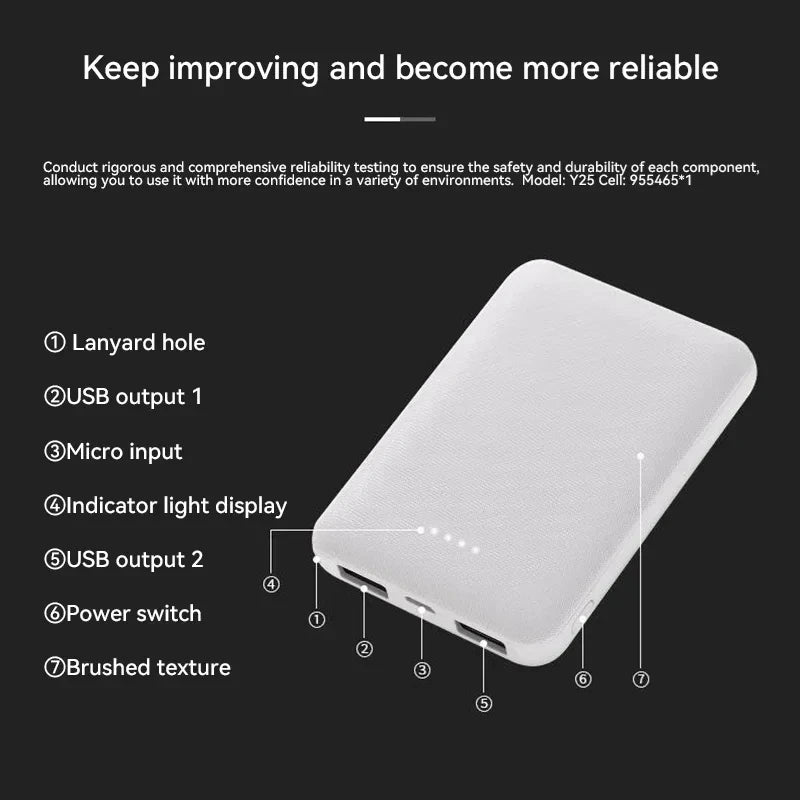
Some models rely on USB power banks, which are more flexible but require stable output to maintain consistent heating. A high-capacity option like a 20000mAh power bank can extend usage time significantly.
Voltage and output requirements
Heated vests depend on steady voltage to function correctly. If the power source cannot maintain consistent output, heat levels may fluctuate or shut off entirely. Always match your battery’s voltage and connector type with your vest.
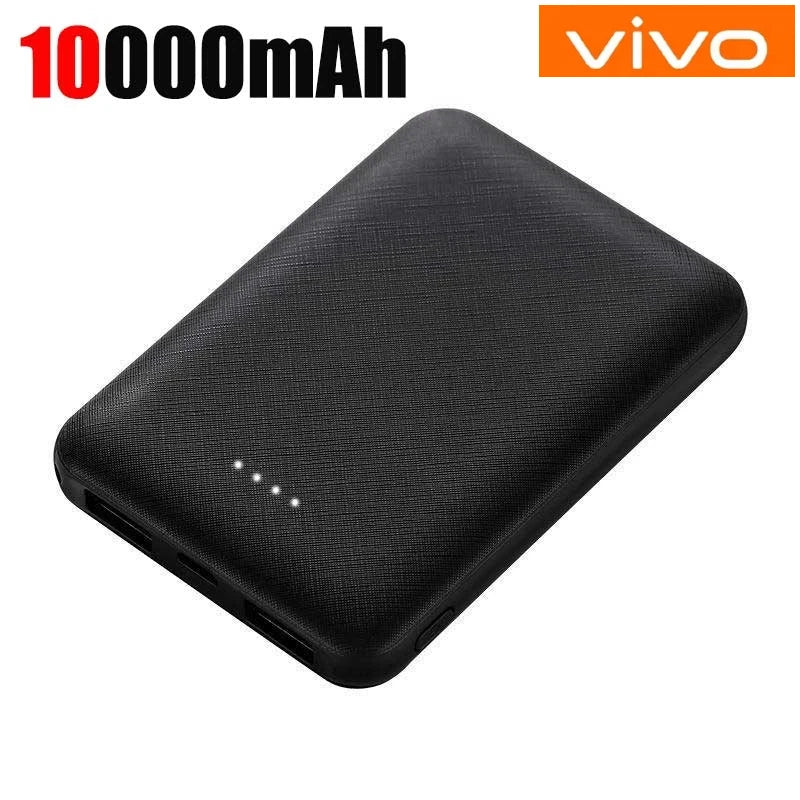
Battery compatibility and output stability directly impact heating performance
How to Charge a Heated Vest Battery Safely
First-time charging recommendations
Before first use, fully charge your battery to calibrate its capacity. This helps ensure accurate battery level readings and optimal performance.
Step-by-step charging process
- Connect the battery to the correct charger.
- Plug the charger into a stable power source.
- Place the battery on a flat, non-flammable surface.
- Allow it to charge uninterrupted until full.
How to know when charging is complete
Most batteries include LED indicators:
- Red light: Charging in progress
- Green or blue light: Fully charged
- Flashing light: Possible error or temperature issue
Avoid unplugging too early or leaving the battery in unstable environments while charging.
How Long Does It Take to Charge a Heated Vest Battery?
Typical charging times by capacity
| Battery Capacity (mAh) | Typical Charging Time | Expected Warmth Duration |
|---|---|---|
| 3,000–5,000 | 2–3 hours | 2–4 hours |
| 5,200–7,000 | 3–4 hours | 4–6 hours |
| 10,000–12,000 | 6–7 hours | 8–12 hours |
What affects charging speed
- Battery size and capacity
- Charger output (amps and voltage)
- Ambient temperature
- Battery condition and age
When slower charging is normal
Charging may take longer in cold environments or when using lower-powered USB ports. This is normal and helps protect battery health.
Why Heated Vest Batteries Charge Slowly or Stop Charging
Flashing LED indicators
If your battery light flashes, it may indicate overheating, cold conditions, or a faulty connection.
Battery not charging
- Check cable and charger compatibility
- Inspect battery ports for debris
- Ensure the outlet provides stable power
Cold-weather charging problems
Low temperatures slow chemical reactions inside lithium batteries, reducing charging efficiency. Always charge at room temperature when possible.
Choosing the Right Charger and Battery
Use manufacturer-approved chargers
Using the original charger ensures correct voltage and prevents damage.
USB-C vs DC charging
- USB-C: Convenient and widely compatible
- DC charging: Often faster and more stable
Compatibility checklist
- Matching voltage (7.4V or 12V)
- Correct connector type
- Stable output rating
- Certified safety standards
Using the right charger improves safety and charging efficiency
Battery Charging Tips for Longer Lifespan
Avoid overcharging
Disconnect the battery once fully charged to reduce long-term degradation.
Best charging habits
- Charge before the battery fully drains
- Use stable, high-quality power sources
- Avoid frequent partial charging cycles with unstable voltage
Storage between seasons
- Store batteries at 40–60% charge
- Keep in a cool, dry place
- Avoid extreme heat or freezing temperatures
Following proper charging habits can significantly extend your heated vest battery lifespan and maintain consistent performance.
Frequently Asked Questions
Can I leave my heated vest battery charging overnight?
It is generally safe with modern batteries that include protection circuits, but unplugging once fully charged is recommended to extend lifespan.
Can I use a phone charger for my heated vest battery?
Only if it matches the required voltage and output. Using incompatible chargers can lead to slow charging or damage.
Why won't my heated vest battery hold a charge anymore?
This usually indicates battery aging or repeated exposure to extreme temperatures. Replacement may be necessary after extended use.
Should I fully discharge the battery before recharging?
No. Lithium-ion batteries perform better with partial discharge cycles. Avoid draining to 0% regularly.
How long should I charge a heated vest battery for the first use?
Charge it fully (typically 3–6 hours depending on capacity) before first use to calibrate performance.
What do the red, blue, or green charging lights mean?
Red usually means charging, while green or blue indicates a full charge. Flashing lights may signal an issue.
Why does my heated vest battery stop charging in cold weather?
Cold temperatures reduce battery efficiency. Always charge indoors at room temperature.
How can I make my heated vest battery last longer?
Use proper charging habits, avoid extreme temperatures, and store the battery correctly between uses.
Warmth you can rely on starts with proper charging. Understanding how to charge your heated vest battery safely ensures better performance, longer lifespan, and consistent comfort throughout winter.
Related Guide: Choose Power Bank Heated Apparel Step-by-Step Setup Guide













