

Recovery Ankle Injury: How Advanced Wraps Improve Healing
⏱ 6 min read
An ankle injury can disrupt everything from walking the dog to exercising or simply climbing stairs. Whether you rolled your ankle during sports or stepped awkwardly off a curb, understanding the recovery process is one of the best ways to heal safely. While supportive ankle wraps can play an important role, successful recovery also depends on protecting the injured tissues, controlling swelling, restoring mobility, and progressing through rehabilitation at the right pace.
Explore practical recovery strategies that help improve comfort, stability, and confidence during healing.
Ankle Sprain Recovery: What to Expect From Day 1 to Full Healing
What Is an Ankle Sprain?
An ankle sprain occurs when one or more ligaments that stabilize the ankle stretch beyond their normal range or tear. Most sprains happen when the foot rolls inward, affecting the ligaments on the outside of the ankle. Although many people recover completely, proper early treatment helps reduce the risk of chronic instability and repeat injuries.
Grade I vs Grade II vs Grade III Recovery Timeline
- Grade I: Mild ligament stretching with minimal swelling. Most people recover within 2–4 weeks.
- Grade II: Partial ligament tear with moderate pain, swelling, and bruising. Recovery often requires 4–8 weeks of rehabilitation.
- Grade III: Complete ligament tear causing instability and difficulty bearing weight. Recovery commonly takes 8–12 weeks or longer and may require specialist care.
Factors That Affect Healing Speed
Your ankle injury recovery time depends on several factors, including injury severity, age, overall health, previous ankle injuries, adherence to rehabilitation exercises, and how quickly swelling is controlled. Returning to sports too early is one of the leading causes of reinjury.
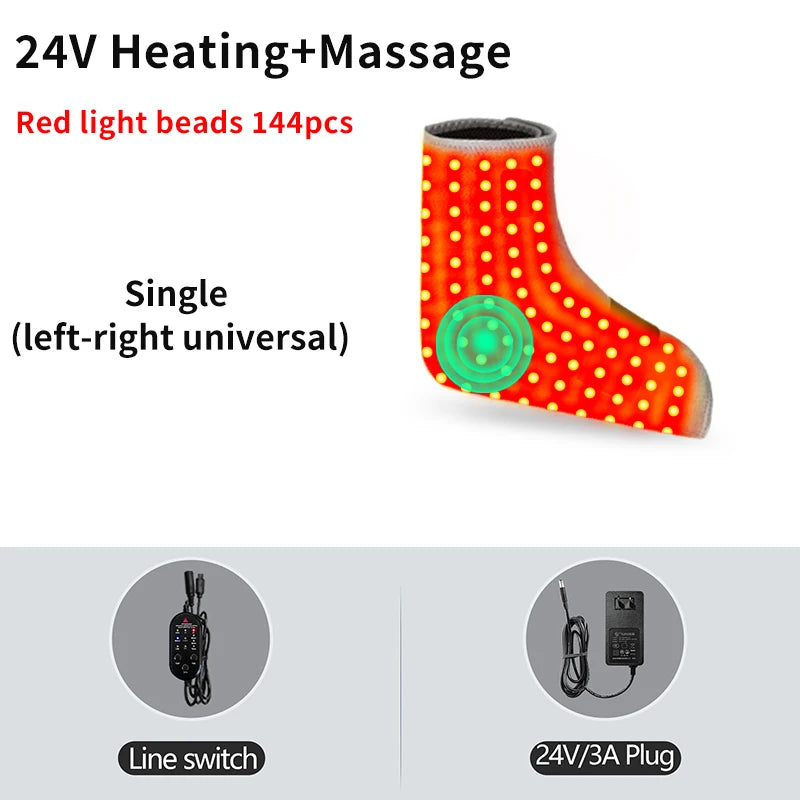
Advanced support in action for recovery ankle injury relief — See it in action
Recovery Timeline by Sprain Severity
Grade I: Mild Sprain
Mild sprains usually improve quickly with compression, elevation, gentle movement, and gradual return to activity. Swelling often peaks during the first 48 hours before steadily decreasing.
Grade II: Moderate Sprain
Moderate sprains often require several weeks of progressive rehabilitation. Walking typically becomes easier after swelling decreases, but balance and strength exercises remain important throughout recovery.
Grade III: Severe Sprain
Severe ligament injuries frequently require immobilization followed by structured physical therapy. Some individuals may need orthopedic evaluation, especially if instability persists.
Weekly Recovery Milestones
| Recovery Stage | Typical Goals |
|---|---|
| Days 1–3 | Control pain and swelling, protect the ankle, limit unnecessary weight bearing. |
| Week 1–2 | Restore comfortable walking, begin gentle mobility exercises. |
| Weeks 3–6 | Improve strength, balance, and daily function. |
| Weeks 6+ | Gradually return to sports or higher-impact activities if strength and stability have recovered. |
Treating an Ankle Sprain at Home
First 48 Hours: Protect, Rest, Ice, Compression and Elevation
The first two days focus on limiting swelling and protecting injured tissues. Following the PRICE approach (Protect, Rest, Ice, Compression, and Elevation) helps reduce discomfort while supporting natural healing.
How to Reduce Ankle Swelling Fast
- Elevate the ankle above heart level whenever possible.
- Apply compression without restricting circulation.
- Use cold therapy for 15–20 minutes several times daily during the acute stage.
- Begin gentle ankle movement once pain allows to reduce stiffness.
When Heat vs Cold Therapy Is Appropriate
Cold therapy is generally most helpful during the first 24–48 hours after injury because it helps control swelling and discomfort. Heat therapy becomes more appropriate after the acute inflammatory phase when stiffness and muscle tightness are the primary concerns. Combining both strategically may improve comfort during later rehabilitation, but prolonged heat should not be used on a newly swollen ankle.
Compression, movement, and appropriate therapy often work better together than relying on a single treatment alone.
How Ankle Wraps and Compression Support Recovery
Ankle Compression Wrap Benefits
Compression wraps provide gentle external support that may help:
- Reduce swelling by limiting fluid accumulation.
- Improve joint awareness (proprioception) during walking.
- Provide light stability during everyday activities.
- Increase confidence while returning to movement.
Best Ankle Wrap for Sprain
When choosing ankle support for injury recovery, look for adjustable compression, breathable materials, anatomical shaping, and comfortable long-term wear. Individuals with mild to moderate sprains often benefit from flexible compression wraps that allow controlled movement while providing support.
Ankle Brace vs Wrap Recovery
Ankle braces generally provide greater structural support and may be recommended during severe injuries or early return to sports. Compression wraps offer more flexibility and are often appropriate during everyday recovery or mild sprains. Your healthcare provider may recommend progressing from a brace to a wrap as healing advances.
| Feature | Basic Wrap | Advanced Wrap |
|---|---|---|
| Compression Control | Limited | Adjustable and targeted |
| Heat Therapy Compatibility | None | Integrated option for later recovery stages |
| Stability | Basic support | Anatomical support |
| Comfort for Daily Wear | Variable | Designed for extended use |
Phase-Based Rehabilitation Plan
Phase 1: Pain and Swelling Control
Focus on protecting the ankle, managing swelling, maintaining gentle circulation, and avoiding activities that increase pain.
Phase 2: Restore Mobility
Introduce gentle ankle circles, alphabet exercises, and controlled stretching to regain normal range of motion without aggravating symptoms.
Phase 3: Build Strength
Progress to resistance band exercises, calf raises, and controlled weight-bearing movements as discomfort improves.
Phase 4: Balance and Return to Activity
Single-leg balance exercises, dynamic movements, and sport-specific drills prepare the ankle for normal daily activities and athletic performance while reducing reinjury risk.
Exercises to Restore Strength and Stability
Range of Motion Exercises
Practice ankle circles, pointing and flexing the foot, and tracing the alphabet with your toes to maintain mobility and reduce stiffness.
Strengthening Exercises
Resistance band exercises, heel raises, toe raises, and controlled step-ups gradually strengthen the muscles supporting the ankle.
Balance and Proprioception
Standing on one foot, progressing to unstable surfaces such as a balance pad, improves coordination and reduces the likelihood of future ankle sprains.
Progression and Safety Tips
- Increase exercise intensity gradually.
- Stop if pain significantly increases.
- Prioritize good technique over repetitions.
- Continue balance training even after symptoms improve.
When to See a Doctor or Physical Therapist
Red-Flag Symptoms
- Inability to bear weight after injury.
- Visible deformity.
- Severe swelling or rapidly worsening pain.
- Numbness or loss of circulation.
When Imaging May Be Needed
X-rays or advanced imaging may be recommended if a fracture is suspected, symptoms fail to improve, or significant ligament damage is possible.
Signs Recovery Is Delayed
If swelling, instability, or pain persists beyond the expected recovery period despite appropriate rehabilitation, consult a healthcare professional or physical therapist for reassessment.
Returning to Work, Exercise, and Sports
Walking Without Pain
You should be able to walk with a normal gait and minimal swelling before increasing activity levels.
Return-to-Running Checklist
- Full ankle range of motion.
- Minimal swelling after activity.
- Equal strength compared with the uninjured side.
- Ability to hop, balance, and change direction comfortably.
Preventing Re-Injury
Continue ankle strengthening, wear supportive footwear, warm up before exercise, and consider temporary compression support during higher-risk activities if recommended.

Comfort-focused design for the best ankle wrap for sprain — See it in action
Frequently Asked Questions
How long does ankle sprain recovery take?
Grade I sprains commonly recover within 2–4 weeks, Grade II injuries often require 4–8 weeks, and Grade III sprains may take 8–12 weeks or longer depending on rehabilitation and individual healing.
How can I heal an ankle sprain fast?
Early swelling control, appropriate compression, gradual movement, strengthening exercises, and following a structured rehabilitation program offer the best chance of a safe recovery.
Should I use heat or ice?
Ice is generally recommended during the first 48 hours to reduce swelling. Heat is more appropriate later when stiffness becomes the main issue.
Is an ankle wrap better than a brace?
Neither is universally better. Compression wraps are useful for mild to moderate injuries and ongoing support, while braces provide greater stability for more severe injuries or return to sports.
When should swelling improve?
Most swelling begins decreasing after the first two to three days, although moderate and severe sprains may remain swollen for several weeks.
When can I return to sports?
Return only after pain-free walking, restored strength, full range of motion, and the ability to complete sport-specific movements without instability.
What are signs of poor healing?
Persistent swelling, repeated ankle giving way, ongoing pain, or inability to regain normal function should be evaluated by a healthcare professional.
Choose recovery tools that complement your rehabilitation plan and help you stay comfortable throughout the healing process.
Related Guide: Ankle Injury Healing: Key Features That Speed Recovery













