Does relaxing tired legs at home really work?
Yes. Relaxing tired legs at home can provide meaningful relief when you match the method to the cause of your discomfort. Elevation, gentle movement, stretching, massage, heat or cold therapy, hydration, and supportive recovery tools can help reduce heaviness, muscle tension, and mild swelling. Home care is especially useful for tired legs caused by prolonged sitting, standing, walking, exercise, or everyday muscle fatigue.
However, home recovery is not a substitute for medical evaluation when leg fatigue is persistent, severe, one-sided, or accompanied by warning signs such as significant swelling, skin color changes, chest pain, or shortness of breath.
How to Relax Tired Legs at Home (Fast Relief + Daily Recovery Routine)
⏱ 5 min read
Heavy, sore, or tight legs after a long day? Whether you sit for hours, stand at work, walk extensively, or exercise regularly, leg fatigue can build quickly. The good news is that you can relax tired legs at home with simple techniques that support circulation, reduce muscle tension, and make daily recovery more consistent.
Quick Relief: How to Relieve Tired Legs Fast at Home
If your legs feel heavy, sore, or exhausted, start with a short recovery sequence rather than remaining completely still for hours. The best approach depends on whether your symptoms are mainly caused by muscle fatigue, prolonged standing, prolonged sitting, stiffness, or mild swelling.
5-Minute Emergency Reset Routine
- Elevate your legs: Lie down and raise your legs comfortably above heart level for 2–3 minutes if mild swelling or heaviness is the main problem.
- Move your ankles: Flex and point your feet, then make gentle ankle circles to encourage movement after prolonged sitting or standing.
- Walk lightly: Take a slow walk around your home for 1–2 minutes if your legs feel stiff from inactivity.
- Massage tense muscles: Use slow, comfortable strokes on the calves and thighs without pressing directly on painful areas.
- Finish with gentle stretching: Stretch the calves, hamstrings, or quadriceps only to a mild pulling sensation, never sharp pain.
For muscle soreness after exercise, a cool compress may feel soothing. For general stiffness or tightness without acute swelling, gentle warmth may help the muscles relax.
When You Need Relief After Standing All Day
- Sit down and elevate your legs for several minutes.
- Perform ankle pumps and gentle calf movements instead of remaining completely motionless.
- Use a warm compress if the main issue is muscle tightness.
- Try gentle calf and hamstring stretches after your muscles begin to relax.
- Change positions regularly instead of immediately returning to prolonged standing.
Decision Guide: Choose the Best Method Based on the Cause
| What your legs feel like | Try first | Why it may help |
|---|---|---|
| Heavy or mildly swollen after standing | Elevation, ankle pumps, gentle walking | Supports movement and may reduce the feeling of heaviness |
| Tight after exercise | Gentle movement, stretching, massage | Helps relax tense muscles and restore comfortable mobility |
| Stiff after sitting | Walking and ankle mobility | Breaks up prolonged inactivity |
| Sore after strenuous activity | Rest, gentle movement, and comfortable temperature therapy | Supports recovery without adding unnecessary strain |
Mild tiredness may improve within minutes to a few hours after appropriate recovery. More substantial muscle soreness can take longer, especially after unfamiliar or strenuous exercise.
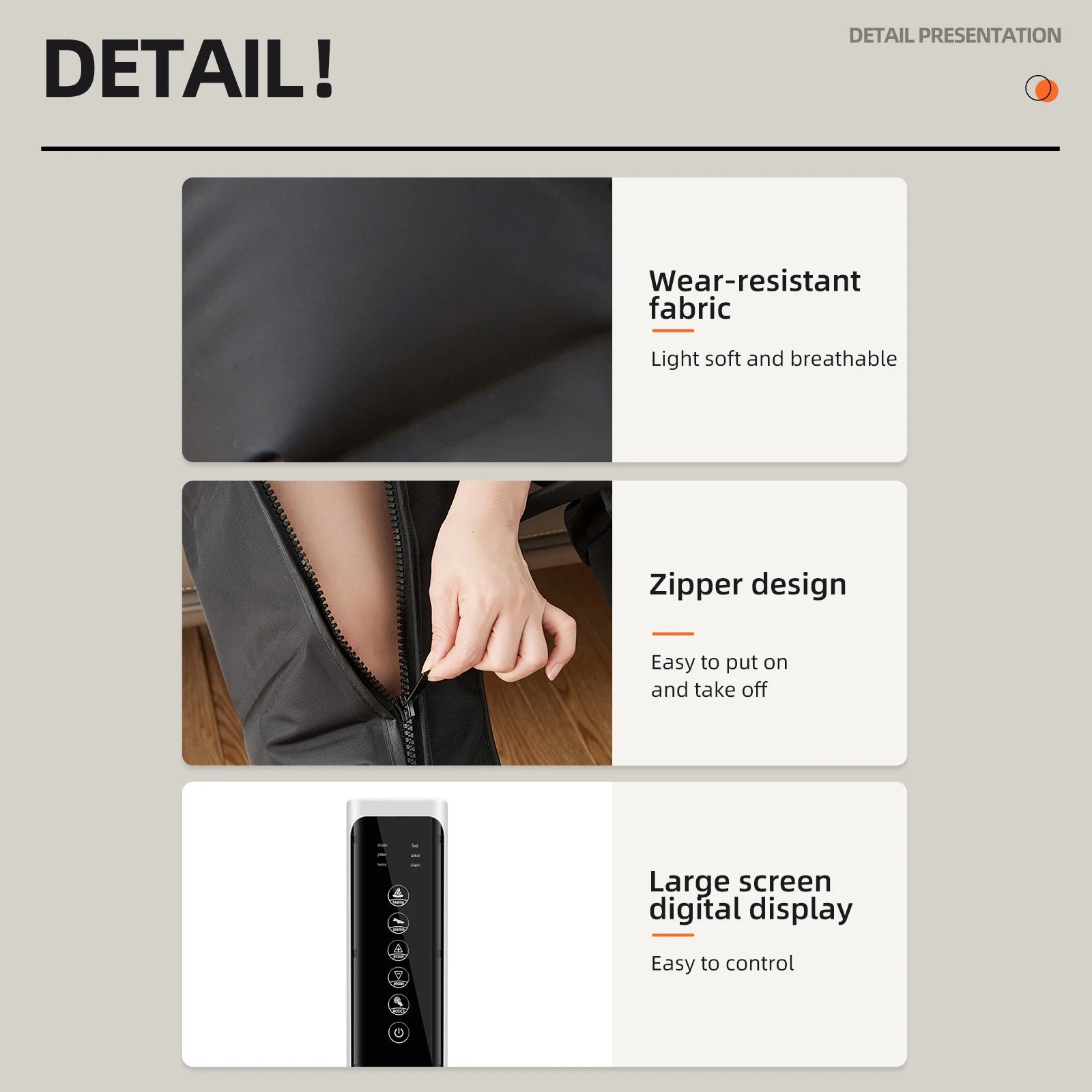
Relaxing tired legs at home starts with small daily habits See it in action
Why Do Legs Feel Heavy and Tired?
Leg fatigue can have several causes, and identifying the likely cause helps you choose the most appropriate recovery method. A tired feeling may come from overworked muscles, prolonged static positions, reduced movement, fluid accumulation, or an underlying health issue.
Exercise and Muscle Fatigue
Walking, running, strength training, climbing stairs, or performing unfamiliar physical activity can temporarily fatigue the muscles in the legs. This type of tiredness is often accompanied by muscle heaviness, stiffness, or soreness that becomes more noticeable after activity.
Gentle movement, gradual stretching, adequate rest, and a consistent recovery routine can help support normal post-exercise recovery. Pushing through severe pain or repeatedly training an intensely painful muscle may worsen discomfort.
Standing or Sitting Too Long
Prolonged standing can place continuous demand on the muscles that help support your body, while prolonged sitting limits normal leg movement. Either situation can make your legs feel heavy, stiff, or uncomfortable by the end of the day.
Taking regular movement breaks, changing positions, and performing simple ankle movements can help prevent the legs from remaining static for too long. If your legs feel tired after standing all day, combining short movement breaks with elevation and recovery after work can be especially useful.
Poor Circulation and Other Common Causes
Reduced movement, fluid retention, dehydration, uncomfortable footwear, and muscle overuse can all contribute to leg fatigue. Some people may also experience tired or heavy legs because of conditions affecting circulation or other aspects of their health.
Symptoms can provide useful clues. General muscle soreness after exercise is different from persistent one-sided swelling, unexplained pain, or fatigue that continues despite rest. If symptoms are unusual, worsening, or persistent, the cause should be evaluated rather than treated only with home remedies.
Best Ways to Relax Leg Muscles at Home (Science-Backed Methods)
The best leg fatigue relief methods generally focus on four goals: encouraging comfortable movement, reducing excessive muscle tension, managing temporary soreness, and supporting recovery. No single technique works equally well for every type of tiredness.
Elevation and Circulation Boosting
Raising your legs while resting can be useful when they feel heavy after prolonged standing or when mild swelling is present. Elevation changes the position of the legs and may support the return of fluid and blood from the lower limbs.
For a simple routine, lie comfortably and support your legs with pillows or rest them in a position that feels comfortable. Combine elevation with gentle ankle pumps rather than holding the legs completely still for an extended period. This is one of the simplest ways to improve leg circulation at home .
Walking and Gentle Movement
Light movement is often one of the best ways to relax tired legs that feel stiff after sitting. A short, easy walk can help restore normal movement and prevent the legs from staying in one position.
- Walk slowly for a few minutes.
- Perform ankle pumps while seated.
- Rise onto your toes and lower your heels gently if comfortable.
- Change position regularly during long periods of sitting or standing.
Gentle movement should feel restorative, not like another demanding workout. Stop if movement causes sharp, worsening, or unusual pain.
Warm vs Cold Therapy Explained
- Warm therapy: May help relax tight muscles and make gentle stretching more comfortable.
- Cold therapy: Can feel soothing for some types of post-activity soreness or localized irritation.
- Alternating temperatures: Some people find alternating warm and cool sensations comfortable, but it is not necessary for routine leg fatigue.
Use a comfortable temperature and protect your skin. Avoid applying extreme heat or cold directly to the skin for prolonged periods.
Stretching for Leg Fatigue Relief
Gentle stretching can reduce the feeling of tightness and support comfortable mobility, especially after long periods of inactivity or repetitive movement.
- Calf stretch: Place your hands against a wall and gently extend one leg behind you.
- Seated hamstring stretch: Extend one leg comfortably and hinge forward slightly without forcing the movement.
- Standing quadriceps stretch: Hold a stable surface and gently bring the heel toward the body if comfortable.
Hold each stretch comfortably and avoid bouncing. Stretching should create mild tension, not sharp pain or numbness.
Massage for Tired Legs: Techniques That Actually Work
Massage for tired legs can be a practical way to relax tense muscles and create a calming recovery routine. The most important factors are comfortable pressure, a slow pace, and avoiding areas that are acutely painful or unusually swollen.
Self-Massage Step-by-Step
- Begin with gentle strokes around the ankles and lower legs.
- Move gradually upward toward the calves using slow, comfortable pressure.
- Use the palms or fingers to make gentle circular movements over areas of muscle tension.
- Continue to the thighs if they feel fatigued or tight.
- Spend approximately 5–10 minutes per leg, adjusting the pressure to your comfort level.
Do not treat severe pain as a signal to press harder. More pressure does not necessarily produce better recovery.
Foam Rolling for Tight Muscles
Foam rolling can provide another way to apply controlled pressure to larger muscle groups such as the calves, quadriceps, hamstrings, and glutes. Move slowly and use a pressure level that feels manageable.
Avoid rolling directly over joints, bones, or areas of unexplained swelling. If a specific area causes sharp pain rather than a tolerable feeling of pressure, stop and choose a gentler recovery method.
When to Use Tools vs Hands
- Hands: Best when you want precise control and a gentle daily massage.
- Massage tools: Useful when you want more consistent pressure over larger muscle groups.
- Recovery devices: Convenient for hands-free recovery while resting.
Many people enhance their routine with tools from the Body Care and Health Devices collection.
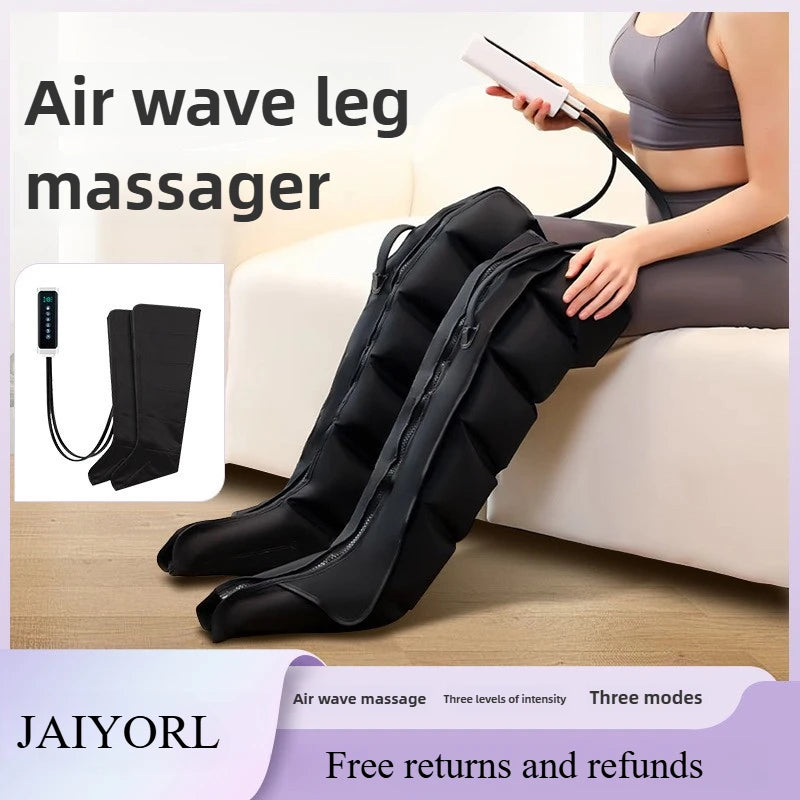
Massage for tired legs supports daily recovery See it in action
10-Minute Daily Routine for Leg Recovery at Home
A consistent routine is often more useful than occasional, intense recovery sessions. This simple schedule combines movement, mobility, massage, and rest throughout the day.
Morning Reset Routine
- Spend 1 minute moving your ankles and gently stretching your calves.
- Walk for 1–2 minutes to wake up the lower body.
- Perform a brief, gentle calf or foot massage if your legs feel stiff in the morning.
Post-Work Recovery Routine
- Walk lightly for a few minutes before settling into prolonged sitting.
- Elevate your legs if they feel heavy after standing all day.
- Use gentle massage or stretching to release areas of tension.
Night Recovery Routine
- Spend 3 minutes in a comfortable elevated position if your legs feel heavy.
- Massage the calves and thighs for approximately 3 minutes.
- Perform 2 minutes of gentle stretching.
- Use a comfortable warm compress if muscle tightness is keeping you from relaxing.
The goal is consistency, not intensity. A short routine that you can repeat most days may be easier to maintain than a long recovery session that you rarely complete.
Home Remedies for Tired Legs That Improve Circulation
Home remedies can support comfort and recovery when tired legs are related to everyday fatigue, prolonged static positions, or normal muscle soreness. They work best as part of an overall routine rather than as a replacement for medical care when symptoms are persistent or unusual.
Compression, Hydration and Nutrition
- Compression: Properly fitted compression garments may help some people manage feelings of heaviness and support circulation. Individual needs vary, especially for people with circulation-related health conditions.
- Hydration: Drinking enough fluids throughout the day supports normal body function and may help when fatigue is worsened by inadequate fluid intake.
- Balanced nutrition: Regular meals that provide a variety of nutrients support normal muscle function and recovery.
Epsom Salt and Warm Foot Soaks
A warm foot soak can feel relaxing when tiredness is accompanied by general muscle tension. The relaxing effect may come primarily from the warmth and soothing routine rather than from any special property of the salt itself.
Keep the water comfortably warm rather than very hot, especially if you have reduced sensitivity to temperature. A short soak followed by gentle ankle movement can be a calming addition to an evening recovery routine.
Sleep Positioning for Overnight Recovery
Comfortable sleep positioning can support relaxation after a long day. If your legs feel heavy, some people find it comfortable to use a pillow to slightly support the lower legs, provided the position does not create pressure or discomfort.
Prioritize a neutral, comfortable position rather than forcing your legs into a particular posture. Good sleep also gives the body time to recover from everyday physical demands.
Leg Recovery Devices: Do They Really Help?
Leg recovery devices can make a home routine more consistent by providing controlled, hands-free support while you rest. Air compression devices, for example, use sequential pressure around parts of the leg to create a rhythmic compression experience.
They may be useful for people who want to:
- Build a consistent evening recovery routine.
- Relax after long periods of standing or walking.
- Use hands-free support while resting.
- Combine device-based recovery with movement and stretching.
An air compression leg massager can easily fit into an evening recovery routine.
These devices are not necessary for everyone, and they should not be used to ignore unexplained swelling, severe pain, or symptoms that may require medical evaluation. Follow the product instructions and seek professional advice if you are unsure whether compression is appropriate for you.
Manual vs Device-Based Muscle Recovery Massage
The best option depends on how severe your symptoms are, how much control you want, and whether convenience matters more than equipment cost. Manual massage is often enough for occasional tiredness, while a device may be appealing when you want a repeatable, hands-free routine.
Comparison by Symptom Severity
| Method | Best for | Benefits | Limitations |
|---|---|---|---|
| Manual massage | Mild, occasional muscle fatigue | Low cost, precise control, no equipment required | Requires time and physical effort |
| Massage tools | Localized muscle tightness | Can provide consistent pressure in targeted areas | Requires technique and may not suit every type of discomfort |
| Leg recovery devices | Regular, hands-free recovery routines | Convenient and consistent while resting | Requires purchasing and using a device |
For mild tiredness, start with the simplest method that provides relief. If your symptoms are persistent, severe, or unusual, choosing a more powerful recovery tool should not replace finding the underlying cause.
Lifestyle Habits That Prevent Leg Fatigue
Preventing tired legs is often easier when small recovery habits are built into the day instead of waiting until discomfort becomes severe.
Movement Breaks
- Take short walking breaks during long periods of sitting.
- Change positions regularly when your work requires prolonged standing.
- Use ankle pumps and gentle mobility exercises during stationary tasks.
Footwear and Ergonomics
- Choose comfortable footwear that suits your daily activities.
- Use supportive surfaces or appropriate workplace adjustments when standing for long periods.
- Avoid spending every day in footwear that causes persistent discomfort or pressure.
Hydration and Recovery Habits
- Drink fluids regularly throughout the day.
- Allow adequate recovery between demanding physical activities.
- Use gentle stretching or walking after long periods of inactivity.
- Build a short evening recovery routine that you can maintain consistently.
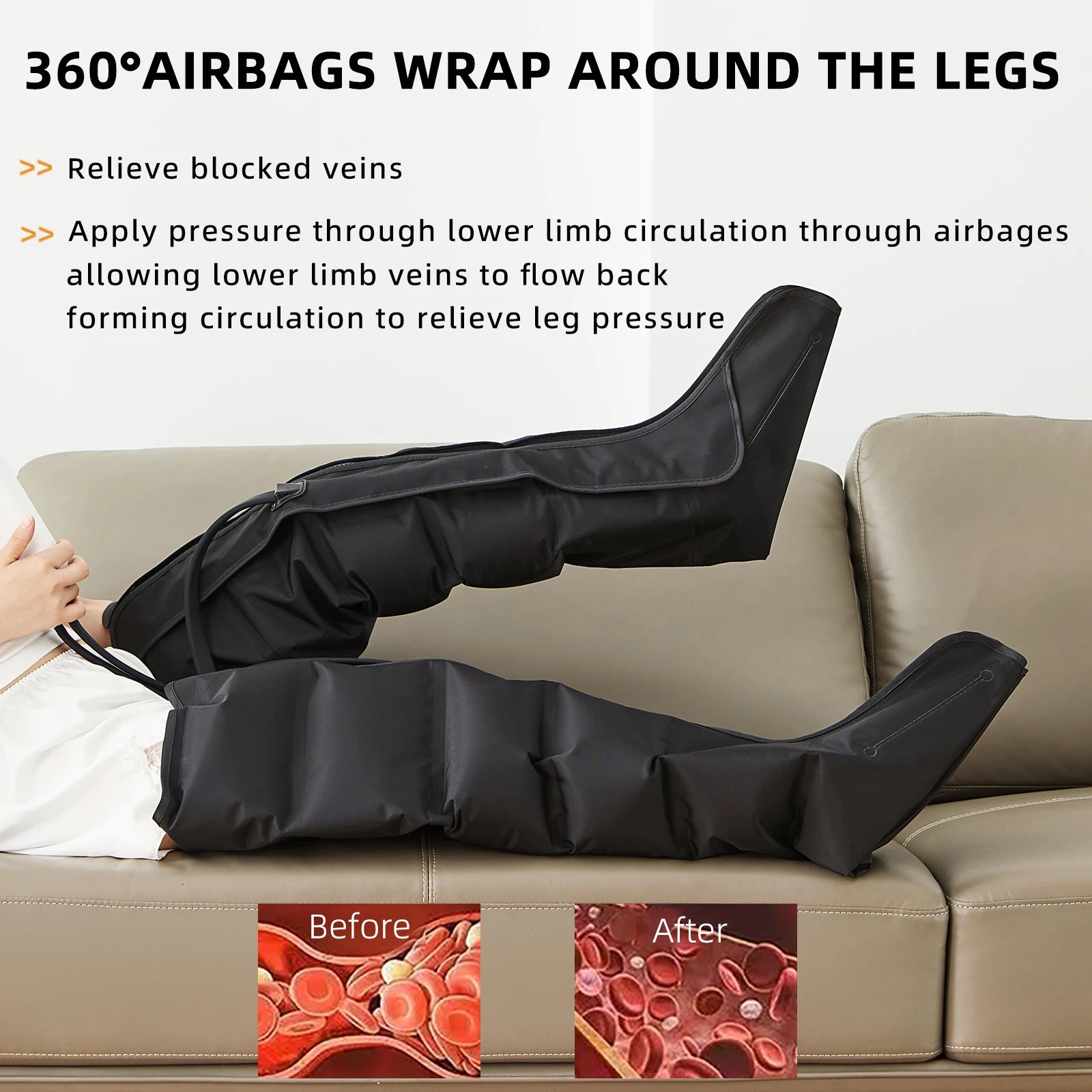
Complete your daily recovery routine See it in action
When Tired Legs Could Be a Sign of a Medical Problem
Occasional tired legs after a long day, workout, or extended period of standing are common. However, persistent or unusual symptoms should not automatically be treated as ordinary fatigue.
Warning Signs That Need Medical Evaluation
Seek medical advice if tired legs are persistent, repeatedly worsening, or accompanied by symptoms such as unexplained swelling, significant pain, weakness, numbness, skin color changes, or difficulty walking.
One-sided swelling or pain that appears suddenly should receive prompt medical attention, particularly when the symptoms are unusual for you.
Who Should Seek Medical Advice
Anyone with persistent or unexplained leg symptoms should consider speaking with a qualified healthcare professional. People with known circulation problems, chronic health conditions, recent injury, or symptoms that do not improve with normal rest should be especially cautious about relying only on home recovery methods.
Seek emergency medical care for serious symptoms such as sudden chest pain, severe difficulty breathing, or other symptoms that may indicate an urgent medical problem.
Mini FAQ
How can I relax tired legs quickly at home?
For mild fatigue, try a short combination of gentle walking or ankle movements, leg elevation, comfortable massage, and light stretching. Choose the method based on the likely cause: movement for stiffness, elevation for heaviness, and gentle massage or warmth for muscle tension.
What is the best way to relax leg muscles?
There is no single best method for everyone. A combination of gentle movement, stretching, massage, and appropriate rest is often more useful than relying on one technique. Heat may feel soothing for tight muscles, while other types of soreness may respond better to rest and comfortable cooling.
Can poor circulation cause tired legs?
Circulation-related problems can contribute to feelings of heaviness or fatigue, but tired legs have many possible causes. Persistent swelling, unusual pain, skin changes, or symptoms that do not improve with rest should be medically evaluated.
Should I walk or rest when my legs feel tired?
For mild stiffness from sitting or standing, gentle walking may help. After strenuous exercise or when muscles are significantly sore, rest combined with comfortable, light movement may be more appropriate. Stop activity if it causes sharp or worsening pain.
Is compression helpful for tired legs?
Compression may help some people manage feelings of leg heaviness and support circulation. The appropriate level and type depend on the individual, so people with circulation-related conditions or unexplained swelling should seek professional advice before relying on compression.
When should I see a doctor for tired legs?
Seek medical advice for persistent, worsening, unexplained, or one-sided leg fatigue, especially when it is accompanied by significant swelling, pain, weakness, numbness, skin changes, or difficulty walking. Sudden chest pain or severe difficulty breathing requires emergency medical attention.
Related Guide: How to Improve Leg Circulation Step by Step at Home