

Relieve Desk Job Pain Fast: Proven Strategies for All-Day Comfort
If you’re trying to relieve desk job pain quickly without overhauling your routine, you’ll love how small posture tweaks, smart micro-breaks, and targeted pressure techniques can melt away tension you didn’t even realize was building. Discover why your current setup might secretly be the reason you feel drained and how a few simple adjustments can restore all-day comfort in as little as 5 minutes.
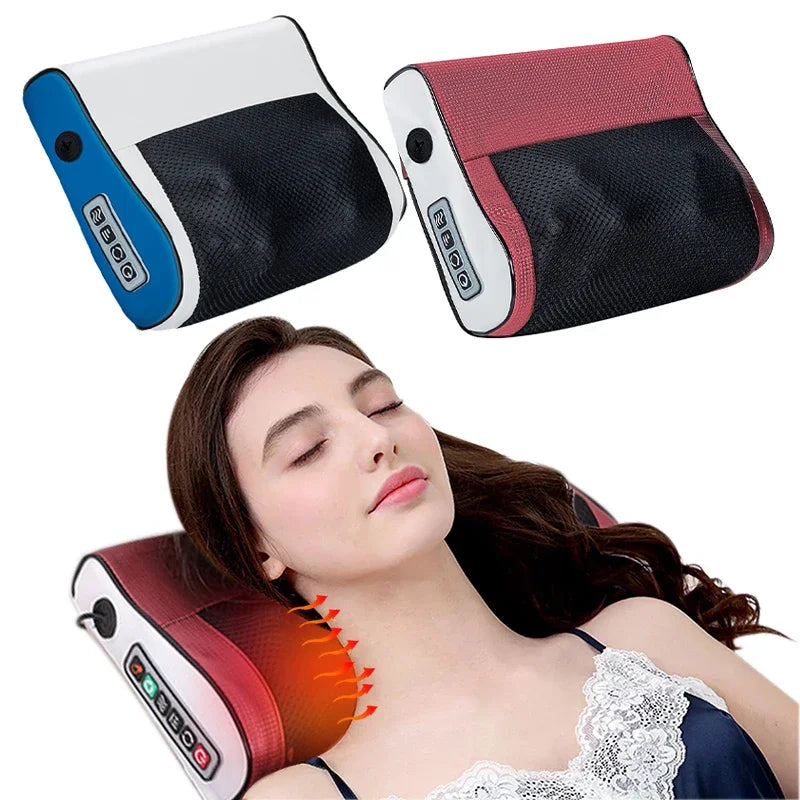
See it in action: Relieve desk job pain with targeted support
Can I really relieve desk job pain fast?
Yes! You can relieve desk job pain quickly by optimizing your workstation, taking strategic micro-breaks, and using targeted tools like the KentDO™ Neck & Shoulder Massager . Even small daily adjustments improve posture, reduce neck and back tension, and boost all-day comfort without disrupting your workflow.
Quick Start: 5-Minute Desk Job Pain Relief Routine
If you need fast desk job pain relief, this simple 5-minute routine targets the most common problem areas caused by sitting all day—your back, neck, and shoulders.
1-Minute Reset (Posture + Breathing)
- Sit upright with feet flat on the floor
- Roll shoulders back and down
- Take 5 slow, deep breaths to relax muscle tension
2-Minute Mobility Flow
- Neck tilts (left/right, 10 seconds each side)
- Shoulder rolls (10 forward + 10 backward)
- Seated spinal twists (5 per side)
2-Minute Targeted Relief
- Chest opener stretch (hold 20–30 seconds)
- Seated forward fold for lower back relief
- Wrist and forearm stretch for typing strain
This routine helps relieve back pain from sitting, improves circulation, and resets your posture—making it one of the most effective sitting all day pain solutions.
Why Desk Job Pain Happens
Desk job pain isn’t just about sitting—it’s about staying in the same position for too long. This leads to muscle imbalances, reduced circulation, and joint stiffness.
The Real Cause: Static Posture + Muscle Imbalance
When you sit all day, certain muscles (like hip flexors and chest muscles) tighten, while others (like your glutes and upper back) weaken. This imbalance is the root cause of most office posture pain.
Common Pain Points by Body Area
- Neck: Forward head posture from screen use
- Shoulders: Rounded shoulders and tight chest muscles
- Upper back: Weak postural muscles
- Lower back: Poor lumbar support and slouching
- Wrists: Repetitive typing strain
Relieve Back Pain from Sitting (Lower + Upper Back Solutions)
If you’re trying to relieve back pain from sitting, focus on both mobility and posture correction. Most discomfort comes from compressed spinal positioning and inactive muscles.
Quick Fixes You Can Do at Your Desk
- Sit with hips slightly higher than knees
- Use a small cushion for lumbar support
- Keep your feet flat on the floor
Best Stretches for Office Workers (Back Focus)
- Seated spinal twist (improves mobility)
- Cat-cow stretch (if space allows)
- Standing back extension (counteracts slouching)
These techniques are essential for anyone learning how to reduce back pain at work without interrupting productivity.
Fix Neck and Shoulder Pain from Desk Work
Neck and shoulder pain from desk jobs is usually caused by forward head posture and elevated shoulders during typing or screen use.
Posture Mistakes Causing Neck Strain
- Screen positioned too low or too high
- Leaning forward instead of sitting upright
- Holding tension in shoulders while working
Targeted Neck and Shoulder Stretches
- Upper trapezius stretch (hold 20 seconds per side)
- Chin tucks to realign head position
- Doorway chest stretch to open shoulders
These stretches are some of the most effective exercises for desk workers dealing with tight shoulders and neck stiffness.
Ergonomic Tips for Desk Job Pain Relief
Proper ergonomics can dramatically reduce office posture pain and prevent long-term issues caused by sitting all day.
Desk and Chair Setup
- Adjust chair height so feet rest flat on the floor
- Keep hips slightly above knee level
- Use lumbar support to maintain natural spine curve
Screen, Keyboard, and Mouse Alignment
- Screen at eye level to avoid neck strain
- Keyboard at elbow height
- Mouse close to body to reduce shoulder tension
The 90-90-90 Posture Rule
- 90° at hips
- 90° at knees
- 90° at elbows
Micro-Breaks That Actually Work (Backed by Physio Advice)
Micro-breaks are one of the most effective sitting all day pain solutions because they interrupt static posture and restore circulation.
How Often Should You Take Breaks?
Aim for a short break every 30–60 minutes. Even 30 seconds of movement can significantly reduce stiffness and fatigue.
Simple Micro-Break Ideas
- Stand and stretch for 30 seconds
- Walk to get water or reset posture
- Roll shoulders and stretch your neck
Movement Snacks for Busy Workdays
- 10 squats between tasks
- Wall push-ups
- Quick walking laps around your workspace
Best Exercises for Desk Workers (No Equipment)
Incorporating simple exercises into your routine is key for long-term desk job pain prevention.
Strength Moves to Prevent Pain
- Glute bridges (counteract sitting)
- Wall angels (improve posture)
- Planks (support core stability)
Mobility Exercises for Long-Term Relief
- Hip flexor stretches
- Thoracic spine rotations
- Hamstring stretches
These exercises for desk workers help correct imbalances and reduce recurring discomfort.
Optional Tools for Faster Pain Relief
While movement and posture are the foundation, certain tools can enhance desk job pain relief when used correctly.
When Tools Actually Help
- During high workload periods with limited movement
- For targeted muscle tension relief
- As a supplement—not a replacement—for exercise
Smart Add-Ons (Without Over-Reliance)
- Lumbar cushions
- Standing desk converters
- Massage devices for short-term relief
One effective option is the KentDO™ Neck & Shoulder Massager , which provides quick, targeted relief for tight neck and shoulder muscles—especially during long work sessions.

Reduce neck and shoulder tension fast with this ergonomic massager
Daily Habits for Desk Job Pain Prevention
Consistency is the key to preventing pain—not just relieving it.
Healthy Daily Practices
- Stay hydrated to support muscle function
- Avoid prolonged sitting without breaks
- Maintain consistent posture awareness
Workday Routine for Pain-Free Sitting
- Start with posture check in the morning
- Do a 5-minute stretch mid-morning
- Take micro-breaks every hour
- End the day with mobility exercises
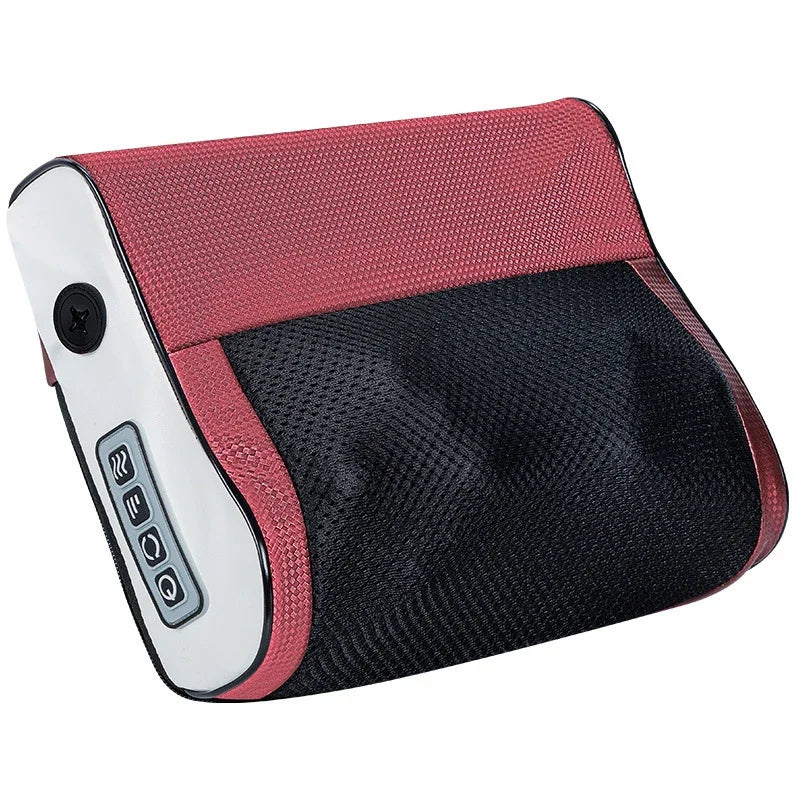
Maintain office comfort all day using smart posture habits + tools
Mini FAQ
How often should I take breaks to reduce pain at work?
Take a short break every 30–60 minutes. Even brief movement helps reduce stiffness and improve circulation.
What is the fastest way to relieve back pain from sitting?
Stand up, stretch your spine, and reset your posture. A quick combination of movement and alignment provides immediate relief.
Can desk job pain become permanent?
Yes, if ignored. Long-term poor posture and inactivity can lead to chronic pain, but it is preventable with consistent habits.
Are exercises or posture more important?
Both are essential. Posture prevents strain, while exercises correct imbalances and build resilience.
Related Articles:
- Upper Back Muscle Tightness Solutions: Tools & Routines for Pain Patterns
- Shoulder Tension Home Remedies for Busy Women: What Works for Each Pain Type
Pillar Articles:
UPGRADE PLAN { "outline": [ { "action": "MODIFY", "h2": "Can I really relieve desk job pain fast?", "h3": [], "focus": [ "Provide direct answer for featured snippet targeting", "Explain that quick relief comes from movement, posture changes, and ergonomic improvements", "Set expectations for short-term relief versus long-term prevention" ], "keywords": [ "how to relieve desk job pain", "desk job pain relief" ] }, { "action": "MODIFY", "h2": "Quick Start: 5-Minute Desk Job Pain Relief Routine", "h3": [ "1-Minute Posture Reset and Breathing", "2-Minute Mobility Sequence", "2-Minute Pain-Focused Desk Stretches" ], "focus": [ "Create an immediate actionable routine", "Include neck, shoulder, back, and hip movements", "Make exercises suitable for office environments" ], "keywords": [ "desk job pain relief", "stretches for office workers", "exercises for desk workers" ] }, { "action": "KEEP", "h2": "Why Desk Job Pain Happens", "h3": [ "How Sitting All Day Changes Your Body", "Common Desk Pain Areas and Symptoms" ], "focus": [ "Explain biomechanics of prolonged sitting", "Cover muscle imbalance, reduced mobility, and repetitive strain", "Connect causes to neck, shoulder, back, hip, and wrist pain" ], "keywords": [ "back pain from sitting", "neck and shoulder pain desk job", "sitting all day pain solutions" ] }, { "action": "MODIFY", "h2": "How to Relieve Back Pain from Sitting", "h3": [ "Immediate Desk-Based Back Pain Relief", "Best Stretches and Mobility Exercises for Office Workers", "Lower Back vs Upper Back Pain Solutions" ], "focus": [ "Separate upper and lower back issues", "Provide step-by-step stretches", "Address common sitting-related back pain triggers" ], "keywords": [ "back pain from sitting", "how to reduce back pain at work", "stretches for office workers" ] }, { "action": "MODIFY", "h2": "How to Fix Neck and Shoulder Pain from Desk Work", "h3": [ "Desk Posture Mistakes That Create Neck Tension", "Neck, Shoulder, and Upper Back Stretch Routine" ], "focus": [ "Explain forward head posture and shoulder rounding", "Add targeted mobility exercises", "Include symptom-specific relief tips" ], "keywords": [ "neck and shoulder pain desk job", "office posture pain relief" ] }, { "action": "MODIFY", "h2": "Ergonomic Tips for Desk Job Pain Relief", "h3": [ "How to Set Up Your Chair and Desk Correctly", "Monitor, Keyboard, and Mouse Position Guide", "The Ideal Sitting Posture Checklist" ], "focus": [ "Provide practical workstation setup instructions", "Replace generic posture advice with measurable adjustments", "Include ergonomic prevention checklist" ], "keywords": [ "ergonomic tips for desk job", "office posture pain relief", "desk job pain prevention" ] }, { "action": "MODIFY", "h2": "Micro-Breaks and Movement Habits for Office Pain Relief", "h3": [ "How Often Should Desk Workers Move?", "Simple Movement Break Ideas", "Daily Mobility Schedule for Busy Workdays" ], "focus": [ "Explain why frequent movement reduces stiffness", "Provide realistic workday implementation", "Include movement reminders and routines" ], "keywords": [ "sitting all day pain solutions", "exercises for desk workers", "desk job pain prevention" ] }, { "action": "KEEP", "h2": "Best Exercises for Desk Workers to Prevent Pain", "h3": [ "Strength Exercises for Better Posture", "Mobility Exercises for Long-Term Relief", "Beginner-Friendly Office Exercise Routine" ], "focus": [ "Build a sustainable prevention routine", "Cover core, upper back, hips, and shoulders", "Include no-equipment exercises" ], "keywords": [ "exercises for desk workers", "desk job pain prevention" ] }, { "action": "MODIFY", "h2": "Helpful Tools for Desk Job Pain Relief", "h3": [ "When Ergonomic Accessories Are Worth Using", "Popular Tools for Supporting Better Work Habits" ], "focus": [ "Keep products secondary to lifestyle changes", "Mention ergonomic chairs, standing desks, and support tools", "Avoid making tools the primary solution" ], "keywords": [ "desk job pain relief", "ergonomic tips for desk job" ] }, { "action": "KEEP", "h2": "Daily Habits for Desk Job Pain Prevention", "h3": [ "Healthy Workday Habits", "Long-Term Routine for Pain-Free Desk Work" ], "focus": [ "Summarize prevention strategies", "Create an easy daily checklist", "Encourage consistent movement and posture awareness" ], "keywords": [ "desk job pain prevention", "sitting all day pain solutions" ] }, { "action": "ADD", "h2": "When Desk Job Pain Needs Medical Attention", "h3": [ "Warning Signs You Should Not Ignore", "When to Consult a Healthcare Professional" ], "focus": [ "Cover persistent or worsening symptoms", "Explain red flags such as numbness or weakness", "Improve trust and health guidance quality" ], "keywords": [ "desk job pain symptoms", "back pain from sitting" ] }, { "action": "MODIFY", "h2": "Mini FAQ", "h3": [ "How often should I take breaks to reduce pain at work?", "What is the fastest way to relieve back pain from sitting?", "Can desk job pain become permanent?", "Are exercises or posture more important?", "How can I prevent neck and shoulder pain at my desk?" ], "focus": [ "Target long-tail search questions", "Provide concise direct answers", "Support FAQ schema opportunities" ], "keywords": [ "how to relieve desk job pain", "how to reduce back pain at work", "neck and shoulder pain desk job" ] } ], "internal_links": [ "ergonomic chairs", "standing desks", "posture correction exercises", "neck pain relief", "lower back pain relief", "carpal tunnel syndrome prevention", "workplace wellness tips", "stretching routines" ], "faq": [ "How often should I move during a desk job?", "What stretches help with back pain from sitting?", "Why does my neck hurt after working at a computer?", "Can ergonomic changes reduce office pain?", "How long does it take to improve desk job pain?" ], "trim": [ "Generic advice like simply sitting up straight", "Repeated reminders to exercise without actionable routines", "Overly broad wellness recommendations", "Product-focused sections that distract from problem-solution intent" ] } Approved linked products: - KentDO™ Neck & Shoulder Massager (/products/kentdo-neck-shoulder-massager-hot-compress) - KentDO™ Neck & Shoulder Massager (/products/kentdo-neck-shoulder-massager-hot-compress) Product Rules - Keep all approved products. - Only approved products may contain affiliate links. - You may add real competitor products when useful. - Competitor products must not contain links unless already present. - Only create comparison tables when they genuinely improve the article. RULES - Apply every instruction in the Upgrade Plan. - Keep all existing affiliate links unchanged. - Keep all existing internal links unchanged. - Keep all existing image URLs unchanged. - Preserve sections such as Related Articles, Related Posts and Recommended Reading. - Avoid duplicate headings. - Insert new sections only where specified. - Improve clarity, topical coverage, EEAT and readability. - Expand weak sections only when required. - Use natural keyword placement. - Keep semantic HTML clean. YEAR UPDATE If visible article text contains "2005", replace it with "2026". Do not modify years inside: - URLs - href attributes - image filenames OUTPUT REQUIREMENTS Return ONLY the final upgraded HTML article. The output must be valid HTML and ready to publish. Do NOT return: - Markdown - Explanations - Notes - Code fences - JSON - XML Return the HTML beginning with the first HTML element and ending with the last HTML element.












