

How to Relax Neck Muscles Fast: A Step-By-Step Relief Routine
Need fast neck tension relief? This step-by-step routine shows how to relax neck muscles fast using gentle heat, mobility exercises, stretching, self-massage, and breathing techniques you can do almost anywhere. These methods may help reduce everyday stiffness caused by screen use, stress, or prolonged sitting while supporting longer-term neck comfort.

See it in action: how to relax neck muscles - KentDO
Quick Answer: How to Relax Neck Muscles Fast
If you want to relax neck muscles fast, follow this simple 5–10 minute sequence:
- Apply gentle heat for 5 minutes to help loosen tight muscles
- Perform slow neck and shoulder movements to restore comfortable mobility
- Stretch gently and hold each position for 15–30 seconds
- Use light self-massage on tense areas around the neck and shoulders
- Reset your posture and take slow breaths to reduce muscle guarding
Many people notice temporary improvement within a few minutes when these steps are combined, but results depend on the cause and severity of tension. For repeated neck discomfort, preventing the habits that create strain is just as important as quick relief.
If you experience numbness, weakness, severe worsening pain, or symptoms after an injury, home techniques may not be enough and professional evaluation may be needed.
For convenient at-home support, the KentDO™ Neck & Shoulder Massager combines heat therapy and massage to support a relaxing neck care routine.
What’s Causing Your Neck Tension Right Now?
Understanding what triggers neck tightness can help you choose the right neck muscle relaxation techniques. Everyday tension is often related to repeated habits rather than a single problem.
Tech Neck and Screen Strain
Spending long periods looking down at phones, tablets, or laptops can increase strain on the muscles supporting your head. This may lead to stiffness, fatigue, and reduced comfort when moving your neck.
Sleep Position and Morning Stiffness
An uncomfortable sleeping position or poor pillow support may leave your neck feeling tight when you wake up. Adjusting sleep support can help reduce repeated morning stiffness.
Stress, Anxiety, and Muscle Tightness
Stress can cause unconscious tightening of the neck and shoulder muscles. Over time, this muscle tension pattern may contribute to discomfort and reduced relaxation.
Prolonged Sitting and Poor Posture
Remaining in one position for extended periods can increase strain on the neck and upper back. Regular movement breaks can help reduce stiffness from daily routines.
5-Minute Neck Muscle Relaxation Routine: What to Do Right Now
This quick neck relaxation routine follows a specific order: warm the muscles, improve movement, release tension, and finish with posture control.
Minute 0–1: Apply Gentle Heat
Place a warm compress or heating pad over your neck and upper shoulder area for one minute.
Heat may help tight muscles feel more comfortable and prepare them for gentle movement. Avoid excessive temperatures and remove heat if your skin feels irritated.
Minute 1–2: Release Tension With Gentle Mobility
Move slowly through comfortable motions:
- Turn your head gently from side to side
- Tilt your head toward each shoulder
- Roll your shoulders backward several times
Do not force your range of motion. Gentle movement is designed to reduce stiffness, not create additional strain.
Minute 2–3: Stretch Tight Neck and Shoulder Muscles
Perform gentle neck stretches and hold each position for 15–30 seconds. You should feel mild tension, not sharp pain.
Stop immediately if you experience dizziness, numbness, tingling, or worsening symptoms.
Minute 3–4: Try Gentle Self-Massage
Use your fingertips to apply light pressure around tense areas near your upper shoulders and the base of your skull.
Massage slowly for 10–15 seconds per area. Avoid aggressive pressure that increases discomfort.
Minute 4–5: Reset Posture and Take Slow Breaths
Sit or stand upright with your chin slightly tucked and shoulders relaxed. Take several slow breaths while maintaining a comfortable posture.
This final step helps reduce the habit of holding tension in your neck and shoulders.

Ease neck tension in minutes with the KentDO massage pillow
If You Have 10 Minutes: Extended Neck Tension Relief Routine
If you need more than a quick reset, extend the routine without increasing intensity. Longer sessions can help address connected neck and shoulder tension.
Add a Longer Heat Session
Continue gentle heat for another 5 minutes before repeating movement and stretching. This can be useful when muscles feel especially stiff.
Repeat Gentle Mobility and Stretching
Spend several additional minutes repeating slow neck turns, shoulder rolls, and comfortable stretches.
Target the Upper Trapezius and Shoulder Area
Neck tension often involves the upper shoulder muscles as well. Gentle stretching and massage around this area may improve overall comfort.
Finish With Breathing and Posture Reset
End with slow breathing and a neutral posture position to help maintain relaxation after the routine.
Fastest Ways to Relax Neck Muscles, Ranked by Speed
The fastest way to relax neck muscles depends on the reason behind the tension. These methods may provide noticeable comfort at different speeds.
1. Gentle Heat for Immediate Muscle Relaxation
Warm compresses and heating pads are often used for everyday stiffness because warmth may help muscles feel less tight within several minutes.
2. Slow Neck and Shoulder Mobility
Gentle movement is useful when stiffness comes from sitting too long or staying in one position.
3. Gentle Self-Massage
Light massage can target areas that feel tense after stress, desk work, or physical activity.
4. Stress-Relieving Breathing
Slow breathing may help reduce unconscious shoulder tightening caused by stress.
5. Posture and Screen Break Reset
Changing your position and taking movement breaks can reduce repeated strain from daily screen habits.
How to Stretch Neck Muscles for Tension Safely
Safe neck stretching should be slow, controlled, and comfortable. Avoid bouncing or pulling forcefully.
Upper Trapezius Stretch
Sit upright and gently tilt your head toward one shoulder while keeping the opposite shoulder relaxed. Hold for 15–30 seconds, then switch sides.
Levator Scapulae Stretch
Turn your head slightly to one side and look downward toward your pocket. Hold the stretch gently before repeating on the opposite side.
Chin Tuck and Neck Mobility
Move your chin slightly backward while keeping your head level. Hold briefly, then release. This encourages a more neutral neck position.
How Long to Hold Each Stretch
For most neck tension relief exercises, holding each stretch for 15–30 seconds and repeating once or twice is a practical approach.
Additional Tips for Faster Neck Tension Relief
Use Slow Breathing to Reduce Stress-Related Tightness
Longer exhales and relaxed breathing may help reduce stress-related muscle tension.
Take a Short Movement Break
If you work at a desk, stand up and move your neck and shoulders gently every 30–60 minutes.
Relax Your Jaw and Shoulders
Jaw clenching and raised shoulders can contribute to tension. Check these areas throughout the day and consciously relax them.
Hydrate and Avoid Staying in One Position Too Long
Regular movement and hydration support normal muscle function and daily comfort.
Heat vs. Ice for Tight or Sore Neck Muscles
When Heat May Be Better for Muscle Tension
Heat is commonly preferred for general muscle tightness and stiffness because warmth may help muscles relax.
When Ice May Be More Appropriate
Cold therapy may be more appropriate after a recent injury or when swelling is present. If symptoms are unclear, seek professional guidance.
How Long to Apply Heat or Ice Safely
Use short sessions and protect your skin from direct extreme temperatures. Neither heat nor ice should replace medical assessment when serious symptoms are present.
At-Home Tools That Can Help Relax Neck Muscles
At-home tools can support neck muscle relief, but they work best alongside movement, stretching, and healthy posture habits.
Heating Pads and Warm Compresses
Useful for people who experience stiffness and prefer warmth before stretching or massage.
Massage Tools and Neck Massagers
Massage devices can provide consistent pressure and heat. The KentDO™ Neck & Shoulder Massager is designed for convenient hands-free use at home or while relaxing.
Foam Rollers for the Upper Back
Gentle upper-back mobility work may complement neck relaxation by addressing surrounding muscle areas.
How to Choose the Right Tool for Your Tension
- Choose heat-focused tools if stiffness is your main concern
- Choose massage tools if muscles feel tight from daily strain
- Choose posture solutions if screen habits are a major trigger
Prevent Neck Tension Before It Starts
Daily Posture Fixes and Movement Breaks
Keep your head comfortably aligned over your shoulders and change positions regularly instead of trying to maintain one perfect posture all day.
Workstation and Screen Setup
Position your screen near eye level and adjust your chair and keyboard so your shoulders can remain relaxed.
Sleep Position and Pillow Adjustments
Choose a pillow that supports a comfortable neck position and avoid sleeping positions that consistently create stiffness.
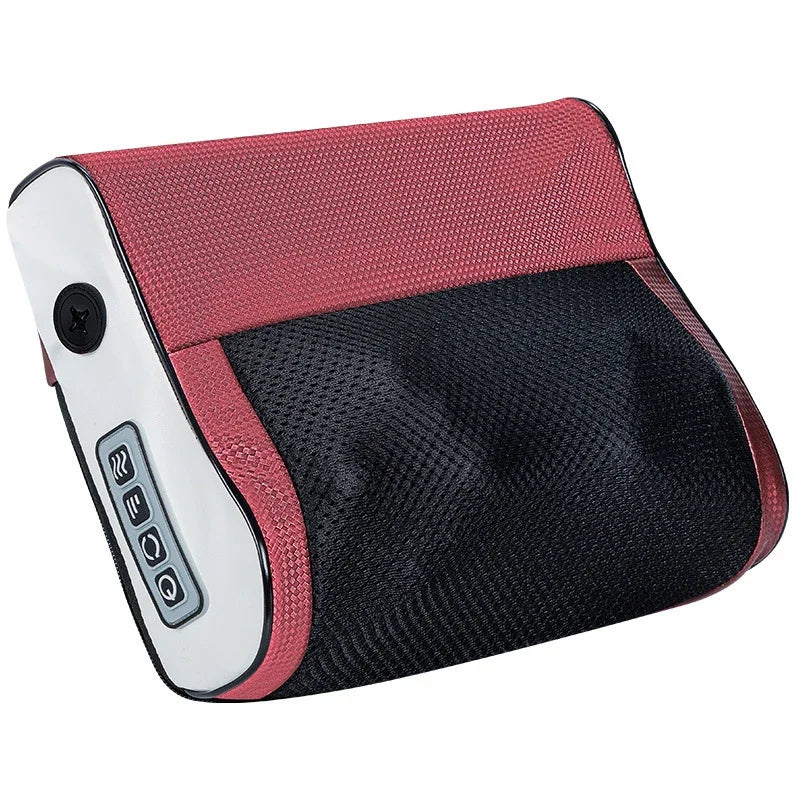
Consistent use of heat + massage improves neck comfort — KentDO
What Not to Do When Your Neck Is Tight
Do Not Forcefully Crack or Twist Your Neck
Aggressive neck movements may increase discomfort. Focus on gentle mobility instead.
Do Not Stretch Into Sharp or Radiating Pain
A mild stretch sensation is normal, but sharp pain or symptoms spreading into the arms should be a reason to stop.
Do Not Ignore New Neurological Symptoms
Numbness, weakness, or unusual sensations require more attention than ordinary muscle tightness.
When Neck Pain Might Need Medical Attention
Seek Urgent Care for Sudden Severe or Serious Symptoms
Seek medical attention if neck pain follows significant trauma or occurs with severe symptoms.
Get Evaluated for Numbness, Weakness, or Radiating Pain
Symptoms involving the arms, hands, or nerves should be evaluated by a healthcare professional.
See a Clinician for Persistent or Recurrent Neck Pain
If pain continues for weeks, repeatedly returns, or affects daily activities, professional advice may help determine appropriate next steps.
FAQ: Quick Answers About Relaxing Neck Muscles
How Long Does It Take to Relax Neck Muscles?
Many people notice improved comfort within 5–10 minutes using gentle heat, movement, stretching, and relaxation techniques. Results vary depending on the cause of tension.
What Is the Fastest Way to Relieve Neck Stiffness?
The fastest approach for everyday stiffness is usually a combination of gentle heat, mobility exercises, light stretching, and self-massage.
Can I Repeat a Neck Relaxation Routine Every Day?
Yes. A gentle neck relaxation routine can usually be repeated daily as long as movements remain comfortable and do not worsen symptoms.
Is Heat or Ice Better for Neck Tension?
Heat is often used for muscle tightness, while ice may be more appropriate after recent injury or swelling.
How Often Should I Stretch Tight Neck Muscles?
Gentle stretching can be performed regularly, especially after long periods of sitting or screen use.
Can Stress Make Neck Muscles Feel Tight?
Yes. Stress can contribute to neck and shoulder tension by causing repeated muscle tightening.
When Should I See a Doctor for Neck Tension?
Seek medical advice for persistent pain, severe symptoms, numbness, weakness, radiating discomfort, or symptoms after an injury.
Related Articles:
- Improve Blood Circulation Naturally: Simple Moves to Loosen Neck & Shoulders
- Deep Kneading Massage Guide: Learn Proper Technique for Tension Release
- Hot Compress Therapy Benefits: How to Use Heat for Instant Ease
- Neck Stiffness Relief Tips: Daily Techniques That Actually Work
Pillar Articles:













