

Does an Ice Roller vs Ice Bag Really Work for Pain Relief and Skincare?
Both ice rollers and ice bags can provide short-term relief through cold therapy. Cooling the skin and underlying tissues can temporarily reduce pain signals, limit swelling, and create a numbing, soothing sensation. However, the better option depends on the area being treated and your goal.
An ice roller is usually better for targeted cooling, facial puffiness, skincare routines, and small areas of muscle tension. A reusable ice bag is generally better for broader coverage after an injury, swelling, or soreness affecting a larger muscle or joint. Neither tool is a cure-all, and cold therapy should be used carefully when pain or swelling may indicate a more serious injury.
Ice Roller vs Ice Bag: Which Cold Therapy Tool Is Better?
⏱ 7 min read
Choosing between an ice roller vs ice bag depends on what you need from cold therapy. An ice roller offers controlled, moving cooling for the face and smaller areas, while a reusable ice bag delivers broader, more consistent cooling for muscles, joints, and swelling. This guide compares their cooling performance, coverage, comfort, hygiene, convenience, and best use cases so you can choose the right tool without wasting time or money.
Ice Roller vs Ice Bag: Quick Verdict
For most people, the best choice depends on the treatment area rather than one tool being universally better. An ice roller is the better option for facial puffiness, skincare, targeted cooling, and a convenient massage-like experience. A reusable ice bag is usually the better option for larger areas, post-injury swelling, and broad muscle soreness.
- Choose an ice roller for facial cooling, temporary puffiness reduction, small areas of muscle tension, and quick daily routines.
- Choose an ice bag for larger muscles, joints, sprains, localized swelling, and situations where broad coverage matters more than massage.
- Use both if you want a targeted tool for skincare and a larger cold therapy option for exercise recovery or occasional swelling.
For a side-by-side breakdown of cooling duration, coverage, comfort, hygiene, and value, see the ice roller vs ice bag comparison table below.
Ice Roller vs Ice Bag Comparison Table
| Feature | Ice Roller | Reusable Ice Bag |
|---|---|---|
| Cooling duration | Typically shorter and localized, depending on the frozen roller design and use | Often provides longer continuous cooling across a larger area, depending on the fill and insulation |
| Coverage | Small, targeted areas | Broad and flexible coverage |
| Portability | Compact and convenient for routines | Portable but requires ice or a cold source |
| Comfort | Moving contact can feel soothing and controlled | Flexible surface conforms to the body but may feel heavier |
| Massage effect | Yes, through rolling movement | No; cooling is generally static |
| Hygiene | Easy to clean when used on clean skin | Requires regular cleaning and careful handling of the exterior |
| Best use cases | Face, puffiness, skincare, small areas | Injuries, swelling, joints, and larger muscle groups |
| Overall value | Best for targeted daily use and multi-purpose routines | Best for broad, practical cold therapy coverage |
How Ice Rollers and Ice Bags Work
Both tools rely on the same basic principle: transferring cold from a chilled surface to the skin and underlying tissues. Cooling can temporarily reduce the sensation of pain and may help limit the feeling of swelling. The main difference is how that cooling is delivered.
Ice Roller Cooling Mechanism
An ice roller transfers cold through a relatively small roller head that moves across the skin. The rolling motion provides targeted contact while also creating a gentle massage sensation. Because the roller is moved continuously, you can control exactly where the cooling is applied and how much pressure is used.
This makes an ice roller particularly useful for the face, under-eye area, neck, and smaller areas of muscle tension. The cooling effect is usually more localized than that of an ice bag, and the roller may warm gradually as it is used.
Reusable Ice Bag Cooling Mechanism
A reusable ice bag transfers cold through a flexible surface that rests against the body. Unlike an ice roller, it generally provides static cooling rather than movement or massage. Its larger surface area allows it to cover more of a muscle, joint, or swollen area at once.
The exact cooling duration depends on the bag's construction, the amount and temperature of the ice or cold contents, ambient temperature, and how well it maintains contact with the body. For broad cold therapy, its coverage is usually its biggest advantage.
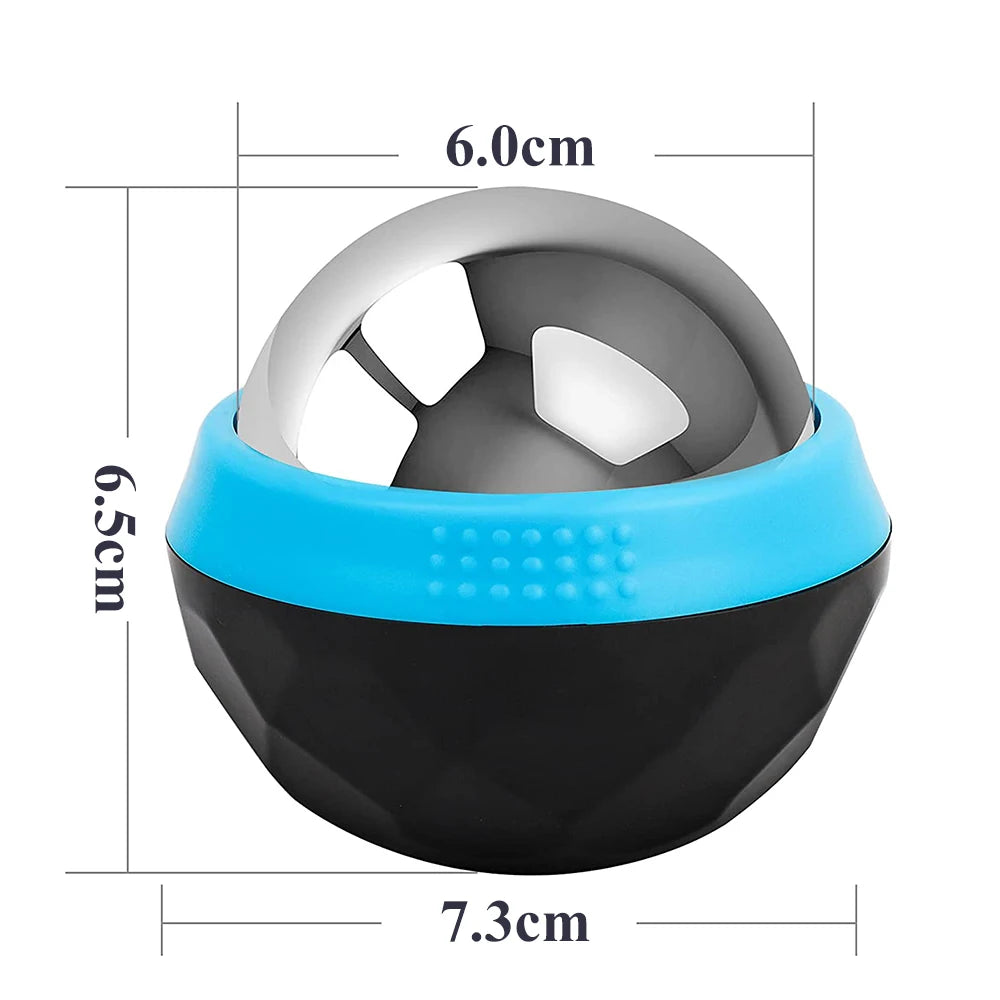
Targeted cold massage for muscle recovery and skincare — See it in action
Ice Roller vs Ice Pack: What's the Difference?
Ice bags and ice packs are often used interchangeably, but they are not always identical. An ice bag is typically flexible and may be filled with ice or another cold medium, while a reusable ice pack often contains a pre-made gel or phase-change material inside a sealed pouch.
Both generally provide static cooling. An ice roller differs because it combines cold transfer with movement across the skin.
- Ice roller: Best for targeted cooling, facial routines, and areas where controlled movement is useful.
- Ice bag: Best for flexible, broad coverage around larger muscles or joints.
- Ice pack: Best when you want a pre-made cold source with consistent contact and minimal preparation.
For injuries or substantial swelling, a flexible ice bag or ice pack may be more practical than an ice roller because it can cover a larger area without repeated movement. For skincare and localized cooling, an ice roller is often easier to control.
Reusable Ice Bag vs Ice Roller: Pros and Cons
Ice Roller Pros
- Provides targeted cooling for the face and smaller areas
- Combines cold therapy with a gentle rolling massage sensation
- Quick to use once chilled
- Can be useful for temporary facial puffiness and post-workout cooling
- Reusable and generally simple to maintain
Ice Roller Cons
- Limited coverage compared with a reusable ice bag
- May not be practical for large injuries or widespread muscle soreness
- Requires freezer storage or another method of cooling
- Cooling may become less consistent as the roller warms during use
Ice Bag Pros
- Covers larger body areas
- Flexible enough to conform to many body contours
- Useful for swelling, sore muscles, and many common recovery situations
- Can provide continuous cooling without repeated rolling
- Reusable models can offer good long-term value
Ice Bag Cons
- Requires ice or another cold source depending on the design
- Provides no massage effect
- May feel bulky during use
- Requires careful cleaning and storage to maintain hygiene
Best Use Cases: Ice Roller vs Ice Bag
Facial Puffiness and Skincare
An ice roller is generally the better choice for facial routines. Its smaller rolling surface allows you to apply cooling in a controlled way without needing to hold a large cold pack against the face. The cooling sensation may temporarily reduce the appearance of puffiness and help the skin feel refreshed.
For facial use, avoid excessive pressure and prolonged exposure to very cold surfaces. An Ice Massage Roller Ball can be used as part of a targeted cooling and massage routine.
Sports Injuries and Swelling
A reusable ice bag is usually more practical when the treatment area is large or when you need broad coverage. It can be positioned over a larger muscle or joint without the repeated movement required by an ice roller.
Cold therapy should not be used as a substitute for evaluation when an injury causes severe pain, significant swelling, deformity, loss of function, or other concerning symptoms.
Headaches and Migraines
Some people find cooling on the forehead, temples, or back of the neck soothing during a headache. An ice roller can provide controlled, localized cooling, while an ice bag may offer broader coverage.
Because headaches can have many causes, cold therapy is best viewed as a comfort measure rather than a treatment for the underlying cause. Seek medical care for a sudden, severe, unusual, or persistent headache.
Post-Workout Recovery
For small areas of muscle tension, an ice roller can provide targeted cooling and a soothing rolling sensation. A reusable ice bag may be more practical when soreness affects a larger muscle group or when you want to cool one area without continuously moving the tool.
Neither tool should be expected to eliminate all post-workout soreness. Recovery also depends on factors such as rest, hydration, nutrition, and the intensity of the activity.
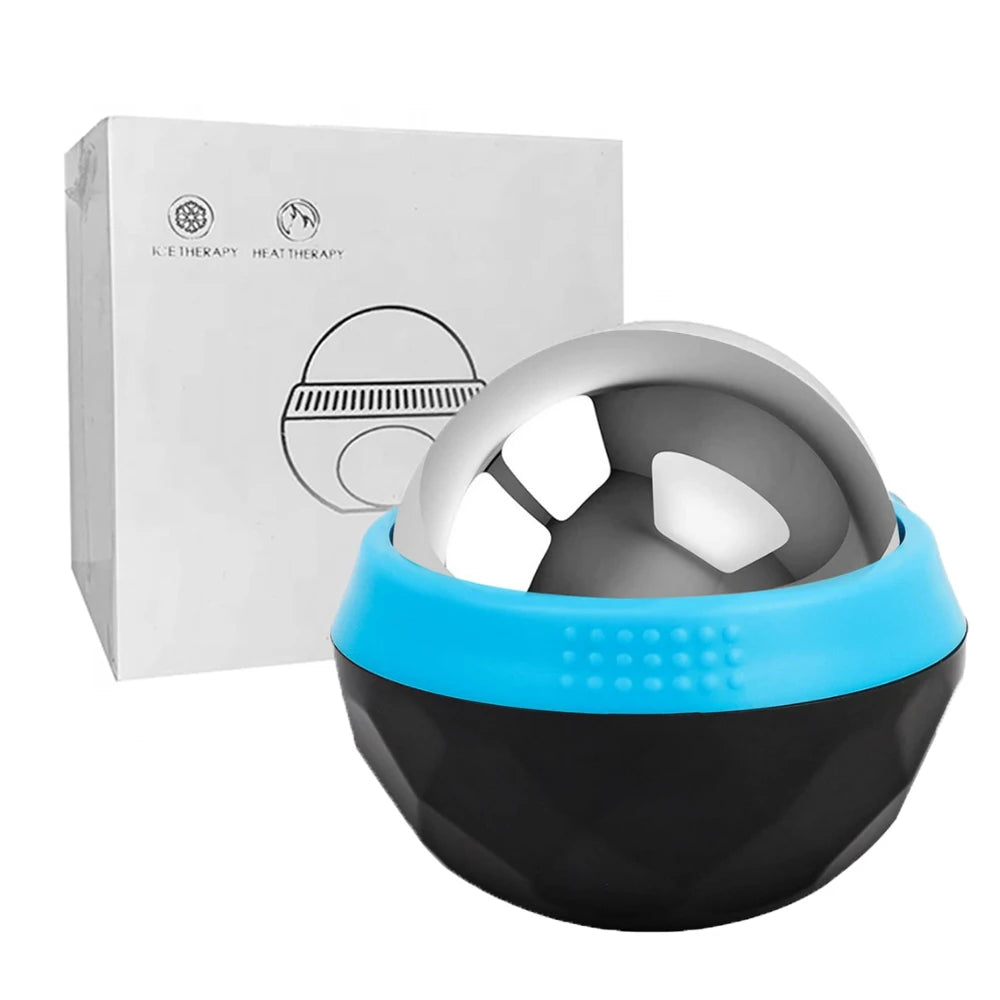
Comparing cold therapy tools for real-world use — See it in action
Cold Retention, Coverage, Hygiene, and Cost
How Long Each Stays Cold
There is no single cooling time that applies to every ice roller or ice bag. A roller may provide a strong, localized cooling sensation that gradually decreases as the head warms. An ice bag can often maintain useful cooling across a larger area for longer, depending on its size, contents, insulation, and surrounding temperature.
For either tool, the goal is controlled cooling rather than keeping the skin exposed to extreme cold for as long as possible.
Cleaning and Maintenance
Hygiene is particularly important when a tool is used on the face. Clean the surface of an ice roller according to the manufacturer's care instructions and allow it to dry before storage. Reusable ice bags should also be kept clean and dry, especially if condensation or moisture accumulates on the exterior.
Do not share facial-use tools without cleaning them properly first. Regular maintenance can help prevent the buildup of oils, dirt, and other residue.
Comfort and Surface Coverage
An ice roller offers greater control because you decide where it moves and how much pressure to apply. This can make it comfortable for smaller areas and facial routines. An ice bag offers more coverage and may conform better to larger body areas, but it can feel heavier or less precise.
Price and Reusability
Both options can provide good long-term value when they are reusable. An ice roller may be more convenient for frequent targeted use, while a reusable ice bag can be more economical when you regularly need broad cold therapy. The best value depends on how often you use the tool and whether its coverage matches your typical needs.
Do Ice Rollers Work? What the Evidence Says
Yes, ice rollers can work for their intended purpose: delivering localized cooling and a soothing rolling sensation. The most realistic benefits are temporary. Cooling may help reduce the sensation of discomfort and make facial puffiness appear less noticeable for a period of time.
The massage component may also make the routine feel relaxing. However, claims that an ice roller permanently tightens skin, dramatically improves circulation, or produces lasting changes should be treated cautiously. An ice roller is a supportive skincare or recovery tool, not a replacement for medical treatment or professional care.
The same principle applies to an ice massage roller: its value comes from convenient, controlled cold application and the comfort of gentle movement. Results vary depending on the tool, the area treated, the duration of use, and the reason for using cold therapy.
Explore more recovery-focused options in Body Care and Health Devices for a complete wellness setup.
Ice Roller How to Use Safely
Facial Use
- Clean the roller according to the manufacturer's instructions before use.
- Make sure the roller is cold but not so cold that it causes immediate discomfort.
- Use light pressure on clean skin.
- Move the roller continuously rather than holding it on one spot for an extended period.
- Use gentle outward and upward motions if that feels comfortable for your facial routine.
- Stop if you experience burning, excessive numbness, pain, or significant skin irritation.
Muscle Recovery Use
- Identify the specific area you want to cool.
- Use gentle, controlled rolling rather than aggressive pressure.
- Keep sessions brief and follow the product's instructions.
- Allow the skin to return to a comfortable temperature before repeating a session.
- Stop if discomfort worsens or the area develops unusual skin changes.
For many people, short sessions are more practical than prolonged exposure. Frequency depends on your goal, but using an ice roller every day is not automatically better than using it only when it provides a useful cooling or soothing benefit.
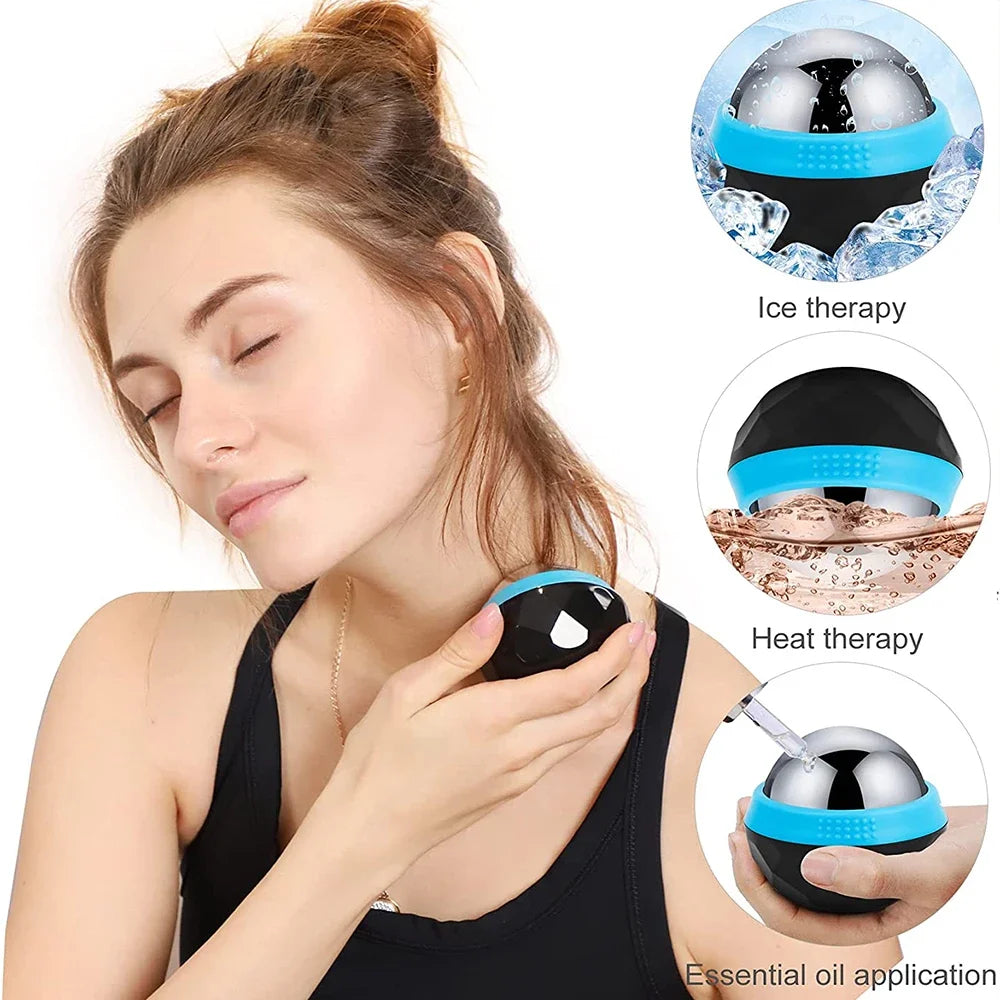
Simple and effective cold therapy for daily recovery — See it in action
Safety, Risks, and When to Avoid Cold Therapy
Cold therapy is not appropriate for every person or every situation. Avoid applying extreme cold directly to the skin for prolonged periods, and stop if you develop intense pain, burning, marked numbness, or unusual skin discoloration.
Use extra caution or ask a healthcare professional before using cold therapy if you have significant cold sensitivity, reduced sensation, circulation problems, or a condition that makes it difficult to recognize skin injury.
For an acute injury, seek medical evaluation when symptoms are severe, worsening, or associated with substantial swelling, deformity, inability to use the affected body part, or other concerning symptoms. Cold therapy should not delay necessary medical care.
Which One Should You Choose?
Best for Skincare: Ice Roller
Choose an ice roller if your main goal is facial cooling, temporary puffiness reduction, or a quick skincare routine. Its small surface and rolling motion provide better control than a large ice bag.
Best for Injuries: Reusable Ice Bag
Choose a reusable ice bag when you need broad cooling for a larger muscle, joint, or area of swelling. Its flexible coverage makes it more practical for many recovery situations than a small roller.
Best All-Around Choice: Use the Tool That Matches the Area
There is no universal winner in the ice roller vs ice bag comparison. For targeted daily skincare and localized cooling, an ice roller is usually the more convenient choice. For broad cold therapy and larger areas, a reusable ice bag is generally more practical.
If your routine includes both facial care and exercise recovery, keeping both types of cold therapy tool available may offer the most flexibility. The best option is the one that matches your treatment area, comfort preferences, and reason for using cold therapy.
Quick FAQs
Is an ice roller better than an ice bag for swelling?
It depends on the area. An ice roller may be more convenient for small, localized areas or facial puffiness, while an ice bag is usually better for broader swelling affecting a larger muscle or joint.
Can an ice roller replace an ice pack after exercise?
Not always. An ice roller can provide targeted cooling for a small area, but an ice pack or reusable ice bag may be more practical when post-exercise soreness affects a larger muscle group.
How long should you use an ice roller or ice bag?
Use cold therapy for short, controlled sessions and follow the instructions for the specific product. Avoid prolonged exposure to extreme cold and stop if you experience pain, burning, excessive numbness, or skin discoloration.
Are reusable ice bags safe for facial skincare?
They may be used for cooling in some situations, but they are generally less convenient and less precise than an ice roller for the face. Always avoid prolonged direct exposure to extreme cold and keep the surface clean.
Is an ice roller more hygienic than using ice cubes?
An ice roller can be easier to control and clean than directly rubbing loose ice on the skin, but hygiene depends on proper cleaning and storage. Clean the roller as directed and avoid sharing it without thorough cleaning.
Can you use an ice roller every day?
Many people can use an ice roller regularly for brief, comfortable sessions, but daily use is not necessary for everyone. Use light pressure, avoid prolonged exposure, and stop if your skin becomes irritated or unusually sensitive.
Related Guide: Cold Versus Heat Therapy Compared for Faster Muscle Relief </p













