

Does riding a bike without a helmet really increase injury risk?
Yes. Riding a bike without a helmet substantially increases the risk of serious head injuries during a crash. Research from multiple traffic safety and medical organizations consistently shows that cyclists who wear properly fitted helmets are less likely to suffer traumatic brain injuries, skull fractures, and fatal head trauma than those riding unprotected.
Whether you're commuting across town, cycling on neighborhood streets, or enjoying a weekend trail ride, crashes can happen because of distracted drivers, poor road conditions, unexpected obstacles, or simple loss of balance. Even seemingly minor falls can produce enough force to cause life-changing brain injuries when the head strikes pavement or another hard surface.
What Happens to Your Head During a Bike Crash (Impact Mechanics Explained)
How Impact Forces Affect the Skull and Brain
During a bike accident no helmet, the head often absorbs most of the impact energy. Even at moderate cycling speeds, the force transmitted directly to the skull may exceed what the human body can safely tolerate, resulting in skull fractures, bleeding around the brain, or traumatic brain injury (TBI).
The brain is suspended inside the skull in cerebrospinal fluid. During a sudden stop, it continues moving briefly before striking the inside of the skull. This rapid acceleration and deceleration is responsible for many concussions and more severe neurological injuries.
Why Helmets Reduce Rotational and Linear Forces
Modern bicycle helmets use crushable foam liners and durable outer shells to absorb and spread impact energy. They reduce both linear forces from direct impacts and rotational forces caused by twisting motions—both major contributors to brain injuries.
While no helmet can prevent every injury, reducing these forces significantly lowers the likelihood and severity of many common bike injuries without helmet protection.
Riding a Bike Without a Helmet: Risks, Injuries, and Real Consequences
⏱ 6 min read — Riding a bike without helmet may seem harmless on familiar routes or short neighborhood trips, but crashes are unpredictable. Understanding how injuries happen, who faces the greatest risk, and what research says about helmet effectiveness helps every cyclist make safer decisions.
Explore protective options designed for real riders
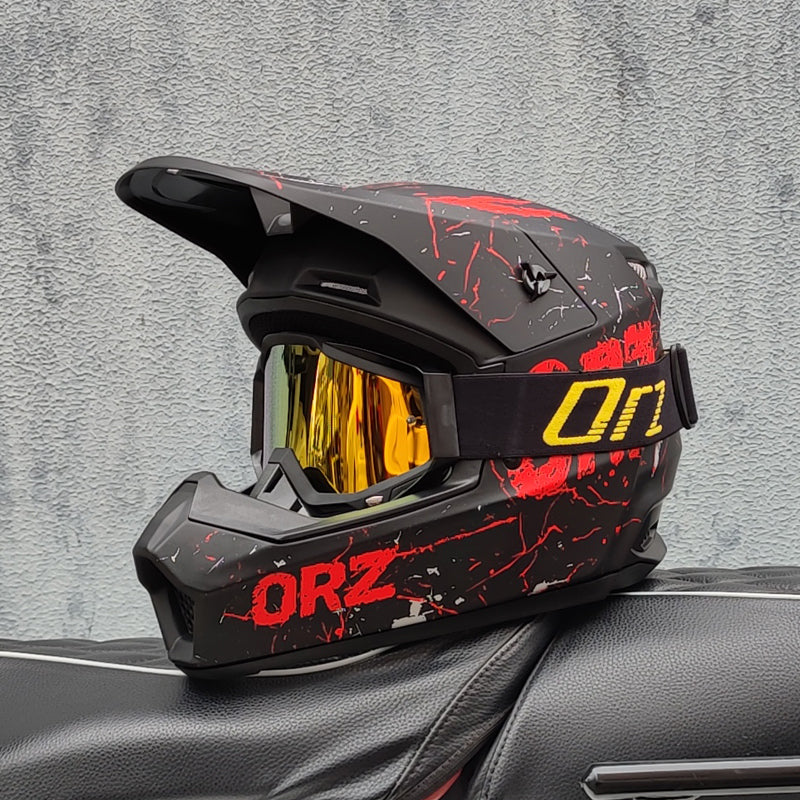
Riding a bike without helmet increases injury risk — See it in action
Why Riding Without a Helmet Is Riskier Than You Think
Many people believe cycling without a helmet is acceptable for short trips or quiet streets. In reality, many bicycle crashes happen during routine rides close to home, where familiarity can lead riders to lower their guard.
Common Misconceptions That Lead Riders to Skip Helmets
- "I'm only riding a few minutes." Many crashes occur within a few miles of home.
- "I'm an experienced cyclist." Your skill cannot control distracted drivers, animals, potholes, or mechanical failures.
- "I'm riding slowly." Head injuries can occur from simple falls at relatively low speeds.
- "Helmets are uncomfortable." Modern helmets are lighter, cooler, and better ventilated than ever before.
Why Low-Speed Falls Can Still Cause Serious Injury
A cyclist traveling just 10–15 mph can strike the pavement with considerable force after losing balance or hitting an obstacle. Because the head often contacts the ground first, even low-speed crashes may result in concussions, facial fractures, or brain bleeding when no helmet is worn.
Bike Injuries Without Helmet: Types and Severity Breakdown
Traumatic Brain Injuries (TBI) and Concussions
Traumatic brain injuries remain among the most severe outcomes of riding a bike without a helmet. They range from mild concussions to permanent brain damage affecting memory, concentration, speech, balance, and daily functioning. Learn more about brain injury symptoms and early warning signs.
Skull Fractures and Internal Bleeding
Direct impacts can fracture the skull or cause bleeding inside the brain. These medical emergencies often require immediate imaging, hospitalization, surgery, and extended rehabilitation.
Facial and Dental Injuries
Unhelmeted riders also experience higher rates of facial fractures, jaw injuries, broken teeth, deep cuts, and eye injuries. Recovery frequently involves reconstructive procedures and prolonged dental treatment.
Helmet vs No Helmet Statistics (What the Data Shows)
Injury and Fatality Trends
Large population studies consistently show better outcomes for helmeted cyclists compared with riders involved in bicycle accidents without helmets.
- Helmet use is associated with substantially lower rates of serious head injury.
- Severe brain trauma occurs less frequently among helmeted riders.
- Fatal head injuries are more common in cyclists who were not wearing helmets at the time of the crash.
What Research Says About Helmet Effectiveness
While no helmet eliminates all risk, scientific evidence supports helmet use as one of the most effective injury-prevention strategies available for cyclists. Helmets work best when they fit correctly, are properly fastened, and meet recognized safety standards. For more guidance, explore cycling safety tips.
Bicycle Accidents Without Helmets: Real-Life Scenarios and Risk Factors
Urban Traffic vs Recreational Riding Risks
Urban commuters face hazards including vehicle traffic, opening car doors, intersections, and limited visibility. Recreational riders may encounter gravel, wet pavement, tree roots, loose rocks, or unexpected descents. Both situations can produce severe injuries when riding without adequate head protection.
Speed, Road Conditions, and Rider Behavior
Risk increases with higher speeds, poor weather, inadequate lighting, distracted riding, fatigue, alcohol use, and poorly maintained bicycles. Safe riding habits reduce—but never eliminate—the possibility of crashing.
Real-World Consequences of Head Injuries
Head injuries often extend far beyond the initial emergency. Recovery can last months or years, and some riders never fully regain previous cognitive or physical abilities.
Long-Term Effects Riders Rarely Consider
- Persistent headaches and dizziness
- Memory and concentration problems
- Mood, personality, or behavioral changes
- Difficulty returning to work or school
- Reduced independence after severe injuries
Browse Lifestyle essentials for active riders
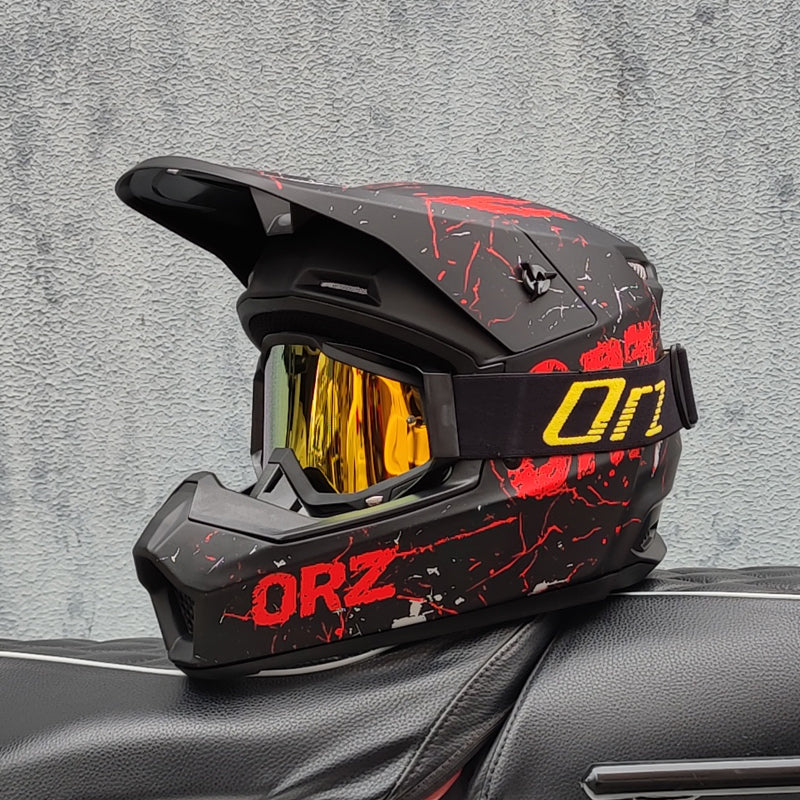
Helmet vs no helmet statistics reveal real differences — See it in action
Who Is Most at Risk When Riding Unprotected
Anyone can be seriously injured in a bicycle crash, but certain groups face higher risks because of riding environments, experience level, or age.
High-Risk Riding Scenarios
- Daily commuting in busy traffic
- Mountain biking on technical trails
- Night riding with limited visibility
- Fast group rides where sudden braking is common
Children vs Adults: Different Risk Profiles
Children may lack the judgment and road awareness needed to anticipate hazards, while adults often ride faster and spend more time sharing roads with motor vehicles. Regardless of age, wearing a properly fitted helmet remains one of the simplest ways to reduce injury risk.
Long-Term Health and Financial Impact of Bike Accidents Without Helmet
Medical Costs and Rehabilitation
Head injuries may require emergency transportation, diagnostic imaging, hospitalization, surgery, rehabilitation, prescription medications, and follow-up care. Medical expenses can become substantial, particularly after moderate or severe brain injuries.
Cognitive and Lifestyle Limitations
Beyond medical bills, injured riders may experience reduced earning potential, time away from work, long-term disability, emotional stress, and the need for ongoing caregiver support.
Can You Ride a Bike Without a Helmet Legally?
Helmet Laws Vary by Country and State
Whether you can ride a bike without a helmet depends on where you live. Some countries, states, provinces, and municipalities require helmets for all cyclists, while others only require them for minors or have no statewide requirement.
If you're traveling, check local regulations before riding, as penalties may include fines or other legal consequences.
Children vs Adult Requirements
Many jurisdictions have stricter helmet requirements for children because younger riders are more vulnerable to serious head injuries. Even where helmets are optional for adults, safety experts generally recommend wearing one on every ride.
How to Reduce Your Risk if You Ride Regularly
Wear a Certified Helmet
Choose a helmet that fits snugly, sits level on your head, and is securely fastened. Replace any helmet after a significant impact or according to manufacturer recommendations.
Increase Visibility
Wear bright or reflective clothing, use front and rear lights, and ride where you are easiest for motorists and other cyclists to see.
Ride Defensively
Follow traffic laws, avoid distractions, inspect your bicycle before each ride, maintain proper tire pressure and brakes, and assume other road users may not see you.
Get yours now — limited stock!
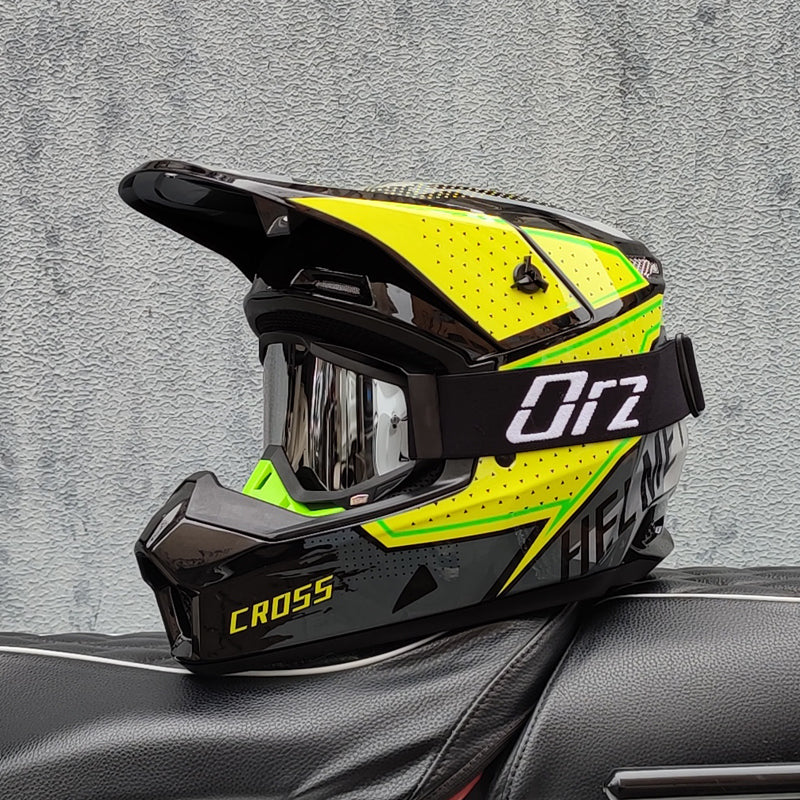
Protect your ride and your future — See it in action
Helmet vs No Helmet: Quick Comparison Table
| Factor | Without Helmet | With Helmet |
|---|---|---|
| Head injury risk | Much higher | Significantly reduced |
| Brain injury severity | More severe on average | Often reduced |
| Impact absorption | None | Energy distributed through helmet structure |
| Recovery time | Potentially longer | Often improved after comparable crashes |
| Overall protection | Minimal | Substantially greater |
Frequently Asked Questions
Is riding a bike without helmet ever safe?
No. Even experienced cyclists can be involved in unexpected crashes. Wearing a properly fitted helmet reduces the risk of serious head injuries on every ride.
Do helmets really reduce injury severity?
Yes. Bicycle helmets are designed to absorb and distribute impact forces, reducing the likelihood of severe head and brain injuries during many types of crashes.
Can you ride a bike without a helmet legally?
Helmet laws differ by country, state, and local jurisdiction. Some require helmets for everyone, while others apply only to children or younger riders.
Should adults and children follow the same helmet recommendations?
Yes. Although legal requirements may vary by age, both adults and children benefit from wearing a certified, properly fitted bicycle helmet every time they ride.
Related Guide: Helmet for Quad Riders: Choosing the Right Protection













