

Robot Window Cleaner Machine Review: Best Picks, Comparison & Buying Guide
⏱ 7 min read
Cleaning large windows by hand can be time-consuming, physically demanding, and difficult for upper-story glass. A robot window cleaner machine is designed to automate much of that work using powerful suction, intelligent navigation, and reusable cleaning pads. In this hands-on review, we evaluate how well these devices perform in everyday home use, where they excel, where they fall short, and which features matter most before you buy.
Discover how hands off window cleaning works in real homes
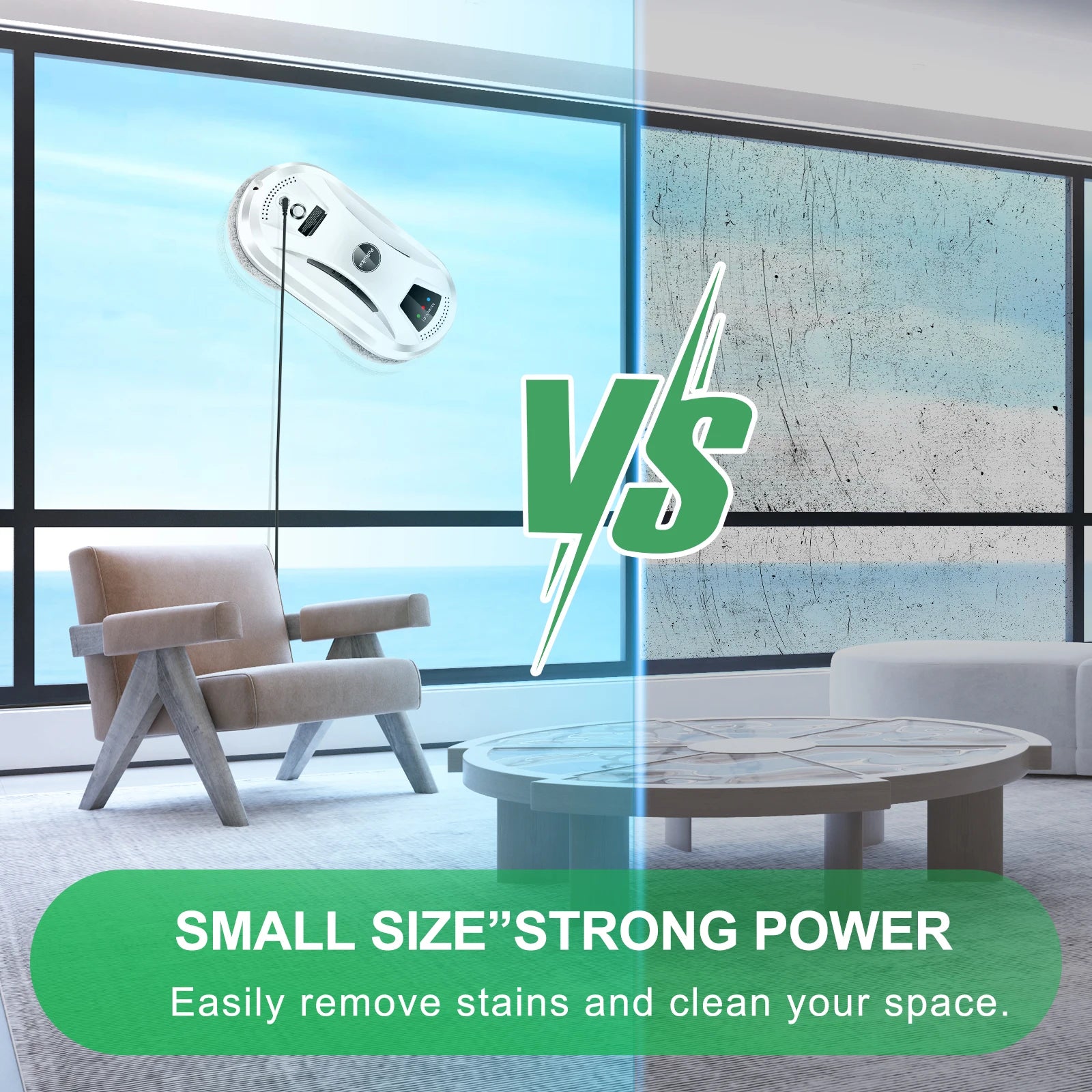
robot window cleaner machine for hands off window cleaning – See it in action
Best Robot Window Cleaner Machines Compared
Top Picks Overview
The best robot window cleaners combine dependable suction, intelligent route planning, edge detection, and simple controls to deliver consistent cleaning across everyday glass surfaces. Whether you need to maintain floor-to-ceiling windows, sliding patio doors, or hard-to-reach exterior glass, choosing the right model depends on your window size, cleaning frequency, and safety requirements.
For this review, we focused on the features that have the greatest impact on real-world performance, including adhesion stability, navigation accuracy, cleaning consistency, and ease of maintenance.
Comparison Table (Specs at a Glance)
- Suction Power: Higher suction helps the robot stay securely attached to vertical glass while cleaning.
- Navigation: AI-assisted path planning generally provides better coverage than random movement patterns.
- Safety Features: Look for a backup battery, anti-fall sensors, and a safety tether when cleaning elevated windows.
- Cleaning Modes: Multiple cleaning paths, including Z-pattern and N-pattern modes, improve coverage on different window layouts.
- Best For: Consider whether the model is optimized for frameless glass, large window panels, apartments, or residential maintenance.
Quick Recommendations by Use Case
- High windows: Choose a model with strong suction, a backup battery, and a secure safety rope.
- Frameless glass: Advanced edge detection is essential for safe operation.
- Routine maintenance: Mid-range models are usually sufficient for removing dust, fingerprints, and light residue.
- Large homes or offices: Prioritize efficient navigation, multiple cleaning modes, and reliable coverage across large glass surfaces.
How a Robot Window Cleaner Works
Suction & Adhesion Systems
A robot window cleaner machine stays attached to vertical glass by creating continuous vacuum suction through an internal motor. This suction provides enough holding force for the robot to move safely across windows while cleaning. As long as power is maintained and the glass surface is suitable, the device remains firmly attached during operation.
Navigation & Edge Detection
Modern automatic window cleaning robots rely on intelligent sensors and navigation algorithms to calculate efficient cleaning paths. Edge detection sensors identify the boundaries of framed and many frameless windows, reducing the risk of accidental movement beyond the glass. Instead of moving randomly, quality models follow organized cleaning patterns that improve coverage while minimizing missed spots.
Cleaning Pads and Water Delivery
Reusable microfiber pads lift dust, fingerprints, pollen, and light dirt without scratching the glass. Many premium models include an automatic spray system that distributes cleaning solution evenly during operation, while others use manually dampened pads. Keeping the pads clean is one of the simplest ways to improve streak-free results and maintain consistent cleaning performance.

window cleaning robots review with daily performance results – See it in action
Robot Window Cleaner Review: Performance Breakdown
Suction Strength
Reliable suction is the foundation of every robot window cleaner. Strong, consistent adhesion allows the machine to clean large vertical windows confidently while maintaining stable movement across the entire surface. Better suction also improves cleaning consistency because the pads stay in firm contact with the glass throughout each cleaning cycle.
Streak and Residue Results
Cleaning performance depends on several factors, including microfiber pad condition, the cleaning solution used, and how dirty the window is before cleaning. For light dust, fingerprints, and everyday smudges, most quality robots leave a clear finish. Heavier residue may require replacing or rinsing the pads and running a second cleaning cycle for the best appearance.
Noise Levels
Because suction is generated continuously, most robot window cleaners produce a sound level comparable to a compact vacuum cleaner. Premium models often reduce vibration and motor noise, making them more comfortable for longer cleaning sessions, although they are not completely silent.
Battery Backup & Safety Features
Most modern units include a backup battery that temporarily maintains suction if household power is interrupted, giving users time to retrieve the device safely. Safety ropes provide an additional layer of protection when cleaning upper-story windows, while anti-fall sensors help maintain secure operation throughout the cleaning process.
Who Should Buy a Robot Window Cleaner Machine?
Best Use Cases
A robot window cleaner machine offers the greatest value for homeowners and businesses that clean large glass surfaces regularly. By automating routine maintenance, it reduces the time, effort, and safety concerns associated with traditional window cleaning.
- Homes with large windows: Ideal for floor-to-ceiling glass, picture windows, and sliding patio doors.
- Apartments and condos: Especially useful for exterior windows that are difficult or unsafe to reach manually.
- Offices and commercial spaces: Helps maintain clean glass partitions, meeting rooms, and storefront windows with minimal interruption.
- Multi-story buildings: A practical solution for routine maintenance when paired with built-in safety features such as backup batteries and safety tethers.
Who Should NOT Buy
- Homes with only a few small windows that can be cleaned quickly by hand.
- Surfaces made from textured, uneven, or non-glass materials where suction cannot be maintained.
- Users expecting the robot to remove years of built-up grime without any preparation or additional cleaning cycles.
- Anyone unwilling to perform basic maintenance, such as washing microfiber pads and inspecting the safety tether.
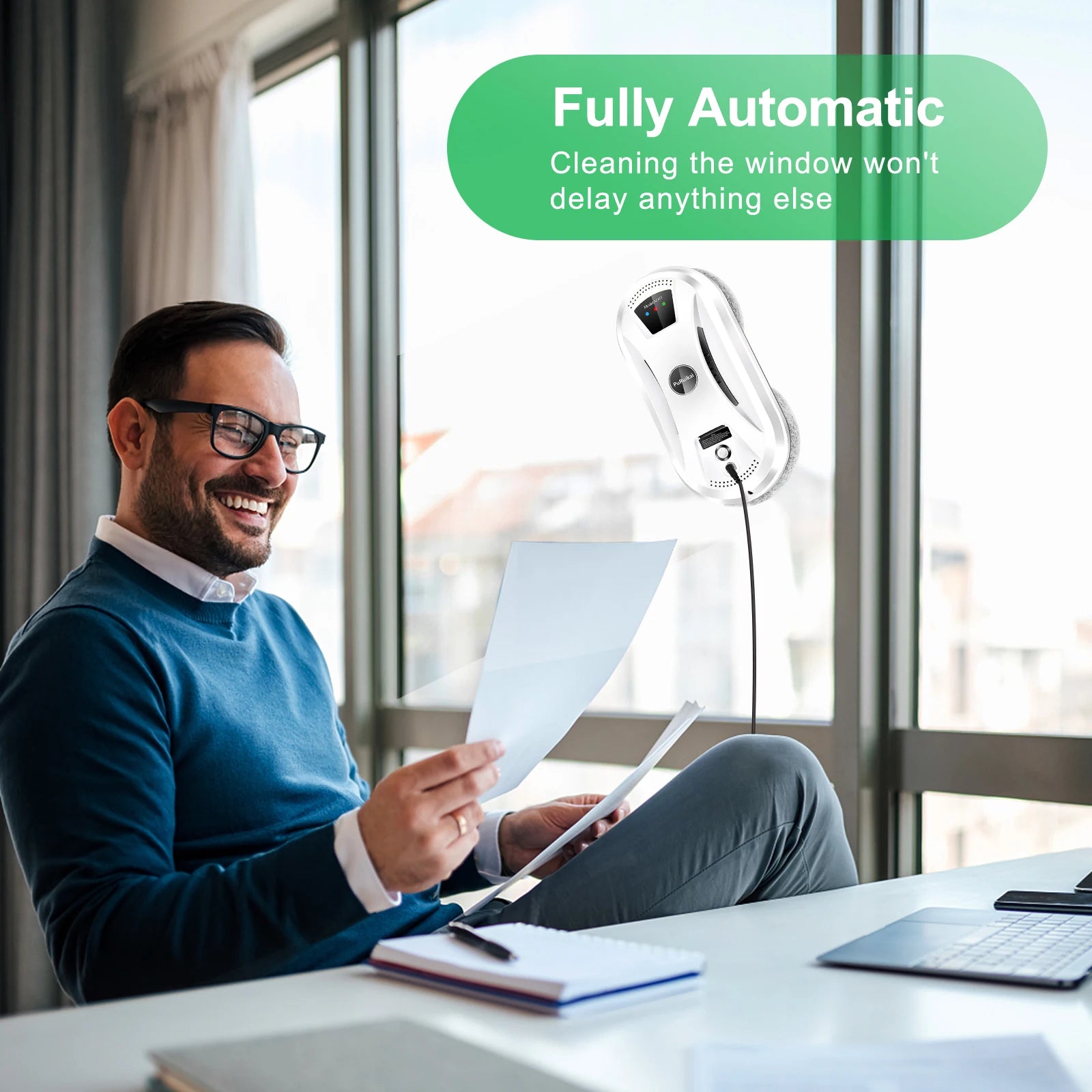
best robot window cleaner for modern homes – See it in action
How to Choose the Best Robot Window Cleaner
Cleaning Performance
The best robot window cleaner should deliver consistent, streak-free results on the types of glass you clean most often. Consider how well the unit removes fingerprints, dust, pollen, and light grime during routine maintenance. If your windows are frequently exposed to rain, construction dust, or heavy outdoor residue, choose a model capable of multiple cleaning modes and repeat passes.
Navigation
Advanced navigation technology improves cleaning efficiency by planning systematic routes instead of random movements. AI-assisted mapping and edge detection reduce missed areas, making them particularly valuable for large windows, glass doors, and frameless panels.
Safety Features
Safety is especially important when cleaning elevated windows. Look for features such as continuous suction monitoring, anti-fall sensors, a safety tether, and a backup battery that temporarily maintains adhesion during a power interruption.
Maintenance Costs
Long-term ownership costs are generally low, but they should still be considered before purchasing. Reusable microfiber pads should be washable, replacement accessories should be readily available, and routine maintenance should require minimal effort to keep cleaning performance consistent.
Price vs Value
Premium robot window cleaners typically offer stronger suction, smarter navigation, automatic spray functions, and improved reliability. Mid-range models often provide excellent value for routine household maintenance, while entry-level options are best suited for occasional light cleaning on standard residential windows.
Are Window Cleaning Robots Safe?
Safety Rope and Backup Battery
Modern robot window cleaners are designed with multiple layers of protection. A safety rope provides a secondary attachment point should suction be interrupted, while an integrated backup battery keeps the robot attached to the glass for a limited time during a power outage, allowing it to be removed safely.
Frameless Window Protection
Many premium models include edge detection sensors that recognize the boundaries of frameless glass. These sensors help adjust movement patterns and reduce the likelihood of the robot moving beyond the edge, making them suitable for many contemporary window designs when used according to the manufacturer's instructions.
Safe Use on High Windows
Robot window cleaners can be an effective solution for upper-story windows that are difficult to reach manually. For maximum safety, always secure the tether correctly, inspect the glass before use, ensure the suction pads are clean, and avoid operating the device on cracked, damaged, or excessively wet surfaces.
Maintenance and Cleaning Tips
- Wash microfiber pads after each cleaning session to maintain effective dirt removal and reduce streaking.
- Replace worn cleaning pads when they lose their ability to trap dust or absorb cleaning solution evenly.
- Use only manufacturer-recommended cleaning solutions to protect the spray system and internal components.
- Store the robot window cleaner in a clean, dry location to help extend the life of electronic and mechanical parts.
- Regularly inspect the suction ring, power cable, and safety tether for signs of wear before each use.
Frequently Asked Questions
Are robot window cleaners worth it?
For homes with multiple glass surfaces or hard-to-reach windows, a robot window cleaner can be a worthwhile investment. It reduces manual effort, improves cleaning consistency, and makes routine window maintenance more convenient. While it will not eliminate every deep-cleaning task, it can significantly reduce how often manual cleaning is required.
Can they replace manual cleaning?
Not completely. Robot window cleaners are designed primarily for regular maintenance and perform best on dust, fingerprints, and light grime. Heavily soiled windows or stubborn stains may still require occasional manual cleaning or multiple cleaning cycles.
Do they work on very dirty windows?
Yes, but expectations should be realistic. Extremely dirty windows often benefit from a quick pre-clean or an additional cleaning pass. Replacing or rinsing the microfiber pads between cycles can also improve final results.
Can they clean frameless windows?
Many modern robot window cleaners are suitable for frameless glass because they use intelligent edge detection and continuous suction. Always confirm that the specific model supports frameless windows and follow the manufacturer's safety recommendations.
How long do cleaning pads last?
Reusable microfiber pads typically last through dozens of cleaning sessions when washed and cared for properly. Replace them once they become worn, lose absorbency, or no longer provide effective cleaning performance.
How does a robot window cleaner work?
A robot window cleaner uses a vacuum motor to create suction that keeps it attached to the glass while sensors and navigation software guide systematic cleaning paths. Microfiber pads remove dust and residue as the robot moves across the surface.
Are window cleaning robots safe on high windows?
Yes. Models equipped with a safety rope, backup battery, anti-fall protection, and reliable suction are designed for elevated windows. Always attach the safety tether correctly and inspect the glass before starting a cleaning cycle.
Do robot window cleaners leave streaks?
When clean microfiber pads and the recommended cleaning solution are used, most quality robot window cleaners produce clear, streak-free results. Dirty pads or excessive cleaning solution can increase the likelihood of streaking.
Do robot window cleaners work on mirrors and shower glass?
Many models also clean mirrors, shower screens, and other smooth glass surfaces. Performance depends on the manufacturer's recommendations and whether the surface provides enough area for the robot to maintain proper suction.
Related Guide: Robot Window Cleaner Guide: What Owners Love and Regret













