

What Is a Robotic Finger Trainer for Adults and Is It Worth It?
A robotic finger trainer for adults, also called a finger rehabilitation device or robotic hand rehabilitation glove, is designed to help restore finger movement through guided, repetitive exercises. These devices use pneumatic assistance, sensors, or motor-assisted movement to support rehabilitation after neurological conditions, orthopedic injuries, or prolonged hand weakness.
For many adults, especially those recovering from stroke or hand surgery, a robotic glove makes it easier to complete hundreds of controlled repetitions at home—something that's difficult to achieve consistently with manual exercises alone.
Who These Devices Are Designed For
- Adults recovering from stroke or traumatic brain injury
- People rehabilitating after hand or wrist surgery
- Individuals with nerve injuries affecting hand movement
- Seniors experiencing reduced finger mobility or stiffness
- Anyone following a therapist-directed home rehabilitation program
Common Rehabilitation Goals
- Increase finger range of motion
- Improve grip strength and coordination
- Reduce joint stiffness through repetitive movement
- Encourage functional hand use for daily activities
- Support long-term motor relearning alongside therapy
When They May Not Be the Right Choice
A robotic glove isn't the best solution for every situation. If you already have normal hand function and simply want stronger grip for sports or fitness, traditional strength training equipment is usually more appropriate. Likewise, individuals with acute fractures, uncontrolled pain, severe swelling, or medical restrictions should obtain clearance from their healthcare provider before beginning robotic-assisted rehabilitation.
Robotic Hand Rehabilitation Glove: Best Devices, How They Work & What to Buy in 2026
Stiff fingers. Weak grip. Slow progress. If you're recovering from a stroke or hand injury, traditional exercises can feel repetitive and discouraging. A robotic hand rehabilitation glove offers guided motion, structured repetition, and measurable progress at home—but is it worth it? This expert guide breaks down how these devices work, compares top types, and helps you choose the right solution.
⏱ 8 min read
Discover how smart rehabilitation tools can transform your routine.
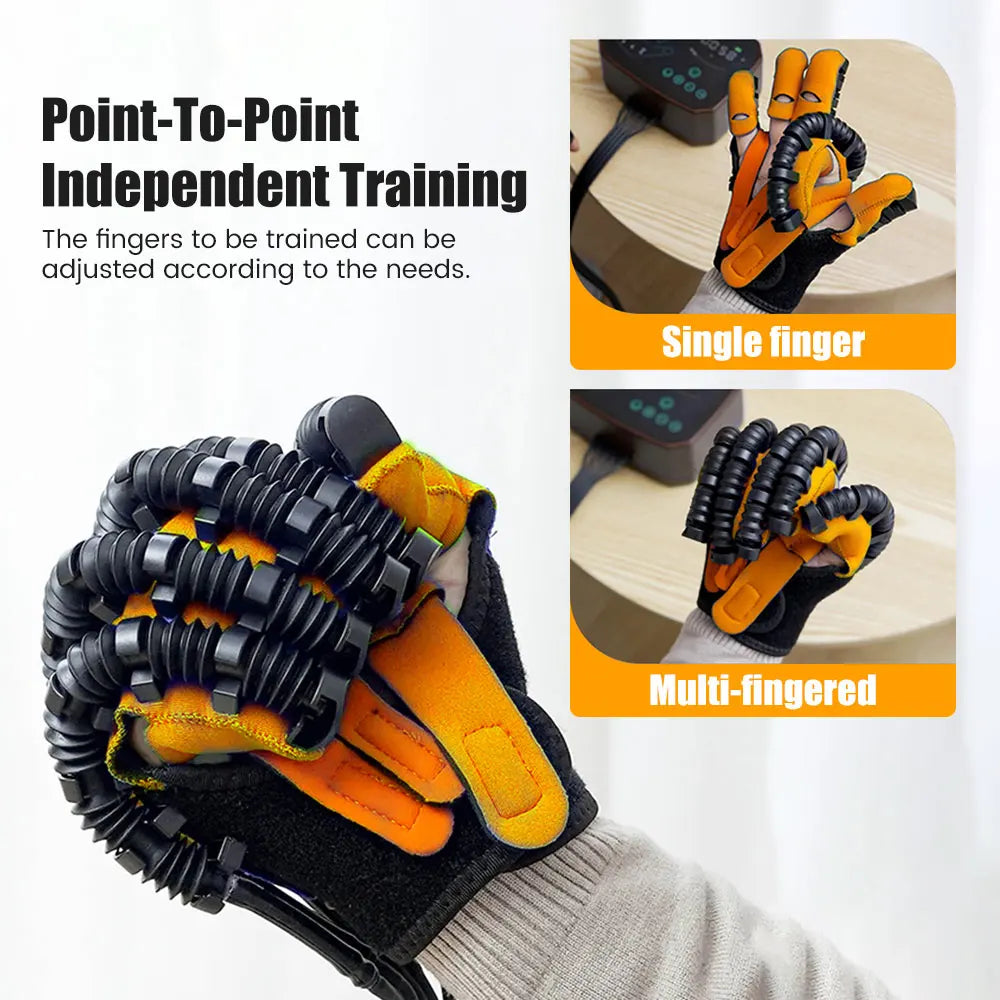
Robotic finger trainer for adults using advanced robotic gloves for guided hand rehabilitation exercises. See it in action.
Best Robotic Finger Trainers and Robotic Hand Rehabilitation Gloves (2026 Comparison)
Not every robotic glove offers the same level of assistance. Comparing major device categories helps you identify the right balance between therapy needs, portability, and budget.
Quick Comparison Table
| Device Type | Best For | Main Advantages | Typical Price |
|---|---|---|---|
| Air Pressure Robotic Gloves | Early rehabilitation and limited mobility | Gentle passive finger movement with adjustable assistance | $300–$900 |
| Sensor-Based Smart Gloves | Active rehabilitation | Movement tracking, performance feedback, mobile apps | $800–$2,000+ |
| Clinical Rehabilitation Gloves | Complex neurological rehabilitation | Highly programmable assistance and therapist customization | $2,000–$5,000+ |
Key Features Compared
- Passive and active training modes
- Independent finger assistance
- Adjustable grip support
- Comfort for extended home sessions
- Simple controls for seniors and caregivers
- Progress tracking through apps or built-in displays
Best Choice by User Type
- Early recovery: Pneumatic robotic gloves
- Improving hand control: Sensor-assisted robotic gloves for hand therapy
- Daily home rehabilitation: Portable robotic hand gloves with adjustable intensity
- Professional rehabilitation programs: Clinical-grade systems supervised by therapists
How Robotic Finger Trainers Support Hand Recovery
A stroke recovery hand training device helps increase rehabilitation intensity by guiding repetitive movements that encourage functional recovery. While results vary between individuals, consistent practice is one of the strongest predictors of improvement.
Recovery Mechanisms
- Neuroplasticity: Frequent movement encourages the brain to strengthen new neural connections.
- Joint mobility: Passive motion helps reduce stiffness while maintaining flexibility.
- Motor relearning: Repeated movement patterns reinforce coordination needed for everyday tasks.
- Circulation: Gentle assisted exercise may improve blood flow during rehabilitation sessions.
Expected Results
Most users should expect gradual improvements rather than dramatic overnight changes. Progress commonly includes smoother finger movement, easier gripping of household objects, and greater confidence performing daily activities. Recovery timelines depend on the underlying condition, therapy frequency, and overall health.
Why Consistent Training Matters
Home-based robotic rehabilitation makes it easier to perform therapy regularly between clinic visits. Consistency—not simply device quality—is often the biggest contributor to long-term functional improvement.
For those exploring broader wellness devices, you can also browse Body Care and Health Devices for complementary recovery tools.
How Robotic Hand Rehabilitation Gloves Work (Technology Explained)
Robotic gloves for hand therapy use assistive technologies that help move fingers through natural movement patterns—even when voluntary control is limited.
1. Air Pressure (Pneumatic) Systems
Inflatable chambers gently flex and extend the fingers, making pneumatic systems particularly suitable during early rehabilitation when active movement is limited.
2. Sensor-Based Feedback Systems
Integrated sensors measure movement quality and therapy progress while some devices synchronize with companion apps for long-term tracking.
3. Passive vs Active Training Modes
- Passive mode: The glove performs the movement for you.
- Active-assisted mode: The glove assists only when needed while encouraging your own muscle activation.
4. Mirror Therapy Integration
Some advanced rehabilitation gloves coordinate movement between both hands, allowing the unaffected hand to help retrain the affected side during neurological rehabilitation.
Robotic Gloves vs Traditional Hand Therapy: Which Works Better?
Rather than replacing traditional rehabilitation, robotic devices work best when integrated into a broader therapy program.
Robotic Therapy vs Manual Exercises
- Robotic gloves: Deliver highly repeatable, guided movement with minimal caregiver assistance.
- Manual exercises: Develop voluntary muscle activation and functional movement patterns.
When Robotic Devices Add Value
- Limited finger movement
- Difficulty completing enough repetitions independently
- Need for structured home therapy between appointments
- Long-term rehabilitation requiring consistent practice
Combining Both Approaches
Most rehabilitation professionals recommend combining robotic gloves for hand therapy with therapist-prescribed strengthening, stretching, and functional activities for the best overall outcomes.
Who Benefits Most from a Robotic Glove? (By Condition & Severity)
Stroke Survivors
Often beneficial during early and middle stages of rehabilitation when regaining hand movement remains a primary goal.
Hand Injury Recovery
Can support recovery after tendon repair, fractures, nerve injuries, or reconstructive surgery when approved by the treating clinician.
Seniors with Limited Mobility
Low-impact assisted movement may help maintain flexibility and reduce stiffness while supporting independence.
Severity Guide
- Mild impairment: Sensor-assisted active training
- Moderate impairment: Hybrid assistive robotic gloves
- Severe impairment: Passive pneumatic rehabilitation gloves
How to Choose the Right Robotic Finger Trainer
Therapy Goals
Determine whether your priority is improving mobility, increasing strength, reducing stiffness, or maintaining hand function.
Training Modes
Look for devices that offer both passive and active-assisted modes so your therapy can progress alongside recovery.
Comfort and Fit
A properly fitted glove reduces pressure points, improves comfort, and encourages longer rehabilitation sessions.
Home vs Clinical Use
Portable devices are well suited for independent home rehabilitation, while advanced programmable systems may be better suited to clinics.
Budget and Value
Consider durability, warranty coverage, replacement parts, customer support, and software updates—not just the purchase price.
Safety, Limitations, and When to Consult a Therapist
Who Should Avoid These Devices
- People with untreated fractures
- Individuals with severe swelling or active infections
- Anyone experiencing significant pain during movement
- Patients instructed by their physician to avoid finger mobilization
Safety Tips
- Start with shorter sessions while adjusting to the device.
- Stop immediately if pain increases.
- Inspect the skin after each session for irritation.
- Follow manufacturer instructions carefully.
Medical Guidance
A robotic hand rehabilitation glove complements professional rehabilitation but should not replace individualized medical advice. Your therapist can recommend the most appropriate training intensity, session length, and progression.
Pros and Cons: Honest Review
✅ Advantages
- Supports consistent daily rehabilitation
- Encourages repetitive movement for motor recovery
- Convenient home therapy between clinic visits
- May improve motivation through structured sessions
❌ Limitations
- Requires ongoing commitment for meaningful progress
- Cannot replace comprehensive rehabilitation programs
- Higher-end models can be expensive
- Some users require caregiver assistance during setup
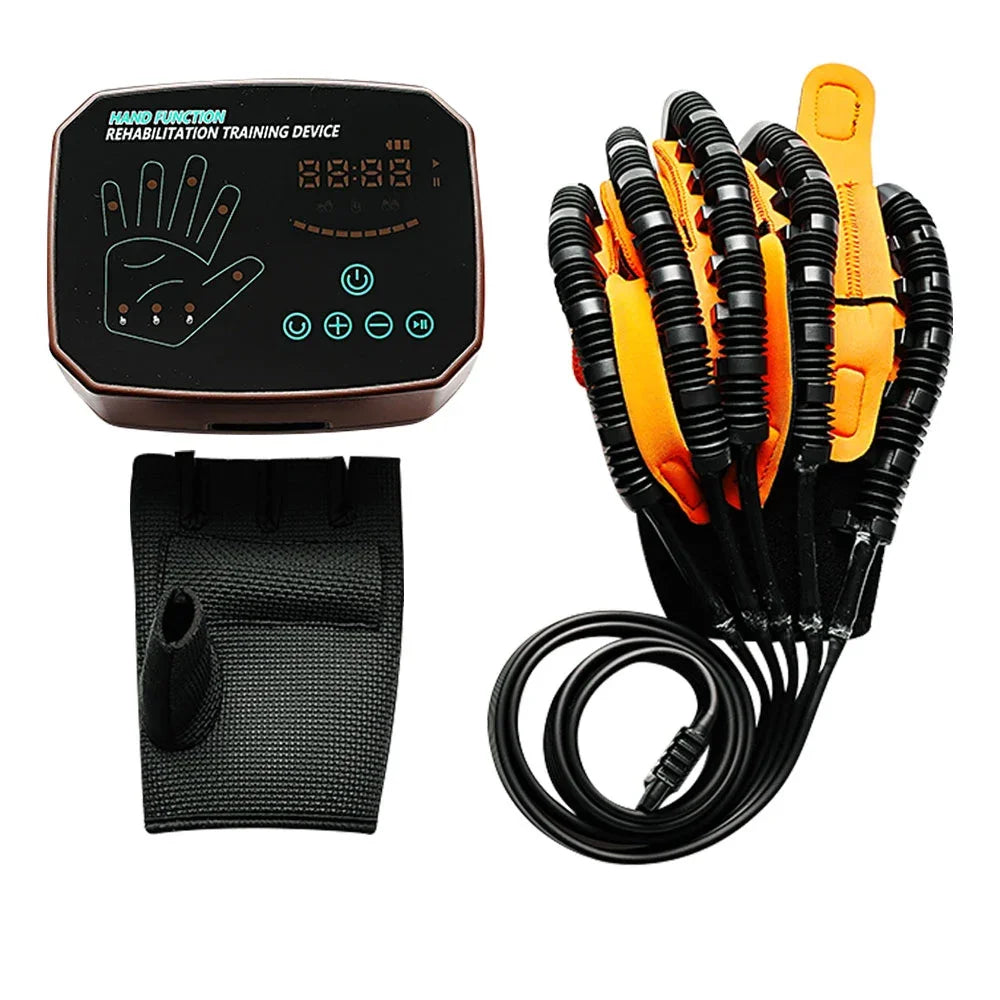
Robotic hand gloves designed for controlled rehabilitation and mobility recovery. Explore features.
How to Use a Robotic Finger Trainer for Best Results
Recommended Weekly Routine
- Begin with 10–15 minutes of passive training.
- Progress gradually to active-assisted exercises.
- Aim for one or two sessions most days of the week, following your therapist's recommendations.
- Include functional activities such as grasping cups or utensils after each session.
Progress Tracking
- Record grip strength when possible.
- Monitor finger range of motion every two weeks.
- Track daily activities that become easier over time.
- Review progress regularly with your therapist.
Safety Tips
Avoid forcing movement beyond your comfortable range. If swelling, unusual pain, or numbness develops, discontinue use and seek professional advice before resuming therapy.
You can view the full product details here: Robotic Finger Trainer for Adults – Rehabilitation Robot Glove.
Real User Experiences and Results
Common Success Stories
Many users report gradual improvements after four to eight weeks of consistent rehabilitation, including smoother finger movement, stronger grip, and increased confidence completing daily tasks independently.
Typical Challenges
- Progress varies depending on the underlying condition.
- Initial sessions may feel tiring.
- Results are slower when therapy sessions are inconsistent.
For holistic recovery, pairing hand therapy with other wellness routines found in Lifestyle products may further enhance overall well-being.
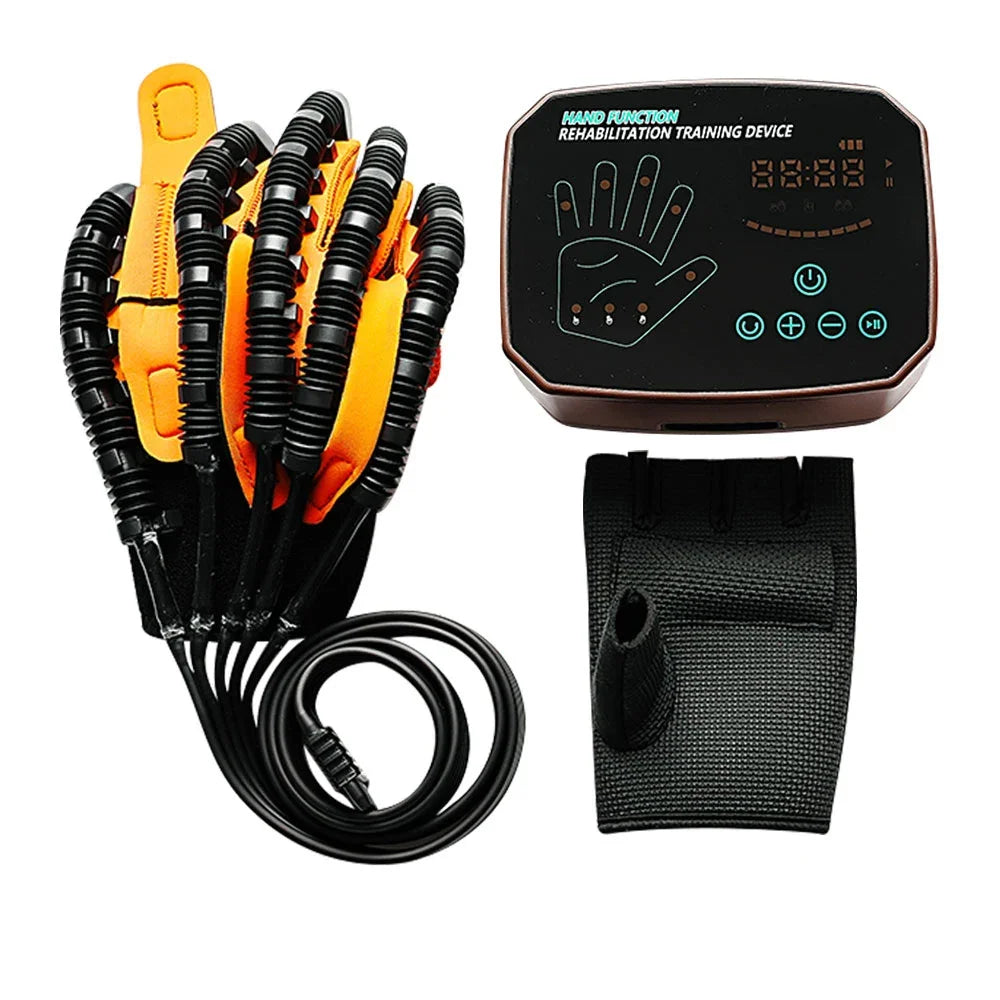
Advanced robotic glove technology supporting home hand rehabilitation. Get yours now—limited stock.
Final Verdict: Is a Robotic Finger Trainer for Adults Worth Buying?
A robotic finger trainer for adults is a worthwhile investment for people who need structured, repetitive rehabilitation at home. It offers the greatest value for adults recovering from stroke, neurological conditions, hand injuries, or surgery who want to supplement professional therapy with consistent daily practice.
- Best for: Stroke rehabilitation, post-surgical recovery, seniors with reduced mobility, and long-term home therapy.
- Less suitable for: Healthy individuals seeking only grip strengthening or athletic performance training.
Used consistently and alongside a therapist-directed rehabilitation plan, a robotic hand rehabilitation glove can help improve hand mobility, coordination, and independence over time.
Explore the full product here: Rehabilitation Robot Glove Hand Recovery.
Frequently Asked Questions
How does a robotic finger trainer for adults work?
Most devices use pneumatic assistance, motors, or smart sensors to guide repetitive finger movements that help improve flexibility, coordination, and motor relearning during rehabilitation.
Who should use a robotic hand rehabilitation glove?
They are commonly recommended for adults recovering from stroke, nerve injuries, orthopedic surgery, or other conditions that reduce hand mobility.
How often should I use a stroke rehabilitation glove?
Many rehabilitation programs recommend 20 to 40 minutes of daily practice, although the ideal schedule depends on your condition and your therapist's recommendations.
Can a robotic glove replace physical therapy?
No. Robotic gloves work best as a supplement to professional rehabilitation rather than a replacement.
What features matter most when buying a robotic finger trainer?
Look for adjustable assistance, passive and active training modes, comfortable fit, portability, ease of operation, and reliable customer support.
Are robotic hand gloves suitable for seniors?
Yes. Many models are designed with simple controls and gentle movement, making them suitable for older adults when used according to instructions.
How long does it take to see improvement?
Some users notice modest improvements within several weeks, while more significant functional gains often require months of consistent rehabilitation and continued therapy.
What is the difference between passive and active training modes?
Passive mode moves the fingers automatically, while active-assisted mode encourages you to initiate movement with the glove providing additional support only when needed.
Related Guide: Occupational Therapy Devices Compared: Top Picks













