

Does roller ball massage really work?
Yes. When used with proper technique, a roller ball massage can effectively reduce muscle tension, improve short-term flexibility, and support post workout muscle soreness relief. By applying controlled pressure to tight muscles and trigger points, a massage roller ball encourages self-myofascial release while optional cold therapy may help calm irritated tissue after exercise. Although it isn't a replacement for medical treatment or rehabilitation, regular use can improve comfort, mobility, and recovery for many active individuals.
⏱ 7 min read
How to Use a Massage Roller Ball for Sore Muscles (Step-by-Step Guide)
Whether you're recovering from an intense workout, spending long hours at a desk, or dealing with everyday muscle tightness, learning how to use a massage roller ball for sore muscles can help relieve tension at home. Unlike larger foam rollers, a massage roller ball delivers focused pressure that reaches stubborn knots in areas such as the shoulders, calves, hips, feet, and upper back. Used consistently, it can support mobility, reduce stiffness, and make daily movement feel more comfortable.
Explore how this ice massage roller ball works in real life
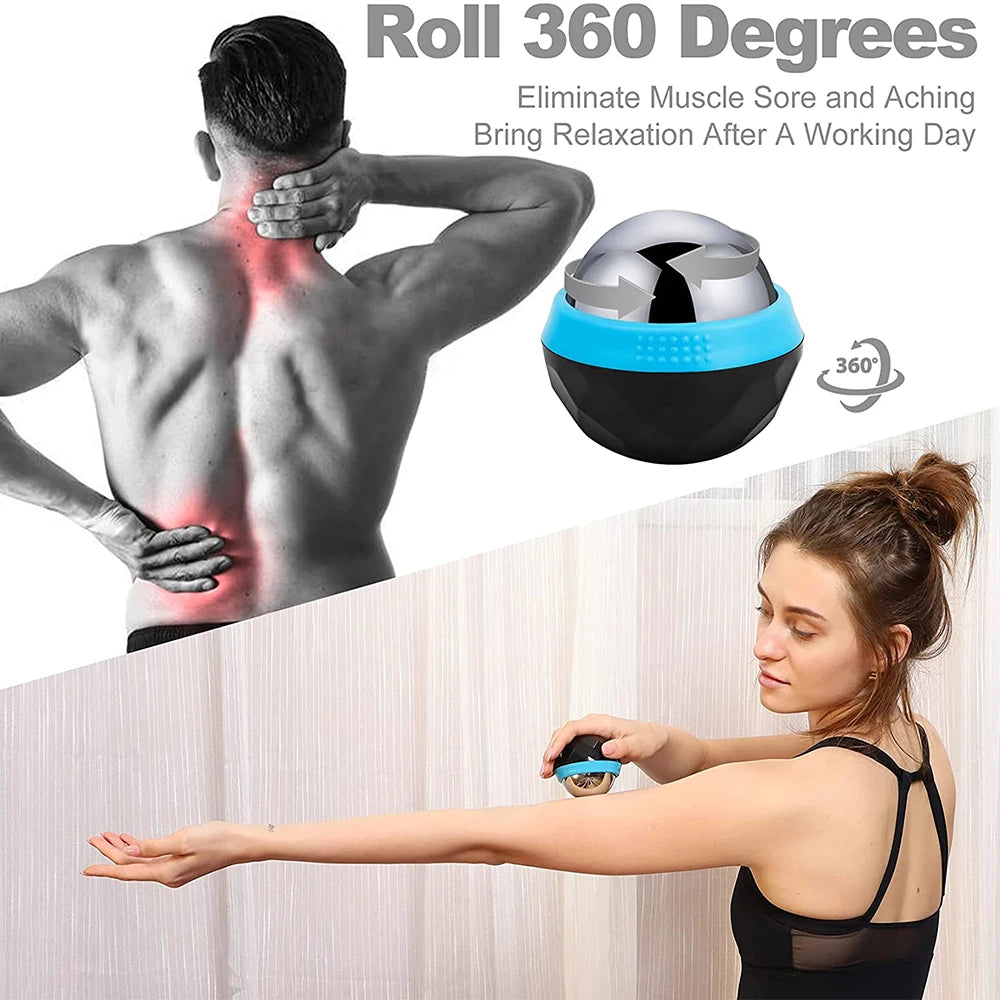
roller ball massage for muscle recovery and skin soothing – See it in action
What Is a Massage Roller Ball and How It Works (Myofascial Release Explained)
A massage roller ball is a compact self-myofascial release tool designed to apply precise pressure to muscles, fascia, and trigger points. Most models feature a smooth stainless steel or durable resin ball that glides easily over the skin, allowing you to target areas that are difficult to reach with your hands alone.
Self-myofascial release works by applying gentle, sustained pressure to tight tissues. This pressure may temporarily reduce muscle stiffness, improve tissue mobility, and increase local blood flow, making movement feel smoother before or after physical activity.
Trigger points—often called muscle knots—can develop after repetitive movements, prolonged sitting, strength training, or poor posture. Rolling slowly over these sensitive spots helps encourage the surrounding muscles to relax while reducing the feeling of localized tightness.
Compared with a foam roller, a massage roller ball provides much more targeted pressure. Foam rollers are better suited for large muscle groups like the quadriceps or hamstrings, while a massage ball for muscle knots excels at treating smaller, harder-to-reach areas such as the shoulders, glutes, feet, calves, and upper back.
Some models also support cold therapy. Chilling an ice massage roller ball before use combines focused pressure with cooling, which may help reduce discomfort following strenuous exercise while providing a cleaner, more convenient alternative to traditional ice packs.
Benefits of Using a Massage Roller Ball for Sore Muscles
The primary roller ball massage benefits come from its ability to deliver controlled, localized pressure exactly where it's needed. While results vary between individuals, consistent use can complement stretching, mobility exercises, and strength training by improving comfort and helping muscles recover between activities.
Relief for muscle knots and trigger points
A massage ball for muscle knots allows you to apply sustained pressure directly over tight areas. This focused approach can help reduce muscle tension, ease trigger point discomfort, and restore more natural movement without requiring professional treatment for every episode of soreness.
Improved mobility and range of motion
Reducing muscle tightness may temporarily improve joint mobility and flexibility. Many people use a massage roller ball before mobility drills or stretching sessions to help muscles move more freely during exercise and everyday activities.
Post-workout recovery support
Using a massage roller ball after training can support post workout muscle soreness relief by promoting circulation and reducing the sensation of muscle stiffness. While it won't eliminate delayed onset muscle soreness entirely, it may help you recover more comfortably between workouts.
Stress and muscle tension reduction
Slow, controlled rolling combined with steady breathing encourages muscles to relax, making a massage roller ball useful not only after exercise but also after long hours at a computer, extended travel, or other activities that contribute to persistent muscle tension.
How to Use a Massage Roller Ball for Sore Muscles (Step-by-Step)
Step 1: Warm up the muscle
Before applying deep pressure, spend 2–5 minutes walking, performing light mobility exercises, or using gentle dynamic stretches. Warm muscles are generally more responsive to self-myofascial release and may tolerate pressure more comfortably.
Step 2: Find the sore spot
Place the massage roller ball between your body and a stable surface such as a wall or the floor. Move slowly until you locate a tender area or trigger point. Mild to moderate discomfort is expected, but avoid sharp, shooting, or numb sensations.
Step 3: Apply controlled pressure
Gradually shift your body weight onto the ball until you feel firm but tolerable pressure. Aim for a discomfort level that feels productive rather than painful, allowing the muscle to relax instead of tightening in response.
Step 4: Roll slowly and breathe
Roll at a slow pace—roughly one inch every few seconds—while maintaining steady, relaxed breathing. Slow movements help the ball target tight tissue more precisely than quick back-and-forth rolling.
Step 5: Reassess before moving on
After treating one area, stand up or gently move the muscle through its normal range of motion. If it feels looser, continue to the next muscle group. If tenderness remains, avoid repeatedly working the same spot during a single session.
Muscle-by-Muscle Massage Roller Ball Techniques
Neck and upper traps
Stand against a wall and position the ball between the wall and the muscles beside your neck, avoiding direct pressure on the spine. Use small, controlled movements and reduce pressure if you experience headaches or tingling.
Shoulders and upper back
Place the ball between your shoulder blade and the wall. Slowly shift your weight side to side and up and down, pausing briefly over tight areas before continuing. This technique works well for desk-related muscle tension.
Lower back (safe techniques)
Avoid rolling directly over the lumbar spine. Instead, position the ball on the muscles beside the spine or higher into the thoracic back. Keep movements slow and controlled while maintaining a neutral posture.
Sit on the floor with the ball beneath one glute. Cross the same-side ankle over the opposite knee if comfortable, then slowly shift your body weight to explore tight areas around the hip without rolling directly over bony landmarks.
Hamstrings and calves
Sit on the floor with the ball beneath the target muscle. Roll from one end of the muscle to the other, slowing down when you encounter tight spots before continuing. This approach supports recovery after running, cycling, and strength training.
Feet (plantar fascia)
Place the ball beneath the arch of your foot while standing or seated. Roll from the heel toward the base of the toes using light to moderate pressure. This technique may help relieve foot fatigue after prolonged standing or walking.
Forearms
Rest your forearm on a table or countertop and slowly roll the ball beneath the muscles used for gripping and typing. Gentle pressure can help reduce tightness associated with repetitive hand and wrist activities.
How to Use a Massage Ball on Knots (Trigger Point Techniques)
Static pressure hold
Position the ball directly over a trigger point and hold steady pressure for approximately 20–30 seconds while breathing slowly. As the muscle begins to relax, the discomfort should gradually decrease without requiring additional force.
Micro-rolling
Instead of making long passes, perform tiny rolling movements around the knot. This technique helps explore the surrounding tissue while limiting unnecessary irritation to sensitive muscles.
Pin-and-move technique
After locating a trigger point, maintain gentle pressure with the ball while slowly moving the nearby joint through a comfortable range of motion. For example, hold pressure on the shoulder muscles while raising and lowering your arm, or treat the calf while gently flexing the ankle. This method can improve how the muscle glides during movement.
Wall vs floor positioning
Use a wall when learning how to use a massage ball on knots or when treating smaller muscles that require greater control. Switch to the floor only when you need deeper pressure and can comfortably manage your body weight without excessive discomfort.
How Much Pressure and Time Should You Use?
Pressure scale guide (1–10)
Aim for a pressure level of about 5–7 out of 10 . You should feel firm, productive discomfort without sharp pain. Excessive pressure can cause muscles to tighten defensively, making self-myofascial release less effective.
How long to hold each point
Hold steady pressure on an individual trigger point for approximately 20–60 seconds . If the area begins to feel less tender, gradually move to the next location rather than repeatedly treating the same spot.
How long to roll each muscle
For most muscle groups, spend about 30–90 seconds using slow, controlled passes. Larger muscles may benefit from slightly longer sessions, while smaller areas such as the feet or forearms generally require less time.
Signs you're overdoing it
- Sharp, stabbing, or radiating pain instead of manageable pressure
- Bruising or soreness that lasts well beyond normal post-treatment tenderness
- Muscles tightening or guarding instead of gradually relaxing
- Numbness, tingling, or pain that travels down an arm or leg
If you notice any of these signs, reduce the pressure, shorten the session, or stop treatment and allow the area to recover before trying again.
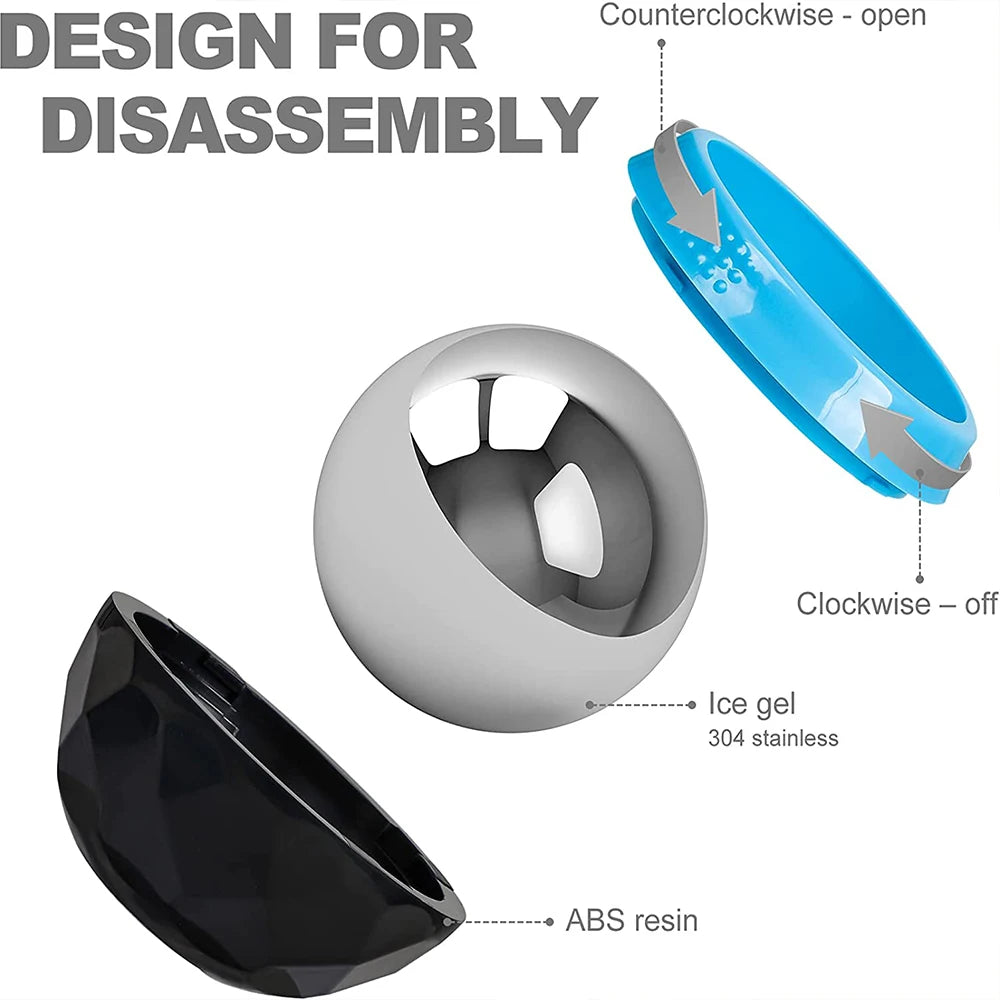
ice massage roller ball for post workout muscle soreness relief – See it in action
Ice Massage Roller Ball Benefits vs Traditional Ice Therapy
When cold therapy helps
An ice massage roller ball combines the focused pressure of self-myofascial release with cooling therapy. This combination can be particularly useful after strenuous exercise or activities that leave muscles feeling hot, tender, or mildly inflamed. Chilling the roller ball before use may help reduce post-exercise discomfort while allowing you to target specific muscles more precisely than a standard ice pack.
- Targeted application: Apply cooling exactly where soreness or tightness is located.
- Combined pressure and cold: Gentle rolling may help improve comfort while the cooling sensation temporarily eases discomfort.
- Cleaner and more convenient: Unlike melting ice packs or ice cubes, a reusable roller ball provides consistent contact with minimal mess.
When standard massage is better
Cold therapy is not always the ideal choice. If your primary goal is to loosen stiff muscles before exercise or improve flexibility, using the massage roller ball at room temperature is often more comfortable. Warm muscles generally respond better to mobility work, while chilled muscles are better suited to recovery after physical activity.
Choosing between a standard massage roller ball and an ice massage roller ball depends on your recovery goals. For acute post-workout soreness, cooling may provide additional comfort. For everyday muscle tightness or pre-exercise mobility work, regular rolling without cold is often sufficient.
Who Should and Shouldn't Use a Massage Roller Ball
Massage roller balls are appropriate for many healthy adults when used correctly, but they are not suitable for every condition. Understanding when to use—and when to avoid—self-myofascial release helps reduce the risk of unnecessary irritation.
Who benefits
- Athletes recovering from training sessions
- Office workers with tight shoulders, hips, or upper back muscles
- People who stand for long periods and experience foot or calf fatigue
- Individuals incorporating mobility work into their fitness routine
When to avoid use
- Acute muscle tears or recent injuries
- Open wounds, skin infections, or severe bruising
- Rolling directly over joints, bones, or areas of significant swelling
- Regions with numbness, loss of sensation, or unexplained pain
When to seek medical advice
Consult a healthcare professional before using a massage roller ball if you have persistent pain that does not improve with rest, unexplained weakness, significant nerve symptoms such as tingling or radiating pain, or a diagnosed musculoskeletal condition requiring individualized treatment.
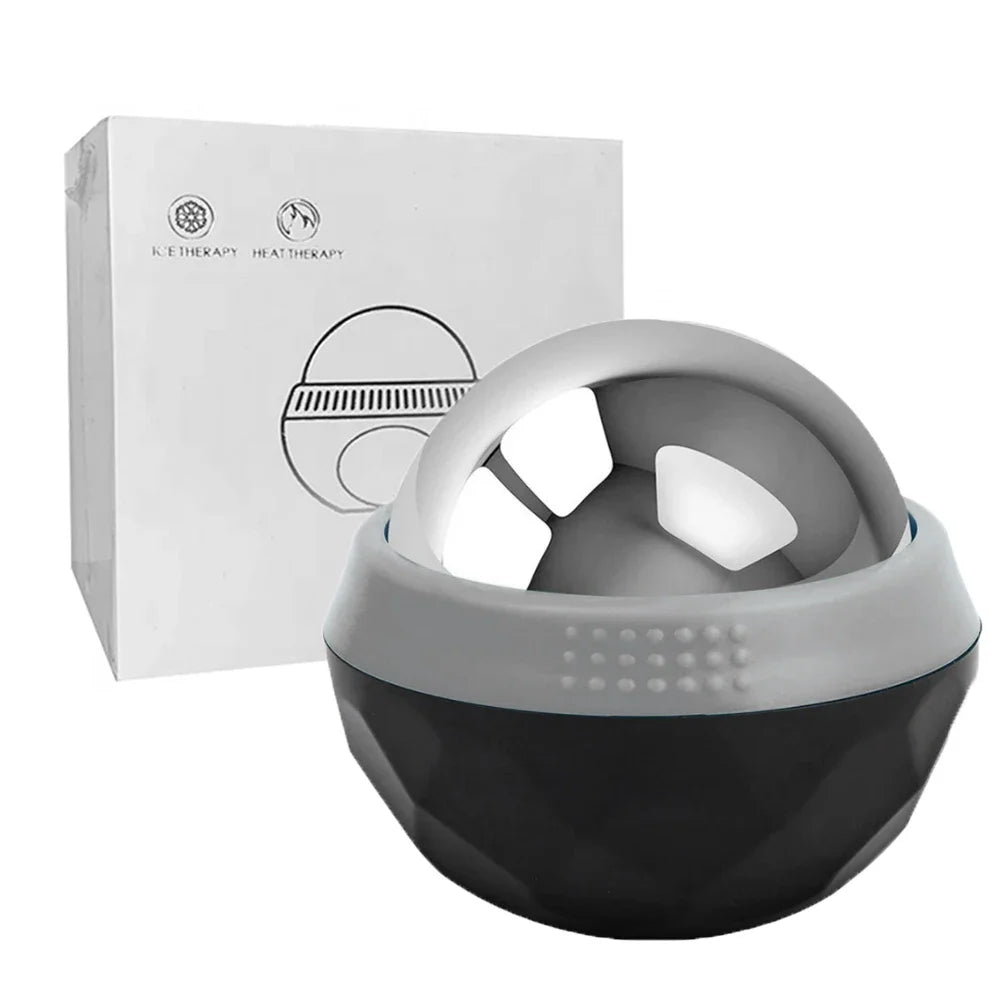
roller ball massage for daily recovery and skin calming – See it in action
Frequently Asked Questions
How often should I use a massage roller ball?
Most people can safely use a massage roller ball for 5–10 minutes per day or after workouts, provided the treated muscles recover comfortably between sessions.
How long should you roll each muscle?
Spend approximately 30–90 seconds on each muscle group, using slow, controlled movements rather than fast rolling.
Can massage balls remove knots permanently?
No. Massage balls help reduce muscle tension and improve mobility, but trigger points can return if the underlying causes—such as repetitive movements, poor posture, or training load—are not addressed.
Is trigger point release supposed to hurt?
Mild discomfort is common, but treatment should never produce sharp, stabbing, or radiating pain. If pain increases during rolling, reduce pressure or stop the session.
Can you use a massage roller ball every day?
Yes. Daily use is appropriate for many people when sessions are brief, pressure remains moderate, and muscles are allowed to recover if tenderness develops.
Should you massage before or after stretching?
Many people benefit from using a massage roller ball before stretching because reducing muscle tightness may allow for more comfortable movement. Light rolling after stretching can also promote relaxation following exercise.
Experience targeted roller ball massage at home today
Related Guide: How to Use a Massage Roller for Faster Muscle Recovery













