What should you wear for running in cold weather?
The simplest answer to what to wear running in cold weather is a 3-layer system that balances warmth, moisture management, and weather protection. Start with a moisture-wicking base layer, add an insulating mid layer when temperatures drop, and finish with a wind-resistant outer layer if you're facing wind, rain, or snow.
A useful rule of thumb is to dress for conditions that feel 10–15°F (5–8°C) warmer than the actual air temperature. You should feel slightly cool when you begin your run because your body temperature typically rises within the first 10–15 minutes. Overdressing often leads to excessive sweating, which can leave you feeling colder later in the run.
- Base layer: Wicks sweat away from your skin to help keep you dry.
- Mid layer: Traps body heat while allowing excess moisture to escape.
- Outer layer: Shields you from wind, light rain, or snow without sacrificing breathability.
This layering approach forms the foundation of every effective winter running layering guide and can be adjusted based on air temperature, wind chill, precipitation, and the intensity of your workout.
Running Cold Weather Clothes: What to Wear and Why
Choosing the right running cold weather clothes is one of the easiest ways to stay comfortable, safe, and consistent through winter training. Rather than relying on bulky winter clothing, experienced runners combine breathable layers that regulate body temperature, move moisture away from the skin, and block harsh weather only when needed. In especially cold conditions, a lightweight heated jacket can also serve as an optional outer layer for additional core warmth without adding excessive bulk.
⏱ 8 min read
Cold air stings your lungs. Your fingers go numb by mile two. And somehow, you're sweating and freezing at the same time.
Sound familiar?
The problem usually isn't the temperature—it's wearing the wrong combination of layers. Understanding how your body gains and loses heat makes choosing the right clothing much easier.
The Science of Staying Warm: Sweat, Wind Chill & Heat Loss
Understanding how your body regulates temperature is the key to choosing the best running in cold weather clothes. During a winter run, your body continuously produces heat through movement while simultaneously losing heat to the surrounding environment. The goal of an effective running in cold weather clothing guide is to slow unnecessary heat loss without trapping excessive sweat.
How thermoregulation affects clothing choices
Your body maintains a stable core temperature by balancing heat production and heat loss. The clothing you wear can either support or interfere with this natural process. Heat escapes in three primary ways:
- Evaporation: Sweat removes heat rapidly as it evaporates, especially if moisture stays against your skin.
- Convection: Wind carries away warm air surrounding your body, making conditions feel much colder than the thermometer indicates.
- Radiation: Your body naturally releases heat into the cooler environment throughout your run.
Wind chill can make a 30°F (-1°C) day feel closer to 20°F (-6°C), which is why a lightweight wind-resistant layer often provides more benefit than simply wearing thicker clothing.
Why moisture management matters
Staying dry is just as important as staying warm. Once sweat accumulates inside your clothing, it cools quickly during slower sections of your run or when you stop moving. Moisture-wicking fabrics help move perspiration away from your skin so it can evaporate through your outer layers instead of leaving you chilled.
Proper layering allows your clothing to adapt as your body temperature changes throughout the workout, reducing the risk of both overheating and excessive cooling.
Discover smarter winter layering tips that help you stay comfortable through changing temperatures and weather conditions.
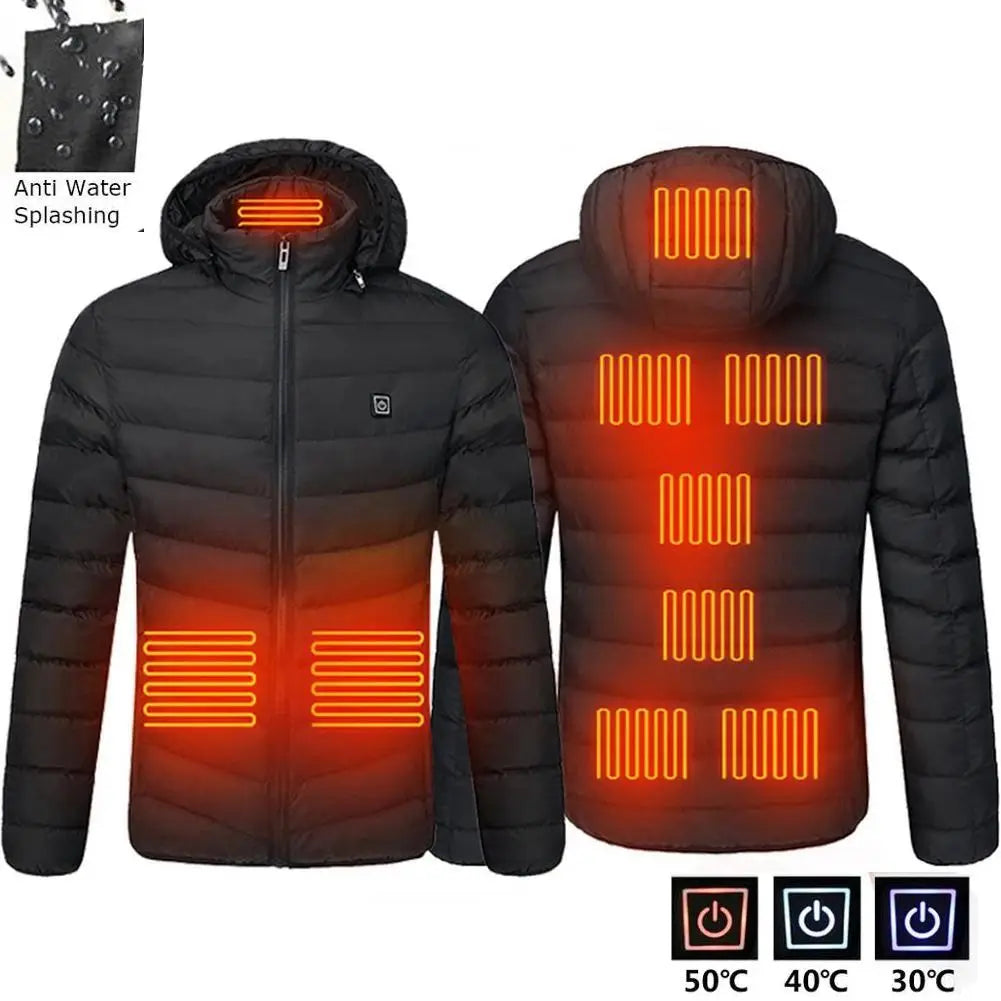
Strategic running cold weather clothes for winter outdoor performance. See the layering system in action.
How the 3-Layer Formula Keeps You Warm Without Overheating
The most reliable way to decide what to wear running in the cold is to build your outfit around a flexible three-layer system. Each layer performs a different job, allowing you to adapt to changing temperatures, wind, and workout intensity.
- Moisture control (Base layer): Moves sweat away from your skin to keep you dry and comfortable.
- Thermal regulation (Mid layer): Traps warm air while remaining breathable enough for continuous movement.
- Weather protection (Outer layer): Blocks wind and light precipitation while allowing excess heat to escape.
Unlike heavy winter clothing, these running layers for cold weather work together as a system. You can add or remove a layer depending on the forecast, your running pace, and the length of your workout.
Professional runners rely on this winter running layering guide because it helps prevent both hypothermia from excessive heat loss and overheating caused by wearing too much insulation.
Base Layer Guide: Fabrics, Fit & Sweat Management
Your base layer sits directly against your skin, making it the foundation of every effective base layer for cold weather running. Its primary job is to move perspiration away from your body so you stay dry, comfortable, and warm throughout your run.
Merino wool vs synthetic vs cotton
- Merino wool: Naturally insulates even when damp, regulates temperature well, resists odor, and offers excellent moisture management for long or low-intensity winter runs.
- Polyester blends: Lightweight, quick-drying, and highly breathable, making them ideal for faster workouts, intervals, and runners who perspire heavily.
- Avoid cotton: Cotton absorbs and retains moisture instead of moving it away from your skin, increasing heat loss and the risk of becoming chilled once your pace slows.
Both merino wool and modern synthetic fabrics perform well as the best clothing layers for running in cold weather. Your choice depends largely on your preferred balance of warmth, drying speed, and comfort.
Choosing the right fit
- Select a close-fitting layer that efficiently transfers moisture without restricting movement.
- Choose flatlock seams to minimize friction and reduce chafing during longer runs.
- For sub-freezing temperatures, thermal-lined base layers provide additional insulation while maintaining breathability.
- Avoid overly loose garments, which reduce moisture transfer and trap excess cold air.
A quality base layer helps regulate body temperature by keeping your skin dry rather than simply adding insulation. Learn more about best moisture-wicking fabrics for optimal cold-weather performance.
After winter workouts, recovery tools from Body Care and Health Devices can help ease muscle soreness and support consistent training throughout colder months.
Mid Layer Guide: Insulation Without Overheating
The mid layer creates an insulating pocket of warm air while allowing moisture from your base layer to continue escaping. The goal is efficient warmth without unnecessary bulk.
When you need a mid layer
- Temperatures below 40°F (5°C)
- Easy-paced recovery runs or longer endurance sessions
- Windy days that increase perceived cold
- Runs with frequent stops where body temperature may drop
Best mid layer options
- Lightweight fleece that provides warmth while remaining breathable.
- Thermal running tops designed for cold, dry conditions.
- Grid fleece fabrics that balance insulation with excellent ventilation during higher-output efforts.
Your mid layer should complement your pace and the weather. Faster runs often require less insulation because your body generates more heat, while slower or longer runs may benefit from an additional insulating layer.
Avoid thick sweatshirts or bulky winter clothing that restrict movement and trap excessive heat. Flexible layering remains the most effective strategy for maintaining comfort throughout changing conditions.
Learn how proper layering helps you stay warm without overheating as weather and running intensity change.
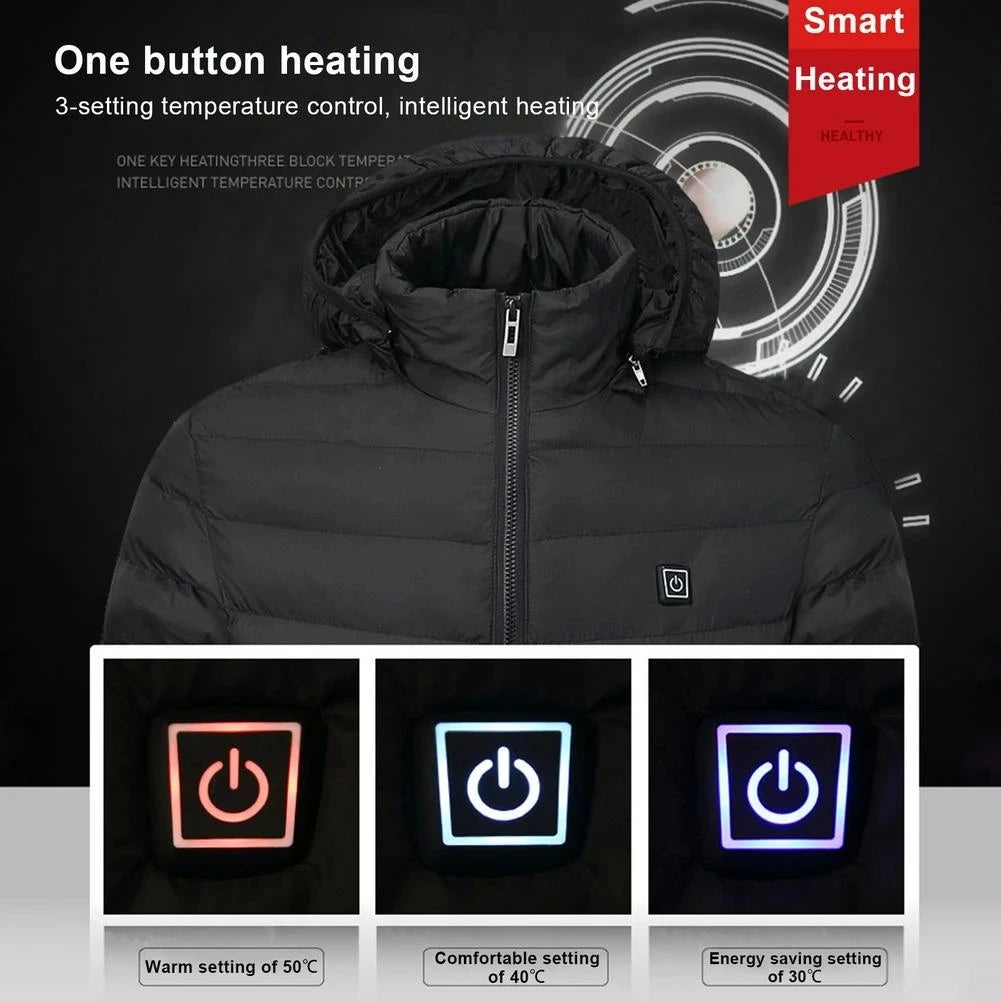
A lightweight layering system provides warmth, breathability, and freedom of movement during cold-weather runs.
Outer Layer Guide: Wind, Rain & Snow Protection
Your outer layer serves as the final defense against wind, rain, and snow while allowing excess body heat to escape. The best clothes for running in cold weather protect you from the elements without creating a humid environment inside your jacket.
Windproof vs waterproof
- Windproof jackets: Best for cold, dry, and windy conditions where reducing wind chill is the primary goal.
- Water-resistant jackets: Suitable for light rain, mist, or occasional snowfall while maintaining good breathability.
- Fully waterproof shells: Most useful during prolonged rain or wet snow, although they may offer less ventilation during high-intensity runs.
When an outer shell is necessary
- Windy conditions, even when temperatures are above 40°F (5°C)
- Rain, sleet, or snowfall
- Sub-freezing temperatures combined with significant wind chill
- Exposed routes with little natural shelter
Look for features such as zippered vents, breathable fabrics, adjustable cuffs, and lightweight construction to improve comfort over varying distances.
A lightweight running jacket is usually sufficient for most winter conditions. Heavy insulated winter coats are generally not recommended because they retain excessive heat and can limit natural running movement. Compare windproof vs waterproof jackets to determine which option best matches your local weather.
How a Lightweight Heated Jacket Elevates Outdoor Winter Wear
A lightweight heated jacket can be a practical addition to your winter running wardrobe when temperatures become exceptionally cold or when you're spending extended time outdoors before and after your workout. Rather than replacing your layering system, it works best as an optional outer layer that complements proper base and mid layers.
A lightweight heated jacket can provide:
- Adjustable warmth focused around your core
- Multiple heat settings for changing weather conditions
- Freedom of movement compared with bulky insulated coats
- Additional comfort without requiring several heavy layers
For most winter runs, breathable layered clothing remains the priority. A heated jacket is best viewed as an optional supplement for very cold environments rather than a substitute for effective moisture management and weather protection.
Temperature-Based Running Outfit Guide (With Exact Examples)
Use this quick-reference guide to decide what to wear running in the cold. These outfit suggestions assume moderate wind conditions and can be adjusted for your pace, local climate, and personal comfort.
What to wear running in 60°F (15°C) weather
- Moisture-wicking short-sleeve or lightweight long-sleeve shirt
- Running shorts or lightweight leggings
- Optional lightweight gloves for early mornings or windy conditions
What to wear running in 50°F (10°C) weather
- Long-sleeve moisture-wicking top or lightweight base layer
- Running shorts or lightweight tights, depending on personal preference
- Light vest or packable windbreaker if breezy
What to wear running in 40°F (5°C) weather
- Long-sleeve base layer
- Lightweight running jacket or breathable vest
- Running tights
- Thin gloves and a headband or lightweight beanie
What to wear running in 20°F (-6°C) weather
- Thermal moisture-wicking base layer
- Breathable insulating mid layer
- Windproof running jacket
- Thermal tights
- Insulated gloves, warm hat, and neck gaiter
What to wear below 10°F (-12°C)
- Heavyweight thermal base layer
- Insulated mid layer
- Windproof outer shell
- Thermal tights with wind-resistant panels
- Insulated gloves, face covering, neck gaiter, and warm hat
Always consider wind chill alongside the air temperature. If conditions are particularly windy or damp, dress for the lower perceived temperature rather than the forecast alone. When in doubt, aim to dress for conditions roughly 10–15°F warmer than the actual temperature, then fine-tune your layers based on your running intensity. You can also explore how running pace in cold weather affects layering choices.
Cold Weather Running Accessories That Make a Big Difference
The right accessories protect areas that lose heat quickly and can significantly improve comfort during winter runs without adding unnecessary bulk.
Hands
- Gloves: Lightweight running gloves work well in cool weather, while insulated or windproof gloves provide additional protection on freezing days.
Feet
- Thermal socks: Moisture-wicking wool or synthetic socks help keep feet warm and dry without increasing the risk of blisters.
Head and ears
- Hat or headband: A lightweight beanie or thermal headband helps reduce heat loss while protecting your ears from cold winds.
Neck and face
- Neck gaiter: Provides flexible protection for your neck, lower face, and nose when temperatures or wind chill become severe.
- Reflective gear: Reflective clothing or lights improve visibility during darker winter mornings and evenings.
Thoughtfully chosen accessories often make the difference between finishing a run comfortably and ending it early because your hands, feet, or face become too cold.
Common Cold Weather Running Mistakes (And How to Fix Them)
- Overdressing: Dress for conditions that feel about 10–15°F (5–8°C) warmer than the actual temperature. Starting slightly cool is normal because your body warms up quickly once you begin running.
- Wearing cotton: Replace cotton shirts and socks with moisture-wicking merino wool or synthetic fabrics that keep sweat away from your skin.
- Ignoring wind chill: Base your clothing choices on the "feels like" temperature rather than the air temperature alone, especially on exposed routes.
- Skipping accessories: Protect your hands, ears, feet, and neck with appropriate gloves, thermal socks, and a hat or neck gaiter to reduce unnecessary heat loss.
- Not adjusting layers: Choose layers that are easy to unzip or remove as your body temperature rises to avoid overheating during longer runs.
- Forgetting visibility gear: Wear reflective clothing or lights when running in the darker mornings and evenings that are common during winter.
Correcting these common mistakes improves comfort, helps regulate body temperature, and supports safer winter training. For additional guidance, explore winter running safety tips.
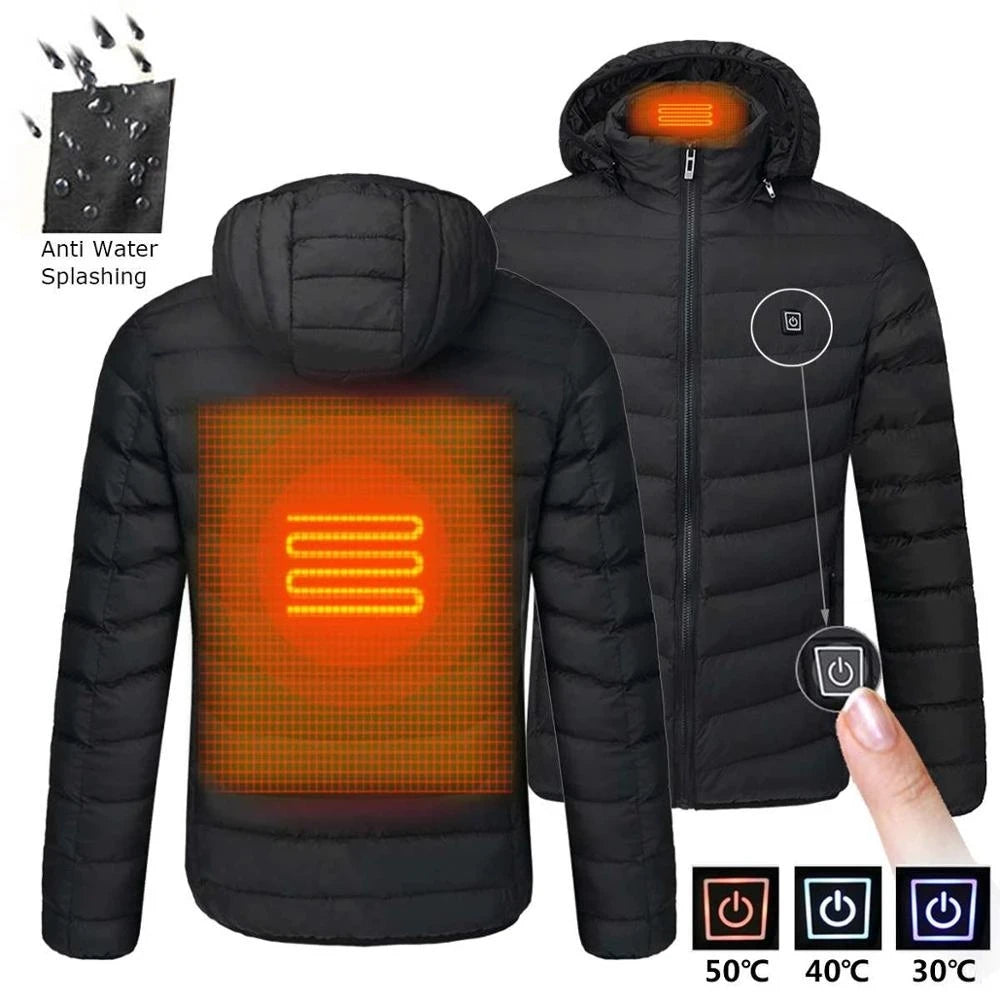
A properly layered clothing system helps maintain warmth, mobility, and comfort throughout winter runs.
For exceptionally cold conditions, a lightweight heated jacket can provide adjustable core warmth as part of a complete layering system—not as a replacement for proper base and outer layers.
Winter Running FAQ
What are the best running cold weather clothes for beginners?
Begin with a moisture-wicking base layer, add a breathable insulating mid layer when temperatures drop, and finish with a wind-resistant outer shell if conditions are cold, windy, or wet. Avoid cotton and choose fabrics designed to manage moisture.
What temperature is too cold to run outside?
Many runners can safely train below 20°F (-6°C) when properly dressed. However, severe wind chill, icy surfaces, and prolonged exposure increase risk, so always adjust your plans based on weather conditions and your experience level.
What to wear running in 20 degree weather?
Wear a thermal base layer, an insulating mid layer, a windproof running jacket, thermal tights, and accessories such as insulated gloves, a warm hat, and a neck gaiter to protect exposed skin.
What to wear running in 60 degree weather?
Most runners are comfortable in a moisture-wicking short-sleeve or lightweight long-sleeve shirt with shorts or light leggings. A lightweight layer or thin gloves may be useful during windy or early morning runs.
How to layer for winter running?
Use a three-layer system: a moisture-wicking base layer to keep skin dry, a breathable insulating mid layer for warmth, and a weather-resistant outer layer that blocks wind and light precipitation while allowing excess heat to escape.
Can you run in a winter jacket?
Yes, but choose carefully. Lightweight running jackets or heated jackets designed for mobility are generally better than bulky winter coats, which can restrict movement and cause overheating. Reserve heavier jackets for extremely cold conditions or low-intensity outdoor activities.
Yes. A common guideline is to dress for weather that feels about 10–15°F (5–8°C) warmer than the forecast because your body generates heat as you run.
What fabrics should I avoid for cold weather running?
Avoid cotton whenever possible. It absorbs sweat, dries slowly, and can leave you feeling cold once your pace decreases or you stop moving.
How do I adjust layers for windy conditions?
Keep your moisture-wicking base layer the same and add a lightweight windproof outer shell. Wind often has a greater impact on comfort than air temperature alone.
Do I need a waterproof jacket for every winter run?
No. A breathable windproof or water-resistant jacket is sufficient for most winter runs. Fully waterproof shells are best reserved for prolonged rain or wet snow.
How can I avoid overheating during cold weather runs?
Wear breathable layers, begin your run slightly cool, and choose clothing with zippers or vents that let you regulate temperature as your effort increases.
How should beginners layer for winter running?
Keep it simple: wear one moisture-wicking base layer, add a lightweight insulating layer if needed, and carry a wind-resistant outer layer for changing weather. This approach is easy to adjust as you gain experience.
Related Guide: Winter Layering Guide: How to Stay Warm Step by Step