

RV Portable Heaters for Winter: How to Stay Warm & Safe
Discover the best portable heater for RV use in winter, from electric to propane options. Compare safety, energy use, heating performance, and comfort features to choose the right solution for your RV, camper, or fifth wheel.
Do Portable Heaters Really Keep Your RV Warm in Winter?
Yes—portable heaters can keep an RV comfortable in winter when matched to the size of your rig, outdoor temperatures, and available power source. They work best as supplemental heating, although smaller campers with good insulation can often rely on a single properly sized heater during mild winter conditions.
When a Portable Heater Is Enough
A portable heater is often sufficient when:
- Your RV is under 25 feet long.
- Outside temperatures stay above 25°F (-4°C).
- Your RV has insulated windows and minimal drafts.
- You're connected to reliable shore power for electric heating.
When You Need Supplemental RV Heat
In larger motorhomes or during sub-freezing weather, even the best heater for RV in winter typically supplements rather than replaces the factory furnace. The built-in furnace also helps protect plumbing and enclosed underbellies by circulating warm air where portable heaters cannot.
- Electric heaters: safe for indoor use, limited by battery or shore power.
- Propane heaters: efficient for overnight warmth, require proper ventilation.
- Diesel heaters: ideal for boondocking, fuel-efficient, constant heat output.
Which heating setup fits your travel style best? Continue reading to compare fuel types, electrical requirements, safety features, and real-world winter camping scenarios.

rv portable heaters for camping in cold weather — See it in action
Best RV Portable Heaters for Winter (Top Picks Compared)
The best portable heater for RV travel depends more on your camping style than simply choosing the highest heat output.
Best Overall Portable Heater for RV
Mr. Heater Buddy Series remains one of the most popular choices because it balances strong heat output, indoor-rated safety features, and portability. It's well suited for medium-sized travel trailers and backup heating during power outages.
Best for: Weekend campers, travel trailers, emergency backup.
Best Electric Heater for RV Camping
Lasko 754200 performs well when connected to campground electricity. It provides consistent heat without consuming propane and operates quietly enough for everyday use.
Best for: Full-hookup campgrounds and shoulder-season camping.
Best Propane Heater for RV Use
Indoor-safe propane heaters equipped with oxygen depletion sensors offer dependable off-grid warmth when electricity isn't available. Always pair propane heating with adequate ventilation and a functioning carbon monoxide detector.
Compact ceramic heaters are ideal for truck campers, teardrops, and Class B vans where floor space is limited. Their smaller footprint makes storage easier between trips.
Best Quiet Heater for Overnight Use
Radiant infrared heaters and premium ceramic models with low-speed fans tend to produce less operating noise, making them comfortable for overnight heating without constantly cycling on and off.
Best Emergency Heater for RV Boondocking
Diesel heaters excel during extended off-grid adventures because they consume relatively little fuel while producing steady heat for many hours. Although installation costs are higher, they remain a favorite among serious winter boondockers.
Why You Need a Winter-Ready RV Heater
Benefits of a Secondary Heat Source in Cold Weather
Even with a factory furnace, a secondary portable heater improves comfort, lowers propane consumption, and provides valuable redundancy if the primary heating system requires maintenance.
- Reduce furnace cycling during overnight camping.
- Lower propane consumption at full-hookup campgrounds.
- Create comfortable sleeping or living zones.
- Extend your winter camping season.
- Provide emergency heat during furnace failures.
Electric vs Propane vs Ceramic vs Infrared Heaters
Electric Heaters for RV Camping
Electric heaters are excellent for campground stays with shore power. They operate quietly, require minimal maintenance, and don't introduce additional moisture into the RV.
- Typically operate between 750W and 1,500W.
- Ideal for supplemental heating.
- Require adequate electrical capacity.
- Generally the easiest indoor heating option.
Propane Heaters for RV Use
Propane provides rapid heat without relying on campground electricity, making it a favorite for dispersed camping and overnight boondocking.
- Use only indoor-rated models.
- Ensure fresh-air ventilation.
- Install carbon monoxide detectors.
- Monitor propane supply during extended trips.
Ceramic vs Infrared Heating
- Ceramic: Warms surrounding air quickly and distributes heat evenly in enclosed RV interiors.
- Infrared: Directly heats occupants and nearby surfaces, reducing the sensation of cold drafts.
Which Heater Fits Your Camping Style?
| Camping Style | Recommended Heater |
|---|---|
| Full-hookup campground | Electric ceramic heater |
| Weekend winter trips | Portable propane heater |
| Extended boondocking | Diesel heater |
| Small camper vans | Compact ceramic heater |
RV Heater Sizing Guide
Recommended Heater Size by RV Length
| RV Length | Typical Heater Size |
|---|---|
| Up to 20 ft | 750–1,000W or 4,000–9,000 BTU |
| 20–30 ft | 1,500W or 9,000–18,000 BTU |
| Over 30 ft | 18,000+ BTU or multiple heating zones |
BTU and Wattage Calculator Basics
A practical starting point is approximately 30–60 BTU per square foot depending on insulation quality, ceiling height, and outdoor temperatures. Better-insulated RVs generally require less heating capacity.
Heating Small Campers vs Fifth Wheels
Small campers warm quickly but also cool rapidly when doors open. Larger fifth wheels often benefit from multiple heating zones instead of relying on one portable heater to warm the entire interior.
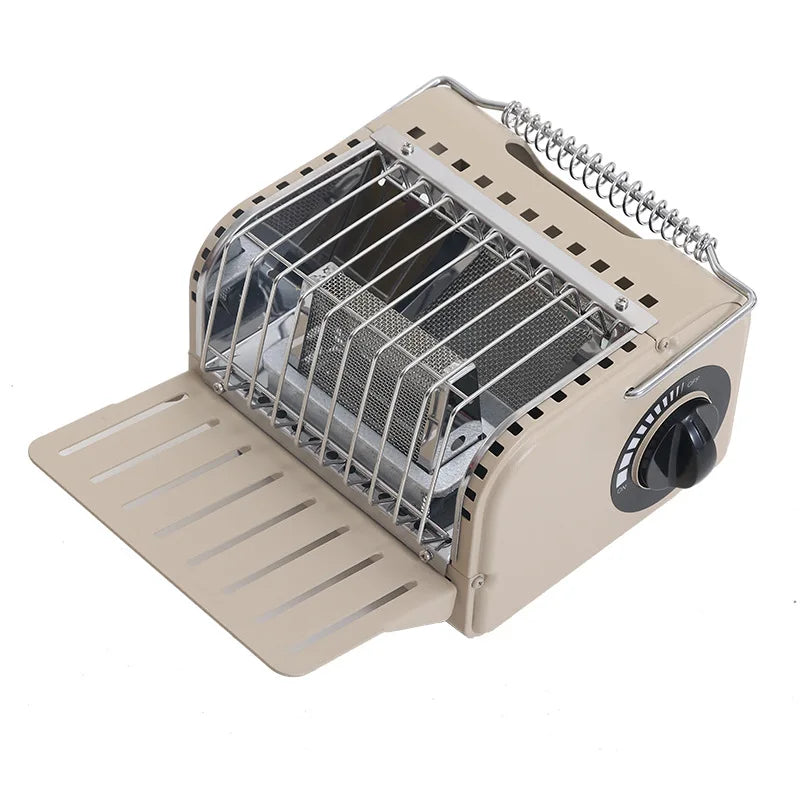
portable camping heaters for emergency heat source needs — See it in action
Power Consumption and RV Electrical Limits
15A vs 30A vs 50A Hookups
A standard 1,500W heater draws roughly 12.5 amps. On a 15-amp circuit, operating additional appliances such as microwaves or coffee makers can easily trip a breaker.
How Many Watts Can Your RV Handle?
Always calculate your total electrical load before adding space heaters. Air conditioners, electric water heaters, and induction cooktops all compete for available capacity.
Generator and Battery Considerations
Generators can easily support most electric heaters when properly sized, but battery-powered inverters typically cannot sustain high-wattage heating for long. For extended off-grid camping, propane or diesel heating is usually more practical.
Portable Heater Buying Guide
Safety Certifications
Choose heaters certified by recognized testing organizations and designed specifically for indoor residential or RV use.
Noise Levels
If you sleep lightly, prioritize quieter ceramic or radiant models that produce minimal fan noise.
Thermostats and Eco Modes
Built-in thermostats help maintain consistent temperatures while reducing unnecessary energy consumption and improving comfort overnight.
Portability and Storage
Carry handles, compact dimensions, cord storage, and sturdy construction make heaters easier to transport and store between camping trips.
RV Heater Safety Tips
Built-in Safety Features to Look For
- Automatic tip-over shutoff.
- Overheat protection.
- Low-oxygen shutoff for propane models.
- Cool-touch housing.
- Thermostatic temperature control.
Ventilation and Carbon Monoxide Precautions
Always maintain adequate ventilation when operating propane heaters. Install working carbon monoxide detectors, inspect batteries regularly, and never block factory ventilation openings.
Condensation and Moisture Management
Combustion heaters can increase interior humidity. Crack a roof vent, run a dehumidifier when possible, and wipe condensation from windows to reduce mold risk.
Safe Overnight Heater Practices
- Keep combustible materials at least three feet away.
- Never dry clothing directly on heaters.
- Place heaters on level, nonflammable flooring.
- Follow manufacturer recommendations regarding overnight operation.
How RV Owners Actually Use Portable Heaters
Full-Hookup Camping
Most campers rely on electric heaters to reduce propane use while campground electricity is included in site fees.
Boondocking in Winter
Off-grid travelers commonly choose propane or diesel heating because battery-powered electric heating is impractical for extended stays.
Emergency Power Outages
A portable propane heater provides valuable backup warmth if campground electricity fails unexpectedly during freezing weather.
Shoulder Season Travel
Portable heaters are ideal for chilly mornings and cool evenings during spring and fall without continuously operating the RV furnace.
Many travelers also explore other comfort upgrades from the Lifestyle collection to create a more enjoyable cold-weather setup.
Quick Comparison: Best Portable Heaters for RV
| Heater | Type | BTU / Watt | Power Source | Best For | Pros | Cons |
|---|---|---|---|---|---|---|
| Mr. Heater F232000 | Propane | 9,000–20,000 BTU | Propane | Off-grid camping | Fast heat, indoor safe | Requires ventilation, propane refills |
| Lasko 754200 | Electric | 1,500W | Shore power / generator | Campgrounds | Quiet, safe indoors | Limited range, high power draw |
| Planar 2D | Diesel | 5,000–8,000 BTU | Diesel tank | Long-term boondocking | Fuel-efficient, constant output | Higher upfront cost, installation required |
View the portable camping gas heater trusted by winter RVers
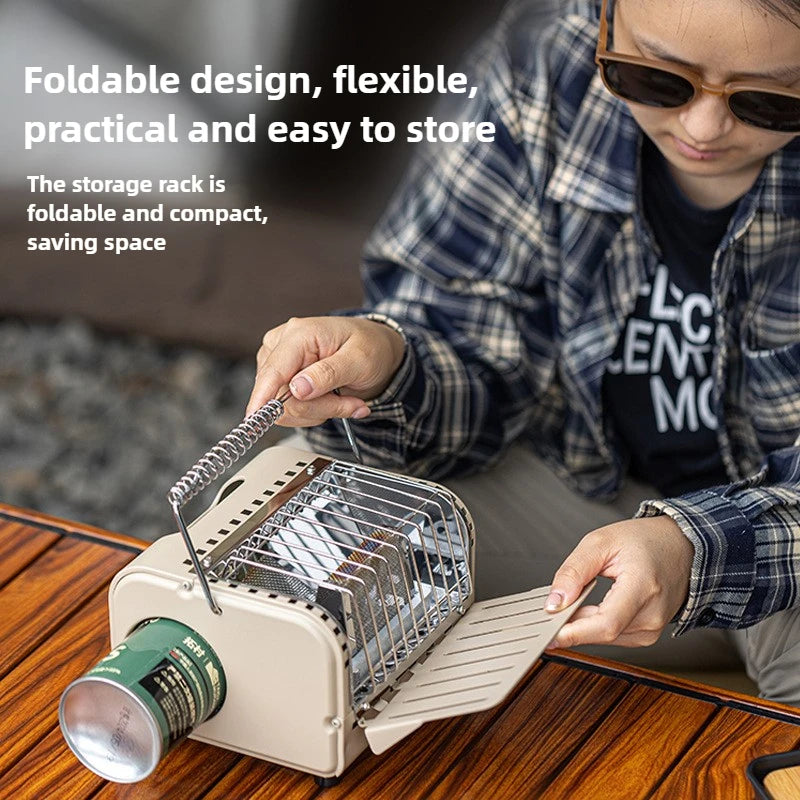
rv portable heaters as emergency heat source — See it in action
Frequently Asked Questions
What size portable heater do I need for my RV?
Most small campers perform well with a 750W to 1,000W electric heater or a 4,000 to 9,000 BTU propane heater. Larger trailers and fifth wheels often require 1,500W electric heaters or multiple heating zones.
Is it safe to leave an electric heater on overnight in an RV?
Indoor-rated electric heaters equipped with tip-over protection, overheat shutoff, and thermostats are generally the safest option for overnight use when used according to manufacturer instructions.
Are propane heaters safe to use inside an RV?
Indoor-certified propane heaters can be used safely when adequate ventilation is maintained and carbon monoxide detectors are functioning properly.
Will a portable heater trip my RV breaker?
A 1,500W heater draws about 12.5 amps. Running multiple high-power appliances simultaneously may overload smaller 15-amp circuits.
Which heater is best for boondocking without hookups?
Diesel and propane heaters remain the most practical solutions because they don't rely on continuous electrical power.
How much electricity does an RV portable heater use?
Most electric space heaters consume between 750W and 1,500W depending on the selected heat setting.
Can one portable heater heat an entire RV?
It depends on RV size, insulation, and outside temperatures. Smaller campers may be heated by one unit, while larger RVs typically require supplemental heating.
What is the safest portable heater for a camper?
Electric ceramic heaters with automatic shutoff, tip-over protection, and overheat sensors are widely considered among the safest portable heaters for indoor RV use.
Related Guide: Compact Diesel Heater Features: Why It Delivers Steady Heat













