

Safe Indoor Heater Usage: Complete Safety Guide for Beginners
Safe Indoor Heater Usage: Quick Safety Checklist
Safe indoor heater usage means operating a portable or fixed heater in a way that reduces fire hazards, electrical risks, burns, and poor indoor air quality. Whether you're using a ceramic space heater, an oil-filled radiator, or another electric model, following a few essential safety habits can make heating your home both comfortable and reliable.
If you're looking for quick guidance, remember these four rules:
- Keep every heater at least 3 feet (1 meter) away from curtains, bedding, furniture, paper, and other flammable materials.
- Always plug portable heaters directly into a wall outlet rather than an extension cord or power strip.
- Choose heaters with modern safety features such as tip-over protection , overheat shutoff , and an adjustable thermostat.
- Turn the heater off whenever you leave the room, unless the manufacturer specifically states it is designed for unattended or overnight operation.
The 3 Core Safety Principles
- Keep distance: Maintain at least 3 feet (1 meter) of clearance between the heater and anything that can burn.
- Use proper power sources: Plug heaters directly into a grounded wall outlet and avoid extension cords, adapters, or overloaded circuits.
- Never leave unattended: Supervise heaters while they are operating and switch them off before leaving the room or going to bed unless the unit is specifically certified for overnight use.
Most Important Rules Before You Start
Before using a heater for the first time each season, inspect the power cord, housing, and controls for signs of wear or damage. Place the heater on a level, stable, non-flammable surface where airflow is unobstructed. Make sure children and pets cannot easily knock it over, and confirm the heater is suitable for the room where it will be used.
⏱ 5 min read
Safe indoor heating begins with good habits. Learning proper heater placement, electrical safety, and daily operating practices helps you stay warm while significantly reducing the risk of fires, burns, and equipment damage.

Safe indoor heating tips start with smart placement and the right heater. See it in action.
Why Heater Safety Matters More Than You Think
Portable heaters provide fast, convenient warmth during cold weather, but they also require responsible operation. Many heater-related incidents occur because of preventable mistakes such as placing a heater too close to curtains, plugging it into an overloaded power strip, or leaving it running unattended.
Understanding safe indoor heater usage from day one helps protect your home, reduces the likelihood of electrical problems, and extends the life of your heater. By following proven indoor heater safety tips every time you use the appliance, you can enjoy dependable warmth with greater confidence throughout the heating season.
How Hoodie Temperature Regulation Works
A comfortable hoodie does more than trap heat. The best designs help your body maintain a stable temperature by balancing insulation, airflow, and moisture management.
- Breathable fibers: Allow excess heat to escape instead of creating a stuffy feeling
- Moisture control: Helps move sweat away from the skin for better comfort
- Layer structure: Provides warmth while maintaining airflow
A hoodie that manages temperature effectively can feel comfortable across different conditions, while a poorly ventilated hoodie may cause overheating even if the fabric is lightweight.
How Hoodie Construction Affects Comfort and Temperature Control
Pullover Hoodies vs Zip-Up Hoodies
Pullover and zip-up hoodies offer different advantages. Pullover hoodies provide a more enclosed design that can retain warmth, while zip-up hoodies allow faster ventilation and easier temperature adjustment.
For people who tend to run hot, zip-up styles can be more practical because they allow you to open the front and release excess heat during activity or indoor use.
Ribbed Cuffs, Hem, and Fit
Small construction details can significantly affect how comfortable a hoodie feels throughout the day.
- Ribbed cuffs: Help create a secure fit while allowing comfortable movement
- Adjustable hems: Let you control airflow and coverage
- Relaxed fit: Improves circulation and prevents excessive heat buildup
- Lightweight construction: Reduces bulk while maintaining everyday comfort
The ideal hoodie design depends on your activity level, climate, and personal temperature preference. Features that improve airflow and adjustability are especially valuable for people who overheat easily.
How to Prevent Heater Fire Hazards
Knowing how to prevent heater fire hazards starts with recognizing the conditions that most often lead to accidents. Nearly all heater-related fires involve preventable issues such as poor placement, damaged electrical components, blocked airflow, or improper operation. A few routine safety checks before each use can greatly reduce these risks.
Leading Causes of Heater Fires
- Operating heaters within 3 feet (1 meter) of curtains, bedding, furniture, clothing, or other combustible materials.
- Using heaters with damaged power cords, loose plugs, cracked housings, or faulty internal components.
- Overloading electrical circuits by sharing outlets with other high-power appliances.
- Leaving portable heaters running unattended or while occupants are asleep without appropriate safety features.
- Blocking air intake or exhaust vents, causing excessive internal temperatures.
- Drying clothing, towels, or blankets directly on the heater.
Burning Smells, Smoke & Warning Signs
Some odors are normal when a brand-new heater burns off manufacturing residues during its first use. However, persistent smells or other unusual symptoms should never be ignored.
- A strong burning smell that continues after the initial use.
- Smoke, visible sparks, or flickering around the plug or outlet.
- Frequent circuit breaker trips when the heater is operating.
- Discolored outlets, warm plugs, or melted insulation.
- Grinding noises, rattling fans, or repeated overheating shutdowns.
- Exterior surfaces becoming unusually hot compared with normal operation.
If any of these warning signs appear, turn the heater off immediately, unplug it after it has safely stopped operating, and discontinue use until it has been inspected or replaced.
When to Replace a Heater
Even well-maintained heaters eventually wear out. Replacement is generally the safest option when a heater:
- Has a damaged cord or plug that cannot be safely repaired by the manufacturer.
- Repeatedly trips breakers or overheats during normal use.
- No longer has functioning tip-over or overheat protection.
- Shows signs of rust, cracked plastic, loose heating elements, or internal damage.
- Lacks modern safety features or recognized safety certifications.
Safest Way to Use an Electric Heater
The safest way to use an electric heater is to combine proper placement, responsible daily operation, and a model equipped with modern protective technologies. While no heater is completely risk-free, choosing a well-designed unit significantly improves household safety.
Essential Safety Features
- Tip-over protection automatically switches the heater off if it is knocked over.
- Overheat protection shuts the heater down before unsafe internal temperatures are reached.
- Cool-touch housing helps reduce the risk of accidental burns.
- Adjustable thermostat maintains a consistent room temperature while reducing unnecessary operation.
- Programmable timers help prevent the heater from running longer than intended.
Certifications to Look For
When comparing heaters, look for products that have been independently tested for electrical safety and performance. Certification marks from recognized testing organizations indicate that the heater has met established safety requirements for consumer use.
- Recognized third-party electrical safety certification.
- Clearly labeled operating instructions and safety warnings.
- Manufacturer warranty and accessible customer support.
- Accurate wattage and electrical specifications that match your household circuits.
Features That Reduce Fire Risk
- Stable, wide-base designs that are less likely to tip over.
- Automatic restart prevention after overheating events.
- Protective grills that limit direct contact with heating elements.
- High-quality power cords with durable strain relief.
- Thermostatic controls that cycle heating output instead of running continuously.

Modern heaters include built-in safety features for greater peace of mind.
Emergency Response: What to Do If a Heater Becomes Unsafe
Responding quickly to warning signs can help prevent a minor equipment problem from becoming a serious emergency. If your heater behaves unusually, prioritize your safety before attempting to inspect or move the unit.
Smoke or Burning Odor
- Switch the heater off immediately.
- If it is safe to do so, unplug the heater from the wall outlet.
- Allow the heater to cool completely before touching or moving it.
- Inspect the surrounding area for overheated materials or signs of damage.
- Do not use the heater again until the cause of the odor has been identified.
Electrical Sparks
- Turn the heater off immediately if you notice sparks, arcing, or flickering at the plug or outlet.
- Do not touch damaged plugs or cords if they appear melted or extremely hot.
- Disconnect power only when it is safe to do so.
- Replace the heater if the electrical cord, plug, or internal wiring has been damaged.
Fire Response
- If flames appear, leave the area immediately and alert everyone in the home.
- Call your local emergency services as soon as you are safely outside.
- Only attempt to use an appropriate fire extinguisher if the fire is very small and you have a safe exit available.
- Never throw water on an electrical heater fire while the appliance is energized.
- Do not reconnect or reuse the heater after any fire-related incident.
When to Call for Help
Seek professional assistance if your heater repeatedly overheats, trips circuit breakers, emits smoke, produces burning odors after multiple uses, or shows signs of electrical failure. Continuing to operate a malfunctioning heater significantly increases the risk of fire and electrical shock.
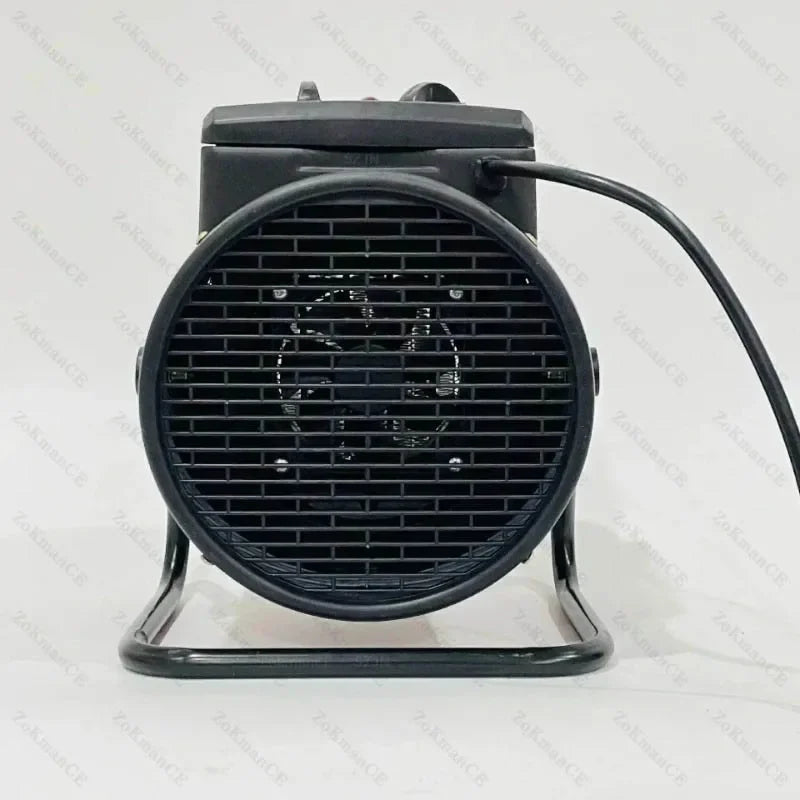
Choosing the safest indoor portable heater builds confidence. See it in action.
Explore more comfort-focused solutions in our Lifestyle collection or wellness essentials in Body Care and Health Devices .
Frequently Asked Questions
Is it safe to use a heater overnight?
Only heaters equipped with automatic shutoff, tip-over protection, overheat protection, and thermostat control should be considered for overnight use, and you should always follow the manufacturer's instructions. Older heaters without these features should not be left running while you sleep.
How far should a heater be from furniture and curtains?
Maintain at least 3 feet (1 meter) of clearance between the heater and furniture, curtains, bedding, clothing, paper, and other combustible materials. More clearance is recommended whenever possible.
Can I plug a heater into a power strip?
No. Portable heaters should always be plugged directly into a properly grounded wall outlet. Power strips and extension cords can overheat when used with high-wattage heating appliances.
What type of heater is safest indoors?
Electric heaters that include tip-over protection, overheat shutoff, thermostat controls, and recognized third-party safety certification are generally the safest options for indoor use when operated according to the manufacturer's instructions.
Do electric heaters produce carbon monoxide?
No. Electric heaters do not produce carbon monoxide because they do not burn fuel. Fuel-burning heaters, however, can generate carbon monoxide if they are used improperly or without adequate ventilation.
How often should I replace a portable heater?
Replace a heater if it has damaged electrical components, no longer operates safely, repeatedly overheats, or lacks essential safety features. Age alone is less important than the heater's overall condition and compliance with current safety standards.
Can I leave a heater unattended?
It is best not to leave a portable heater unattended. Turn it off whenever you leave the room unless the manufacturer specifically states that the unit is designed for unattended operation under normal household conditions.
Is it safe to use a heater in a nursery?
Yes, provided the heater is positioned well outside a child's reach, maintains the recommended clearance from furniture and bedding, has tip-over and overheat protection, and is continuously supervised. Avoid placing heaters near cribs, play areas, or changing stations.
Indoor Heating Do's and Don'ts
Use this quick-reference checklist whenever you operate a portable heater. These simple habits reinforce safe indoor heater usage and help reduce the risk of fires, electrical hazards, and accidental burns.
- Do: Keep at least 3 feet (1 meter) of clearance between the heater and furniture, curtains, bedding, paper, and other flammable materials.
- Do: Plug portable heaters directly into a properly grounded wall outlet.
- Do: Place heaters on a stable, level, non-flammable surface.
- Do: Inspect the power cord, plug, and safety features before each heating season.
- Do: Turn the heater off and unplug it when it will not be used for an extended period.
- Do: Keep children and pets a safe distance away from operating heaters.
- Don't: Use extension cords, power strips, or outlet adapters.
- Don't: Leave a portable heater running unattended unless the manufacturer specifically permits it.
- Don't: Dry clothing, towels, blankets, or shoes on or near a heater.
- Don't: Operate heaters near water unless they are specifically rated for bathroom or damp-location use.
- Don't: Ignore burning smells, sparks, damaged cords, unusual noises, or repeated overheating.
Related Guide: Energy Efficient Room Heaters Setup for Lower Bills at Home













