

What Are Safe Spinal Stretching Techniques?
Safe spinal stretching techniques use slow, controlled movements to gently lengthen the muscles surrounding your spine without forcing the joints beyond their natural range. When performed consistently and within a comfortable, pain-free range, these stretches can improve spinal mobility, reduce stiffness, support better posture, and help you move more comfortably throughout the day.
What spinal mobility means
Spinal mobility refers to your spine's ability to move smoothly through flexion, extension, rotation, and side bending while maintaining stability. Unlike flexibility, which focuses primarily on muscle length, mobility combines muscle flexibility, joint movement, and muscular control. Learning how to stretch your spine safely means improving mobility without sacrificing stability.
Who can benefit from beginner spinal stretching
Gentle spinal stretching is appropriate for many healthy adults, especially those who:
- Sit for extended periods at work.
- Experience mild morning stiffness.
- Want to improve posture and movement quality.
- Are beginning a fitness or mobility routine.
- Need low-impact exercises to maintain daily mobility.
Who should avoid or modify certain stretches
Some individuals should consult a healthcare professional before beginning a spinal stretching routine. This includes people with recent spinal surgery, acute fractures, severe osteoporosis, significant disc injuries, uncontrolled nerve symptoms, or persistent pain that worsens with movement. During pregnancy or when recovering from injury, certain positions may also need modification.
Safe Spinal Stretching Exercises for Beginners You Can Do Daily
Safe spinal stretching techniques can transform how your back feels in just minutes a day. Many beginners stretch too aggressively and worsen stiffness. A slower, controlled approach improves spinal mobility, relieves muscle tension, and supports healthier movement patterns without placing unnecessary stress on the joints.
⏱ 7 min read
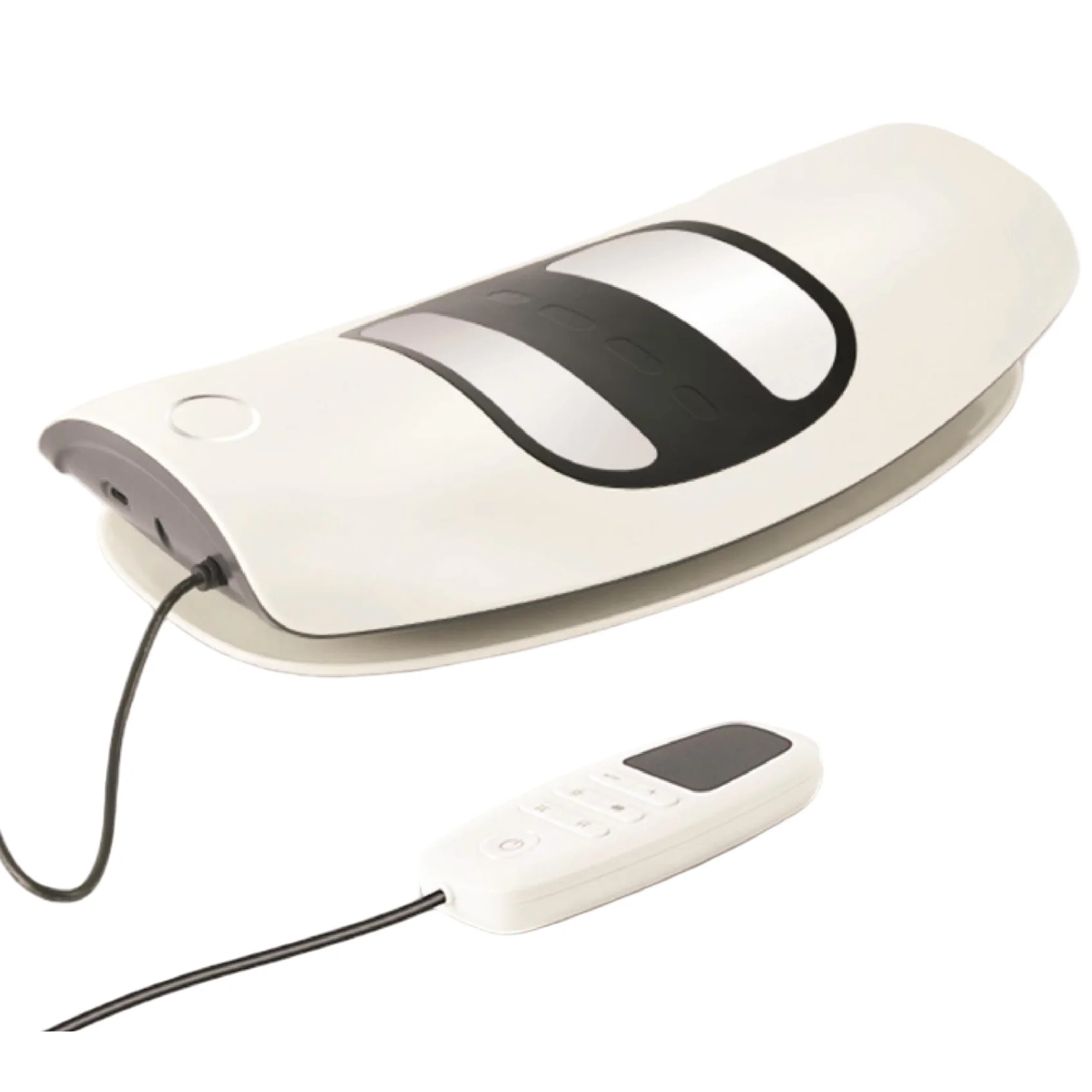
Safe spinal stretching techniques for beginners — feel the difference. See it in action.
Why Safety Matters for Daily Spinal Stretching
Your spine supports nearly every movement you make. Stretching too aggressively can strain muscles, irritate joints, or increase discomfort. Safe spinal stretching techniques emphasize gradual progress, proper alignment, and consistency rather than pushing for maximum range of motion.
How stretching reduces stiffness
Gentle movement encourages circulation, improves tissue elasticity, and helps reduce the feeling of tightness that often develops after prolonged sitting or inactivity. Over time, a regular routine can make everyday movements feel smoother and less restricted.
Why consistency matters
Short daily sessions typically produce better long-term results than occasional intense stretching sessions. A consistent daily spine stretching routine allows muscles and connective tissues to adapt gradually while reducing injury risk.
- Reduces risk of overstretching injuries.
- Supports healthy joint movement.
- Improves flexibility progressively.
- Builds confidence with movement.
- Promotes long-term spinal mobility.
How to Stretch Your Spine Safely (Beginner Guidelines)
Warm-up basics before spinal stretching
Spend three to five minutes warming up with light walking, marching in place, shoulder rolls, or gentle torso rotations before beginning spinal stretching exercises for beginners. Warm muscles respond better to stretching and are less prone to strain.
Proper breathing and control
Inhale before moving into a stretch and exhale slowly as you settle into the position. Avoid holding your breath, as relaxed breathing reduces unnecessary muscle tension and encourages smoother movement.
Pain vs discomfort: how to tell the difference
A gentle pulling sensation is expected. Sharp pain, burning, numbness, tingling, or pain that radiates into the legs or arms is not. Stop immediately if any of these symptoms occur.
Movement quality over range of motion
One of the most important principles of how to stretch your spine safely is prioritizing controlled movement over depth. A smaller, well-controlled stretch performed with proper alignment is more beneficial than forcing a larger range of motion.
The Safest Stretching Techniques for Back Pain Relief
Static vs dynamic stretching for beginners
Static stretches involve holding a comfortable position for 15 to 30 seconds and are generally the safest option for beginners. Dynamic stretches use slow, controlled movement and are ideal after warming up to prepare the spine for daily activity.
Neutral spine positioning explained
Maintaining a neutral spine means preserving your natural spinal curves rather than flattening or excessively arching your back. Proper alignment distributes forces evenly across the spine and helps protect supporting muscles and joints.
Best modifications for limited mobility
If bending or kneeling feels uncomfortable, modify exercises using a chair, folded towel, yoga block, or cushion. These simple adjustments allow beginners to enjoy gentle back stretching exercises without compromising safety or effectiveness.
Progressive Spinal Stretching Exercises for Beginners (Step-by-Step)
Level 1: Gentle back stretching exercises
- Child's Pose: Sit back toward your heels, reach both arms forward, and hold for 20–30 seconds.
- Knee-to-Chest Stretch: While lying on your back, pull one knee toward your chest for 20–30 seconds before switching sides.
- Cat Stretch: Slowly round your back upward while on hands and knees before returning to neutral.
Level 2: Beginner spine mobility exercises
- Cat-Cow: Alternate between gentle spinal flexion and extension with slow breathing.
- Seated Forward Fold: Reach toward your legs only until a comfortable stretch is felt.
- Thoracic Rotation: Rotate your upper body gently while keeping your hips stable.
Level 3: Spinal decompression exercises at home
- Supported Hanging Stretch: Hang briefly from a sturdy bar if approved for your fitness level.
- Pelvic Tilt: Flatten your lower back into the floor before relaxing.
- Bridge Pose: Lift your hips gradually while keeping your core engaged.
- Cobra Stretch: Raise your chest gently without forcing the lower back.
Sets, repetitions and hold times
- Hold static stretches for 15–30 seconds.
- Perform dynamic movements for 8–10 slow repetitions.
- Complete 1–3 sets depending on comfort.
- Rest briefly between exercises.
- Increase duration gradually over several weeks rather than immediately stretching deeper.
Many beginners pair these exercises with tools from the Body Care and Health Devices collection for added comfort.
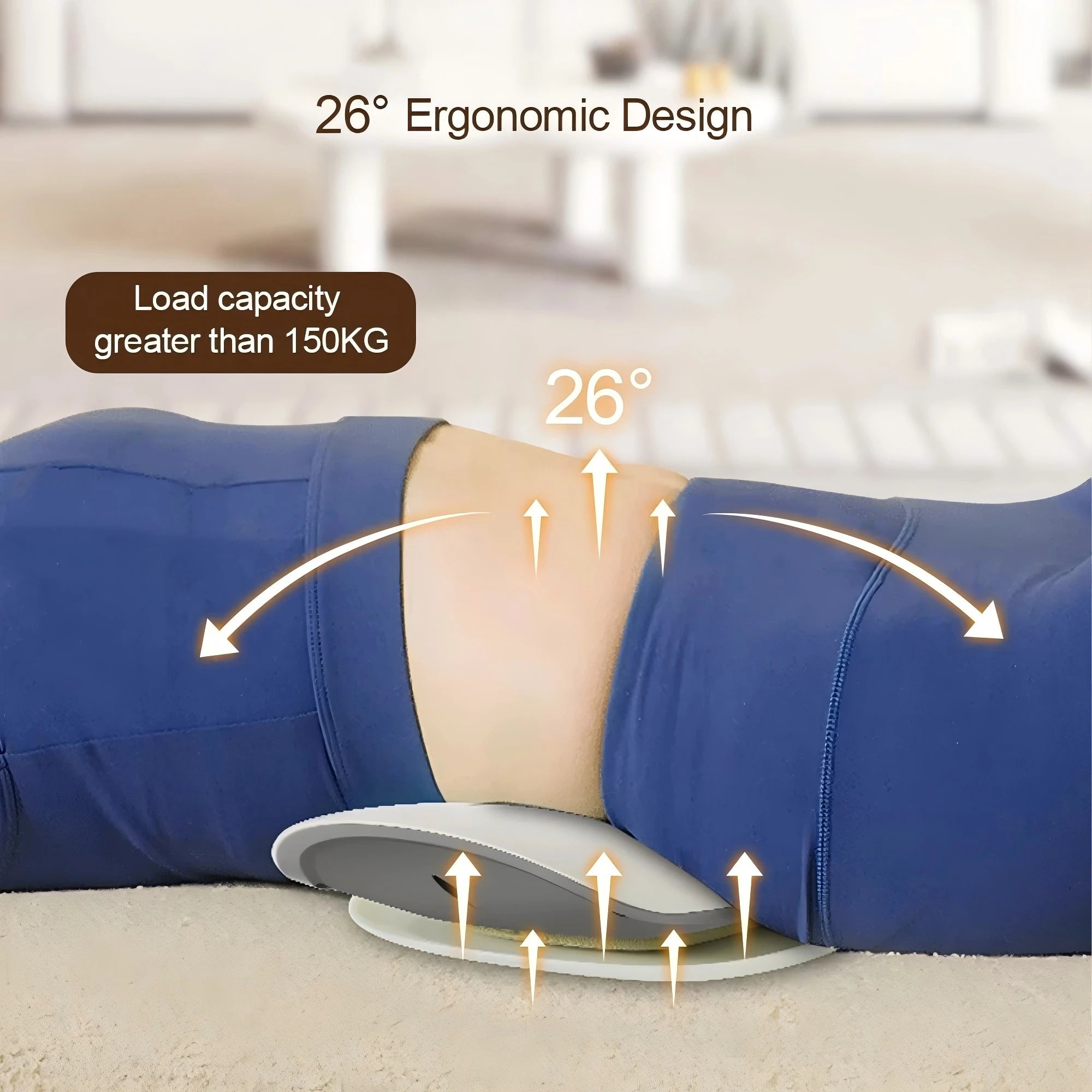
Gentle stretching spinal erectors with proper support. See it in action.
Daily Spine Stretching Routine for Beginners
5-minute quick routine
- Child's Pose – 30 seconds
- Cat-Cow – 1 minute
- Knee-to-Chest – 1 minute
- Pelvic Tilt – 1 minute
- Seated Forward Fold – 90 seconds
10-minute full beginner routine
- Warm-up – 2 minutes
- Level 1 stretches – 3 minutes
- Level 2 mobility exercises – 3 minutes
- Level 3 decompression exercises – 2 minutes
4-week progression plan
Begin with Level 1 exercises during the first week. Add Level 2 movements during week two, introduce Level 3 exercises during week three, and gradually increase hold times or repetitions during week four while maintaining excellent form.
Recovery between sessions
Allow your muscles to recover by staying hydrated, walking briefly after stretching, and avoiding prolonged sitting immediately afterward. Mild soreness is normal, but persistent pain is not.
How Stretching Spinal Erectors Improves Posture and Comfort
Spinal erector anatomy
The spinal erectors are a group of muscles running alongside the spine that help maintain upright posture and control spinal movement. They work continuously during standing, walking, lifting, and many daily activities.
Posture and movement benefits
Stretching spinal erectors regularly can reduce muscle tightness while improving movement efficiency. Combined with strengthening exercises, spinal stretch benefits may include:
- Improved spinal alignment.
- Reduced lower back stiffness.
- Better posture during sitting and standing.
- Greater comfort during everyday movement.
- Improved flexibility alongside muscular support.
Common Beginner Mistakes and How to Fix Them
Bouncing and overstretching
Bouncing creates unnecessary stress on muscles and connective tissues. Instead, ease into each stretch gradually and hold it steadily.
Holding your breath
Steady breathing helps muscles relax naturally. Count slow breaths rather than watching the clock to maintain a comfortable pace.
Ignoring alignment
Even simple stretches become less effective if posture is poor. Focus on maintaining a neutral spine and moving deliberately instead of chasing a deeper stretch.
- Skip sudden, jerky movements.
- Never stretch through sharp pain.
- Warm up before every session.
- Progress gradually rather than daily increasing intensity.
Manual vs Assisted Spinal Stretching: What Beginners Should Know
Most beginners should first learn proper body positioning before introducing external assistance.
Self-stretching
Manual stretching offers the greatest control and allows you to respond immediately if a movement becomes uncomfortable.
Partner assistance can improve flexibility when performed carefully, but communication is essential to prevent overstretching.
Professional assistance
Physical therapists and qualified rehabilitation professionals can recommend individualized stretching programs for people recovering from injury or managing chronic conditions.
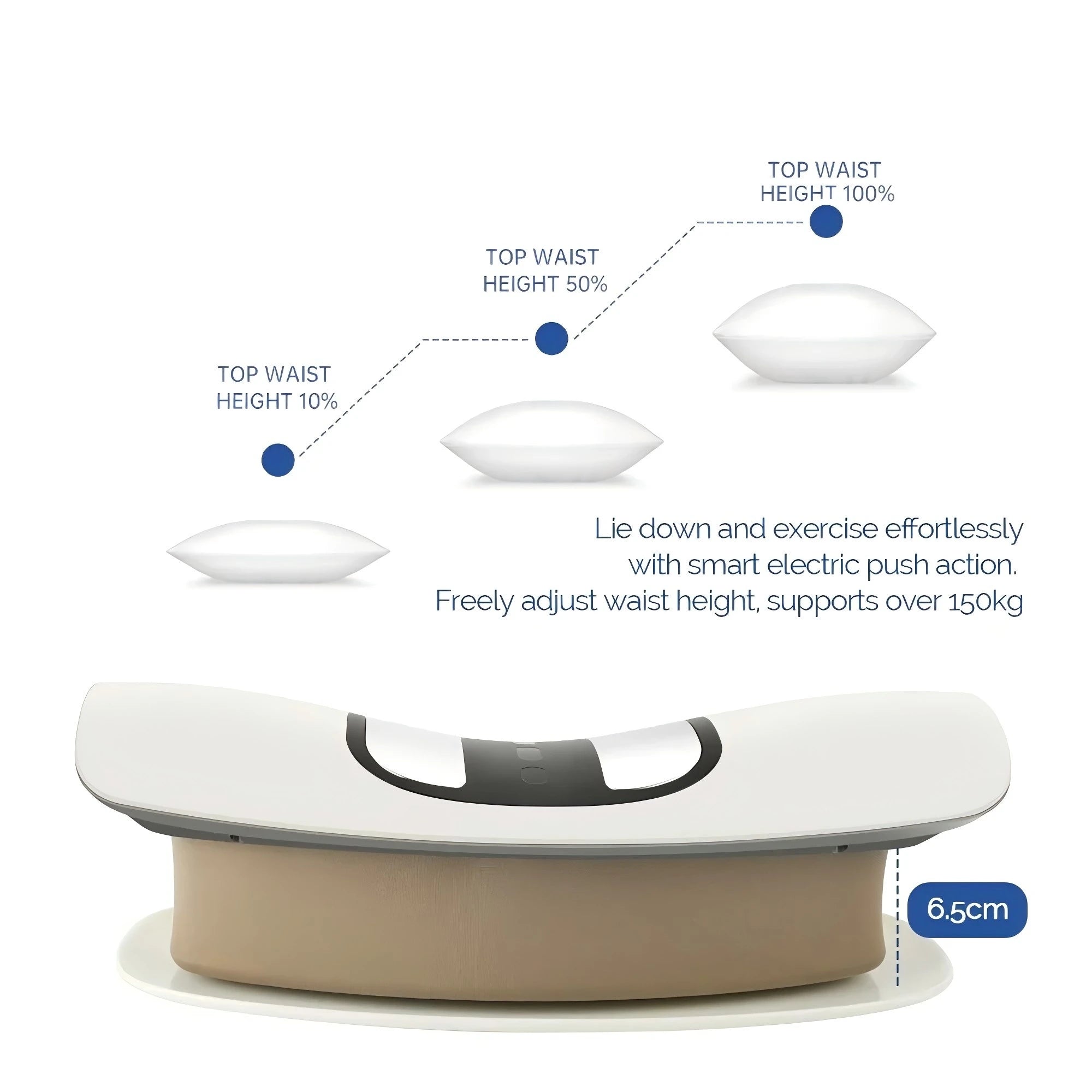
Spinal stretch device for safe daily use. See it in action.
When a Spinal Stretch Device Helps (and When It Doesn't)
A spinal stretch device can complement spinal decompression exercises at home but should not replace proper movement habits or medical care.
Who may benefit
- Individuals with limited mobility.
- People who prefer additional support during stretching.
- Users following professional rehabilitation guidance.
When exercise is enough
Most healthy beginners can improve mobility using bodyweight exercises alone before considering equipment.
Safety considerations
Follow manufacturer instructions carefully, begin with minimal intensity, and discontinue use if symptoms worsen. Many users choose a lumbar traction device for gentle, controlled stretching.
When to Stop Stretching and Seek Medical Advice
Warning symptoms
Stop stretching immediately and seek medical evaluation if you experience:
- Sharp or worsening spinal pain.
- Numbness or tingling that persists.
- Pain radiating into the arms or legs.
- Loss of strength or coordination.
- Changes in bladder or bowel function.
Medical conditions requiring clearance
If you have osteoporosis, inflammatory spinal disease, recent surgery, spinal fractures, significant disc injuries, or unexplained persistent back pain, obtain medical clearance before beginning a stretching program.
Frequently Asked Questions
Can beginners perform spinal stretching exercises every day?
Yes. Gentle daily stretching is generally appropriate for healthy beginners when movements remain controlled, comfortable, and pain-free.
How long should I hold each spinal stretch?
Most beginners benefit from holding static stretches for 15 to 30 seconds while breathing normally.
What is the safest spinal stretch for lower back stiffness?
Child's Pose, Knee-to-Chest Stretch, and Pelvic Tilts are commonly recommended beginner-friendly options because they provide gentle movement without excessive spinal loading.
Should spinal stretches cause pain?
No. Mild muscular tension is expected, but sharp pain, numbness, or radiating symptoms are signs to stop immediately.
Can spinal stretching improve posture?
Yes. Improving mobility while reducing muscle tightness can support better posture, particularly when combined with strengthening exercises and ergonomic habits.
What is the difference between spinal mobility and flexibility?
Flexibility refers to muscle length, while mobility describes your ability to move the spine through its available range with stability and control.
Are spinal decompression exercises safe at home?
Many gentle decompression exercises are safe for healthy individuals when performed correctly. More advanced techniques or devices should be introduced gradually and used according to instructions.
When should I avoid spinal stretching?
Avoid stretching during acute injuries, after recent spinal trauma, or when you have severe pain or neurological symptoms unless a healthcare professional advises otherwise.
Related Guide: How to Decompress Lower Back Safely at Home Step by Step













