

Shock Absorbing Insoles for Joints: Best Options, Reviews, and Buying Guide
Introduction: Why Shock Absorbing Insoles Matter for Joint Health
Who this guide is for
If you experience knee pain, sore feet, aching hips, or lower back discomfort after walking, running, or standing for long periods, choosing the right shock absorbing insoles can make daily movement more comfortable. This guide is designed for shoppers comparing the best shock absorbing insoles for knee pain, work, sports, and everyday wear.
How we tested and selected the insoles
Our recommendations are based on commonly accepted footwear design principles, published biomechanics research, manufacturer specifications, long-term durability, cushioning technology, arch support, user feedback, and overall value. Rather than focusing on marketing claims alone, we evaluated how each style performs for different activities, foot types, and levels of joint stress.
What you'll learn
- How shock absorbing insoles reduce impact on knees, hips, ankles, and feet
- Which cushioning materials perform best for different activities
- How to compare support, comfort, durability, and value
- Which type of insole fits your foot shape and footwear
- Common buying mistakes that reduce comfort and performance
Do Shock Absorbing Insoles Really Work?
Yes—shock absorbing insoles can reduce impact forces that travel through the feet into the ankles, knees, hips, and lower back. While they cannot cure arthritis or structural joint conditions, they often improve comfort by reducing repetitive stress during everyday movement.
How impact reduction protects joints
Every foot strike creates ground reaction forces that may equal several times your body weight during running and increase significantly during jumping. Quality shock absorbing insoles help cushion these impacts while spreading pressure more evenly across the foot, reducing concentrated stress on sensitive joints.
Biomechanics and clinical evidence
Biomechanical research consistently shows that properly cushioned footwear and supportive insoles reduce peak plantar pressure and improve force distribution. Benefits are often greatest when worn with supportive shoes that are still in good condition. Results vary depending on body weight, walking style, activity level, and existing joint conditions.
Who sees the biggest benefits
Shock absorbing insoles are especially helpful for people who stand all day, recreational runners, workers on concrete floors, hikers, older adults seeking additional cushioning, and individuals experiencing mild knee discomfort caused by repetitive impact or worn footwear.
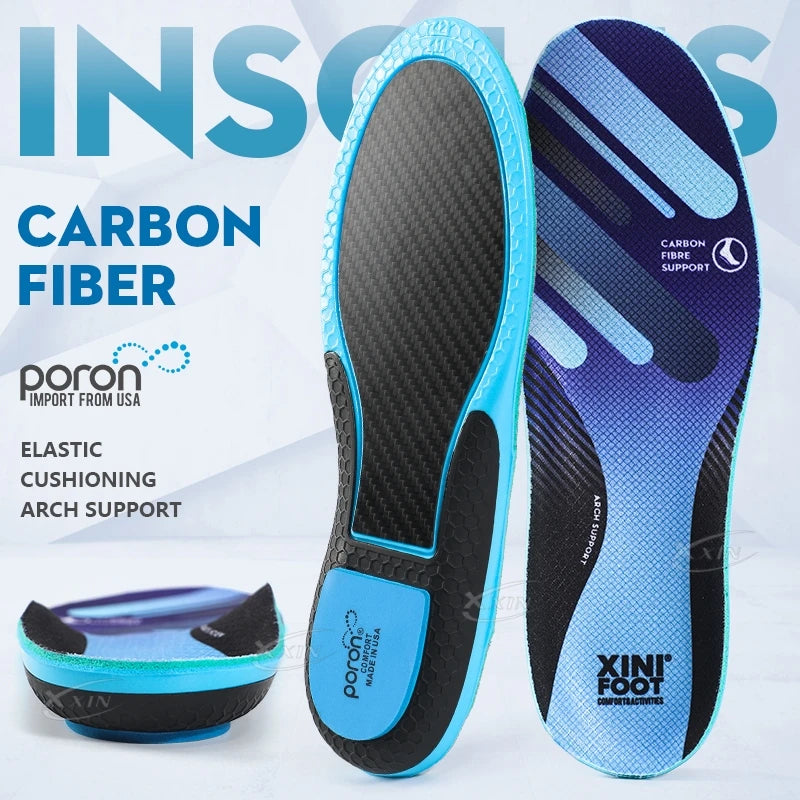
Reducing joint impact starts from the ground up — See it in action
How Shock Absorbing Insoles Work
Gel vs EVA vs PU vs foam vs cork
Different materials deliver different types of comfort.
- EVA foam: Lightweight, responsive, and commonly used in athletic footwear.
- Gel: Excellent for heel impact and pressure distribution during walking.
- Polyurethane (PU): Durable cushioning that maintains support longer than many soft foams.
- Memory foam: Conforms to the foot for immediate comfort but may compress faster with heavy use.
- Cork: Naturally molds to the foot over time while providing firm, supportive cushioning.
- Carbon fiber: Adds structural stability and energy return while helping control excessive foot motion.
Impact absorption and energy return
Effective impact absorbing shoe inserts don't simply feel soft. They compress under load, absorb part of the landing force, then return energy as you push off. This combination helps reduce fatigue without making each step feel unstable.
Arch support and alignment
Good arch support encourages better alignment between the foot, ankle, knee, and hip. Although insoles cannot permanently correct structural problems, appropriate support may decrease excessive rolling of the foot that contributes to joint strain.
Cushioning versus stability
More cushioning is not always better. Very soft insoles may feel comfortable initially but can allow excessive movement. People with flat feet or overpronation often benefit from a balance of cushioning and structured support rather than maximum softness.
Comparison Table of the Best Shock Absorbing Insoles
Key specs at a glance
| Category | Best For | Cushioning | Support | Value |
|---|---|---|---|---|
| Best Overall | Daily walking and general comfort | High | Balanced | Excellent |
| Best for Knee Pain | Impact reduction | High heel cushioning | High | Very Good |
| Best for Standing | Retail, healthcare, warehouses | Medium-High | Medium | Excellent |
| Best for Running | Sports and training | Responsive EVA + gel | High | Very Good |
| Best Budget | Occasional daily use | Medium | Medium | Excellent |
| Best for Hiking | Uneven terrain | Medium | High | Very Good |
Best Shock Absorbing Insoles (Top Picks by Use Case)
Best overall
A balanced insole that combines durable cushioning, moderate arch support, and long-lasting comfort is the best choice for most people who walk daily or spend long hours on their feet.
Best for knee pain
Look for models with deep heel cushioning, stable arch support, and controlled motion to reduce repetitive stress reaching the knees.
Best for standing all day
Workers benefit from insoles that resist compression throughout an entire shift while distributing pressure evenly across the heel and forefoot.
Best for running
Runners should prioritize lightweight EVA, responsive cushioning, and durable construction that maintains performance over hundreds of miles.
Best for work boots
Heavy-duty footwear pairs best with firmer insoles that provide structural support without flattening under constant load.
Best budget
Affordable foam or gel insoles offer noticeable comfort improvements for occasional use, though they generally wear out sooner than premium options.
Best for hiking
Hiking insoles should combine impact absorption with stability, helping reduce fatigue on uneven trails while supporting the arch during long distances.
In-Depth Reviews of Each Recommended Insole
Comfort and cushioning
The best-performing insoles provide noticeable heel protection while maintaining cushioning beneath the forefoot. Responsive materials help reduce fatigue without creating a sinking sensation.
Support and stability
Quality orthopedic insoles for joints combine moderate cushioning with supportive arch geometry to improve alignment during walking and standing.
Higher-density PU foam, reinforced EVA, and carbon fiber components typically maintain their shape longer than inexpensive memory foam alone. Premium models often remain supportive for 6 to 12 months of regular use.
Pros and cons
- Pros: Better impact absorption, improved comfort, reduced foot fatigue, improved pressure distribution, extended shoe comfort.
- Cons: Require a short break-in period, may need trimming, premium models cost more, and they cannot replace medical treatment for severe joint disease.
Who should buy it
Shock absorbing insoles are ideal for people with mild joint discomfort, active lifestyles, physically demanding jobs, or anyone whose current shoe cushioning has become compressed.
Shock Absorbing Insoles vs Regular Insoles
Key differences in materials and performance
| Feature | Shock Absorbing Insoles | Standard Insoles |
|---|---|---|
| Impact Reduction | High, designed to protect joints | Minimal cushioning |
| Durability | Maintains support over time | Compresses quickly |
| Joint Support | Targets knees, hips, ankles | Focuses mainly on foot comfort |
When to choose each
Choose shock absorbing insoles if you experience joint pain, spend long hours standing, participate in high-impact activities, or want to extend the comfort of quality shoes. Standard insoles remain suitable for replacing worn liners when advanced cushioning and support are unnecessary.
How to Choose the Best Shock Absorbing Insoles
Foot type
People with flat feet generally benefit from firmer arch support, while high arches usually require additional cushioning to spread pressure more evenly. Neutral feet often perform well with balanced support.
Activity and footwear
- Walking: Moderate cushioning with stable support.
- Running: Lightweight impact absorption and energy return.
- Work boots: Durable materials that resist compression.
- Casual shoes: Lower-profile insoles for a better fit.
Cushioning versus support
If impact causes discomfort, prioritize cushioning. If poor alignment contributes to pain, choose a model with stronger arch support and better heel stability.
Sizing and trimming
Select the correct size whenever possible and trim only along the manufacturer's guide. Removing the original sock liner often improves fit inside tighter shoes.
Replacement schedule
Replace insoles once they lose resilience, develop permanent compression, or no longer provide consistent support. Frequent runners and workers on hard floors typically replace them sooner than casual users.
Who Benefits Most From Shock Absorbing Insoles?
Knee pain
People experiencing mild impact-related knee discomfort often notice reduced stress during walking and standing when using supportive cushioning.
Back pain
Improved force distribution throughout the lower body may decrease strain traveling from the feet into the hips and lower back.
Foot fatigue
Additional cushioning helps reduce soreness after long shifts, sightseeing, travel, or extended periods on hard flooring.
Plantar fasciitis
Although plantar fasciitis often requires multiple treatment approaches, supportive insoles can help reduce heel loading while improving comfort throughout the day.
Standing or walking all day
Healthcare professionals, warehouse employees, teachers, retail workers, hospitality staff, and anyone who spends hours on concrete floors typically experience the greatest comfort improvements.
Common Mistakes When Buying Shock Absorbing Insoles
Choosing too much cushioning
Extremely soft insoles may initially feel comfortable but sometimes reduce stability and increase foot movement inside the shoe.
Ignoring arch type
Selecting the wrong arch height can reduce support, increase fatigue, and limit the effectiveness of otherwise high-quality insoles.
Using worn-out shoes
Even the best insoles cannot fully compensate for shoes with collapsed midsoles or uneven wear. If your footwear has lost its structural support, replacing the shoes may provide greater improvement.
Replacing insoles too late
Flattened cushioning absorbs less impact, meaning your joints gradually receive more stress even if the insoles still appear visually intact.
How to Use Shock Absorbing Insoles for Best Results
Proper fitting and trimming
- Remove existing shoe liners if possible.
- Insert the shock absorbing insoles, ensuring a snug fit.
- Trim edges if needed for proper alignment inside the shoe.
Break-in period
Wear the insoles for a few hours each day during the first several days before using them for full work shifts or long-distance activities.
Maintenance tips
- Allow insoles to air dry after use.
- Keep them clean and free of excess moisture.
- Replace them once cushioning becomes permanently compressed.
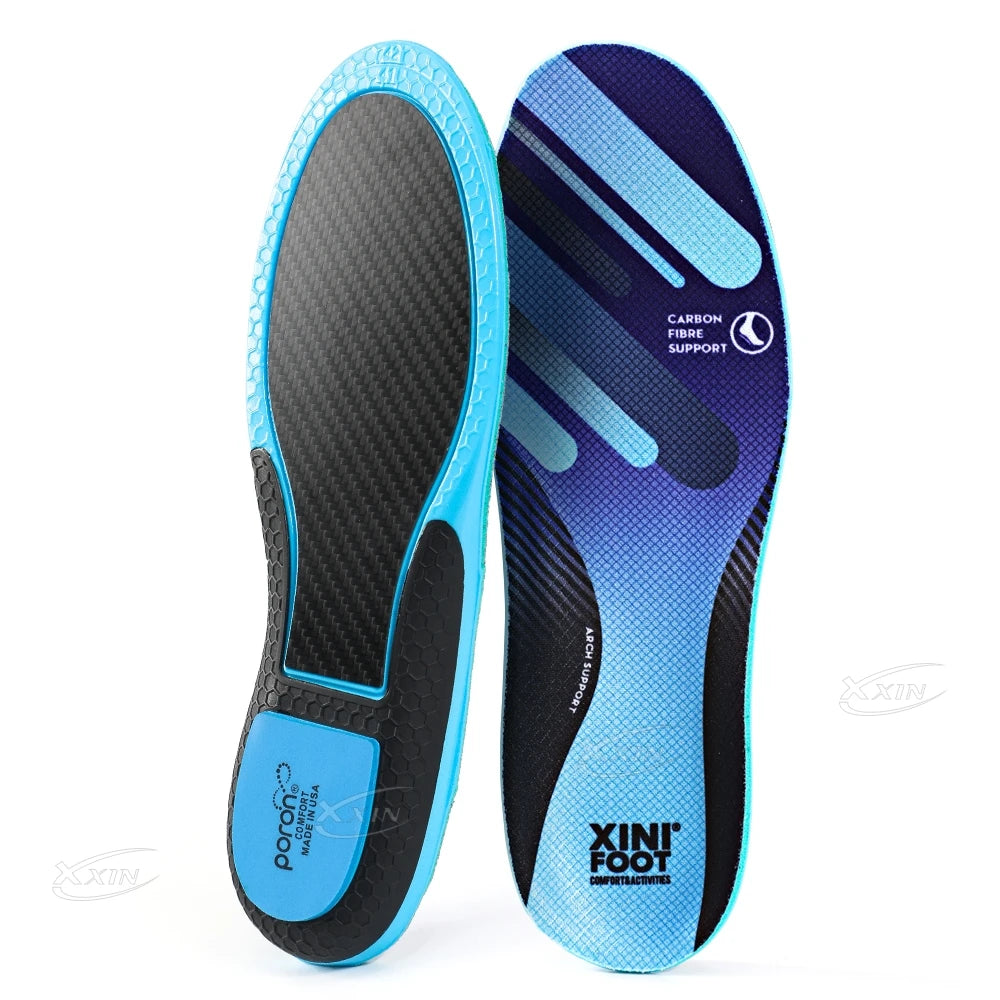
Consistent use brings noticeable joint impact relief — See it in action
Final Verdict: Which Shock Absorbing Insoles Should You Buy?
Best by activity
Choose responsive EVA-based models for running, durable supportive insoles for work boots, and balanced cushioning for everyday walking and commuting.
Best by budget
If you're trying shock absorbing insoles for the first time, a mid-range model often delivers the best combination of comfort, durability, and long-term value.
Best for chronic joint pain
If persistent knee, hip, or back pain continues despite supportive footwear, consult a healthcare professional or podiatrist. Orthopedic insoles can improve comfort but should complement—not replace—appropriate medical evaluation when symptoms persist.
Quick Questions Answered
Do shock absorbing insoles work for knee pain?
They can help reduce repetitive impact reaching the knees, particularly when discomfort is related to walking, standing, running, or worn shoe cushioning.
Can shock absorbing insoles reduce back pain?
Yes. By improving alignment and reducing impact through the lower limbs, they may lessen stress transferred to the lower back.
How often should shock absorbing insoles be replaced?
Most quality insoles should be replaced every 6 to 12 months, depending on activity level, body weight, and material durability.
Are gel or foam insoles better for joint pain?
Gel performs well for heel impact and pressure relief, while EVA and PU foams often provide a better balance of cushioning, stability, and long-term durability. The best choice depends on your activity and foot mechanics.
Can insoles fix knee pain caused by worn out shoes?
They can improve comfort if the shoes still provide structural support. However, severely worn-out shoes should generally be replaced because compressed midsoles no longer absorb impact effectively.
Do shock absorbing insoles fit every shoe?
Many can be trimmed for fit, but thicker models may not fit narrow dress shoes or footwear with limited interior space.
Are orthopedic insoles better than regular cushioned insoles?
Orthopedic insoles typically offer better arch support, alignment, and long-term stability, while standard cushioned insoles mainly improve softness and immediate comfort.
Related Guide: Performance Shoe Inserts for Sports Honest Athlete Review













