

Should you wrap a swollen ankle?
Yes—if the injury is minor and the wrap is applied correctly. Gentle compression helps limit swelling, supports the ankle, and can reduce discomfort when combined with rest, ice, and elevation. However, you should not wrap a swollen ankle if there is severe deformity, inability to bear weight, significant numbness, or worsening pain, as these symptoms require medical evaluation.
Should You Wrap a Swollen Ankle? Step-by-Step Guide
⏱ 6 min read
You step off a curb, feel your ankle twist, and within minutes swelling begins. Should you wrap a swollen ankle immediately? In many cases, the answer is yes. Compression is a key part of early care for minor ankle sprains because it helps control swelling while providing gentle support. The key is using the correct technique and avoiding wraps that are too tight.
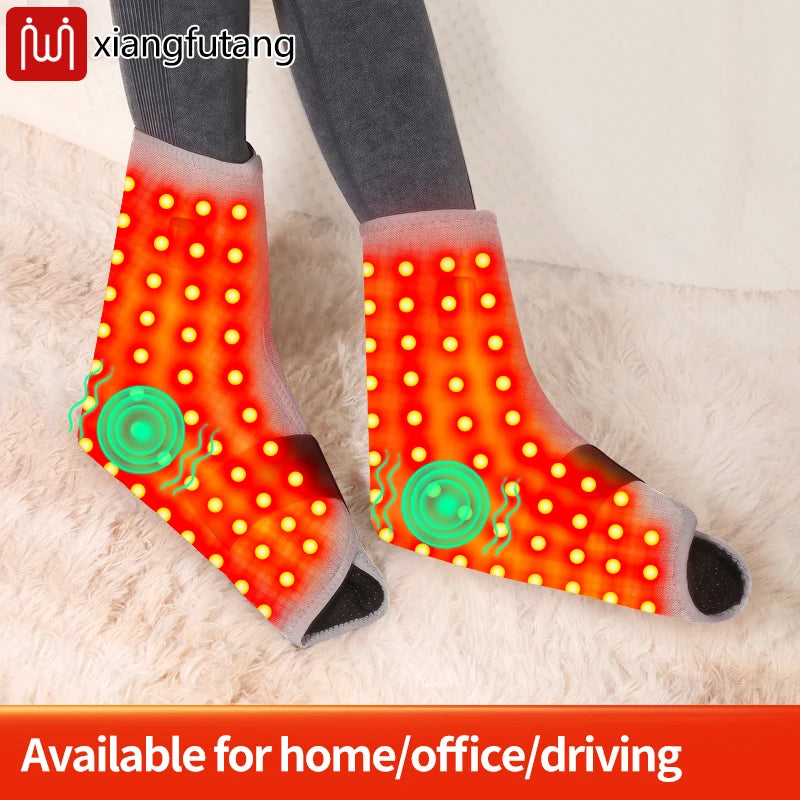
Ankle wraps for swelling can support comfort and stability — See it in action
Should You Wrap a Swollen Ankle?
For most mild ankle sprains and soft tissue injuries, wrapping the ankle with gentle compression is recommended. Compression helps reduce fluid buildup, limits excessive swelling, and provides support while the injured ligaments begin healing.
Wrapping works best as part of the R.I.C.E approach—Rest, Ice, Compression, and Elevation—during the first 24 to 72 hours after injury.
| Situation | Wrap the Ankle? |
|---|---|
| Minor sprain or mild swelling | ✅ Yes |
| Swelling after exercise | ✅ Yes |
| Unable to bear weight | ❌ Seek medical care first |
| Visible deformity or severe pain | ❌ Do not rely on wrapping alone |
What Wrapping a Swollen Ankle Actually Does
Compression reduces the amount of fluid that collects around injured tissues. This helps control swelling while providing mild support to stretched ligaments.
Wrapping is designed to support the ankle—not completely immobilize it. For many minor injuries, gentle movement within a comfortable range helps maintain circulation and prevents stiffness.
Benefits include:
- Helps control swelling through gentle compression.
- Supports injured ligaments during walking.
- Improves comfort by reducing excessive movement.
- Works alongside rest, ice, and elevation—not as a replacement.
Remember that compression cannot heal torn ligaments or fractures. Persistent instability, worsening pain, or swelling that continues increasing should be evaluated by a healthcare professional.
When to Wrap (and When Not To)
Immediate Post-Injury
Apply a compression wrap soon after a minor ankle sprain once serious injury has been ruled out. Early compression is most effective during the first 24 to 48 hours when swelling develops rapidly.
During Activity
Once pain begins improving, a properly fitted ankle support wrap may provide additional stability during light walking or daily activities. It should never cause numbness or increased pain.
When to Avoid Wrapping
- Open wounds or significant skin irritation
- Severe circulation problems unless advised by a clinician
- Numbness or tingling before wrapping
- Suspected fracture or major ligament injury
Signs You Should Seek Medical Care
- Unable to bear weight after the injury
- Visible ankle deformity
- Rapidly worsening swelling
- Severe bruising with intense pain
- Toes becoming cold, blue, or numb
How to Wrap an Ankle to Reduce Swelling (Step-by-Step)
What You Need
Use an elastic compression bandage or reusable ankle support wrap. Make sure your foot is clean and dry before wrapping.
Positioning the Foot
Sit comfortably with the ankle bent at approximately 90 degrees. This position helps prevent wrapping the foot too tightly.
Wrapping Technique (Figure-8 Method)
- Anchor the wrap around the ball of the foot.
- Bring the bandage over the top of the foot toward the ankle.
- Wrap around the ankle once.
- Cross under the arch to create a figure-8 pattern.
- Repeat the figure-8 two or three times for even support.
- Finish above the ankle and secure with clips or Velcro.
How Tight Should It Be?
The wrap should feel snug enough to provide support but never painful. You should still be able to slide one finger beneath the bandage comfortably.
Check Circulation
After wrapping, confirm that:
- Toes remain warm and pink.
- You can wiggle your toes easily.
- There is no tingling or numbness.
- The wrap feels supportive rather than restrictive.
Keep the ankle elevated above heart level for 15 to 20 minutes several times throughout the day during the first 48 hours.
Elastic Bandage vs Compression Wrap: Which to Use
| Type | Best For | Advantages | Limitations |
|---|---|---|---|
| Elastic Bandage | Acute swelling | Highly adjustable | Requires proper wrapping technique |
| Compression Wrap | Daily support | Easy to apply consistently | Less adjustable |
| Compression Sleeve | Mild swelling | Convenient and comfortable | Provides moderate support only |
| Figure-8 Brace | Returning to activity | Excellent ligament support | Usually more expensive |
Many people exploring recovery tools also browse Body Care and Health Devices to find solutions that fit comfortably into daily routines.
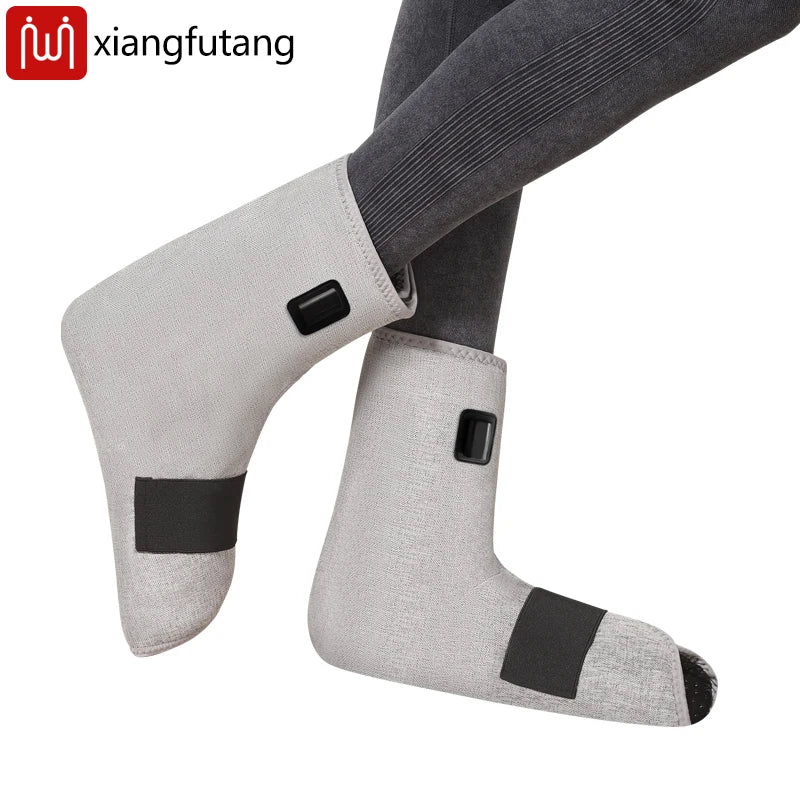
An ankle support wrap designed for everyday comfort — See it in action
Common Mistakes When Wrapping an Ankle
- Wrapping too tightly and restricting circulation.
- Applying uneven pressure that creates pressure points.
- Skipping the figure-8 or heel-lock technique, reducing stability.
- Leaving the wrap on continuously without checking circulation.
- Using stretched-out bandages that no longer provide effective compression.
- Depending on wrapping alone without rest, ice, or elevation.
How Long to Keep an Ankle Wrapped
Daytime Use
Wear the wrap during the day while swelling is present, especially during the first two to three days after injury. Remove it periodically to inspect your skin and circulation.
During Activity
Continue using compression while walking or performing light activities if it improves comfort and stability. If swelling increases afterward, elevate and ice the ankle.
When to Remove
Remove the wrap if your toes become cold, numb, or discolored, or if pain increases instead of improving. As swelling subsides over the following days, you may gradually reduce compression use.
Should You Sleep With a Wrapped Ankle?
In most situations, it is better to remove a compression wrap before going to bed unless your healthcare provider specifically recommends overnight compression. Blood flow naturally changes during sleep, and a wrap that felt comfortable during the day may become too tight overnight.
Instead, consider elevating your ankle on a pillow while sleeping to help minimize swelling without increasing pressure on the joint.
Troubleshooting & Safety Tips
- Wrap feels too tight? Remove it immediately if you notice numbness, tingling, blue toes, or increasing pain.
- Swelling isn't improving? Continue using rest, ice, compression, and elevation, but seek medical evaluation if swelling persists or worsens after several days.
- Pain returns after activity? Reapply compression and reduce activity temporarily.
- Need to rewrap? Remove the bandage completely before applying a fresh, even wrap rather than tightening the existing one.
- Lingering ankle swelling weeks later? Ongoing swelling after a sprain may indicate incomplete healing or a more significant injury and deserves professional assessment.
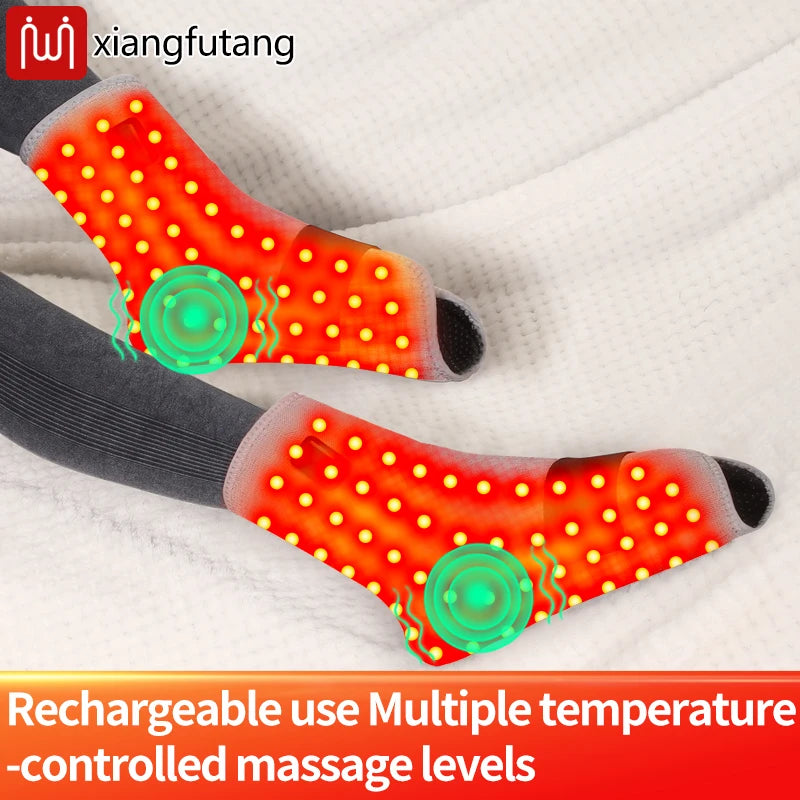
Support recovery with ankle compression and comfort — See it in action
Many users exploring comfort solutions also enjoy browsing the Beauty & Self-Care Blog for simple routines that fit busy lifestyles.
FAQs
How tight should an ankle wrap be?
Your ankle wrap should feel snug but comfortable. Your toes should remain warm, pink, and easy to move. If you notice numbness or tingling, loosen the wrap immediately.
Can wrapping make swelling worse?
Yes. Wrapping too tightly can restrict circulation and increase discomfort. Proper compression should support the ankle without cutting off blood flow.
How many hours a day should I keep my ankle wrapped?
Many people wear compression during daytime activities while swelling is present and remove it periodically to check circulation. Overnight use is generally not recommended unless advised by a healthcare professional.
Is compression enough or should I also ice and elevate?
Compression works best alongside R.I.C.E . Ice helps reduce pain, while elevation assists fluid drainage during the early stages of recovery.
Can I walk with a wrapped swollen ankle?
If you have a mild sprain and can bear weight comfortably, gentle walking with proper compression may be appropriate. Stop if pain worsens or the ankle feels unstable.
Related Guide: How to Use a Heating Pad for Ankle Pain Effectively













