

Does a Shoulder Heating Pad Really Work?
A shoulder heating pad electric can be highly effective for relieving upper shoulder stiffness and muscle tension. By delivering consistent, adjustable heat, it helps improve blood flow, relax tight muscle fibers, and reduce discomfort signals.
When results are noticeable: Many users feel relief within 10–20 minutes, especially for posture-related tightness or chronic stiffness.
Limitations: Heat therapy is less effective for acute injuries with swelling or inflammation, where cold therapy is more appropriate.
Who benefits most: People with desk-related tension, chronic stiffness, or muscle fatigue tend to experience the most consistent relief.
How to Use a Shoulder Heating Pad (Step-by-Step Guide for Safe & Effective Relief)
If your shoulders feel heavy, stiff, or achy after long hours at a desk or scrolling on your phone, you’re not alone. A shoulder heating pad electric offers fast, targeted warmth that helps reduce tension quickly. But using it correctly makes a big difference in how effective and safe it feels.
⏱ 6 min read
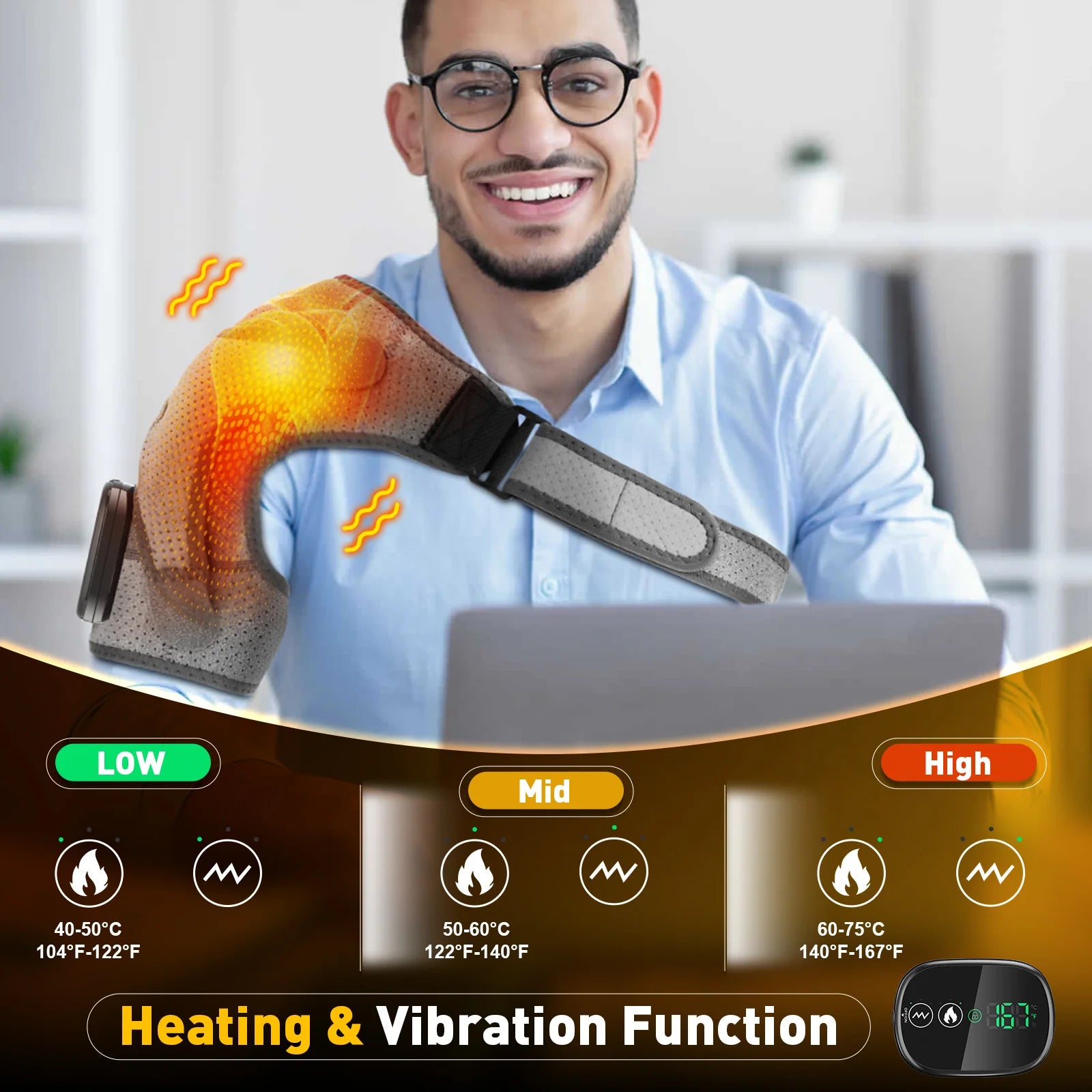
Targeted warmth meets daily comfort — shoulder heating pad electric See it in action
What Is a Shoulder Heating Pad and How It Works
A shoulder heating pad electric is a wearable heat therapy device designed to wrap around the shoulders and neck, delivering consistent warmth exactly where tension builds up.
Types: electric, vibration, massage pads
- Electric heating pads: Provide steady, adjustable heat
- Vibration pads: Add gentle massage for circulation
- Heat + massage combos: Combine warmth and rhythmic stimulation
Key benefits users notice quickly
- Relieves stiffness in 10–20 minutes
- Hands-free comfort for multitasking
- Adjustable heat levels for control
- Optional vibration for deeper relaxation
How Heat Therapy Works for Shoulder Pain Relief
Heat therapy works through a simple but effective physiological process. When applied to the shoulder, warmth causes blood vessels to expand, improving circulation and delivering oxygen and nutrients to tight muscles.
- Improves circulation: Speeds up recovery
- Relaxes muscle fibers: Reduces stiffness
- Reduces pain signals: Eases discomfort perception
This makes heat therapy especially effective for chronic tension, posture-related discomfort, and muscle fatigue.
Heat vs Cold Therapy: When Should You Use Each?
Choosing between heat and cold therapy depends on your symptoms.
- Use heat therapy: For stiffness, tight muscles, and chronic pain
- Use cold therapy: For swelling, inflammation, or recent injuries
Quick rule: Tight = heat. Swollen = cold.
Alternating both methods may improve recovery in some cases.
How to Set Up a Shoulder Heating Pad (Step-by-Step)
Unboxing and positioning
- Unfold and inspect the pad for any damage
- Position it over your shoulder and neck area
Powering and adjusting settings
- Connect to power or attach battery pack
- Select a low or medium heat setting
Fitting for shoulder and neck areas
- Secure straps for a snug fit
- Ensure even contact with the skin
How to Use a Shoulder Heating Pad Correctly
Step-by-step usage workflow
- Place the pad securely on your shoulder
- Start with a low heat setting
- Relax your posture for even heat distribution
- Adjust temperature gradually
- Use for 15–30 minutes
- Turn off after use
Best duration and temperature settings
- Duration: 15–20 minutes (up to 30 max)
- Temperature: Around 40°C to start
- Frequency: 1–3 sessions daily
Best times to use (morning, post-workout, night)
- Morning: Loosens stiffness
- After exercise: Supports recovery
- Before bed: Promotes relaxation
Positioning for different pain areas
- Upper traps: center pad on neck-shoulder junction
- Shoulder blade: shift pad slightly backward
- Neck tension: adjust higher placement
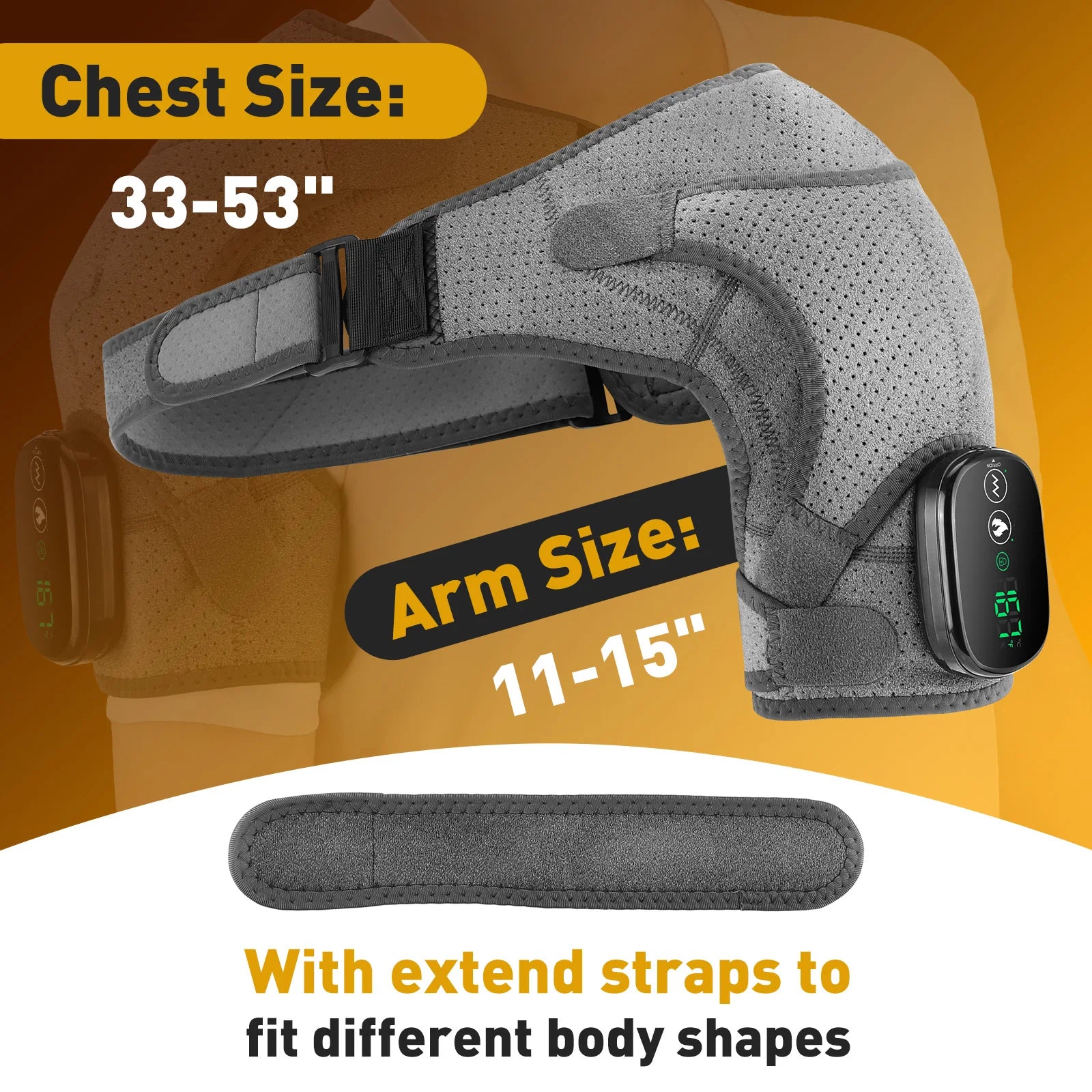
Simple setup, consistent warmth — electric shoulder and neck massager Feel the difference
How to Use Heating + Vibration Shoulder Pads
Combining heat with vibration enhances relaxation and circulation.
- Use vibration mode: When muscles feel deeply tight
- Start low intensity: Increase gradually
- Combine with heat: For faster relief
This dual approach helps reduce stiffness more effectively than heat alone.
Shoulder Heating Pad Safety Tips
Who should avoid heat therapy
- People with diabetes or nerve sensitivity
- Individuals with poor circulation
- Anyone with open wounds or skin irritation
Safe temperature and duration limits
- Limit sessions to 15–30 minutes
- Avoid high heat for extended periods
Skin protection and burn prevention
- Use over a thin clothing layer
- Check skin regularly
- Never sleep with device on
Common Mistakes to Avoid When Using a Heating Pad
- Starting with high heat immediately
- Using on fresh injuries
- Falling asleep during use
- Overusing without breaks
- Ignoring discomfort or irritation
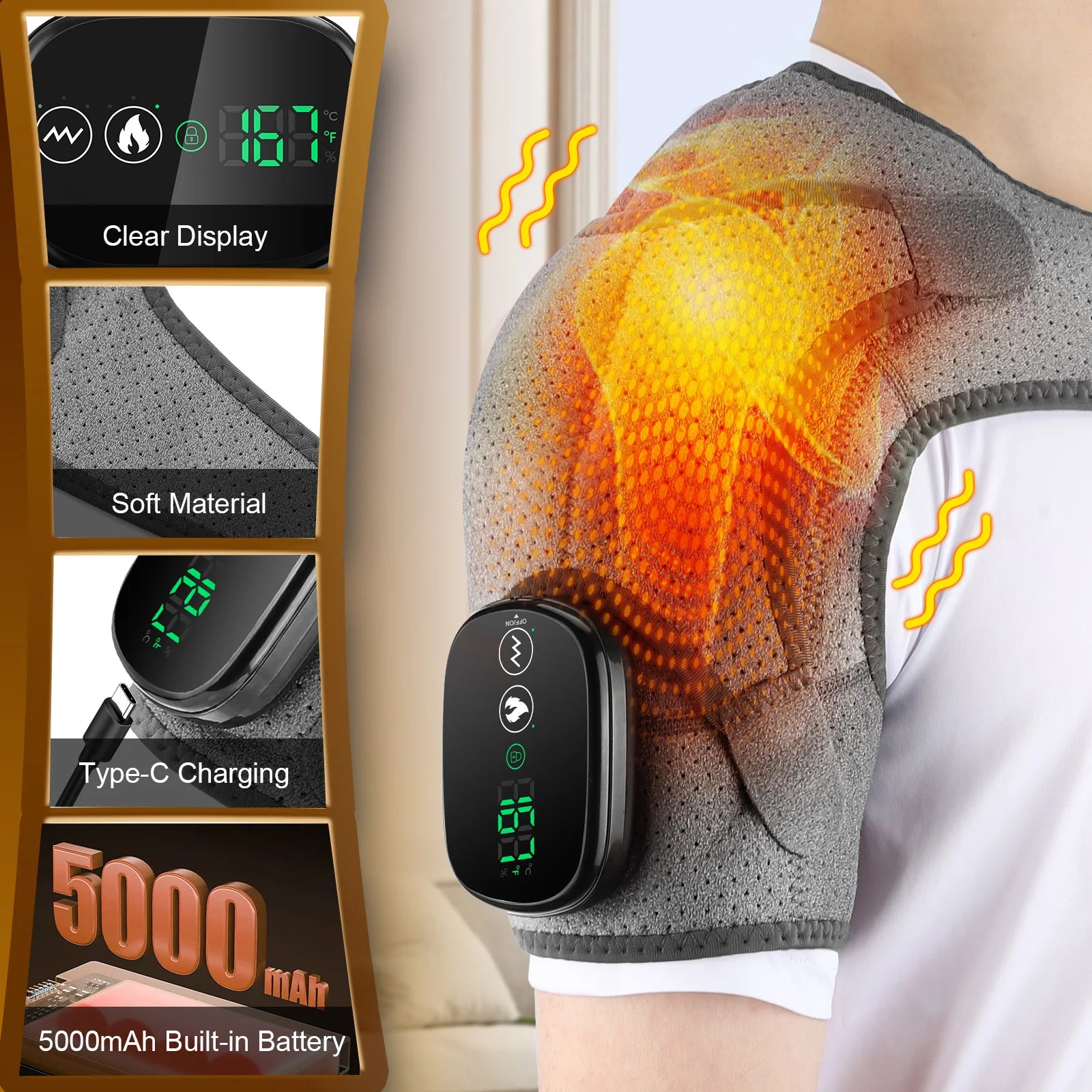
Designed for daily ease and recovery — battery massager convenience Try it today
Shoulder Heating Pad Troubleshooting Guide
Pad Not Heating
- Check power connection
- Ensure controller is attached
Uneven Heat Distribution
- Reposition the pad
- Check for internal wear
Too Hot or Uncomfortable
- Lower temperature
- Add a cloth barrier
Massage Function Not Working
- Activate vibration mode
- Check battery level
Cleaning and Maintenance Tips
- Unplug before cleaning: Always disconnect power
- Spot clean fabric: Use a damp cloth only
- Avoid soaking: Protect internal electronics
- Store properly: Keep in a dry, cool place
- Inspect regularly: Check for wear or damage
Shoulder Heating Pad FAQs
How long should I use a shoulder heating pad?
Use it for 15–30 minutes per session.
Is it safe to use a heating pad every day?
Yes, if used within safe time and temperature limits.
Should I use heat or ice for shoulder pain?
Use heat for stiffness and ice for swelling or injuries.
Can I use a heating pad on a shoulder injury?
Only for chronic injuries. Use cold therapy for recent ones.
What temperature is safe for a heating pad?
Start around 40°C and adjust gradually.
How do I position a shoulder heating pad correctly?
Place it directly over the affected area with full contact.
Related Guide: Techniques to Relax: Step-by-Step Shoulder Relief Guide













