

Heated Shoulder Massager vs Shoulder Heating Pad: Which Works Better for Shoulder Pain?
For most people with shoulder pain or upper back stiffness, the best choice depends on the source of the discomfort. A shoulder heating pad delivers consistent warmth that helps relax tight muscles and improve circulation, making it ideal for mild stiffness, stress-related tension, and everyday aches. A heated shoulder massager combines heat with kneading or vibration to target deeper muscle knots and persistent tension that heat alone may not fully relieve.
If you primarily need soothing comfort after long desk sessions, a heating pad is often enough. If you experience stubborn trigger points, post-workout soreness, or recurring muscle tightness, a heated shoulder massager typically provides faster and more comprehensive relief. The sections below compare effectiveness, comfort, safety, and value to help you decide.
Upper Back Stiffness Solutions: Heated Pads vs. Massagers
⏱ 8 min read
Upper back stiffness can quietly drain your energy, posture, and productivity long before it becomes truly painful. Whether you spend hours at a computer, commute daily, exercise regularly, or carry stress in your shoulders, muscle tension often builds gradually throughout the day. Fortunately, effective at-home relief doesn't always require medication. Heat therapy and massage therapy are both evidence-supported approaches for relieving muscle tightness, improving comfort, and helping restore normal movement when used appropriately.
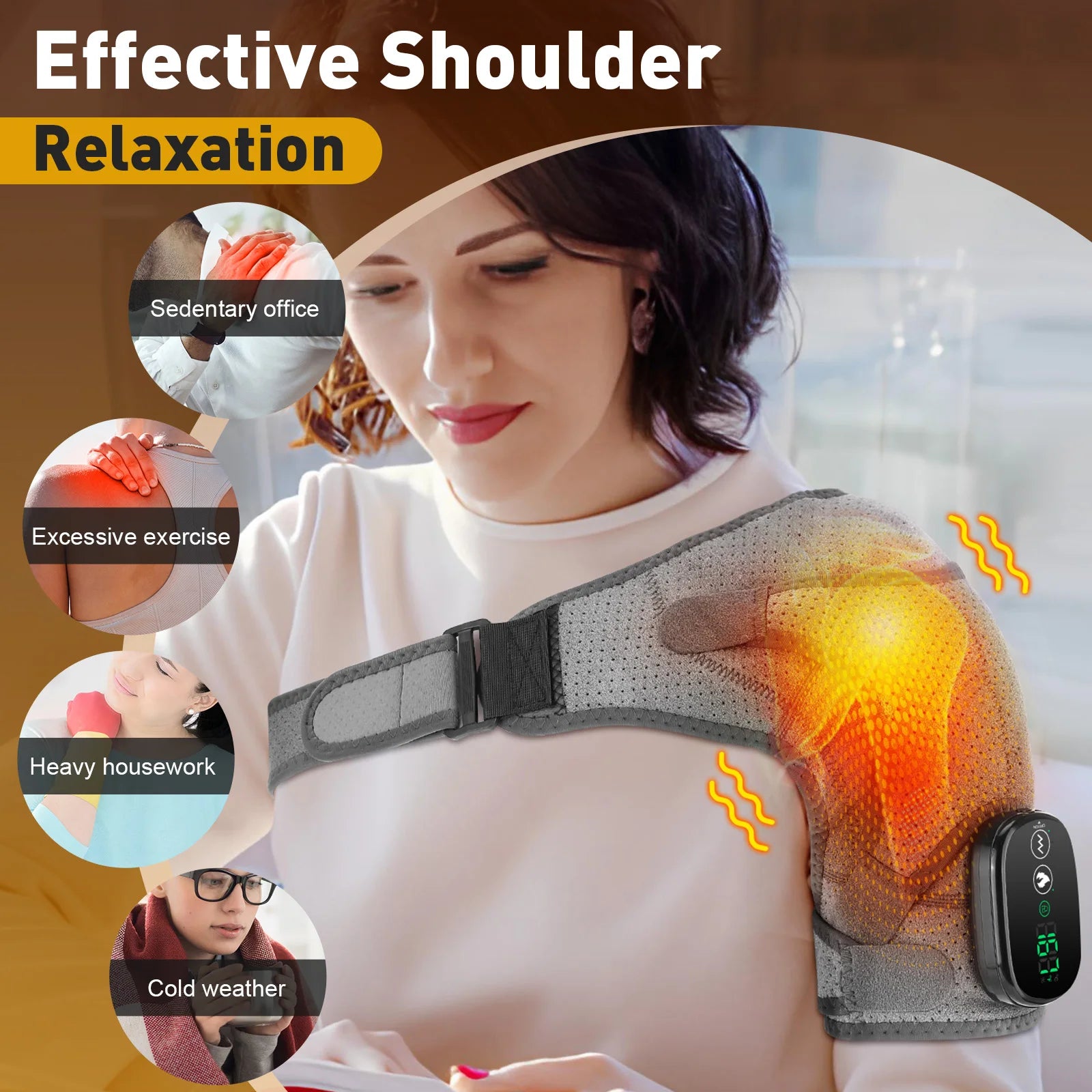
Upper back stiffness relief at home — See it in action
Heat Therapy vs Massage Therapy: How They Relieve Shoulder Pain Differently
How heat therapy works
Heat therapy raises the temperature of superficial muscles and soft tissues, increasing local blood flow and helping muscles relax. Better circulation delivers oxygen and nutrients while reducing the sensation of stiffness. Heat is especially useful for chronic muscle tightness, stress-related shoulder tension, and discomfort caused by prolonged sitting.
How massage therapy works
Massage applies mechanical pressure to muscles and connective tissue. Kneading, percussion, or vibration can help reduce muscle guarding, decrease trigger point sensitivity, and temporarily improve flexibility. Massage is often more effective than heat alone for dense muscle knots between the shoulder blades or after physically demanding activities.
When combining heat and massage is beneficial
Many people benefit from using both therapies together. Heat prepares muscles by increasing tissue flexibility, while massage works more effectively on loosened muscles. Devices that combine both functions can provide a more complete recovery session for people with recurring shoulder tightness, office-related posture strain, or exercise-induced muscle soreness.
Shoulder Heating Pad: Benefits, Limitations, and Best Uses
A shoulder heating pad is designed to wrap comfortably around the shoulders and upper back while providing even warmth across a broad treatment area. It works best for people whose pain is driven primarily by muscle tightness rather than deep trigger points.
Benefits
- Provides gentle, consistent warmth that encourages muscle relaxation.
- Helps reduce stiffness from prolonged computer work or driving.
- Comfortable during reading, television, or evening relaxation.
- Typically operates quietly with minimal maintenance.
- Covers a wide area of the neck, shoulders, and upper back.
Limitations
- Does not actively work deep muscle knots.
- Relief may develop gradually rather than immediately.
- Less effective for persistent trigger points or post-exercise tightness.
For users seeking simple daily comfort, a heating pad remains an excellent first-line option for maintaining flexibility and reducing recurring muscle tension.
Heated Shoulder Massager: Benefits, Limitations, and Best Uses
A shoulder massager heated combines warming therapy with kneading or vibration to address both surface stiffness and deeper muscular tension. Many electric shoulder massagers with heat are designed to simulate hand massage while maintaining soothing warmth throughout the session.
- Targets stubborn knots between the shoulder blades.
- Combines heat with massage for multi-layer muscle relief.
- Often includes adjustable intensity settings.
- Useful after workouts, lifting, or physically demanding work.
- Battery shoulder massager models improve portability for travel and office use.
Limitations
- Generally costs more than heat-only products.
- Massage intensity may feel too strong for acute tenderness.
- Corded models offer more power but reduce portability.
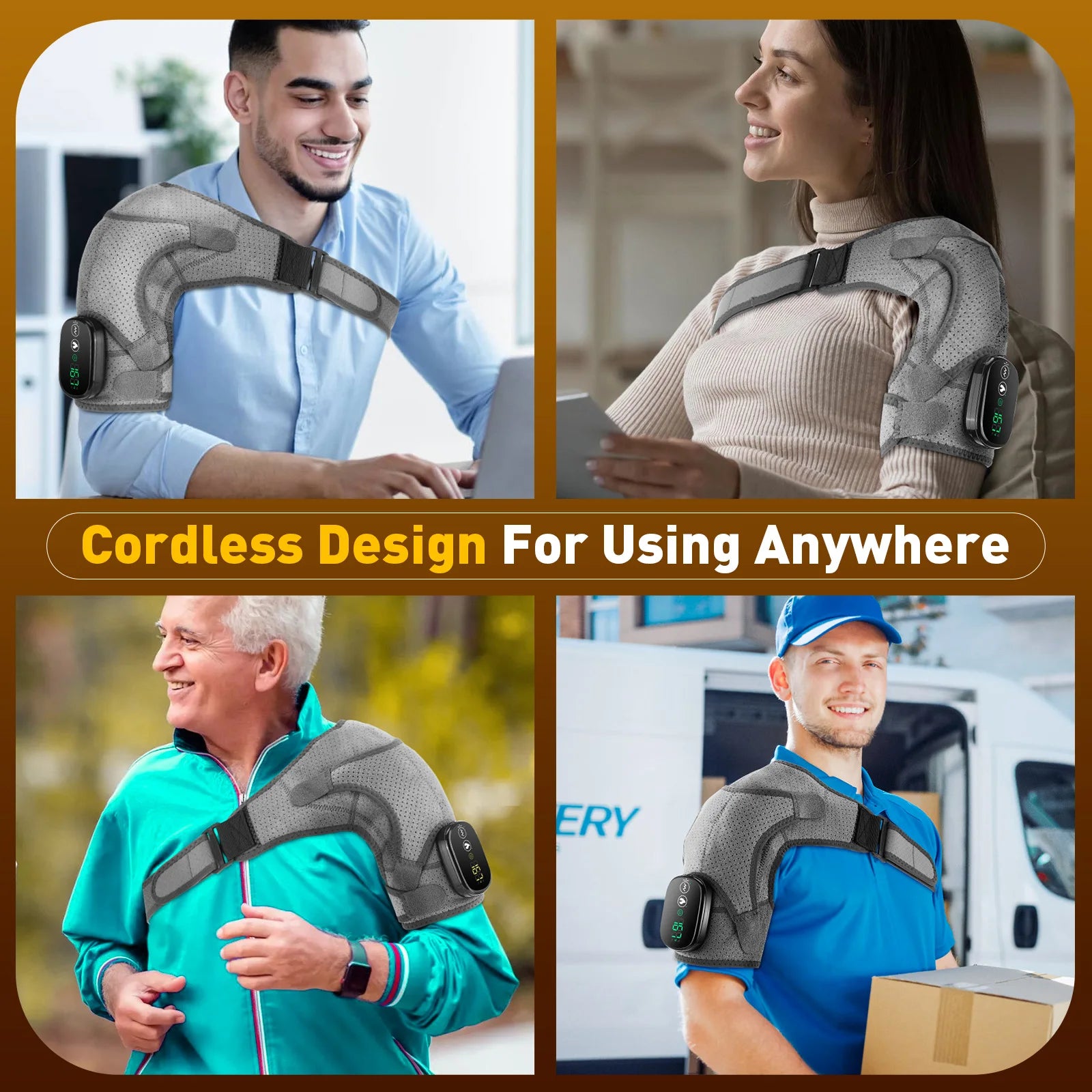
Deep relief for upper back stiffness — See it in action
Heated Shoulder Massager vs Shoulder Heating Pad: Side-by-Side Comparison
Pain relief effectiveness
| Feature | Shoulder Heating Pad | Heated Shoulder Massager |
|---|---|---|
| Primary relief method | Heat therapy | Heat plus massage |
| Best for | Mild stiffness, stress, daily comfort | Knots, chronic tension, muscle fatigue |
| Pain relief speed | Gradual | Typically faster |
| Muscle knot treatment | Limited | Excellent |
| Coverage | Wide shoulder area | Focused pressure zones |
Features and adjustability
Heating pads typically offer multiple temperature settings, while heated shoulder massagers often add massage direction, intensity, automatic timers, and programmable treatment modes for greater customization.
Comfort and coverage
Heating pads excel at providing broad, even warmth across both shoulders. Massagers concentrate pressure on specific muscles, making them better suited for localized trigger points.
Noise, maintenance, and durability
Heating pads are nearly silent and require little maintenance. Electric massagers contain moving parts that may generate modest operating noise but usually provide greater treatment versatility.
Price and long-term value
Heating pads are generally more affordable. Heated shoulder massagers require a larger upfront investment but may replace separate heat therapy and massage sessions for users who frequently experience muscle tightness.
Which Option Is Best for Your Situation?
Chronic shoulder pain
If recurring muscle tightness limits your daily comfort, a heated shoulder massager often delivers more noticeable relief by combining warmth with deeper muscle stimulation.
Office workers and posture strain
People who spend most of the day sitting often benefit from a shoulder heating pad during evening recovery, while occasional massage sessions can address developing trigger points.
Workout recovery
After strength training or repetitive lifting, massage helps reduce muscle tightness while heat encourages relaxation and improved circulation.
Arthritis and stiffness
Many individuals with chronic stiffness prefer gentle heat because it improves comfort without applying direct pressure to sensitive joints.
Travel and portability
Battery shoulder massager models provide convenient relief away from home, although plugged-in models generally offer stronger massage performance.
For more wellness tools that complement posture and muscle care, explore the Body Care and Health Devices collection.
Safety, Risks, and When to Avoid Heat or Massage
Although heat and massage are safe for most healthy adults, there are situations where they should be avoided or delayed.
- Avoid heat during the first 24 to 48 hours after an acute injury with significant swelling.
- Do not massage directly over fractures, open wounds, or severe bruising.
- People with reduced sensation or certain circulation disorders should consult a healthcare professional before using heated devices.
- Use most heating pads and heated massagers for approximately 15 to 20 minutes per session unless the manufacturer recommends otherwise.
- Stop treatment if pain increases, numbness develops, or symptoms worsen.
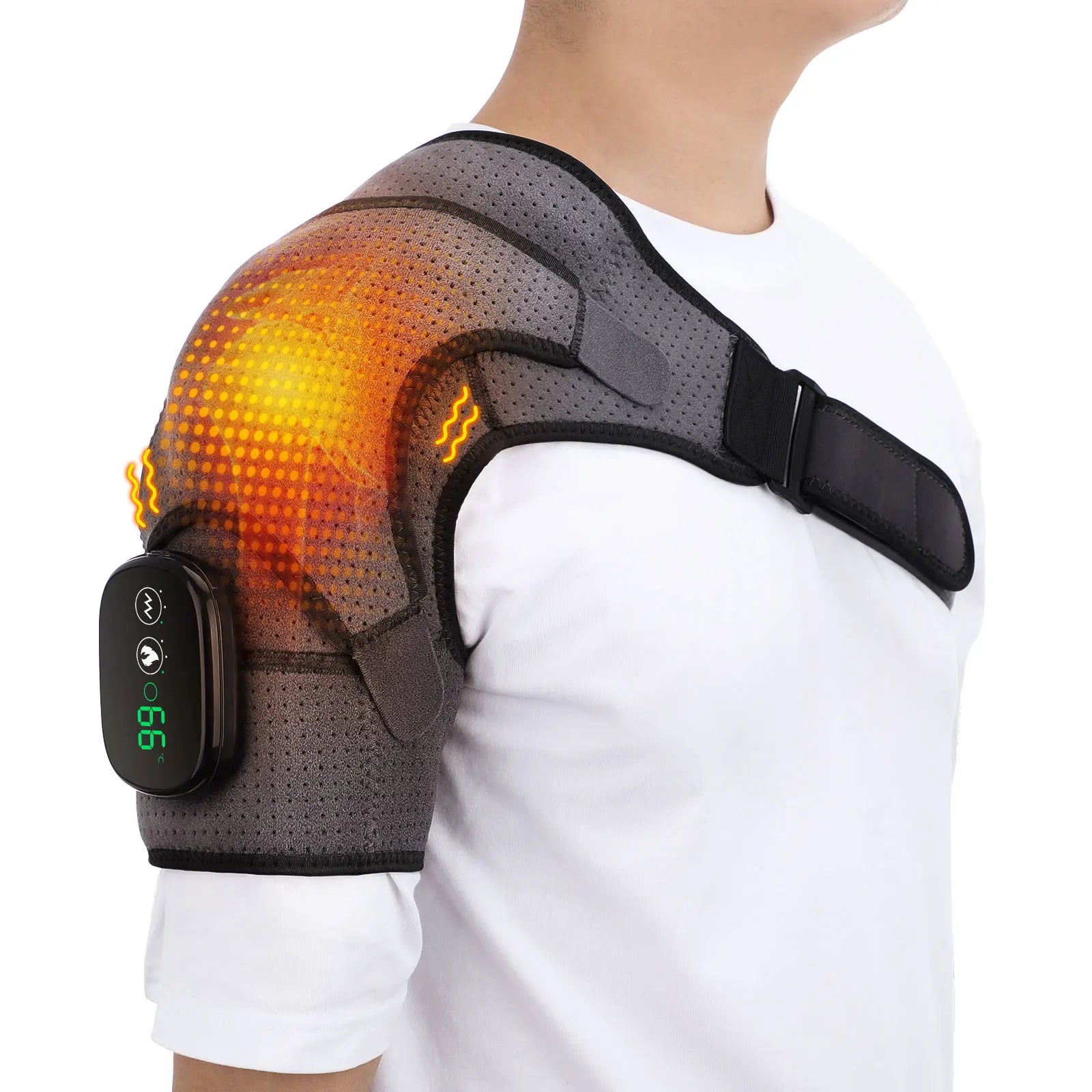
Heat combined with movement supports lasting comfort
Frequently Asked Questions
Is heat or massage better for shoulder pain?
Heat works best for general muscle stiffness and relaxation, while massage is often better for persistent muscle knots and deeper tension. Combining both therapies provides the broadest range of benefits for many users.
What is the difference between a heated shoulder massager and a shoulder heating pad?
A shoulder heating pad provides heat only, while a heated shoulder massager combines warming therapy with mechanical massage such as kneading or vibration for deeper muscle treatment.
Can I use heat and massage together?
Yes. Heat helps relax muscles before massage, making massage more comfortable and often more effective at reducing muscle tightness.
Which is better for arthritis shoulder pain?
Many people with arthritis find gentle heat particularly helpful for reducing morning stiffness. Massage may also help surrounding muscles but should be used gently if joints are sensitive.
Is a battery shoulder massager good for travel?
Battery-powered models are convenient for commuting, travel, and office use. Plug-in models typically provide stronger, more consistent massage power for home treatments.
How long should I use a shoulder heating pad or massager?
Most sessions last 15 to 20 minutes. Always follow the manufacturer's instructions and allow your skin and muscles time to recover between treatments.
Related Guide: How to Relieve Shoulder Tension: Top Methods Compared













