

Shoulder Massager with Heat: Best Models, Benefits & Proper Use Guide (2026)
Does a Shoulder Massager with Heat Really Work?
Yes. A shoulder massager with heat can help relieve muscle tightness, improve comfort, and promote relaxation by combining gentle heat therapy with massage techniques such as shiatsu kneading or vibration. While it is not a cure for injuries or chronic medical conditions, regular use may help reduce everyday muscle tension caused by prolonged desk work, exercise, driving, or travel.
What Research Suggests
Heat therapy helps increase blood flow to superficial muscles, while massage stimulates soft tissues and encourages relaxation. Together, these therapies may temporarily reduce stiffness, improve flexibility, and decrease the feeling of muscle soreness. Many users find the combination more comfortable than using either heat or massage alone, particularly after repetitive activities or long periods of poor posture.
When It Works Best
A heated shoulder massager is most effective for:
- Post-work muscle fatigue and recovery
- Neck and shoulder tension from computer work
- Everyday muscle stiffness caused by stress
- Recovery after long commutes or travel
- Relaxation before stretching or light mobility exercises
Expected Results Over Time
Many people notice temporary relaxation after a single 10–20 minute session. Consistent use several times per week, combined with healthy posture and regular movement, may provide more lasting improvements in comfort and shoulder mobility. Results vary depending on the cause of the discomfort and should not replace professional medical evaluation for persistent or worsening pain.
Which relief method actually fits your lifestyle? Explore the guide below to compare device types, understand their benefits, and learn how to use a shoulder massager with heat safely and effectively.
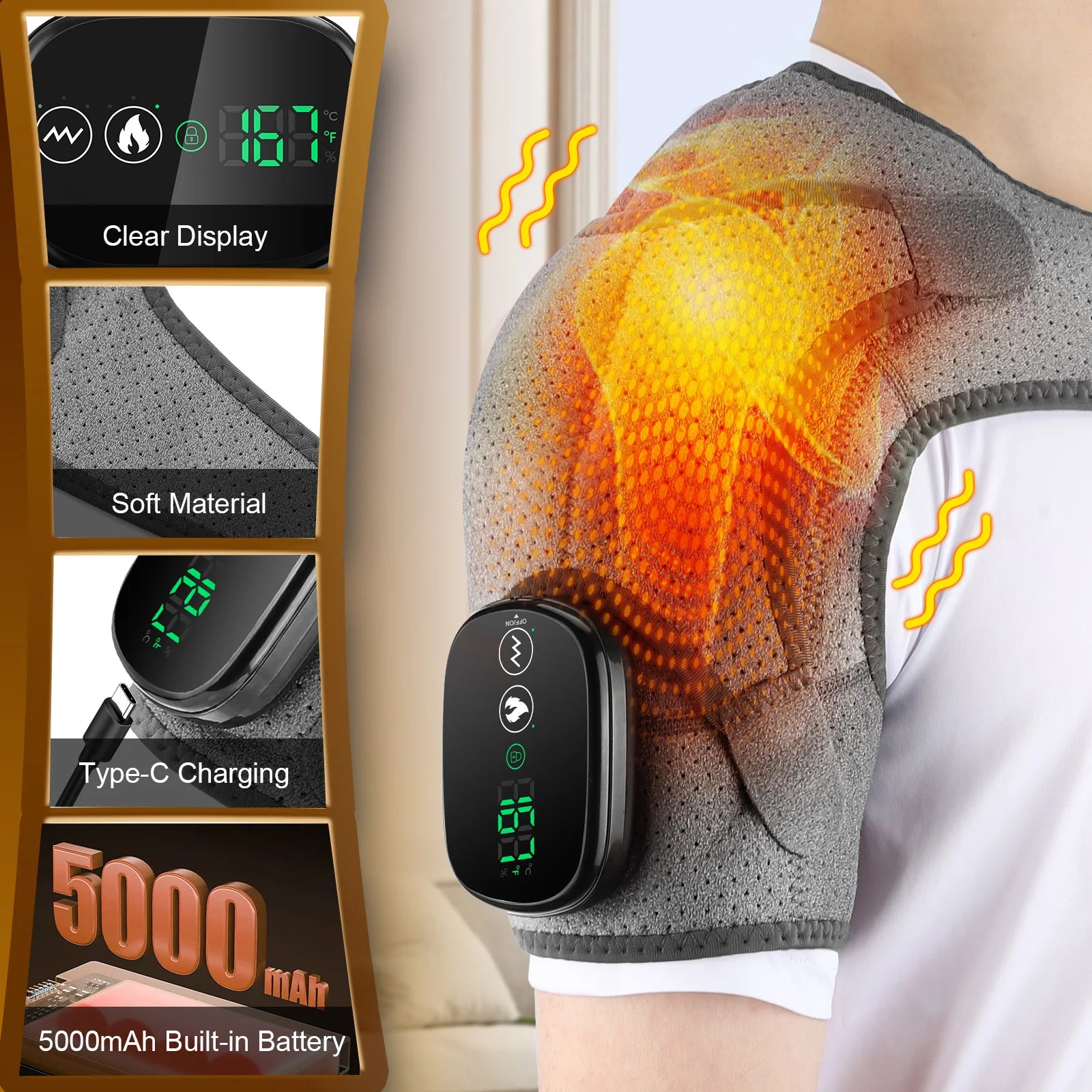
Therapeutic shoulder massage at home with a vibration massage device — See it in action.
Best Shoulder Massager with Heat (Top Picks Compared)
The best shoulder massager depends on how and where you plan to use it. Instead of focusing only on price, compare heat performance, massage style, portability, and overall comfort.
Quick Comparison Table (Features, Heat Levels, Portability)
| Model | Heat Levels | Massage Type | Portability | Best For |
|---|---|---|---|---|
| Model A | 2 Levels | Shiatsu | Cordless | Travel & office use |
| Model B | 3 Levels | Deep tissue kneading | Corded | Persistent muscle stiffness |
| Model C | 1 Level | Vibration | Lightweight | Occasional everyday relaxation |
Best Overall Shoulder Massager with Heat
A balanced model combines adjustable heat, comfortable shoulder coverage, ergonomic handles, and multiple massage nodes. This type of device works well for daily use, helping ease routine muscle tightness without requiring complicated controls.
Best Portable Shoulder Massager with Heat
Portable designs are ideal for commuters, remote workers, and frequent travelers. Cordless or rechargeable models are lightweight, easy to store, and convenient for short recovery sessions at home or in the office.
Best for Deep Tissue Relief
Shiatsu-style kneading systems generate firm, rotating pressure that reaches deeper muscle layers than simple vibration. These models are well suited for users who regularly experience stubborn knots or shoulder tightness after physical activity.
Best Budget Option
Entry-level heated shoulder massagers typically provide vibration massage and a single heat setting. Although they include fewer features, they can still offer comfortable relaxation for occasional muscle fatigue.
Shoulder Massager with Heat Benefits
Pain Relief for Stiff Shoulders
One of the primary shoulder massager with heat benefits is reducing muscle stiffness. Gentle warmth encourages muscles to relax, while massage helps decrease tension in the shoulders and upper back. This combination is especially helpful for office workers, students, and anyone spending long hours at a computer.
Muscle Recovery After Exercise
A heated shoulder massager for muscle recovery can help relax fatigued muscles after strength training, sports, or physically demanding work. Using it after exercise may improve comfort, making stretching and recovery routines feel easier.
Reduced Neck and Shoulder Tension
Muscle tightness often affects both the neck and shoulders at the same time. Regular sessions can help ease tension that develops from stress, repetitive movements, or maintaining the same posture for extended periods.
Stress Relief and Better Blood Flow
Rhythmic massage combined with soothing heat encourages relaxation and supports healthy circulation in the treated area. Many users incorporate short sessions into their evening routine to unwind after work or before bedtime.
Heat Levels, Massage Modes, and Massage Node Types Explained
Low vs High Heat
Most heated shoulder massagers offer one or more temperature settings to suit different comfort levels. Lower heat settings are ideal for gentle daily relaxation or warming muscles before activity, while higher settings provide a deeper warming sensation for stubborn muscle tightness. The goal is comfortable warmth rather than excessive heat, as overly high temperatures may irritate sensitive skin.
Shiatsu vs Vibration vs Percussion
- Shiatsu: Rotating massage nodes imitate the feeling of hand kneading, making them an excellent choice for deep muscle tension and persistent knots.
- Vibration: Provides gentle stimulation that helps promote relaxation with minimal pressure, making it suitable for light muscle fatigue and stress relief.
- Percussion: Delivers rapid pulses into the muscles, making it popular among athletes and active individuals seeking post-workout recovery.
Choosing the Right Intensity
The most effective massage mode depends on your needs. Gentle vibration works well for daily comfort, shiatsu offers a deeper massage for stiff shoulders, and percussion is generally preferred for recovery after demanding physical activity. Adjustable intensity settings allow you to customize each session as your muscles relax.
How to Use a Shoulder Massager with Heat (Step-by-Step Guide)
Shoulder Massager with Heat Proper Use
Knowing how to use a shoulder massager with heat correctly improves both comfort and effectiveness while reducing the risk of overuse.
- Sit or stand in a comfortable, supported position with relaxed shoulders.
- Place the massager evenly across the shoulders so the massage nodes contact the tight muscles.
- Begin with the lowest heat and massage intensity to allow muscles to warm gradually.
- Increase intensity only if it remains comfortable, allowing the massage nodes to work across key pressure points.
- After the session, gently stretch your neck and shoulders and drink water to support recovery.
How Long to Use Shoulder Massager with Heat
If you're wondering shoulder massager with heat how long to use , most manufacturers recommend sessions lasting between 10 and 20 minutes. Many quality devices include an automatic shut-off feature that helps prevent excessive use while maintaining consistent treatment time.
Daily vs Weekly Usage Recommendations
- Daily: Suitable for mild desk-related stiffness or ongoing muscle tension when sessions remain within the recommended duration.
- 3–4 times per week: Appropriate for moderate soreness or regular recovery after physically demanding work.
- After exercise: Use within one to two hours after activity once your body has cooled down slightly to help ease muscle tightness.
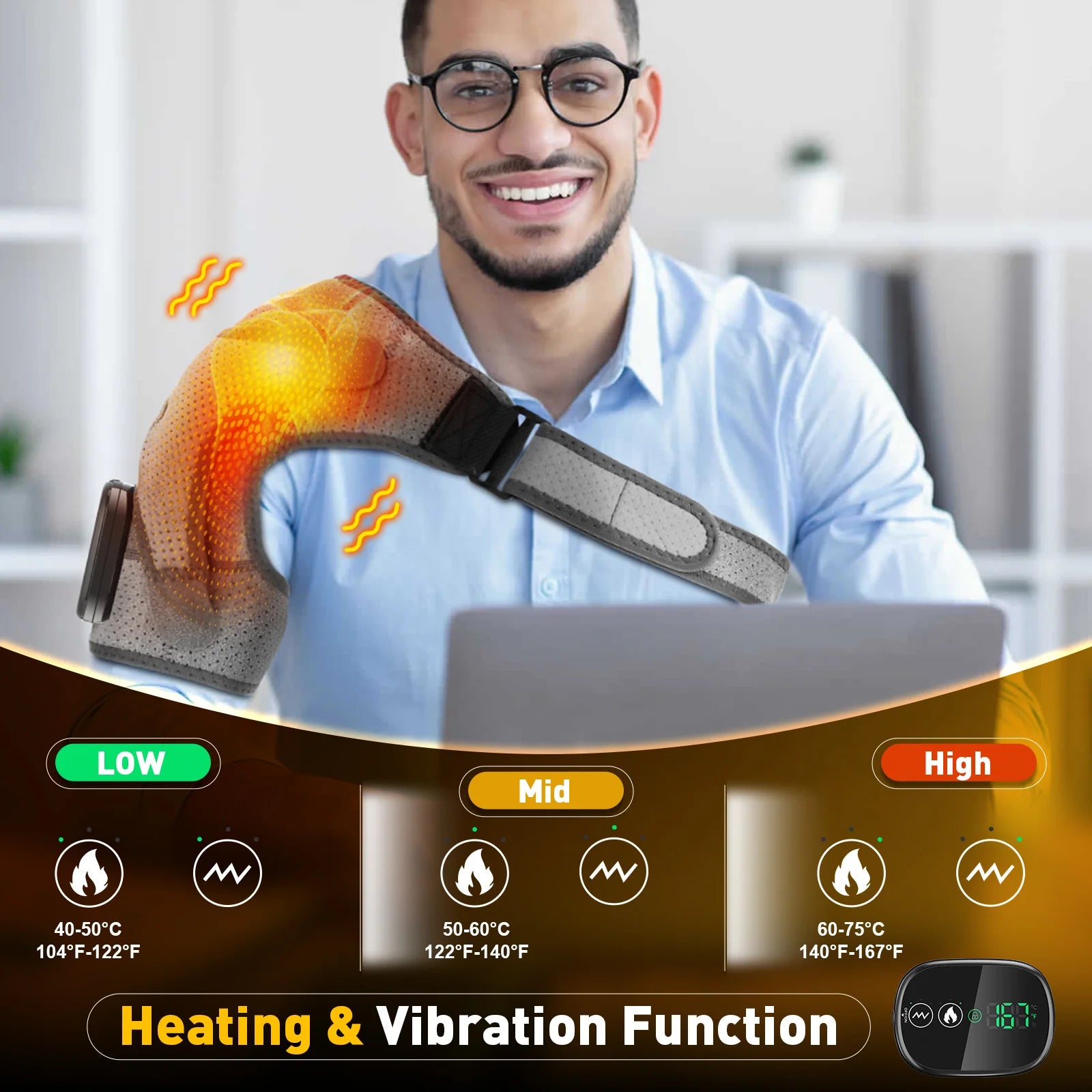
Using a shoulder massager with heat for recovery and relaxation — See it in action.
Is a Shoulder Massager with Heat Safe?
For most healthy adults, the answer to is shoulder massager with heat safe is yes when the device is used according to the manufacturer's instructions. Safe operation includes choosing comfortable heat levels, limiting session length, and avoiding use on injured or irritated tissues.
Who Should Avoid Heat Massage
Heat massage may not be appropriate if you have:
- Recent muscle tears or acute injuries
- Swelling or active inflammation
- Open wounds, burns, or irritated skin
- Reduced sensation that makes it difficult to detect excessive heat
- Medical conditions for which heat therapy has been discouraged by a healthcare professional
When to Consult a Healthcare Professional
Seek medical advice before using a heated shoulder massager if you experience severe or unexplained shoulder pain, persistent numbness or weakness, pain that follows a fall or accident, or symptoms that continue despite rest and self-care. Professional guidance is also recommended for individuals with chronic medical conditions affecting circulation or nerve function.
Safe Usage Tips
- Limit each session to 10–20 minutes.
- Begin with the lowest comfortable heat setting.
- Keep the device positioned over muscle tissue rather than directly over bones or joints.
- Avoid using the massager on broken, infected, or irritated skin.
- Never use the device while sleeping or if it causes discomfort.
Signs You're Overusing It
If you notice persistent redness, increased soreness, skin irritation, or discomfort that lasts after treatment, stop using the device until symptoms improve. Reducing the heat level, lowering massage intensity, or shortening future sessions can often improve comfort while still providing effective muscle relaxation.
How to Choose the Best Shoulder Massager with Heat
Selecting the best shoulder massager with heat depends on how often you plan to use it, where you'll use it, and the level of massage intensity you prefer. Comparing features beyond price helps you choose a device that delivers long-term comfort and reliable performance.
Corded vs Portable Models
Both corded and portable shoulder massagers with heat have advantages depending on your lifestyle.
- Corded models: Deliver continuous power without worrying about battery life, making them ideal for regular home use.
- Portable models: Rechargeable or battery-powered designs are convenient for travel, office breaks, commuting, and everyday flexibility.
Heat Settings & Intensity Levels
Choose a model with adjustable heat and multiple massage speeds. Variable settings allow you to start gently before increasing intensity as your muscles relax, making the device more comfortable for different users and recovery needs.
An ergonomic design should contour naturally around the shoulders while keeping the massage nodes in consistent contact with the target muscles. Comfortable handles or adjustable arm loops can help control pressure without requiring excessive effort during the session.
Price vs Value
Rather than focusing solely on cost, consider overall value. Durable construction, reliable motors, automatic shut-off, washable covers, multiple massage modes, and adjustable heat settings often provide a better long-term investment than the lowest-priced option.
Common Mistakes That Reduce Effectiveness
Even high-quality devices produce better results when used correctly. Avoiding these common mistakes helps maximize comfort while supporting safe, consistent use.
Using Too Much Pressure
Pressing the massage nodes aggressively into sore muscles may increase discomfort rather than improve relief. Let the device provide the pressure it was designed to deliver instead of forcing additional weight onto the shoulders.
Sessions That Are Too Long
Longer sessions do not necessarily provide better results. Exceeding the recommended treatment time may contribute to temporary skin irritation or muscle sensitivity. Following the manufacturer's suggested session length is generally the safest approach.
Ignoring Pain Signals
Mild muscle tenderness during massage can be normal, but sharp pain, burning sensations, or increasing discomfort are signs to stop using the device. Persistent symptoms should be evaluated by a healthcare professional.
Poor Device Positioning
Incorrect placement reduces the effectiveness of both the heat and massage functions. Position the device so the massage nodes contact the tight muscles across the upper shoulders rather than resting mainly on the neck or collarbone.
Heat Massage vs Massage-Only Devices vs Manual Therapy
Each recovery option offers different advantages depending on your goals, available time, and personal preferences.
| Method | Primary Benefit | Best For | Potential Limitation |
|---|---|---|---|
| Heated shoulder massager | Heat combined with massage | Daily muscle tension and convenient home use | Limited treatment area |
| Massage-only device | Mechanical muscle stimulation | Users who do not want heat therapy | Less relaxing for stiff muscles |
| Manual massage therapy | Personalized treatment | Targeted soft tissue work | Higher cost and appointment scheduling |
| Stretching and mobility exercises | Improved flexibility | Long-term posture and movement | Requires consistency |
A heated shoulder massager is often the most practical option for routine maintenance because it combines warmth and massage in a portable format that can be used at home whenever needed.
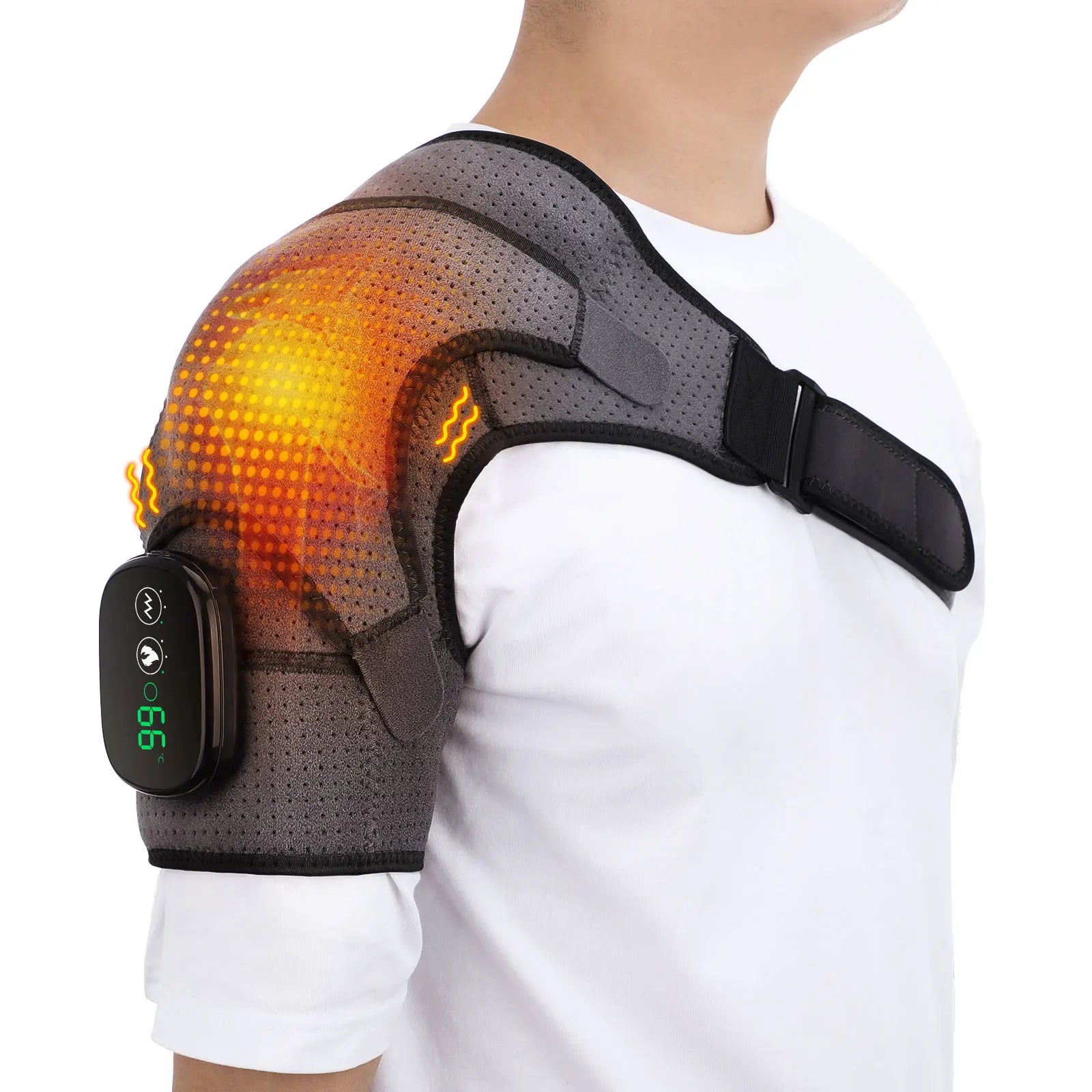
Relaxing shoulders anywhere with portable massage support — See it in action.
Who Should Use a Heated Shoulder Massager?
A heated shoulder massager is designed for anyone looking to reduce everyday muscle tension, improve relaxation, or support recovery after physical activity. While individual results vary, the following groups often benefit the most from regular, moderate use.
Office Workers
People who spend hours working at a computer commonly develop shoulder and upper back tightness from prolonged sitting and repetitive movements. A shoulder massager with heat for stiff shoulders can help relax tense muscles during breaks or after the workday, especially when combined with stretching and improved workstation ergonomics.
Athletes and Active Individuals
A heated shoulder massager for muscle recovery can be a useful addition to a post-workout routine. Gentle heat and massage may help reduce muscle tightness after strength training, recreational sports, or physically demanding jobs, making recovery sessions more comfortable.
People with Muscle Tightness
Whether muscle tension comes from stress, long drives, frequent travel, or repetitive daily tasks, consistent use within the recommended session length may help ease stiffness and promote relaxation. It works best as part of a broader recovery routine that includes regular movement and healthy posture.
Older Adults
Many older adults appreciate the soothing warmth and gentle massage offered by these devices. Those with underlying medical conditions, reduced sensation, or circulation concerns should consult a healthcare professional before beginning heat therapy to ensure it is appropriate for their individual needs.
For broader recovery options, explore our Body Care and Health Devices collection.
FAQs About Shoulder Massagers with Heat
How long should I use a shoulder massager with heat each session?
Most manufacturers recommend sessions lasting 10–20 minutes. Staying within this range helps maximize comfort while reducing the likelihood of skin irritation or muscle sensitivity.
Can I use a shoulder massager with heat every day?
Yes. Daily use is generally appropriate for healthy adults when the device is used according to the manufacturer's instructions and sessions remain within the recommended duration.
Is a shoulder massager with heat safe for older adults?
It can be, provided the heat setting is comfortable and there are no medical conditions that make heat therapy unsuitable. Older adults with circulatory problems, diabetes, or reduced skin sensation should seek medical advice before regular use.
Can heat massage help with chronic shoulder pain?
Heat massage may temporarily reduce muscle tension and improve comfort, but it does not treat the underlying cause of chronic shoulder pain. Persistent, severe, or recurring symptoms should be evaluated by a qualified healthcare professional.
Should I use heat before or after exercise?
For general muscle relaxation, many people prefer using a heated shoulder massager after exercise to help ease post-workout tightness. Before activity, brief low-heat sessions may help loosen stiff muscles, but they should not replace a proper warm-up.
What's the difference between Shiatsu and percussion massage?
Shiatsu massage uses rotating nodes that imitate kneading motions to work through muscle tension, while percussion massage delivers rapid pulses that target deeper muscle recovery. The better option depends on whether your goal is relaxation or intensive recovery.
Can I use a shoulder massager while sitting at my desk?
Yes. Many portable models are designed for seated use, making them suitable for short breaks during the workday. Avoid becoming distracted while using the device, and discontinue use if it interferes with safe posture or concentration.
How do I clean and maintain a heated shoulder massager?
Unplug or power off the device before cleaning. Wipe the exterior with a soft, slightly damp cloth and follow the manufacturer's instructions for removable fabric covers, if included. Store the massager in a cool, dry location and avoid tightly wrapping the power cord around the device to help extend its lifespan.
Related Guide: Techniques to Relax: Step-by-Step Shoulder Relief Guide













