

Does shoulder overuse injury treatment really work?
Yes. Shoulder overuse injury treatment is highly effective when the underlying cause is addressed early and recovery progresses in stages. Most people improve with a combination of temporary activity modification, targeted rehabilitation exercises, pain management strategies, and gradual strengthening.
The primary goals of treatment are to reduce pain and inflammation, restore normal shoulder movement, rebuild strength, and prevent the injury from returning. Mild cases often improve within a few weeks, while more significant tendon or muscle irritation may require several months of consistent rehabilitation.
Shoulder Overuse Injury Treatment: Step-by-Step Recovery Guide That Actually Works
Shoulder overuse injuries often develop gradually before interfering with work, exercise, sleep, or everyday tasks like reaching overhead. Whether your symptoms come from repetitive lifting, sports, prolonged desk work, or poor posture, early treatment can help restore mobility and reduce discomfort before the condition becomes chronic.
⏱ 6 min read
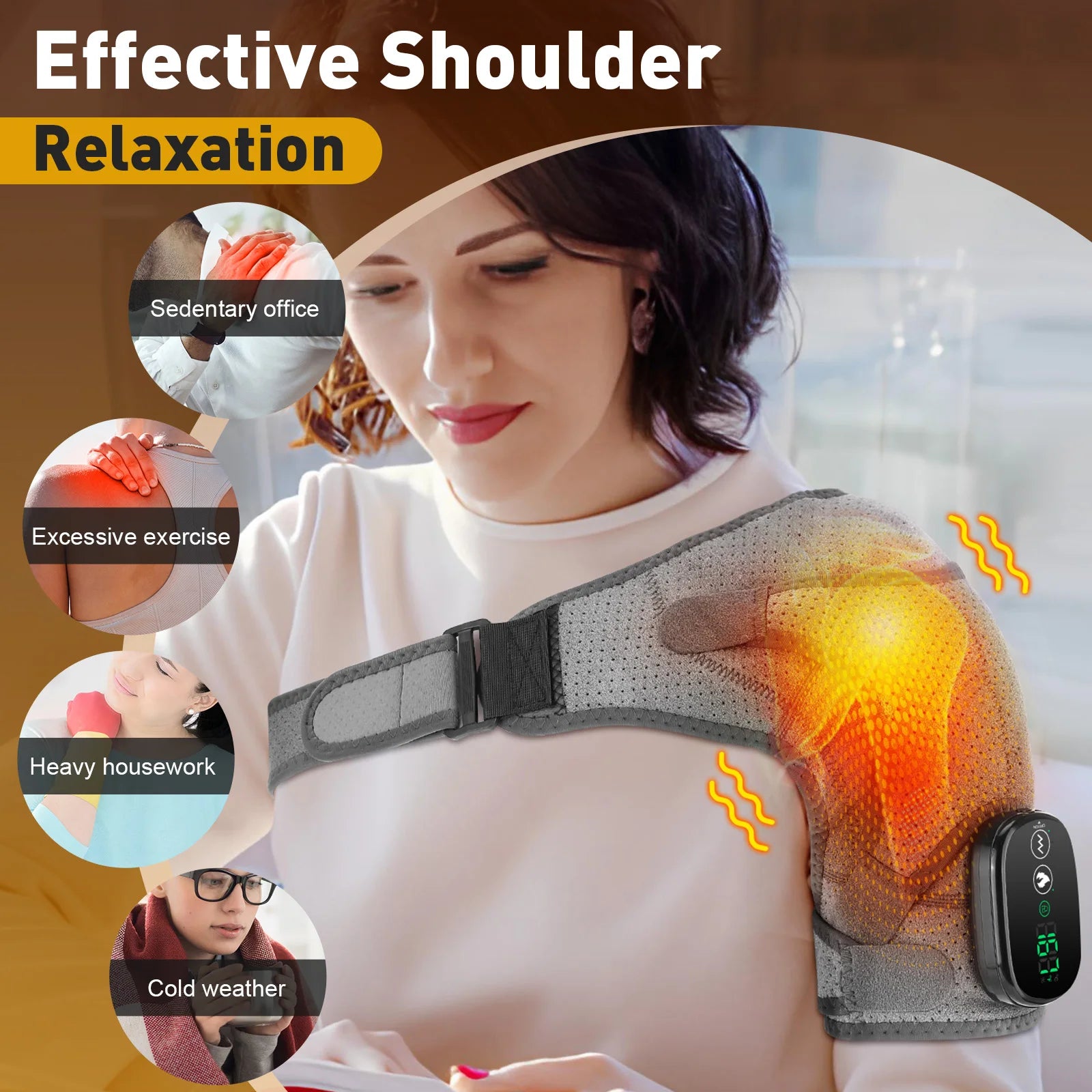
Targeted care for shoulder overuse injury can restore comfort faster. See it in action.
Quick Shoulder Overuse Injury Self-Assessment
Signs It May Be an Overuse Injury
- Pain developed gradually rather than after one specific accident.
- Symptoms worsen during repetitive work, lifting, or sports.
- Rest temporarily improves discomfort.
- Morning stiffness or muscle tightness improves with gentle movement.
- You notice weakness only after prolonged activity.
If several of these apply, an overuse injury is more likely than an acute traumatic injury, although a healthcare professional can confirm the diagnosis.
Red Flags That Need Immediate Medical Care
- Sudden inability to lift the arm.
- Visible shoulder deformity after trauma.
- Severe swelling or bruising.
- Numbness, tingling, or loss of sensation.
- Persistent night pain accompanied by fever or unexplained weight loss.
These symptoms may indicate a fracture, tendon rupture, dislocation, infection, or another condition requiring urgent evaluation.
What Is a Shoulder Overuse Injury?
A shoulder overuse injury occurs when repeated movements place more stress on muscles, tendons, ligaments, and supporting structures than they can recover from between activities. Instead of a single traumatic event, tiny amounts of damage accumulate over time, eventually causing pain, stiffness, and reduced function.
Shoulder Anatomy and Injury Mechanism
The shoulder relies on the rotator cuff, shoulder blade muscles, tendons, bursae, and ligaments working together to stabilize the joint. Repetitive reaching, throwing, lifting, or prolonged poor posture can overload these tissues, especially when recovery time is inadequate.
Common Types of Shoulder Overuse Injuries
- Rotator cuff tendinopathy
- Subacromial bursitis
- Shoulder impingement syndrome
- Biceps tendinitis
- Muscle strain involving the deltoid or surrounding stabilizers
What Causes Shoulder Overuse Injuries?
Most shoulder overuse injuries develop when repetitive stress exceeds the body's ability to repair tissue between activities.
- Frequent overhead lifting or throwing
- Poor workstation ergonomics and rounded shoulders
- Rapid increases in training volume or intensity
- Weak rotator cuff or shoulder blade stabilizers
- Limited flexibility in the chest or upper back
- Poor lifting or exercise technique
- Insufficient recovery between workouts or work shifts
These factors commonly lead to tendon irritation, muscle tightness, inflammation, and gradual loss of shoulder mobility.
Shoulder Overuse Injury Symptoms (And How to Tell It’s Overuse, Not Acute Injury)
Recognizing symptoms early can shorten recovery time and reduce the likelihood of long-term shoulder dysfunction.
Common Shoulder Overuse Injury Symptoms
- Dull aching pain that gradually worsens during activity
- Stiffness or reduced range of motion
- Muscle tightness around the shoulder and upper arm
- Weakness during lifting or rotation
- Pain that improves with rest but returns after repetitive activity
- Difficulty reaching overhead or behind the back
Overuse Injury vs Acute Injury
- Overuse injury: develops gradually from repetitive stress with no single traumatic event.
- Acute injury: causes sudden pain immediately after a fall, collision, or forceful movement.
How to Treat Shoulder Overuse Injury: A Staged Recovery Plan
Successful shoulder rehabilitation progresses through several phases rather than trying to eliminate pain immediately.
Phase 1: Reduce Pain and Inflammation
- Temporarily reduce aggravating activities.
- Apply ice for 15–20 minutes several times daily during the first 48 hours if inflammation is present.
- Maintain gentle movement to avoid excessive stiffness.
- Improve posture throughout the day.
Phase 2: Restore Mobility and Flexibility
- Begin pain-free stretching.
- Restore normal shoulder and upper back mobility.
- Avoid forcing painful ranges of motion.
Phase 3: Strengthen and Stabilize the Shoulder
- Gradually introduce resistance exercises.
- Strengthen the rotator cuff and shoulder blade stabilizers.
- Correct movement patterns that contributed to the injury.
Phase 4: Return to Work or Sport Safely
- Increase activity gradually.
- Resume overhead tasks only after strength and mobility improve.
- Continue maintenance exercises to reduce recurrence.
Shoulder Recovery Exercises by Recovery Stage
Recovery exercises should match your stage of healing rather than following an aggressive strengthening program immediately.
Early Mobility Exercises
- Pendulum swings
- Wall crawls
- Shoulder circles
Stretching Progression
- Cross-body stretch
- Doorway chest stretch
- Sleeper stretch if recommended by a clinician
Strengthening Progression
- Resistance band external rotations
- Scapular retractions
- Light dumbbell raises
- Rows with controlled movement
Exercises to Avoid
- Heavy overhead pressing during painful stages
- Rapid throwing or explosive movements
- Any exercise causing sharp or worsening pain
How Long Does a Shoulder Overuse Injury Take to Heal?
Mild
Most mild muscle strains or tendon irritation improve within 2–4 weeks with consistent home treatment.
Moderate
More significant tendon irritation typically requires 4–8 weeks of progressive rehabilitation.
Severe
Chronic tendon injuries or significant weakness may require 8–12 weeks or longer , especially if rehabilitation begins late.
Recovery depends on early treatment, adherence to exercise, avoiding repeated overload, sleep quality, and overall health.
How to Heal Shoulder Strain Fast (Evidence-Based Tips)
- Begin treatment soon after symptoms develop.
- Balance rest with gentle movement instead of complete immobilization.
- Transition from ice to heat once acute inflammation settles.
- Prioritize quality sleep to support tissue repair.
- Eat enough protein and nutrient-rich foods to support healing.
- Progress rehabilitation consistently instead of pushing through pain.
- Gradually increase activity rather than returning to full workload immediately.
Can Massage Help Shoulder Overuse Injury?
Therapeutic shoulder massage can be a useful addition to rehabilitation by reducing muscle tightness, improving circulation, and helping restore comfortable movement. It works best alongside exercise therapy rather than replacing it.
Benefits
| Benefit | How It Supports Recovery |
|---|---|
| Reduced muscle tightness | Improves comfort and range of motion |
| Improved circulation | Supports tissue recovery after activity |
| Relaxation | May improve sleep quality and reduce muscle guarding |
Limitations
Massage cannot repair torn tendons, correct severe structural injuries, or replace progressive strengthening exercises.
When to Avoid Massage
- Immediately after major trauma
- Over suspected fractures or dislocations
- When significant swelling or infection is present
- If massage substantially increases pain
Best Devices for Shoulder Pain Relief at Home
Home recovery devices can help maintain consistency between rehabilitation sessions by providing gentle heat and massage to reduce muscle tightness and improve comfort.
Heated shoulder massagers are most useful after the acute inflammatory phase, particularly before stretching or following prolonged workdays.
Explore supportive tools within Body Care and Health Devices .
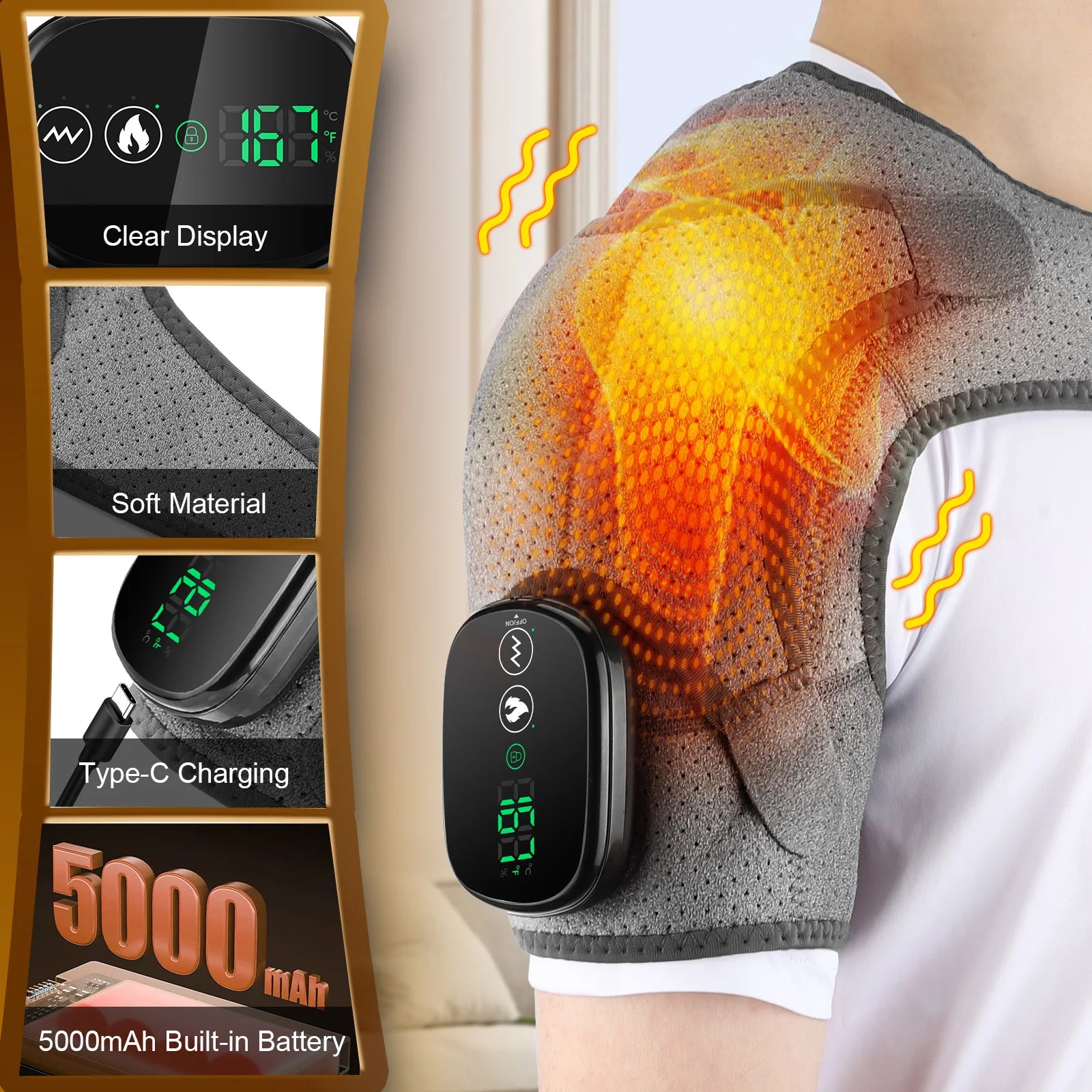
Therapeutic shoulder massage at home. See it in action.
Who Benefits Most?
- Office workers with prolonged sitting
- Athletes recovering from repetitive training
- People performing repetitive lifting at work
- Anyone following a structured home rehabilitation program
When Devices Should Not Be Used
- Immediately after acute trauma unless advised by a clinician
- Over open wounds or infected skin
- When heat increases swelling
- As a replacement for prescribed rehabilitation exercises
How to Prevent Shoulder Overuse Injury From Returning
Preventing recurrence requires ongoing strength, mobility, and smart workload management.
- Maintain proper posture during work.
- Strengthen the rotator cuff and upper back regularly.
- Alternate repetitive tasks whenever possible.
- Warm up before sports or lifting.
- Continue shoulder mobility exercises even after symptoms resolve.
- Use recovery tools to manage muscle tightness after demanding activities.
Explore more wellness tools in Lifestyle .

Consistent care keeps shoulder pain away. See it in action.
When to See a Doctor or Physical Therapist
- Pain persists beyond 2–3 weeks despite home treatment.
- Progressive weakness develops.
- You cannot lift the arm normally.
- Pain interrupts sleep consistently.
- Symptoms follow significant trauma.
Your clinician may recommend imaging, including ultrasound or MRI, if a tendon tear or other structural injury is suspected or recovery is slower than expected.
Frequently Asked Questions
What is the best treatment for shoulder overuse injury?
The most effective treatment combines temporary activity modification, progressive rehabilitation exercises, posture correction, and gradual strengthening. Supportive therapies like heat and massage may help relieve symptoms alongside exercise.
How long does a shoulder overuse injury take to heal?
Mild cases often recover within 2–4 weeks, while moderate injuries usually require 4–8 weeks. More severe or chronic conditions may need several months of rehabilitation.
Can massage help shoulder overuse injury?
Yes. Therapeutic massage can reduce muscle tightness and improve comfort, but it works best as part of a comprehensive rehabilitation program.
Should I use heat or ice first?
Ice is generally recommended during the first 24–48 hours when inflammation is most noticeable. Heat is often more beneficial later for reducing stiffness before stretching or exercise.
When do I need an MRI for shoulder pain?
Your healthcare provider may recommend an MRI if symptoms persist despite treatment, significant weakness develops, or a rotator cuff tear or other structural injury is suspected.
Can I continue working with an overuse shoulder injury?
Many people can continue working by modifying painful tasks and reducing repetitive overhead movements while following an appropriate rehabilitation program.
What sleeping position is best for shoulder pain?
Sleeping on your back or on the opposite side with a pillow supporting the injured arm often reduces pressure on the shoulder.
How can I prevent shoulder overuse injuries from coming back?
Maintain shoulder strength and flexibility, improve workplace ergonomics, progress training gradually, and address early warning signs before pain becomes persistent.
Feeling ready to take control of your shoulder comfort? Consistent rehabilitation and smart daily habits can help restore shoulder function and reduce the risk of future flare-ups.
Related Guide: Upper Arm Muscle Ache Solutions: Targeted Relief for Everyday Strain













