

Does pain in shoulder from sitting at desk really improve with relief devices?
Pain in shoulder from sitting at desk often improves when the right relief devices address posture strain and muscle tension together. Ergonomic supports reduce load on the neck and upper back, while therapeutic shoulder massage increases blood flow, loosens tight tissue, and helps calm nerves—delivering noticeable comfort within minutes for many desk workers.
Pain in Shoulder from Sitting at Desk? Causes, Fixes & Best Relief Options
⏱ 7 min read
Pain in shoulder from sitting at desk can creep in quietly—then dominate your workday. If long hours leave you stiff, distracted, or rubbing your neck between meetings, you’re not alone. The good news? You can fix both the cause and the symptoms with the right mix of posture, movement, and targeted relief tools.
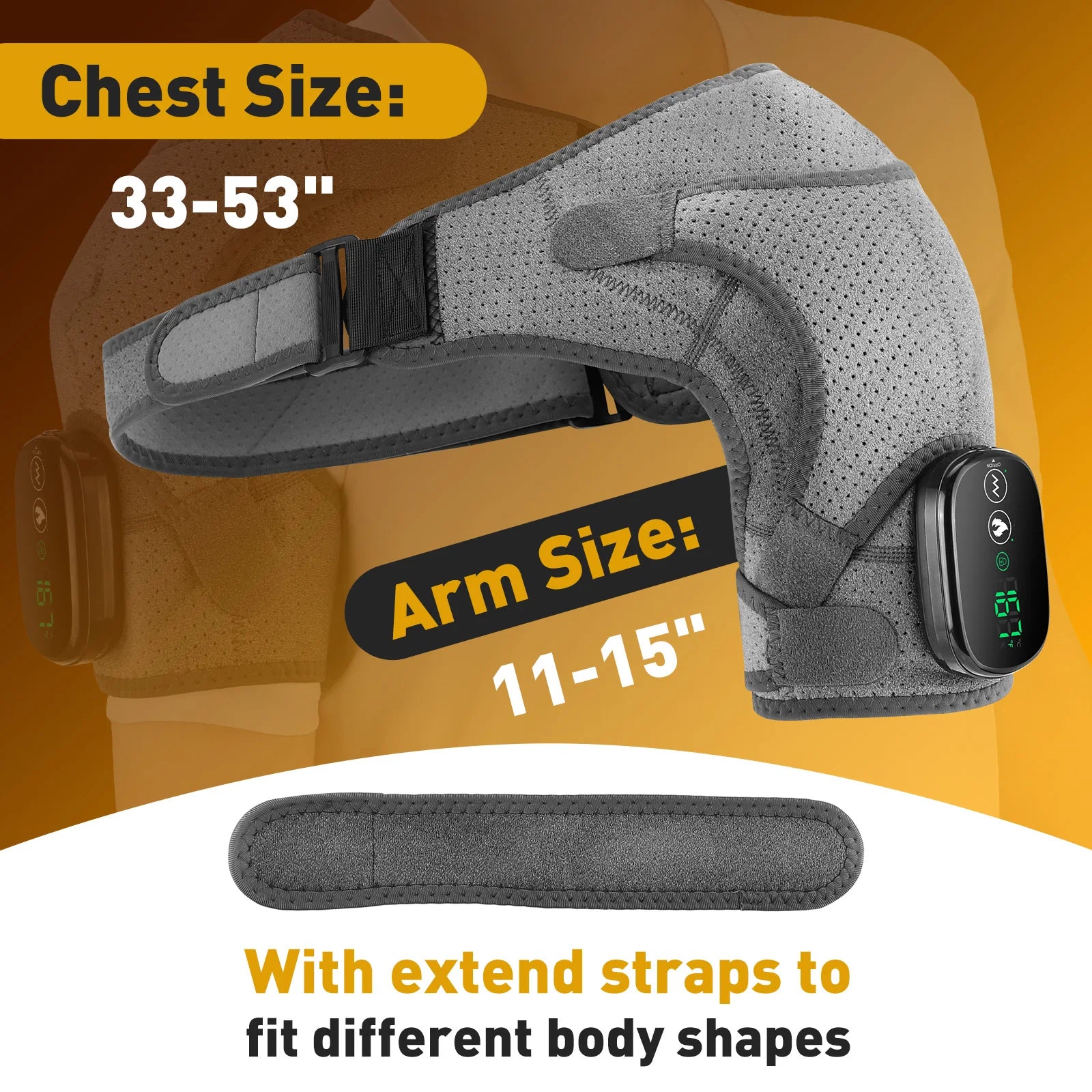
Pain in shoulder from sitting at desk relief at home or work — See it in action
What Causes Shoulder Pain from Sitting at a Desk?
Shoulder pain from sitting at a desk usually develops from a combination of poor posture, muscle imbalance, and long periods of inactivity. Understanding the root cause helps you choose the right fix instead of relying on temporary relief.
Poor posture and forward head position
When you lean toward your screen, your head shifts forward and your shoulders round inward. This position overloads the upper trapezius and neck muscles, creating tension and stiffness over time.
Muscle imbalance and tight shoulders
Desk work often weakens the upper back while tightening the chest and front shoulders. This imbalance pulls your shoulders forward, leading to tight shoulders from sitting at a desk and reduced mobility.
Prolonged sitting and reduced circulation
Staying in one position limits blood flow to muscles. Reduced circulation causes stiffness, fatigue, and that dull ache many people feel after long work sessions.
Poor workstation ergonomics
If your monitor is too low, your chair lacks support, or your keyboard is misaligned, your shoulders compensate. Over time, these small misalignments lead to chronic back and shoulder pain from sitting at a desk.
Why Does My Shoulder Hurt After Sitting at a Desk for Hours?
If your shoulder pain builds throughout the day, it's usually due to cumulative strain rather than a single issue. Small posture mistakes repeated for hours create muscle fatigue and tension.
As your muscles tire, your body shifts into less efficient positions—shoulders rise, neck tightens, and your upper back rounds. This leads to the familiar ache or sharp discomfort many desk workers experience by the end of the day.
Key takeaway: Consistent small corrections throughout the day matter more than one perfect posture moment.
How to Relieve Shoulder Pain from Desk Work (Quick 5-Minute Routine)
This simple routine helps reduce tight shoulders from computer work and restore mobility in just a few minutes.
1-minute posture reset
- Sit upright with feet flat on the floor
- Pull your shoulders back and down gently
- Align your ears over your shoulders
2-minute stretch sequence
- Neck side stretch (30 seconds each side)
- Cross-body shoulder stretch (30 seconds each side)
2-minute mobility activation
- Shoulder rolls (10 forward, 10 backward)
- Arm circles to increase blood flow
Doing this routine every 2–3 hours can significantly reduce pain in shoulder from sitting at desk and prevent stiffness from building up.
Compare Top Relief Devices Side by Side
| Device Type | Best For | Key Benefits | Considerations |
|---|---|---|---|
| Heated Shoulder Massager | Fast relief during work or after hours | Therapeutic shoulder massage, heat, portability | Needs power; intensity preference varies |
| Ergonomic Shoulder & Back Supports | Posture correction all day | Reduces load, supports alignment | No active massage |
| Stretch & Mobility Tools | Daily resets between tasks | Improves range of motion | Requires consistency |
Best Device for Shoulder Pain Relief (What Actually Works?)
Not all relief devices work the same. The best option depends on whether your pain comes from tension, posture, or lack of movement.
Heated massagers
These devices combine heat and vibration to relax tight muscles and improve comfort quickly—ideal for busy desk routines.
Ergonomic supports
Chairs, lumbar supports, and posture correctors reduce strain by keeping your spine and shoulders aligned throughout the day.
Stretching tools
Resistance bands and mobility tools help restore movement and fix tight shoulders from computer work over time.
How a Heated Shoulder Massager Eases Tension Fast
Pain in shoulder from sitting at desk responds well to heat plus motion. A heated shoulder massager delivers therapeutic shoulder massage that penetrates tight tissue, encouraging relaxation exactly where desk strain accumulates.
Direct answer: Relief can begin within 10–15 minutes as heat and kneading target the upper traps and neck.
- Targets common trigger points
- Heat enhances relaxation
- Hands-free for multitasking
- Portable for home or office use
Explore options within Body Care and Health Devices to see how massage and heat combine for daily comfort.
Looking for a focused option? The heated shoulder massager is designed for desk-bound routines, offering adjustable intensity so you stay in control.

Therapeutic shoulder massage for tight shoulders from sitting at desk — See it in action
When Ergonomic Supports Make the Biggest Difference
If pain builds gradually, stability can be the missing piece. Ergonomic supports encourage neutral alignment, reducing the constant strain placed on your shoulders.
- Encourages upright posture
- Reduces neck and shoulder load
- Works passively throughout the day
- Pairs well with massage devices
Pairing posture support with massage often delivers the most balanced relief—support during work, release afterward. Lifestyle-friendly options can be found in Lifestyle .
Shoulder Pain Ergonomic Tips for Desk Workers
Fixing your setup is one of the most effective ways to prevent shoulder pain from sitting at a desk.
Monitor and chair positioning
- Keep your monitor at eye level
- Sit with your back fully supported
- Keep shoulders relaxed, not elevated
Keyboard and mouse alignment
- Keep elbows at a 90-degree angle
- Position keyboard close to your body
- Avoid reaching forward for your mouse
Movement and break strategy
- Stand or stretch every 30–60 minutes
- Alternate between sitting and standing if possible
- Use reminders to avoid long static positions
Stretch & Mobility Tools for a Daily Reset
Using simple tools can make it easier to stay consistent with mobility work and reduce shoulder stiffness during the day.
- Resistance bands for shoulder activation
- Massage balls for trigger point release
- Foam rollers for upper back tension
These tools complement ergonomic changes and help relieve shoulder pain from desk work more effectively.
How to Fix Tight Shoulders from Computer Work Long-Term
Lasting relief requires more than quick fixes. To permanently reduce tight shoulders from sitting at a desk, you need to address posture, strength, and daily habits.
- Strengthen upper back muscles to support posture
- Stretch chest and front shoulders daily
- Maintain consistent movement throughout the day
- Combine ergonomic setup with regular mobility work
Over time, these changes help eliminate the root causes of shoulder pain instead of just masking symptoms.
How to Choose the Right Device for You
- Need fast relief? Choose heat + massage.
- Need all-day prevention? Add ergonomic support.
- Need flexibility? Keep a stretch tool nearby.
- Want a simple start? Begin with one device and build.
Many users report noticeable comfort within the first week when combining posture awareness with a heated massage session after work.
For an all-in-one approach, revisit the heated shoulder massager and see why desk workers rely on it for consistent relief.

Back and shoulder pain from sitting at desk relief — See it in action
When to See a Doctor for Shoulder Pain
Most shoulder pain from desk work improves with posture correction and movement. However, you should seek medical advice if:
- Pain persists for several weeks despite changes
- You experience sharp or worsening pain
- There is numbness, tingling, or weakness
- Your range of motion is significantly limited
These symptoms may indicate a more serious issue that requires professional evaluation.
Quick Answers Desk Workers Ask
How long should I use a shoulder massager?
Most people feel relief in 10–20 minutes. Daily sessions help manage pain in shoulder from sitting at desk without overdoing it.
Can massage replace posture changes?
Massage relieves tension, but combining it with posture support addresses the root cause for longer-lasting comfort.
Is heat safe during work hours?
Low, adjustable heat is generally comfortable for seated use. Choose settings that feel soothing, not intense.
Related Guide: How to Relieve Shoulder Tension: Top Methods Compared
UPGRADE PLAN { "outline": [ { "action": "MODIFY", "h2": "Shoulder Pain from Sitting at Desk: Causes, Fixes & Relief Guide", "h3": [], "focus": [ "Introduce desk-related shoulder pain problem", "Explain connection between prolonged sitting and muscle tension", "Preview causes, quick relief, ergonomics, and prevention" ], "keywords": [ "shoulder pain from sitting at desk", "pain in shoulder from sitting at desk", "why does my shoulder hurt after sitting at desk" ] }, { "action": "ADD", "h2": "Quick 5-Minute Relief Routine for Desk Shoulder Pain", "h3": [ "Posture reset exercise", "Neck and shoulder stretches", "Upper back mobility movements" ], "focus": [ "Provide immediate actionable relief", "Target tight shoulders from desk work", "Include step-by-step instructions and visuals" ], "keywords": [ "how to relieve shoulder pain from desk work", "tight shoulders from sitting at desk" ] }, { "action": "KEEP", "h2": "What Causes Shoulder Pain from Sitting at a Desk?", "h3": [ "Poor posture and forward head position", "Muscle imbalance and shoulder tension", "Long periods of sitting and reduced movement", "Incorrect workstation ergonomics" ], "focus": [ "Explain anatomy behind desk-related pain", "Connect posture habits to shoulder strain", "Explain common triggers for office workers" ], "keywords": [ "causes of shoulder pain from sitting", "back and shoulder pain from sitting at desk" ] }, { "action": "MODIFY", "h2": "Why Does My Shoulder Hurt After Sitting at a Desk for Hours?", "h3": [ "Common pain patterns and symptoms", "How muscle fatigue builds during desk work" ], "focus": [ "Help readers identify their pain source", "Explain stiffness, soreness, and tension", "Differentiate temporary discomfort from persistent pain" ], "keywords": [ "why does my shoulder hurt after sitting at desk", "pain in shoulder from sitting at desk" ] }, { "action": "ADD", "h2": "How to Set Up Your Desk to Prevent Shoulder Pain", "h3": [ "Monitor height and viewing angle", "Chair support and sitting position", "Keyboard, mouse, and arm placement" ], "focus": [ "Provide ergonomic setup checklist", "Explain correct shoulder-neutral posture", "Prevent recurring desk-related pain" ], "keywords": [ "shoulder pain ergonomic tips", "how to fix tight shoulders from computer work" ] }, { "action": "KEEP", "h2": "Shoulder Pain Ergonomic Tips for Desk Workers", "h3": [ "Monitor and chair positioning", "Keyboard and mouse alignment", "Movement breaks and daily habits" ], "focus": [ "Improve workplace habits", "Reduce repetitive strain", "Create sustainable prevention routine" ], "keywords": [ "shoulder pain ergonomic tips", "how to fix tight shoulders from computer work" ] }, { "action": "MODIFY", "h2": "Best Ways to Relieve Tight Shoulders from Computer Work", "h3": [ "Daily stretching routine", "Strengthening weak postural muscles", "Heat and massage therapy options" ], "focus": [ "Cover long-term recovery strategies", "Balance stretching and strengthening", "Introduce self-care options" ], "keywords": [ "tight shoulders from sitting at desk", "massage devices for shoulder pain" ] }, { "action": "KEEP", "h2": "Massage Devices for Shoulder Pain: Do They Help?", "h3": [ "Heated shoulder massagers", "Percussion and vibration devices", "When massage tools are useful" ], "focus": [ "Explain device benefits realistically", "Compare relief methods", "Avoid replacing ergonomic solutions with devices" ], "keywords": [ "massage devices for shoulder pain", "best device for shoulder pain relief" ] }, { "action": "MODIFY", "h2": "Best Device for Shoulder Pain Relief: What to Look For", "h3": [ "Heat therapy features", "Massage intensity and comfort", "Portability and safety features" ], "focus": [ "Guide product selection", "Match devices to user needs", "Include practical buying criteria" ], "keywords": [ "best device for shoulder pain relief", "massage devices for shoulder pain" ] }, { "action": "ADD", "h2": "Common Desk Habits That Make Shoulder Pain Worse", "h3": [ "Leaning forward toward the screen", "Keeping shoulders raised while typing", "Skipping movement breaks" ], "focus": [ "Highlight preventable mistakes", "Replace generic posture advice with examples", "Help readers self-correct" ], "keywords": [ "causes of shoulder pain from sitting", "shoulder pain ergonomic tips" ] }, { "action": "KEEP", "h2": "When to See a Doctor or Physical Therapist", "h3": [], "focus": [ "Identify warning signs", "Explain persistent or worsening symptoms", "Encourage professional evaluation when needed" ], "keywords": [ "shoulder pain from sitting at desk" ] }, { "action": "MODIFY", "h2": "Frequently Asked Questions About Desk Shoulder Pain", "h3": [ "How long should I use a shoulder massager?", "Can massage replace posture changes?", "Is heat safe for shoulder pain?", "How often should I stretch during desk work?" ], "focus": [ "Capture FAQ search queries", "Support FAQ schema", "Answer common user concerns" ], "keywords": [ "does massage help shoulder pain", "heat therapy for shoulder pain" ] } ], "internal_links": [ "neck pain relief exercises", "how to improve posture while working", "heat therapy benefits for muscle pain", "stretching exercises for neck and shoulders", "workplace ergonomics guide", "massage devices for pain relief", "heated neck and shoulder massager" ], "faq": [ "Why does my shoulder hurt after sitting at a desk?", "How do I relieve shoulder pain from desk work quickly?", "Can poor posture cause shoulder and upper back pain?", "How can I fix tight shoulders from computer work?", "Is a heating pad or shoulder massager good for desk-related pain?", "When should I see a doctor for shoulder pain?" ], "trim": [ "Reduce repeated product-focused sections because search intent is primarily informational", "Merge overlapping device comparison and device selection sections", "Avoid excessive promotion before explaining causes and solutions", "Replace generic relief claims with evidence-based guidance and practical routines" ] } Approved linked products: - heated shoulder massager (/products/heated-shoulder-massager) - heated shoulder massager (/products/heated-shoulder-massager) Product Rules - Keep all approved products. - Only approved products may contain affiliate links. - You may add real competitor products when useful. - Competitor products must not contain links unless already present. - Only create comparison tables when they genuinely improve the article. RULES - Apply every instruction in the Upgrade Plan. - Keep all existing affiliate links unchanged. - Keep all existing internal links unchanged. - Keep all existing image URLs unchanged. - Preserve sections such as Related Articles, Related Posts and Recommended Reading. - Avoid duplicate headings. - Insert new sections only where specified. - Improve clarity, topical coverage, EEAT and readability. - Expand weak sections only when required. - Use natural keyword placement. - Keep semantic HTML clean. YEAR UPDATE If visible article text contains "2005", replace it with "2026". Do not modify years inside: - URLs - href attributes - image filenames OUTPUT REQUIREMENTS Return ONLY the final upgraded HTML article. The output must be valid HTML and ready to publish. Do NOT return: - Markdown - Explanations - Notes - Code fences - JSON - XML Return the HTML beginning with the first HTML element and ending with the last HTML element.












