

Does a Silicone Toe Separator Bunion Corrector Really Work?
A silicone toe separator bunion corrector can help improve comfort by reducing friction, easing pressure between crowded toes, and providing temporary alignment support. However, it does not permanently reverse a bunion or change the underlying bone structure. These devices are generally most useful for people with mild bunion discomfort, toe crowding, or pressure caused by footwear. For moderate or severe bunions, persistent pain, or worsening symptoms, professional evaluation may be more appropriate.
⏱ 7 min read
Silicone Toe Separator Bunion Corrector: Best Options for Alignment & Pain Relief (2026 Guide)
If bunion discomfort, toe crowding, or shoe pressure is affecting your daily routine, choosing the right support device can make a difference. A silicone toe separator bunion corrector offers a simple, non-invasive option for improving toe spacing and reducing irritation without bulky braces or complicated adjustments. This guide compares the best options, explains how they work, and covers what to expect before buying.
Explore the silicone toe separator bunion corrector
Best Silicone Toe Separator Bunion Correctors
Quick Comparison Table
| Product Type | Best For | Material | Wear Duration | Shoe Compatibility | Main Benefit |
|---|---|---|---|---|---|
| Soft Gel Toe Separator | Daily comfort and first-time users | Medical-grade silicone or gel | Short sessions to all-day use | Yes with roomy footwear | Cushioned spacing with flexible comfort |
| Slim Silicone Bunion Corrector | Wearing inside shoes | Flexible silicone | Daytime wear | Yes | Low-profile support for daily activities |
| Wide Toe Bunion Separator | Wide feet and toe crowding | Soft gel silicone | Home or overnight use | Limited | More spacing without rigid pressure |
| Adjustable Bunion Splint | Stronger positioning support | Plastic, fabric, or silicone components | Usually rest or nighttime use | No | More structured alignment support |
Best Overall Silicone Bunion Corrector
The best overall silicone bunion corrector balances softness, stability, and everyday comfort. A flexible silicone design works well for users who want gentle toe spacing support without limiting natural movement. It is typically best suited for mild bunion discomfort and people looking for a comfortable daily option.
Pros: Comfortable, flexible, easy to clean, suitable for regular use.
Limitations: Does not permanently correct structural bunions.
Best for Wearing in Shoes
Slim silicone toe correctors are designed for users who want support while walking or standing. Their thinner profile makes them easier to pair with wide toe box shoes compared with thicker gel spacers.
Pros: Better shoe compatibility and discreet design.
Limitations: May provide less spacing than larger home-use separators.
Best for Wide Feet or Daily Comfort
People with wider feet or sensitive areas around the big toe often prefer softer gel toe separators for bunions. These designs focus on cushioning and reducing pressure points while allowing comfortable movement.
Pros: Extra cushioning and gentle support.
Limitations: Larger designs may not fit inside narrow shoes.
Best for Overnight Use
Larger bunion separators and adjustable splints are often used during rest because they provide more structured positioning. They may be less practical for walking but can be useful for users who prefer nighttime support.
Pros: Stronger positioning compared with thin spacers.
Limitations: Less comfortable for active movement.
Best Budget Gel Toe Separator
Simple gel bunion toe spacers are affordable options for beginners who want to test whether toe separation improves comfort. They provide basic cushioning and spacing without advanced features.
Pros: Affordable and easy to use.
Limitations: May have fewer sizing or stability options.
How We Compare Silicone Toe Separators and Bunion Correctors
Comparing a silicone toe separator bunion corrector involves more than looking at the material alone. Important factors include comfort, fit, stability, and how well the design matches the user's daily routine.
- Material quality: Soft silicone and gel materials should feel flexible, durable, and comfortable against the skin.
- Toe spacing support: The separator should provide gentle positioning without forcing the toes into an uncomfortable angle.
- Wearability: Designs should match intended use, whether for shoes, home use, or overnight wear.
- Cleaning and durability: Washable, reusable materials provide better long-term value.
- Sizing options: Proper fit improves comfort and reduces slipping or pressure.
What Is a Silicone Toe Separator Bunion Corrector?
A silicone toe separator bunion corrector is a soft device placed between the big toe and second toe to create additional spacing and reduce contact pressure. Some designs wrap around the toes while others sit between them like a spacer.
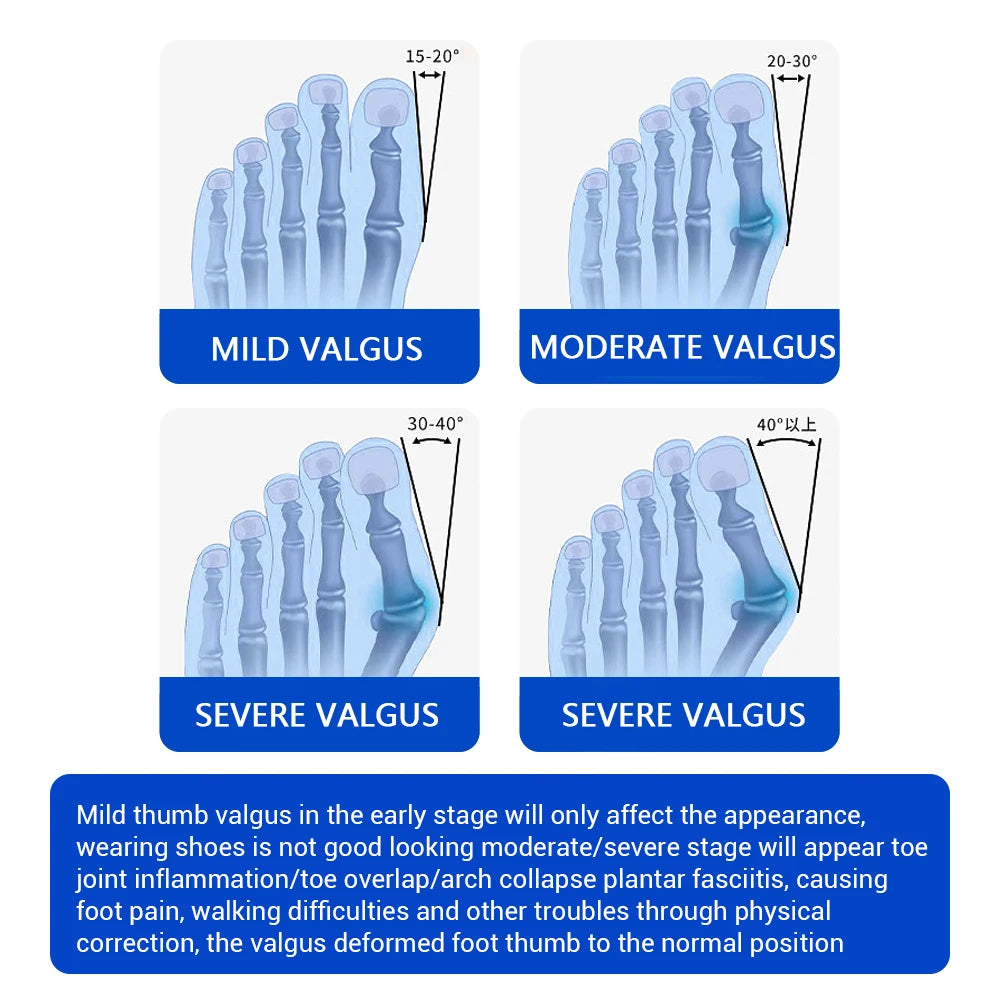
These products are designed to support temporary toe positioning, improve comfort during daily activities, and reduce irritation caused by toe crowding or shoe pressure. They do not permanently straighten the toe joint or reverse the structural changes associated with bunions.
Gel Toe Separators vs Silicone Toe Correctors vs Bunion Splints
Silicone Toe Correctors
A silicone toe corrector for bunions uses flexible material to gently separate the toes while allowing natural movement. It is usually preferred for daily comfort because it is softer and less restrictive than rigid devices.
Gel Toe Separators for Bunions
Gel toe separators for bunions focus on cushioning and pressure reduction. Their softer texture can be helpful for users who experience rubbing or sensitivity around the big toe area.
Rigid or Adjustable Bunion Splints
Rigid or adjustable bunion splints provide more structured positioning but are often less practical during walking. Many are designed primarily for rest or overnight use.
Which Type Should You Choose?
- Choose a silicone toe corrector for flexible daily support.
- Choose gel toe separators for bunions when cushioning is a priority.
- Choose a splint when you want stronger positioning support during rest.
How a Silicone Toe Separator Improves Alignment
A silicone toe separator creates gentle space between crowded toes, which may reduce rubbing and pressure from footwear. By keeping the toes separated, it can support a more comfortable resting position during wear.
The main benefit is symptom support rather than permanent correction. Results depend on factors such as bunion severity, foot shape, shoe choice, and consistent use.
See how this toe corrector for bunions fits into daily life
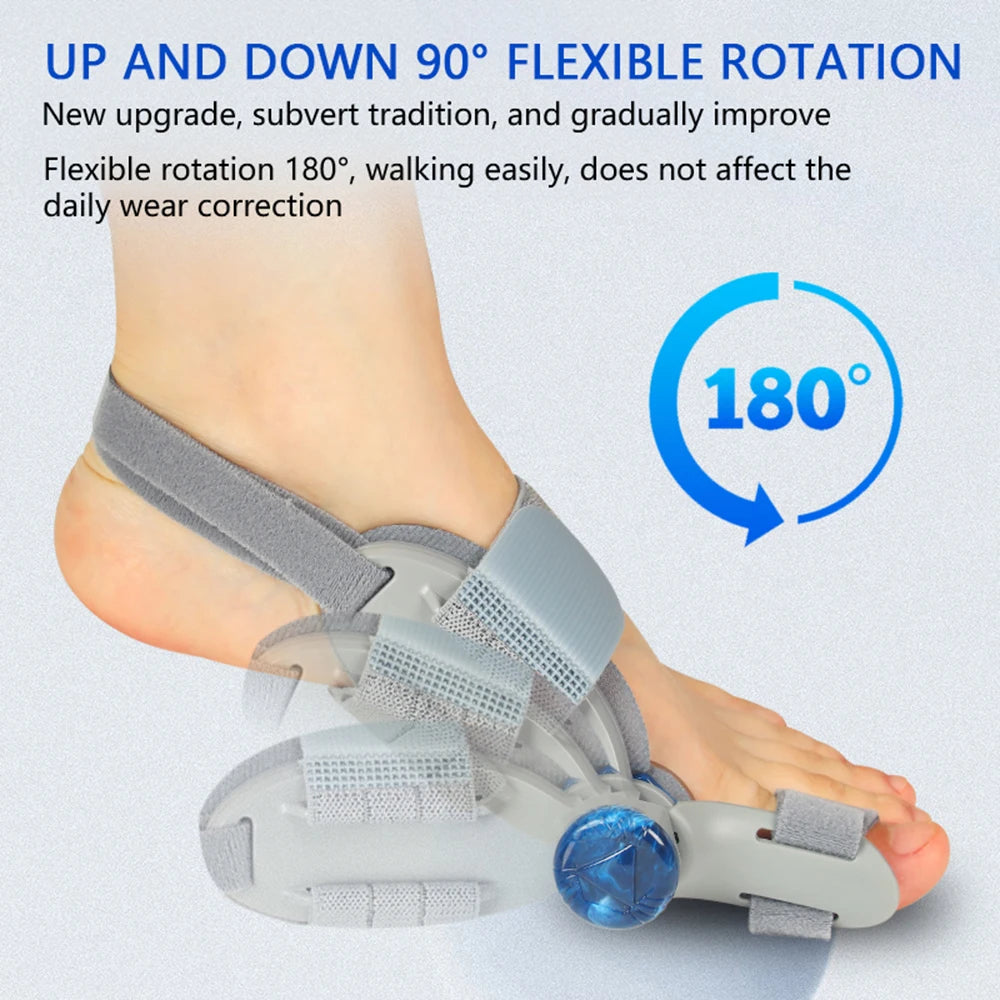
Flexible gel toe separators for bunions designed for comfort and consistency
Who Is a Silicone Bunion Corrector Best For?
Mild Bunion Discomfort
A silicone bunion corrector may be suitable for people experiencing early discomfort, mild toe crowding, or pressure from shoes. Gentle spacing can improve comfort during everyday activities.
Toe Crowding and Overlapping Toes
Toe correctors can help create more space between crowded toes and reduce friction caused by overlapping positioning.
Daily Standing and Walking
People who spend long periods standing or walking may appreciate the cushioning and pressure reduction provided by a comfortable silicone toe separator.
When a Corrector May Not Be Enough
A silicone toe separator may not provide enough support for severe bunions, significant deformity, intense pain, or symptoms that continue despite home care. In these situations, professional advice can help identify appropriate treatment options.
Can You Wear a Toe Corrector for Bunions in Shoes?
Many toe correctors for bunions can be worn inside shoes, but comfort depends on the separator thickness, shoe width, and foot shape. Low-profile silicone designs are usually easier to wear with footwear than larger gel spacers.
- Choose thin silicone toe correctors for everyday shoes.
- Use wider separators at home or during rest.
- Start with shorter wear periods before increasing use.
- Avoid forcing a separator into tight footwear because added pressure may increase discomfort.
- Pair with wide toe box shoes for better comfort.
Key Features to Look for in a Silicone Bunion Toe Separator
Soft, Skin-Friendly Silicone or Gel
Quality silicone or gel materials should feel flexible and comfortable while reducing irritation from repeated contact.
Correct Fit and Toe Spacing
The best gel bunion toe spacer creates comfortable separation without excessive pressure. A larger spacer is not always better if it causes discomfort.
Shoe Compatibility and Profile
Low-profile designs work better inside shoes, while thicker options may be more suitable for home use.
Washable, Reusable Construction
Reusable silicone materials are easier to maintain and provide better value when cleaned regularly.
Stable Design That Does Not Slip
A good silicone bunion corrector should stay positioned during wear without constantly shifting or creating pressure points.
How to Use a Silicone Toe Separator Bunion Corrector
- Clean and dry your feet before use.
- Place the separator between the toes without forcing the joint into position.
- Start with short sessions and increase wear time only if comfortable.
- Remove the corrector if you notice persistent pain, numbness, or skin irritation.
- Wash and air dry the product according to care instructions.
How to Choose the Right Size and Fit
Measure Before Buying
Foot shape and toe spacing vary widely, so check sizing recommendations before choosing a silicone toe separator bunion corrector.
Signs of a Good Fit
- Toes feel gently separated without pressure.
- The corrector stays in place during normal movement.
- You can wear it comfortably for the intended duration.
Signs the Corrector Is Too Tight or Too Loose
A separator may be too tight if it causes discomfort, numbness, or pressure. It may be too loose if it shifts frequently or does not stay positioned between the toes.
Silicone Toe Separators vs Other Bunion Comfort Solutions
Bunion Sleeves and Pads
Bunion sleeves mainly protect sensitive areas from rubbing and pressure. They can improve comfort but do not focus on toe positioning.
Orthotics and Supportive Footwear
Orthotics and supportive shoes address overall foot mechanics and may complement a silicone bunion corrector.
Toe Spacers and Separators
Toe spacers provide separation between toes but may vary in design, thickness, and shoe compatibility.
When to Combine Approaches
Different products address different comfort needs. A toe separator may help with spacing, while footwear changes or orthotics may address other sources of pressure.
Comfort-focused toe corrector for bunions supporting natural positioning
Get your silicone toe separator bunion corrector
FAQs About Silicone Toe Separator Bunion Correctors
Do silicone toe correctors work for bunions?
Silicone toe correctors may help reduce pressure, improve comfort, and provide temporary toe positioning support. They do not permanently reverse bunions.
Can gel toe separators for bunions be worn in shoes?
Yes, slimmer gel toe separators can often be worn with shoes, especially footwear with enough toe room.
How long should you wear a silicone bunion corrector?
Start with short sessions of around 20–30 minutes and gradually increase wear time if comfortable.
Are silicone toe separators safe for daily use?
Most silicone toe separators are safe for regular use when they fit properly, are cleaned routinely, and do not cause irritation.
Can a silicone toe corrector reverse a bunion?
No. A silicone toe corrector may support comfort and positioning, but it cannot reliably reverse structural bunion changes.
How long before you notice comfort or alignment changes?
Some users notice improved comfort after consistent use, but results vary depending on foot structure, footwear, and symptom severity.
Are they comfortable for walking?
Low-profile silicone designs are generally more comfortable for walking because they fit better inside shoes.
What size should I choose?
Choose a size that provides gentle spacing without squeezing the toes or slipping during movement.
What is the best silicone toe separator for wide feet?
People with wider feet often prefer softer gel toe separators with flexible spacing and a comfortable fit.
Should you wear a bunion toe separator overnight?
Some larger separators and splints are designed for overnight use, but comfort and product instructions should guide wear duration.
Related Guide: Bunion corrector with adjustment knob features that matter













