

What Is a Ski Helmet Sizing Guide and Why Does It Matter?
Choosing the correct ski helmet size directly affects both safety and comfort. A properly sized helmet distributes impact forces evenly, stays stable during falls, and keeps your goggles aligned without gaps. In contrast, poor ski helmet sizing can reduce protection, cause pressure points, and distract you on the slopes.
It’s important to distinguish between sizing (matching your head measurement to a size range) and fit (how the helmet feels once adjusted). This ski helmet sizing guide walks you through the full workflow—measure, compare, choose, and fine-tune—so you can confidently select the right helmet whether you're a beginner or experienced skier.
⏱ 6 min read
Ski Helmet Sizing Guide: How to Measure and Choose the Right Size
Ever put on a ski helmet that felt tight at first, only to loosen mid-run—or worse, become painful after an hour? Fit issues, foggy goggles, and constant adjustments can ruin your day. This guide shows you exactly how to measure your head, choose the right size, and fine-tune your helmet for all-day comfort and performance.
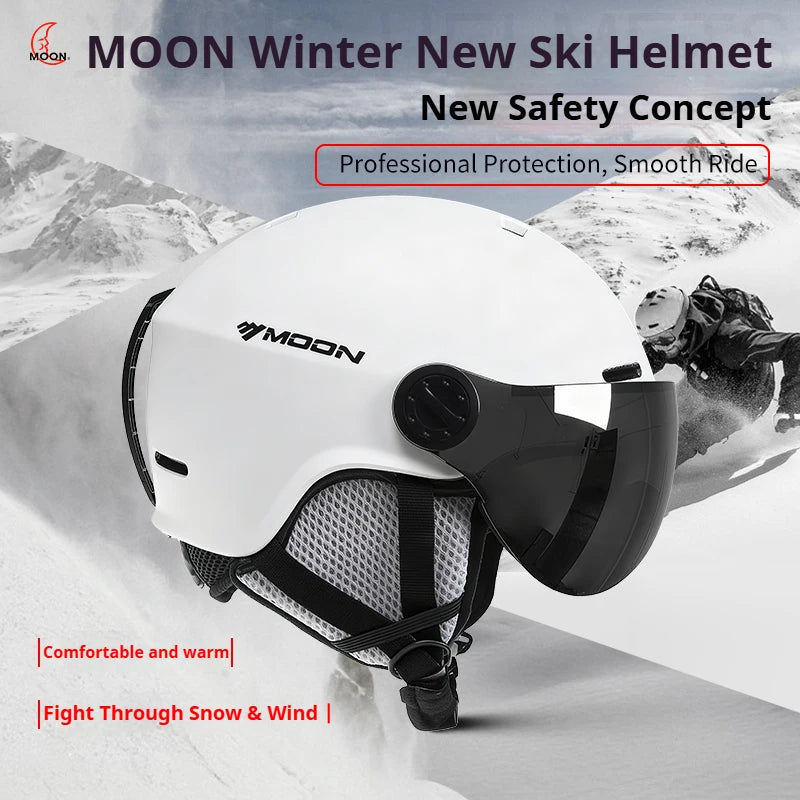
Measure once, ski with confidence — See it in action
How to Measure Your Head for a Ski Helmet (Step-by-Step)
Tools you need
Use a flexible cloth or vinyl tape measure. If you don’t have one, a string and ruler will work.
Where to measure head circumference
Wrap the tape around the widest part of your head—about 1 cm above your eyebrows and ears.
How to measure accurately
- Keep the tape snug but not tight
- Stay level all the way around your head
- Record the result in centimeters
- Repeat 2–3 times for consistency
What to do if you are between sizes
If your measurement falls between sizes, choose the larger size and use the helmet’s adjustment system or liner to fine-tune the fit.
Tip: Measure your head wearing any thin liner you plan to use while skiing.
Understanding the Ski Helmet Size Chart
Adult ski helmet sizes
| Size | Head Circumference (cm) | Head Circumference (inches) |
|---|---|---|
| XS | 50–53 | 19.7–20.9 |
| S | 54–55 | 21.3–21.7 |
| M | 56–57 | 22.0–22.4 |
| L | 58–59 | 22.8–23.2 |
| XL | 60–61 | 23.6–24.0 |
Mens ski helmet size guide
Men’s helmets typically follow standard sizing but may feel slightly wider depending on brand design.
Snowboard helmet sizing comparison
Ski and snowboard helmet sizing are generally the same. Differences come down to style, ventilation, and design—not size ranges.
Why sizing varies by brand
Each manufacturer uses slightly different molds and padding systems. Always check brand-specific charts and user reviews for fit feedback.
How to Choose the Right Ski Helmet Size
Decision tree for choosing between two sizes
- Between sizes? Go larger and tighten using the dial system
- Prefer snug fit? Choose smaller only if no pressure points
Consider head shape
Round heads need more width, while oval heads need more length. Fit matters as much as size.
Dial-fit systems and liners
Modern helmets include adjustable dials and removable padding to customize fit without changing size.
When to size up or down
- Size up: thick hair, layering, borderline measurement
- Size down: minimal padding, compact head shape
How Should a Ski Helmet Fit?
Forehead position
The helmet should sit level and cover your forehead without tilting back.
Movement test
Shake your head—helmet should not slide or shift independently.
Pressure point check
No pain after 10–15 minutes. Pressure points indicate poor fit or wrong shape.
Chin strap adjustment
Secure with about two fingers of space under the strap.
- ✔ Snug, not tight
- ✔ Stable during movement
- ✔ Goggles align properly
Common Ski Helmet Sizing Mistakes to Avoid
- Choosing too large: Reduces protection
- Choosing too small: Causes pain and headaches
- Using hat size: Not reliable for helmets
- Incorrect measuring: Leads to wrong size
- Ignoring warning signs: Slipping, pressure, gaps
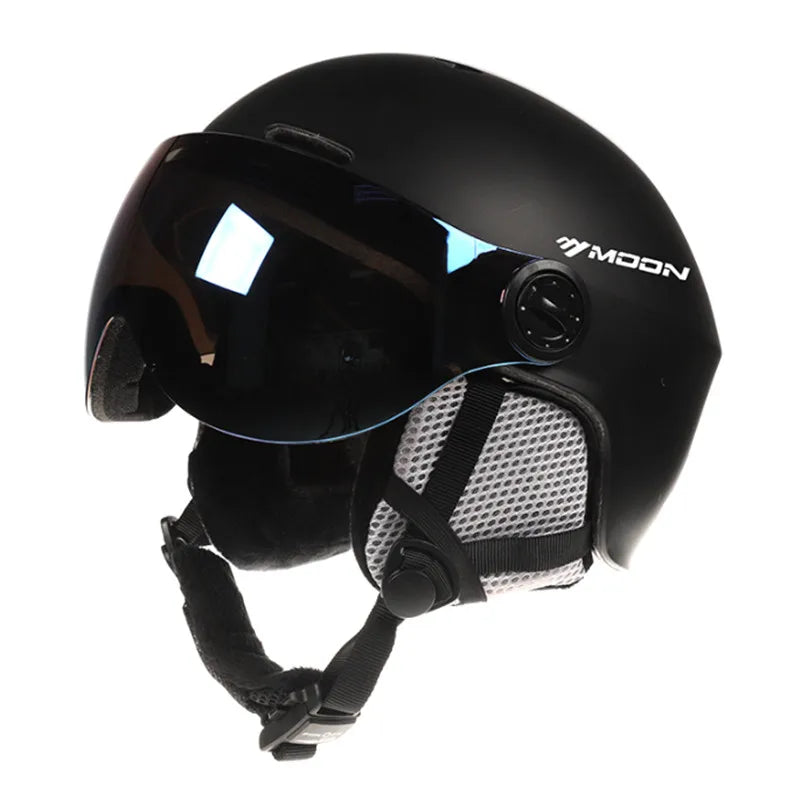
Comfort meets clarity with the right fit — See it in action
Ski Helmet Shape and Head Profile Considerations
Round vs oval heads
Round heads need wider interiors; oval heads need longer front-to-back space.
Shell shape differences
Helmet shells vary by brand—trying different models is key.
Managing pressure points
If you feel hotspots, switch models rather than forcing adjustments.
How Goggles, Balaclavas, and Helmet Liners Affect Fit
Integrated goggles
Integrated systems reduce compatibility issues and improve airflow.
Looking for a streamlined option? The ski helmet with goggles combines helmet fit and anti-fog performance in one system.
Separate goggles
Ensure they sit flush with no gap between helmet and lens.
Balaclavas and thin liners
Use thin layers only—bulky materials affect sizing accuracy.
Avoiding goggle gap
Always test helmet and goggles together before skiing.
How to Adjust Your Helmet for All-Day Comfort
Dial adjustment
Use the rear dial to fine-tune fit throughout the day.
Vent and padding considerations
Adjust padding and vents depending on weather and activity level.
Rechecking fit during the season
Re-adjust if your hair length, layers, or temperature changes.
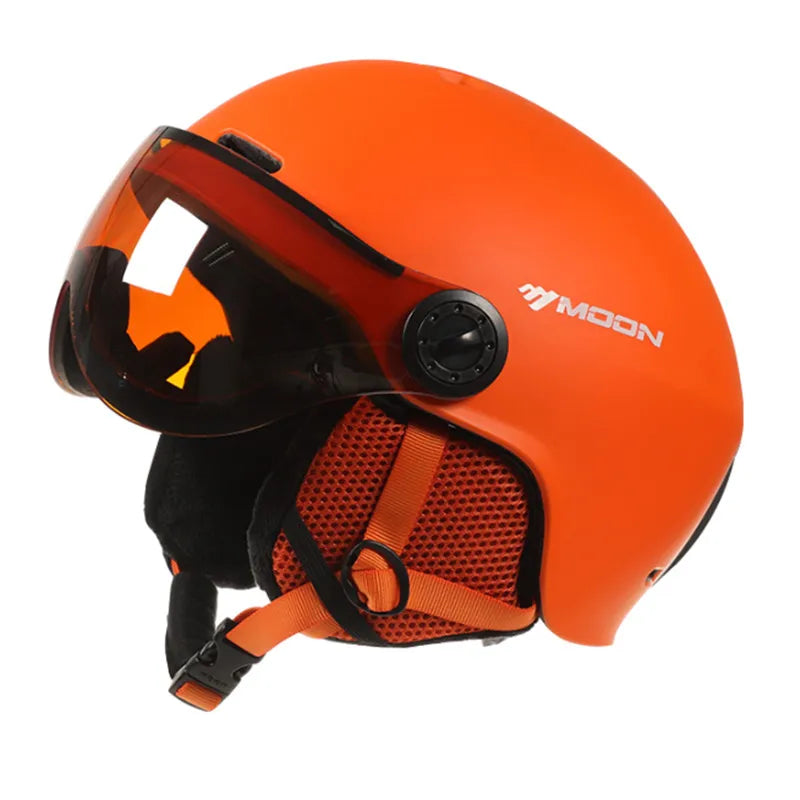
Designed for confidence on every run — See it in action
Fit Verification Checklist Before You Hit the Slopes
- Helmet sits level on forehead
- No shifting during movement
- No pressure points after 10–15 minutes
- Chin strap snug and secure
- Goggles align without gaps
When to Replace or Resize Your Ski Helmet
- After any significant impact
- If padding becomes worn
- After major weight or hairstyle changes
- For growing children needing larger sizes
FAQ: Ski Helmet Sizing Guide
How do I find the right size ski helmet?
Measure your head circumference and match it to a brand’s size chart, then test for proper fit.
How should a ski helmet fit?
Snug, stable, and comfortable with no pressure points or movement.
How do I measure my head for a ski helmet?
Wrap a flexible tape around the widest part of your head above your eyebrows.
Should I size up if I am between helmet sizes?
Yes, then use the adjustment system to secure the fit.
Can I wear goggles while sizing a ski helmet?
Yes, always test helmet and goggles together for compatibility.
Can I wear a beanie under my ski helmet?
Only thin liners are recommended. Bulky beanies affect fit and safety.
Are snowboard helmet sizes the same as ski helmet sizes?
Yes, sizing is generally the same across both categories.
Do ski helmet sizes differ between brands?
Yes. Always check brand-specific charts and reviews.
For a simplified setup, the ski helmet with goggles offers a balanced solution combining comfort, clarity, and protection.
Related Guide: How Should a Ski Helmet Fit Step by Step for All-Day Comfort













