

Best Heater for Small Room: Compact Portable Electric Heater Showdown
⏱ 7 min read
Cold corners, drafty bedrooms, and home offices that never feel quite warm—sound familiar? When space is limited, turning up central heat feels wasteful and slow. The best heater for a small room delivers targeted warmth exactly where you need it while helping avoid heating unused areas. This guide compares the most popular heater types, explains which rooms they suit best, and highlights the features worth paying for.
Best Heater for Small Room: Top Picks Compared
If you're shopping for a heater for a small room, the right choice depends on how you use the space rather than simply buying the highest wattage.
- Best for fast heating: Ceramic fan heaters for bedrooms, offices, and living spaces up to 200–250 sq ft.
- Best for quiet comfort: Oil-filled radiators that provide gentle, silent warmth for longer use.
- Best for personal warmth: Infrared heaters that heat people and nearby objects instead of the surrounding air.
- Best overall portable option: The portable electric fan heater combines quick heating, compact size, and multiple built-in safety features.
Not sure which style suits your needs? The comparison table below summarizes room size compatibility, power usage, noise level, and ideal applications.
Quick Comparison Table: Best Heaters for Small Rooms
| Heater Type | Coverage | Typical Power | Noise | Safety Features | Best Use |
|---|---|---|---|---|---|
| Ceramic Fan Heater | 100–250 sq ft | 750–1500W | Low | Tip-over, overheat protection | Fast everyday heating |
| Infrared Heater | 100–200 sq ft | 400–1500W | Silent | Overheat protection | Personal comfort |
| Oil-Filled Radiator | 150–300 sq ft | 600–1500W | Silent | Overheat protection | Bedrooms and overnight warmth |
| Fan-Forced Portable Heater | Up to 200 sq ft | 1500W | Low | Tip-over, cool-touch housing | Quick spot heating |
Do Portable Electric Heaters Work Well in Small Rooms?
Yes. A quality electric heater for a small room provides fast, focused warmth because it heats a limited area instead of an entire house. Most portable models comfortably warm spaces between 100 and 250 square feet, making them ideal for bedrooms, home offices, dorm rooms, and apartments.
Portable heaters perform best when:
- The room is reasonably insulated.
- Doors and windows remain closed during operation.
- The heater matches the room's square footage.
- You need supplemental heat instead of replacing central heating throughout the home.
For larger open-plan spaces or poorly insulated rooms, central heating or multiple heating sources may be more effective than relying on one portable unit.
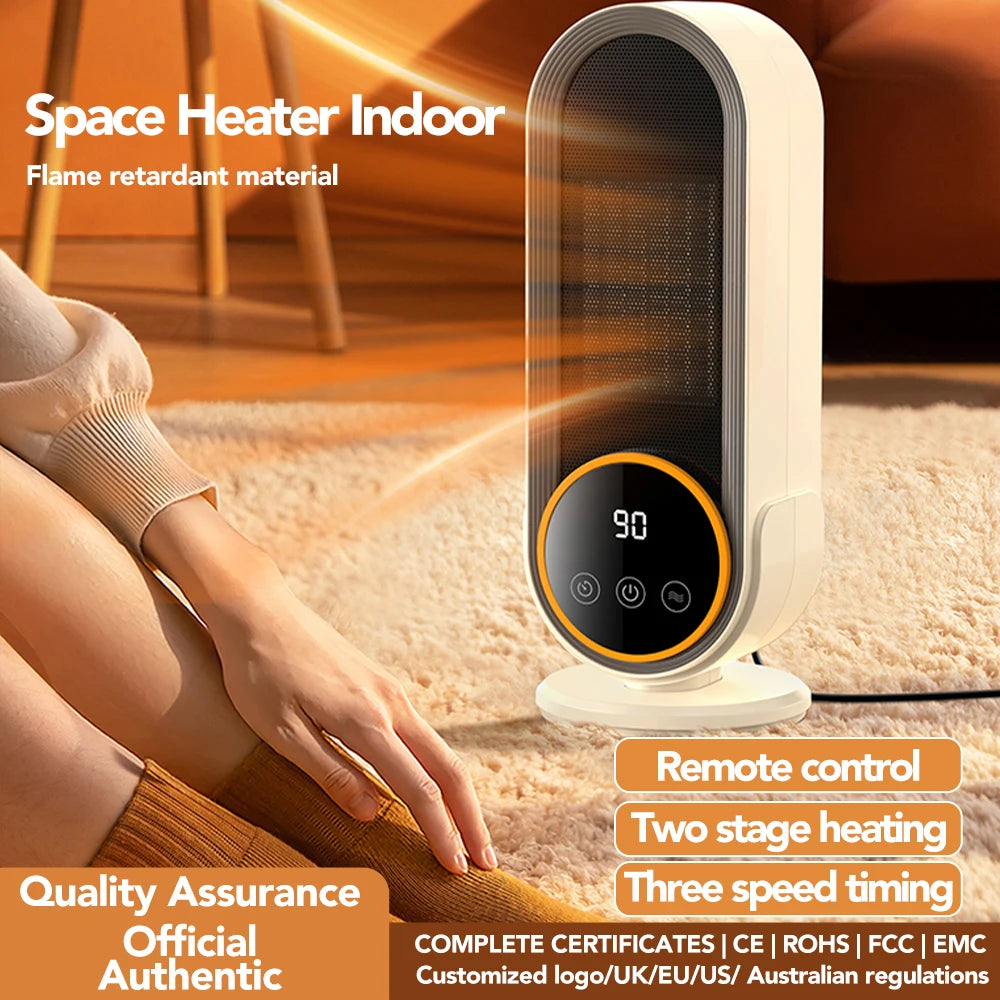
Compact portable electric heater warming a tight corner — See it in action
How We Evaluated the Best Small Room Heaters
To compare the best heaters for small rooms fairly, we focused on the features that matter most during everyday use.
- Heating speed: How quickly the heater raises room temperature.
- Coverage: Suitable square footage without wasting energy.
- Energy efficiency: Thermostat accuracy, Eco modes, and power consumption.
- Noise: Suitability for bedrooms, offices, and study areas.
- Safety: Tip-over protection, overheat shutoff, cool-touch housing, and stable construction.
- Portability: Weight, carry handle, and storage convenience.
Best Heater Types for Small Rooms
Ceramic Heaters
Ceramic heaters remain one of the best choices for small rooms because they warm spaces quickly, remain lightweight, and often include adjustable thermostats. They work especially well in bedrooms, home offices, and apartments.
Oil-Filled Radiators
Oil-filled heaters take longer to warm up but continue releasing heat even after cycling off. They're ideal if you want consistent temperatures with virtually silent operation.
Infrared Heaters
Infrared heaters warm nearby people and furniture directly instead of heating the surrounding air first. They're excellent for desks, reading corners, and personal comfort but cover smaller areas.
Fan-Forced Heaters
Fan-forced models circulate warm air rapidly throughout the room. Modern versions combine fast performance with compact footprints and are often the best portable heater for small rooms when quick heating is the priority.
| Heater Type | Best For | Room Size | Energy Efficiency | Noise Level | Pros | Cons |
|---|---|---|---|---|---|---|
| Ceramic | Small rooms, quick heating | 100–250 sq ft | High | Low | Fast warm-up, portable, safe | May dry air slightly |
| Infrared | Personal spaces, bedrooms | 100–200 sq ft | Moderate | Silent | Direct heat, energy-efficient, silent | Limited coverage |
| Oil-Filled | Continuous heating | 150–300 sq ft | Moderate-High | Silent | Long-lasting warmth | Slower warm-up |

Electric heater for small room comfort — See it in action
Best Heater for Your Room and Lifestyle
Best Heater for Small Bedroom
Choose a quiet model with an adjustable thermostat, automatic shutoff, and low-noise operation. Oil-filled radiators and quiet ceramic heaters are excellent choices.
Best Heater for Home Office
A compact ceramic heater provides quick warmth during working hours without occupying much floor space. The portable electric fan heater works well beside a desk or workstation.
Best Heater for Bathroom
Only use heaters specifically approved for bathroom use and always keep them away from water. Never operate a standard portable heater near sinks, showers, or bathtubs.
Best Heater for Dorm or Apartment
Look for lightweight portable units with carry handles, tip-over protection, and adjustable heat settings so one heater can easily move between rooms.
Energy Efficiency and Running Costs
Electric heaters commonly operate between 400W and 1500W.
- A 750W heater uses approximately half the electricity of a 1500W model.
- A 1500W heater typically costs around $0.18–$0.20 per hour to operate, depending on local electricity prices.
- Programmable thermostats reduce unnecessary heating cycles.
- Eco modes automatically maintain comfortable temperatures while lowering energy consumption.
For added comfort during colder months, many people also pair warming routines with wellness products from the Body Care and Health Devices collection.
Safety Features You Should Never Skip
A safe heater for a small room should include several protective features rather than relying on careful placement alone.
- Tip-over protection automatically turns the heater off if it falls.
- Overheat shutoff prevents dangerous temperatures.
- Cool-touch housing reduces burn risks around children and pets.
- Recognized safety certifications provide additional confidence that the heater meets established testing standards.
Common Mistakes When Using a Small Room Heater
- Using extension cords instead of plugging directly into a wall outlet.
- Blocking air intake or exhaust vents with blankets or furniture.
- Buying a heater that's too small for the room.
- Placing heaters too close to curtains, bedding, or upholstered furniture.
- Leaving portable heaters running unattended for long periods unless specifically permitted by the manufacturer.
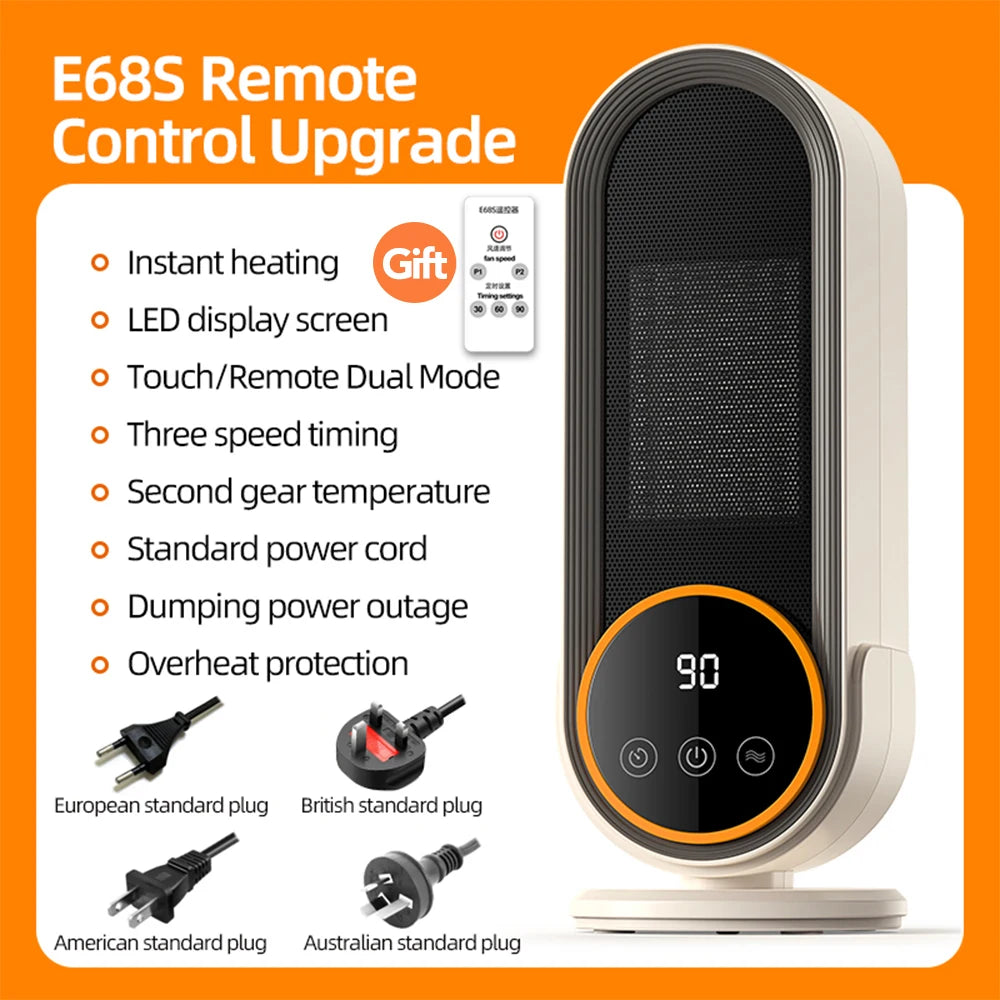
Best portable heater for small rooms in daily use — See it in action
Frequently Asked Questions
Which heater is best for a small room?
For most households, a ceramic portable heater offers the best balance of heating speed, portability, energy efficiency, and affordability.
What size electric heater do I need for a small bedroom?
Bedrooms between 100 and 200 square feet are typically well served by heaters rated between 750W and 1500W, depending on insulation and ceiling height.
What is the most energy efficient heater for a small room?
Models with accurate thermostats and Eco modes help minimize electricity use by maintaining a consistent temperature rather than running continuously.
Are portable heaters safe to leave on overnight?
Many modern heaters include tip-over protection and overheat shutoff, but always follow the manufacturer's instructions and keep the heater on a stable surface away from combustible materials.
What is the quietest heater for a bedroom?
Oil-filled radiators and infrared heaters operate almost silently, making them excellent choices for sleeping areas.
How much does a 1500W heater cost to run?
At average residential electricity rates, a 1500W heater generally costs around $0.18–$0.20 per hour, although actual costs vary by location.
Is a ceramic heater better than an oil-filled radiator?
Ceramic heaters warm rooms much faster, while oil-filled radiators excel at maintaining steady heat quietly over longer periods.
Can a small room heater warm an apartment?
A portable heater can effectively warm a bedroom, office, or studio area, but heating an entire apartment usually requires either multiple units or a central heating system.
Related Guide: Quiet electric heater comparison: Which stays warm without noise













