

Best Electric Callus Remover for Feet: Smooth Heels Safely at Home
Rough heels can make even the most confident person hesitate to slip on sandals. Maybe you've tried pumice stones, metal scrapers, or salon visits—yet dryness and cracks keep coming back. The difference often isn't effort, but using the right technique and tool. An electric callus remover for feet helps remove thick, dead skin gradually, making it easier to achieve smoother heels without excessive scraping.
Explore modern at-home foot care options designed for comfort and control.
⏱ 6 min read
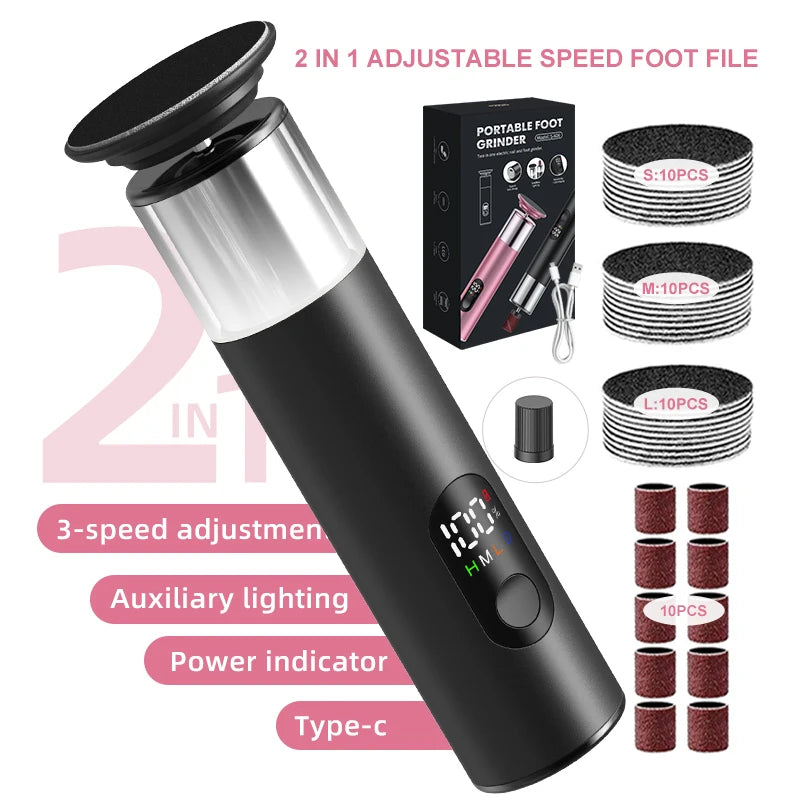
Smooth heels safely at home with an electric foot grinder.
How to Use an Electric Callus Remover Safely
How Electric Callus Removers Work
An electric callus remover uses a rotating abrasive roller to gently buff away layers of dead skin from the heels, balls of the feet, and other pressure points. Instead of aggressively scraping, the roller gradually removes hardened skin, allowing you to stop as soon as your feet feel smooth.
This controlled action makes an electric callus remover for feet easier to use than traditional metal scrapers because it encourages gradual exfoliation rather than removing too much skin at once.
Who Should and Should Not Use One
For most healthy adults, an electric foot grinder is a safe option for routine foot care when used as directed.
- Ideal for dry, rough heels and moderate callus buildup.
- Suitable for regular home maintenance between pedicures.
- Avoid using over open cuts, infected skin, bleeding cracks, warts, or irritated areas.
- If you have diabetes, peripheral neuropathy, poor circulation, or another condition affecting foot sensation, consult your healthcare provider before using any callus removal device.
Before You Start: Prepare Your Feet and Device
Should You Use It on Dry or Wet Feet?
Always follow your manufacturer's instructions. Many electric callus removers are designed for use on completely dry skin because dry calluses are easier to remove with better control. Waterproof models may also support wet use, but dry operation typically provides faster, more predictable results.
Choose the Right Roller Grit
- Fine roller: Regular maintenance and sensitive skin.
- Medium roller: Everyday rough heels.
- Coarse roller: Thick calluses that require gradual reduction over multiple sessions.
Starting with a finer roller is often the safest approach if you're unsure which grit to choose.
Inspect Your Skin Before Treatment
Check your feet for deep cracks, redness, swelling, blisters, or bleeding. Treat healthy callused skin only. If you notice signs of infection or significant pain, postpone treatment and seek medical advice.
Step-by-Step: How to Use an Electric Callus Remover
Turn On the Device
- Clean and completely dry your feet unless your model specifically supports wet use.
- Select the appropriate roller and a low or medium speed setting.
Glide Lightly Over Callused Areas
Move the electric foot file slowly across rough skin using gentle, continuous motions. Let the rotating roller do the work rather than pressing firmly.
Check Progress Frequently
Pause every few passes to inspect your heels. Once the skin feels smoother, stop. Removing too much healthy skin can increase tenderness and encourage faster callus formation.
Moisturize After Use
Rinse away loose skin, dry your feet thoroughly, and apply a rich moisturizer to lock in hydration. Consistent moisturizing helps maintain results much longer.
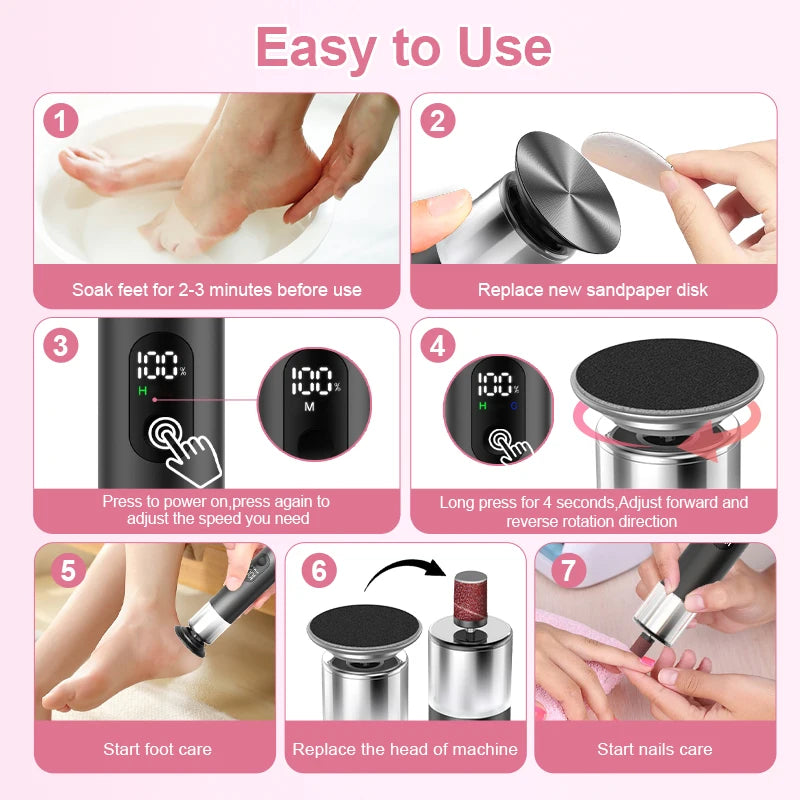
Use gentle pressure and allow the rotating roller to remove dead skin gradually.
Electric Foot File vs Manual: Which Is Better?
When an Electric File Is the Better Choice
- Removes larger areas of dead skin more efficiently.
- Provides more consistent pressure across the heel.
- Offers multiple speed settings for better control.
- Reduces hand fatigue during treatment.
- Excellent for regular maintenance.
When a Manual File May Be Enough
- Very mild dryness.
- Quick touch-ups between treatments.
- Travel or emergency use.
- Users who prefer a simple, non-powered tool.
For most people comparing foot file electric vs manual , electric models provide faster results with less physical effort while helping maintain consistent exfoliation.
Learn how electric grinding improves comfort and results.
Common Mistakes and Troubleshooting
Pressing Too Hard
Applying extra pressure does not remove calluses faster. It increases friction, reduces roller efficiency, and may irritate healthy skin.
Using the Wrong Roller
A coarse roller isn't necessary for every foot. Using a grit that's too aggressive can leave your heels sensitive, while a roller that's too fine may struggle with thick calluses.
Overusing the Device
Using an electric callus remover daily can remove healthy skin. One or two sessions each week are sufficient for most people.
When to Stop and Seek Medical Advice
Stop treatment immediately if you experience bleeding, severe pain, swelling, unusual discoloration, or signs of infection. People with diabetes or circulation disorders should follow professional guidance before attempting safe callus removal at home.
Choosing the Best Electric Callus Remover
The best electric callus remover combines effective exfoliation with safety, comfort, and easy maintenance.
Many users prefer tools found within Body Care and Health Devices because they're designed for repeated, comfortable use.
The KentDO Electric Foot Grinder offers steady rotation, ergonomic handling, and skin-friendly performance that helps smooth rough heels comfortably at home.
Key Features to Consider
- Multiple speed settings.
- Comfortable ergonomic grip.
- Replaceable roller heads.
- Easy-to-clean waterproof design when available.
- Long battery life for cordless convenience.
Roller Grit Options
Choose interchangeable fine, medium, and coarse rollers so you can adjust treatment as your heels improve over time.
Corded vs Rechargeable
Rechargeable models offer greater flexibility and portability, while corded units provide continuous power for extended sessions. Most home users prefer rechargeable devices for convenience.
Get yours now — limited stock!
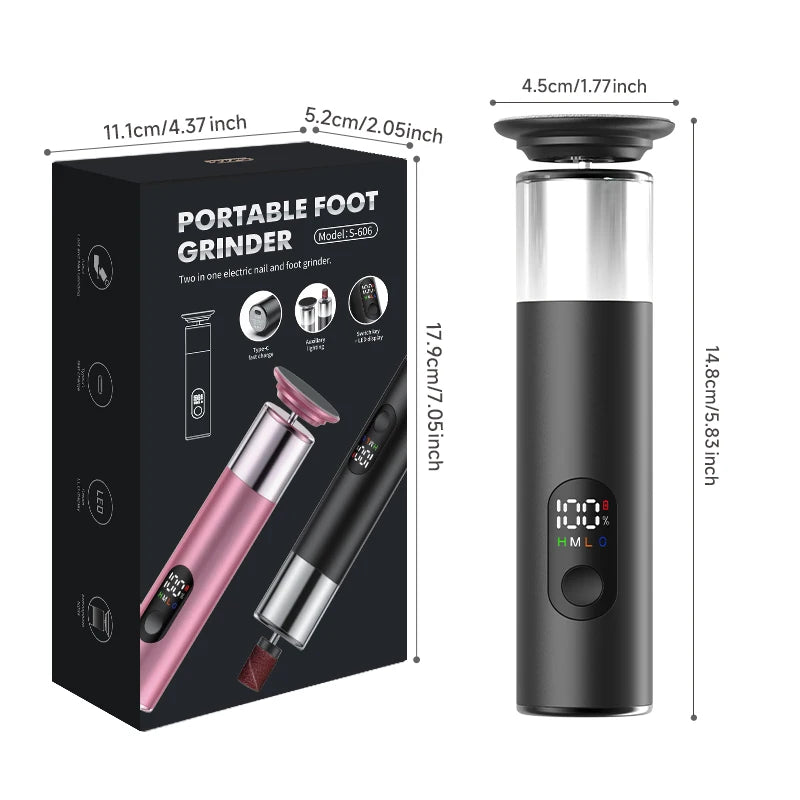
Regular maintenance helps keep heels soft and comfortable throughout the year.
Cleaning, Maintenance, and Roller Replacement
Clean After Every Use
Brush away skin debris, rinse washable components if permitted by the manufacturer, and allow everything to dry completely before reassembly.
When to Replace the Roller
Replace the roller when it becomes noticeably smoother, clogged, worn, or less effective. Frequent users typically need replacement rollers every few months, depending on usage.
Charging and Storage Tips
- Recharge before the battery becomes completely depleted.
- Store the device in a cool, dry location.
- Keep replacement rollers clean and protected from dust.
Keeping Heels Smooth Long-Term
Recommended Usage Frequency
Most people maintain smooth heels by using an electric callus remover once or twice per week, adjusting frequency based on skin thickness and lifestyle.
Daily Moisturizing Habits
- Apply a moisturizing foot cream every day.
- Wear cotton socks overnight after applying moisturizer.
- Increase hydration during dry winter months.
Preventing Recurring Calluses
- Wear supportive, well-fitting shoes.
- Avoid prolonged barefoot walking on hard surfaces.
- Address pressure points early before thick calluses develop.
- Maintain a consistent foot care routine instead of waiting until cracks become painful.
For additional guidance, see our related resources on How to Remove Calluses From Feet Safely at Home .
Frequently Asked Questions
How often should I use an electric callus remover?
One to two sessions per week are enough for most people. Thick calluses improve gradually over multiple treatments rather than a single aggressive session.
Is an electric callus remover safe for cracked heels?
Minor dry skin can usually be treated carefully, but avoid using the device over deep, bleeding, or infected cracks. Allow damaged skin to heal first or seek medical advice.
Can people with diabetes use an electric callus remover?
People with diabetes, peripheral neuropathy, or poor circulation should consult their healthcare provider before using any heel callus remover tool because reduced sensation increases the risk of injury.
Should I soak my feet first?
Not always. Many electric callus removers are intended for dry use. Always follow the instructions for your specific model.
Which roller grit should I choose?
Fine rollers are best for maintenance, medium rollers suit everyday roughness, and coarse rollers work best for thicker calluses that require gradual reduction.
Why are my heels still rough after using it?
Very thick calluses often require several treatments. Consistent weekly exfoliation combined with daily moisturizing usually produces better long-term results than trying to remove all the hardened skin in one session.
Related Guide: How to Remove Calluses From Feet Safely at Home













