

Do Snow Skiing Helmets Truly Keep Beginners Warm, Safe, and Confident?
Yes. A quality snow skiing helmet helps beginners stay safer, warmer, and more comfortable throughout the day. Certified impact protection, effective insulation, adjustable ventilation, and a secure fit work together to reduce distractions from cold, fogged goggles, and helmet movement. The result is greater confidence on the slopes, allowing new skiers to focus on developing technique instead of worrying about discomfort or safety.
Snow Skiing Helmet for Beginners Staying Warm and Protected
⏱ 6 min read
Learning to ski is exciting, but cold weather, unfamiliar equipment, and the possibility of frequent falls can make the first few days challenging. Choosing the right snow skiing helmet helps solve many of those problems at once by combining certified protection, dependable warmth, and lasting comfort. Whether you're taking your first lesson or planning a full ski vacation, a well-designed beginner helmet helps you stay focused, comfortable, and confident from your first run to your last.
Explore the features that make your first ski days warmer, safer, and more enjoyable.
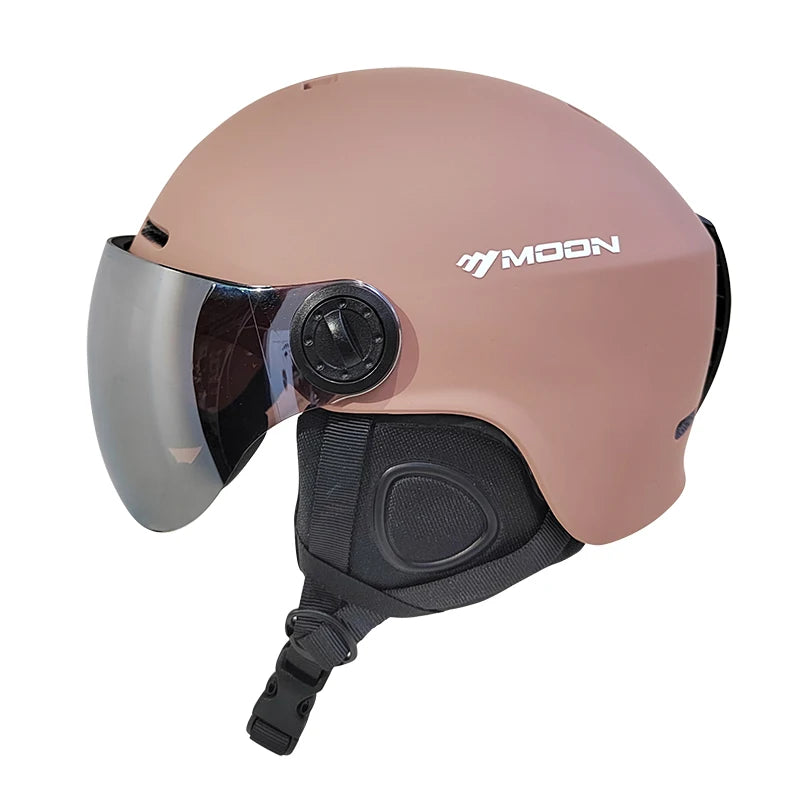
A modern snow skiing helmet designed for warmth, comfort, and confidence. See it in action.
Why Ski Helmet Ventilation Is a Game-Changer
Ski helmet ventilation plays a major role in keeping beginners comfortable throughout changing mountain conditions. As your activity level increases, your body generates heat that can quickly lead to sweat buildup inside the helmet. Adjustable ventilation allows warm, moist air to escape while helping maintain a comfortable temperature, reducing both overheating and the risk of feeling chilled once you slow down.
Effective ventilation also improves visibility. Excess moisture is one of the primary causes of fogged ski goggles, making it harder to see terrain changes and other skiers. A helmet designed with well-positioned vents helps regulate airflow around the goggles for clearer vision during every run.
- Reduces overheating during active skiing
- Minimizes sweat and internal moisture buildup
- Helps keep goggles clearer for longer
- Allows airflow to adapt to changing weather conditions
- Improves overall comfort during long days on the mountain
For most beginners, adjustable vents provide the best balance between warmth on cold chairlift rides and cooling airflow during more demanding downhill sections. This flexibility makes the helmet comfortable across a wider range of temperatures and skiing conditions.
Beginner Helmet Features Compared
Not every beginner ski helmet offers the same level of comfort, protection, or convenience. Comparing construction, ventilation, weight, adjustment systems, and safety features helps you identify a helmet that matches both your budget and how often you plan to ski. While entry-level models provide essential protection, beginner-focused helmets typically deliver a more comfortable experience that supports longer practice sessions.
| Feature | Basic Helmet | Beginner-Friendly Helmet |
|---|---|---|
| Construction | Standard hard shell with basic EPS foam | Durable shell with optimized impact-absorbing EPS construction |
| Insulation | Minimal padding | Layered thermal liner for improved warmth |
| Ventilation | Fixed vents | Adjustable ventilation for changing conditions |
| Fit System | Limited sizing adjustments | Micro-adjustable dial fit system |
| Goggle Compatibility | May leave gaps | Designed for a secure helmet-goggle interface |
| Impact Protection | Standard certification | Optional MIPS or comparable rotational impact technology |
| Weight | Lightweight but basic | Balanced weight for all-day comfort |
| Safety Certifications | Basic certified models | ASTM F2040 and/or CE EN1077 certified |
| Typical Price | Lower | Moderate with additional comfort features |
Sizing & Fit Guide: Get It Right the First Time
A properly fitted beginner ski helmet delivers the best combination of safety, warmth, and comfort. A helmet that is too loose can shift during a fall, while one that is too tight may create pressure points and headaches. Always try to achieve a secure fit that remains stable without excessive pressure.
- Measure your head circumference about 1 inch (2.5 cm) above your eyebrows using a flexible tape measure.
- Compare the measurement with the manufacturer's sizing chart before selecting a size.
- Use the rear adjustment dial to achieve a snug, even fit around your head.
- Fasten the chin strap so only one or two fingers fit comfortably beneath it.
- Wear your ski goggles while trying on the helmet to ensure there are no gaps or pressure points.
- Shake your head gently—the helmet should stay firmly in place without sliding or wobbling.
Taking a few extra minutes to verify the fit before your first ski day can significantly improve comfort, reduce fatigue, and help the helmet perform as intended if you experience a fall.
Budget vs Premium Beginner Ski Helmets
Both budget and premium ski helmets can meet recognized safety standards, but the overall experience differs. Premium models typically provide better fit systems, lighter construction, improved ventilation, and enhanced comfort features that become noticeable during full days on the mountain.
- Occasional skier: A budget helmet with certified protection, reliable insulation, and a comfortable fit is often the best value.
- Regular skier: Investing in adjustable ventilation, a dial-fit system, and MIPS can improve comfort and long-term performance.
- Cold-weather skier: Prioritize thermal liners, ear pads, and compatibility with goggles and neck gaiters.
- Growing beginner: Choose a helmet that balances affordability with features you'll continue to appreciate as your skills improve.
Top 7 Ski Helmets for Beginners: Reviews, Pros & Cons
The following beginner-friendly helmets represent different priorities, from affordability to premium comfort. Selecting the right model depends on how often you ski, your local climate, and the features you value most.
-
Best Overall – KentDO Advanced Comfort Helmet
Best for: Most beginner skiers.
Pros: MIPS protection, adjustable dial-fit system, removable liner, excellent all-day comfort.
Cons: Mid-range price. -
Best Budget – KentDO Classic Beginner Helmet
Best for: First-time and occasional skiers.
Pros: Lightweight, warm, affordable, beginner-friendly fit.
Cons: Basic ventilation system. -
Best Value – KentDO Winter Pro Helmet
Best for: Cold-weather skiing.
Pros: Excellent insulation, adjustable ventilation, goggle compatibility.
Cons: Slightly heavier than minimalist designs. -
Best Lightweight – KentDO All-Day Comfort
Best for: Long practice sessions.
Pros: Lightweight shell, balanced ventilation, comfortable fit.
Cons: Limited color selection. -
Best with MIPS – KentDO Safety Plus
Best for: Safety-conscious beginners.
Pros: MIPS technology, certified protection, highly adjustable fit.
Cons: Higher price. -
Best for Cold Conditions – KentDO Ski Explorer
Best for: Skiers who regularly encounter freezing temperatures.
Pros: Integrated face protection support, MIPS, excellent warmth.
Cons: Limited availability. -
Best Premium Choice – KentDO Premium Learner Helmet
Best for: Beginners planning to ski frequently.
Pros: Premium insulation, adjustable vents, MIPS, maximum comfort.
Cons: Highest price in the lineup.
Final Recommendations: Which Beginner Ski Helmet Should You Buy?
If you're purchasing your first ski helmet, prioritize fit before any other feature. A properly fitted, certified helmet provides significantly better protection than a premium model that doesn't fit correctly.
- Best overall: KentDO Advanced Comfort Helmet for its balanced safety, comfort, and versatility.
- Best budget: KentDO Classic Beginner Helmet for reliable protection at an accessible price.
- Best value: KentDO Winter Pro Helmet for excellent warmth and ventilation.
- Best for long-term progression: KentDO Premium Learner Helmet for skiers who expect to spend many days on the slopes.
Whichever model you choose, look for certified impact protection, a secure fit, effective ventilation, and compatibility with your ski goggles. These features will have the greatest impact on comfort and confidence throughout your learning journey.
Frequently Asked Questions
Is a ski helmet necessary for beginners?
Yes. Beginners are more likely to experience falls while learning, and a certified ski helmet provides important impact protection while also helping retain warmth and improve comfort.
How tight should a ski helmet fit?
A ski helmet should feel snug around your head without creating painful pressure points. It should remain stable when you move your head, even before fastening the chin strap.
Do vents make helmets colder?
No. Adjustable ventilation allows you to control airflow. Close the vents on cold lift rides and open them during active skiing to reduce overheating and moisture buildup.
How do I choose the right ski helmet?
Choose a helmet that fits properly, carries recognized safety certifications, offers good ventilation, and works comfortably with your ski goggles. Features like MIPS and adjustable fit systems provide additional value for many beginners.
What certifications should I look for?
Look for helmets certified to ASTM F2040, CE EN1077, or equivalent snow sports safety standards to ensure they meet established impact protection requirements.
Is MIPS worth it for beginner skiers?
For many beginners, yes. MIPS is designed to help reduce rotational forces during certain angled impacts and can provide an additional level of protection beyond standard certification.
How long does a ski helmet last?
Most manufacturers recommend replacing a ski helmet after any significant impact or approximately every five years, depending on wear, storage conditions, and manufacturer guidance.
Can I use a snowboard helmet for skiing?
Yes. Many helmets are certified for both skiing and snowboarding. Always verify that the helmet carries the appropriate snow sports safety certification.
Should beginners choose adjustable ventilation?
Adjustable ventilation is recommended because it allows you to regulate temperature throughout changing weather and activity levels, improving comfort on the mountain.
How do I know if my helmet fits correctly?
The helmet should sit level on your head, remain secure without excessive movement, and feel evenly snug around the entire head without creating pressure points.
What is the difference between ASTM and CE ski helmet certifications?
Both are recognized safety standards for snow sports helmets. ASTM F2040 is commonly used in North America, while CE EN1077 is widely recognized throughout Europe.
Can I wear a beanie under my ski helmet?
Thin helmet-compatible liners are generally acceptable, but bulky beanies can affect helmet fit and reduce protection. A properly insulated helmet usually provides sufficient warmth on its own.
When should I replace a ski helmet after a crash?
Replace your helmet after any significant impact, even if no visible damage is present, because the protective liner may have been compromised.
Explore more comfort-focused gear in the Lifestyle collection or wellness essentials from the Body Care and Health Devices range to stay prepared for active days.
Related Guide: Integrated Goggle Ski Helmet for Cold Wind and All-Day Visibility
Get yours now — limited stock!
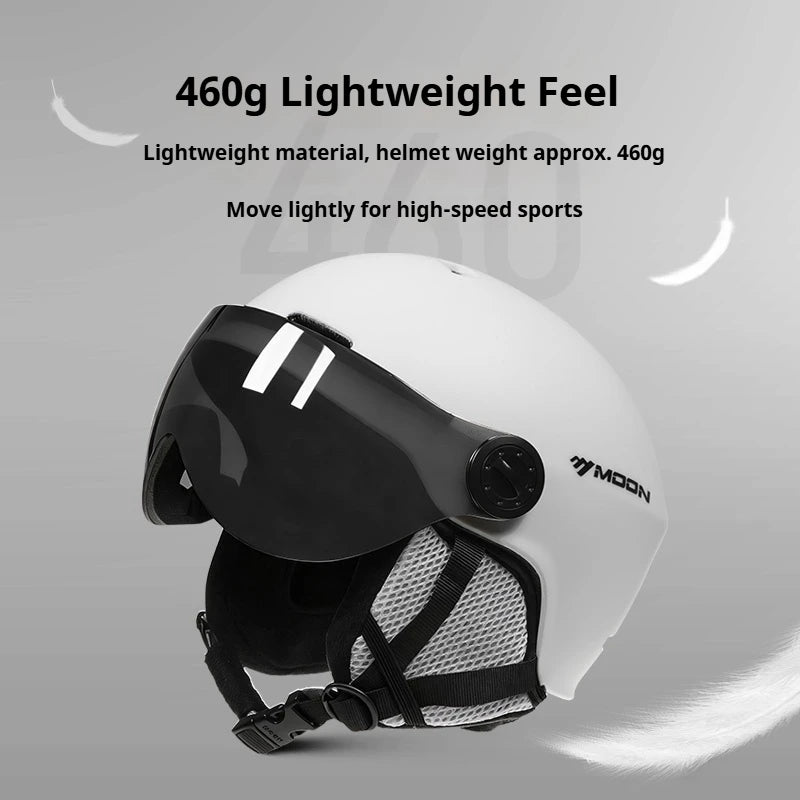
Confidence starts with the right snow skiing helmet. See it in action.













