

Best Snowboarding Helmet and Goggles Combos for Every Rider
Choosing the best snowboarding helmet and goggles combo is about more than matching colors. A well-designed system improves visibility, reduces fogging, eliminates uncomfortable gaps between your helmet and goggles, and helps you stay focused through changing mountain conditions. Whether you're buying your first setup or upgrading older gear, an integrated combo can provide better value, comfort, and confidence than piecing equipment together at random.
⏱ 5 min read
Looking for the right balance of safety, visibility, and value? This guide explains what separates an average setup from a high-performing helmet and goggles combo so you can make a more confident purchase.
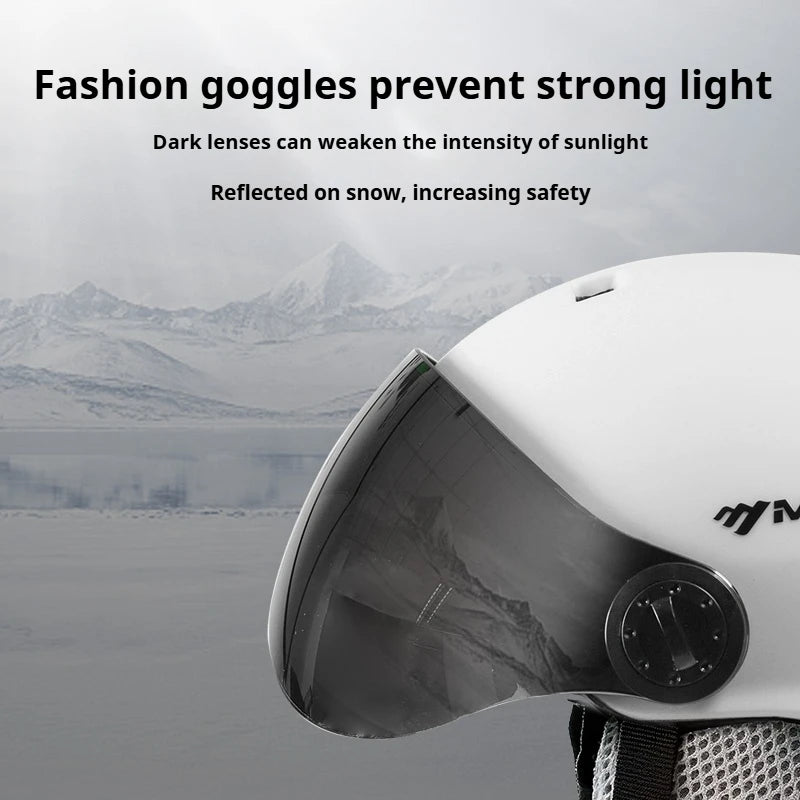
snowboard goggles and helmet clarity and comfort — See it in action
Why a Helmet and Goggles Combo Matters on the Slopes
Many snowboarders assume comfort problems come from harsh weather alone, but poorly matched equipment is often the real cause. A quality snowboarding helmet and goggles combo is engineered as a complete system, helping reduce fogging, pressure points, wind leaks, and distractions that can affect both enjoyment and safety.
Compared with buying separate pieces from unrelated brands, a dedicated snowboarding gear combo is more likely to deliver consistent helmet-to-goggle alignment. Matching frame curvature, ventilation channels, and face padding creates a tighter seal around your eyes without excessive pressure.
Integrated systems also offer practical value. New riders spend less time researching compatibility, while experienced riders benefit from predictable fit and easier setup before each run. In many cases, purchasing a combo can also be more cost-effective than buying premium helmets and goggles separately.
- Improved visibility: Better airflow helps reduce internal lens condensation during changing weather.
- More comfortable fit: Proper alignment minimizes forehead pressure and side gaps.
- Better weather protection: A continuous seal blocks cold air, snow, and wind from reaching your face.
- Simplified buying process: Compatibility concerns are largely eliminated with equipment designed to work together.
How Helmet and Goggles Combos Improve Fit, Comfort, and Safety
The best snowboard helmet and goggles combinations combine impact protection with long-term comfort. Rather than evaluating helmets and goggles separately, it's important to assess how the two components perform together throughout an entire day on the mountain.
- Precise Fit: Adjustable retention systems stabilize the helmet while reducing pressure where the goggle frame contacts your face.
- Balanced Ventilation: Helmet intake and exhaust vents work alongside goggle ventilation to promote continuous airflow and reduce moisture buildup.
- Certified Protection: Look for helmets meeting ASTM F2040 and CE EN1077 standards to ensure they satisfy recognized snow sports safety requirements.
- All-Day Comfort: Moisture-wicking liners, removable ear pads, and lightweight construction help reduce fatigue during extended riding sessions.
When these features work together, snowboard goggles helmet compatibility improves naturally, resulting in a more secure fit and fewer adjustments throughout the day.
Anti-Fog and Ventilation Systems Explained
Fogging occurs when warm, humid air becomes trapped behind a cold lens. Effective helmet and goggles combos minimize this problem by allowing air to circulate without exposing your face to excessive wind.
- Coordinated Vent Alignment: Matching intake and exhaust vents encourage steady airflow between helmet and goggles.
- Dual-Layer Anti-Fog Lenses: Hydrophilic coatings and double-pane construction help resist internal condensation.
- Adjustable Climate Control: Some helmets include removable liners or adjustable vents for changing temperatures.
Although no system completely eliminates fogging in every condition, properly matched equipment performs significantly better than mismatched gear during heavy snowfall, temperature swings, and high-output riding.
Helmet-Goggle Compatibility and Preventing Gaper Gap
One of the most common fit issues is the "gaper gap"—the exposed strip of forehead between the top of the goggles and the helmet. Besides looking awkward, this gap allows cold air inside and can compromise comfort.
- Choose compatible shapes: Helmet shell contours should closely match the goggle frame.
- Check strap positioning: The strap should sit securely in the helmet's retention clip without pulling the goggles upward.
- Test the seal: The face foam should contact your face evenly without creating painful pressure points.
- Verify field of view: A proper fit maintains peripheral vision while eliminating unnecessary gaps.
If you're wondering why some riders achieve a seamless look while others struggle, the answer usually comes down to snowboard goggles helmet compatibility , not simply helmet size.
MIPS vs Non-MIPS: Is It Worth It?
MIPS (Multi-directional Impact Protection System) adds a low-friction layer inside certain helmets that is designed to reduce rotational forces during specific angled impacts. While both MIPS and non-MIPS helmets can meet the same primary certification standards, many riders choose MIPS-equipped models for additional peace of mind.
- MIPS helmets: Offer an additional technology layer intended to help manage certain rotational impacts while maintaining comfort.
- Non-MIPS helmets: Often cost less while still meeting recognized ASTM and CE snow helmet certifications.
For riders spending many days each season on the mountain, the additional investment may be worthwhile. Budget-conscious riders can still find excellent protection by selecting a properly fitted certified helmet paired with compatible goggles.
Top Snowboarding Helmet and Goggles Combos Reviewed
To compare today's leading options, we evaluated each snowboarding helmet and goggles combo using the same practical criteria: overall fit, helmet-to-goggle compatibility, ventilation performance, lens clarity, ease of adjustment, comfort during extended riding, and overall value. Rather than focusing on marketing claims alone, the recommendations below reflect the features that make the biggest difference on the mountain.
1. [Brand/Model] – Best for Beginners
This combo prioritizes ease of use and dependable comfort, making it an excellent starting point for first-time snowboarders. The forgiving fit minimizes pressure points while the adjustable retention system helps new riders achieve a secure fit without constant readjustment.
- Pros: Comfortable fit, lightweight construction, straightforward sizing, dependable anti-fog performance.
- Potential drawbacks: Lens options may be more limited than premium systems.
- Best for: Beginners, occasional resort riders, and anyone purchasing their first complete setup.
2. [Brand/Model] – Best Anti-Fog Technology
Designed for riders who frequently encounter changing weather, this combo emphasizes visibility. A dual-layer spherical lens paired with effective ventilation helps reduce condensation during long lift rides and active descents.
- Pros: Excellent optical clarity, strong ventilation, reliable moisture management.
- Potential drawbacks: Premium lens technology often comes at a higher price.
- Best for: Intermediate and advanced riders who prioritize clear vision throughout the day.
3. [Brand/Model] – Best All-Mountain Performance
This balanced setup combines durable construction with versatile optics, making it suitable for groomed runs, mixed terrain, and changing light conditions. Quick lens changes add flexibility for riders spending full days on the mountain.
- Pros: Durable shell construction, excellent ventilation, quick-change lens system, secure helmet-goggle integration.
- Potential drawbacks: May be more feature-rich than casual riders require.
- Best for: Frequent riders seeking one dependable setup for a variety of snow conditions.
Quick Comparison Table: Fit, Ventilation, Lens, Safety
| Model | Best For | Fit | Ventilation | Lens Type | Safety Certification |
|---|---|---|---|---|---|
| [Brand/Model] | Beginners | Highly Adjustable | High | Cylindrical | ASTM F2040 / CE EN1077 |
| [Brand/Model] | Anti-Fog Performance | Medium | High | Spherical | ASTM F2040 / CE EN1077 |
| [Brand/Model] | All-Mountain Riding | Adjustable | High | Spherical | ASTM F2040 / CE EN1077 |
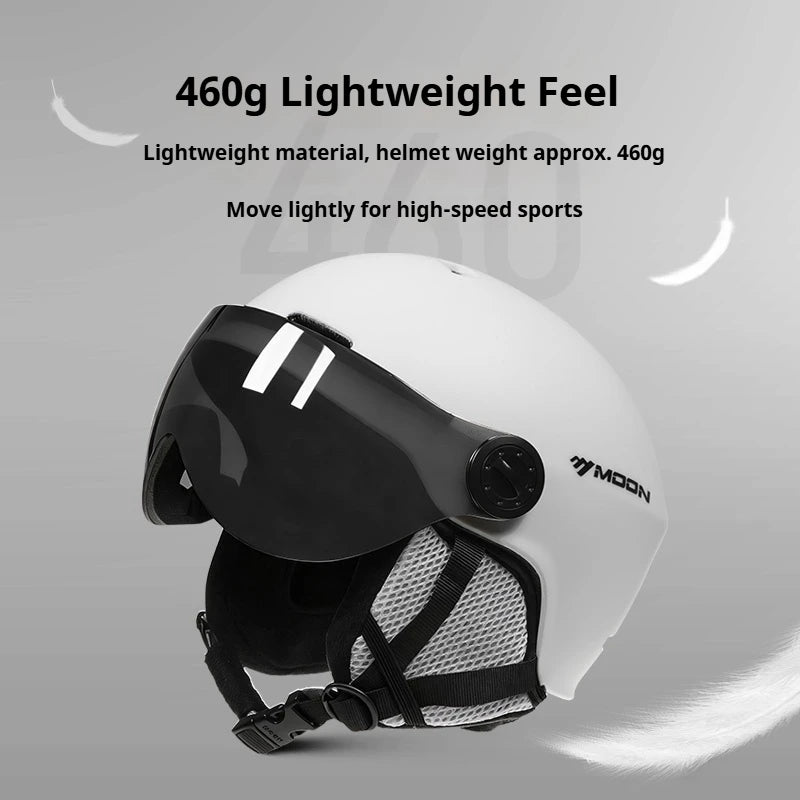
helmet and goggles combo stability on the slope — See it in action
Combo vs Separate Gear: Pros, Cons, and Value Analysis
Choosing between a dedicated helmet and goggles combo and purchasing each component separately depends on your experience, budget, and preference for customization. Neither option is universally better, but each serves different types of riders.
Helmet and Goggles Combo
- Advantages: Guaranteed compatibility, simplified shopping, coordinated styling, reduced chance of forehead gaps, and often better overall value when purchased as a package.
- Limitations: Fewer opportunities to customize lens technology or mix premium products from different manufacturers.
Buying Separately
- Advantages: Greater flexibility when selecting specialized lenses, premium helmets, or brand-specific features.
- Limitations: Requires more research to ensure proper fit, ventilation alignment, and helmet-goggle compatibility.
For most beginners and recreational snowboarders, a quality combo provides the easiest path to reliable performance. Riders who frequently encounter diverse weather conditions or already own premium gear may benefit from selecting helmets and goggles independently to tailor their setup to specific riding preferences.
Helmet and Goggle Compatibility Checklist
Before purchasing any snowboard helmet and goggles combo, perform these simple checks to ensure everything works together as intended.
Fit Test
- The helmet should sit level on your head without rocking forward or backward.
- Goggles should seal evenly around your face without uncomfortable pressure points.
- No exposed forehead should be visible between the helmet and goggles.
Vent Alignment
- Helmet intake vents should line up with the upper goggle vents.
- Air should circulate freely without creating excessive drafts.
- Proper vent alignment helps minimize condensation during long lift rides.
Strap Position
- Ensure the goggle strap sits securely in the helmet's rear strap retainer.
- The strap should hold the goggles firmly without pulling them upward.
- Adjust both helmet retention and goggle tension for balanced pressure.
OTG Glasses Compatibility
- If you wear prescription glasses, choose OTG (Over-The-Glasses) compatible goggles.
- Verify that your glasses fit comfortably without excessive pressure on the temples.
- Additional internal ventilation helps reduce fogging for both lenses.
Who Should Choose a Helmet and Goggles Combo?
A well-matched snowboarding gear combo benefits riders of every experience level, but different users gain different advantages depending on how and where they ride.
Beginners
New snowboarders benefit from simplified equipment selection and guaranteed compatibility. A complete combo reduces guesswork while providing dependable comfort and visibility from day one.
Riders spending multiple days each season on groomed runs appreciate the improved ventilation, reduced fogging, and consistent comfort offered by integrated systems.
Families and Kids
Parents often prefer helmet and goggles combos because matching components simplify sizing and reduce the chance of purchasing incompatible equipment for growing riders.
Budget-Conscious Buyers
Buying a bundled setup frequently delivers better overall value than purchasing comparable helmets and goggles separately, particularly in the entry-level and mid-range price categories.
For riders focused on lifestyle and performance balance, explore related winter essentials in the Lifestyle collection to complete your setup.
View the snowboard goggles and helmet combo
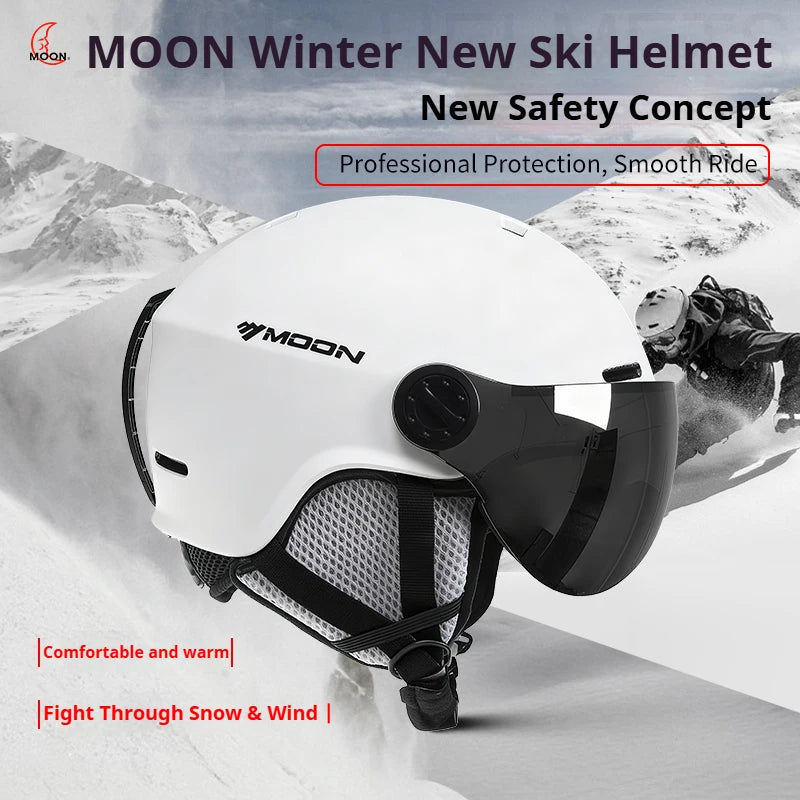
snowboard goggles and helmet for cold wind face protection — See it in action
Frequently Asked Questions About Snowboard Helmet and Goggles Combos
What is the best snowboard helmet and goggles combo for beginners?
Look for a lightweight combo with certified impact protection, an adjustable fit system, effective ventilation, and an anti-fog lens. Beginner-friendly models prioritize comfort, easy adjustment, and reliable compatibility over advanced premium features.
Do goggles fit all snowboard helmets?
No. Although many modern goggles are designed to fit a wide range of helmets, compatibility varies by frame shape, helmet profile, and strap positioning. Testing both pieces together remains the best way to achieve a gap-free fit.
How do I prevent the gaper gap?
Choose goggles and helmets with matching contours, adjust the helmet to sit level on your head, and ensure the goggle frame rests directly beneath the helmet without exposing your forehead.
Are helmet and goggle bundles worth buying?
For most riders, yes. Bundled systems simplify equipment selection, improve compatibility, and often provide better overall value than buying similar products separately. Advanced riders seeking highly specialized equipment may still prefer mixing individual components.
Should I choose a snowboard helmet with visor or separate goggles?
A snowboard helmet with visor vs goggles decision depends on your priorities. Visor helmets offer convenience and quick deployment, while dedicated goggles generally provide wider lens options, better anti-fog performance, and easier replacement for varying weather conditions.
Can I wear glasses or a balaclava with a combo?
Yes. Many modern systems accommodate thin balaclavas and OTG-compatible goggles designed specifically for prescription eyewear. Avoid overly bulky face coverings that interfere with the helmet-to-goggle seal.
What lens color is best for flat light?
Yellow, amber, rose, and other high-contrast tints typically improve definition during cloudy weather and flat-light conditions by increasing contrast across snow surfaces.
How often should snowboard helmets and goggles be replaced?
Replace any helmet immediately after a significant impact, even if visible damage is absent. Helmets should also be replaced if the shell or liner becomes damaged or excessively worn. Goggles should be replaced when scratched lenses, degraded foam, or failing anti-fog coatings noticeably affect vision.
Are MIPS helmets worth the extra cost?
Many riders consider MIPS-equipped helmets worthwhile because they incorporate an additional layer designed to help manage certain rotational forces during angled impacts. While both MIPS and non-MIPS helmets can meet the same certification standards, the added technology provides an extra level of protection that many riders value.
Related Guide: Ski Helmet With Goggles Review Real Pros Cons and Buyer Verdict













