Which snowboard helmet goggles combo fits your riding style best?
The best snowboard helmet goggle combo depends on your riding style, skill level, budget, and the conditions you ride most often. Park riders benefit from lightweight helmets paired with wide-field goggles, powder enthusiasts need high-VLT lenses with maximum weather protection, while all-mountain riders typically get the best value from versatile systems that balance ventilation, impact protection, and comfort. Choosing a snowboard helmet and goggles combo designed to work together minimizes goggle gap, improves airflow, enhances peripheral vision, and delivers more reliable performance throughout the season.
Best Snowboard Helmet Goggle Combo for 2026: Expert Picks by Riding Style
Choosing the right snowboard helmet goggles combo is one of the most important gear decisions you can make. A well-matched helmet and goggles setup improves visibility, reduces fogging, and provides dependable protection in changing mountain conditions. Whether you ride park laps, deep powder, groomers, or backcountry terrain, selecting equipment that integrates properly delivers greater comfort and confidence than choosing each piece independently.
⏱ 6 min read
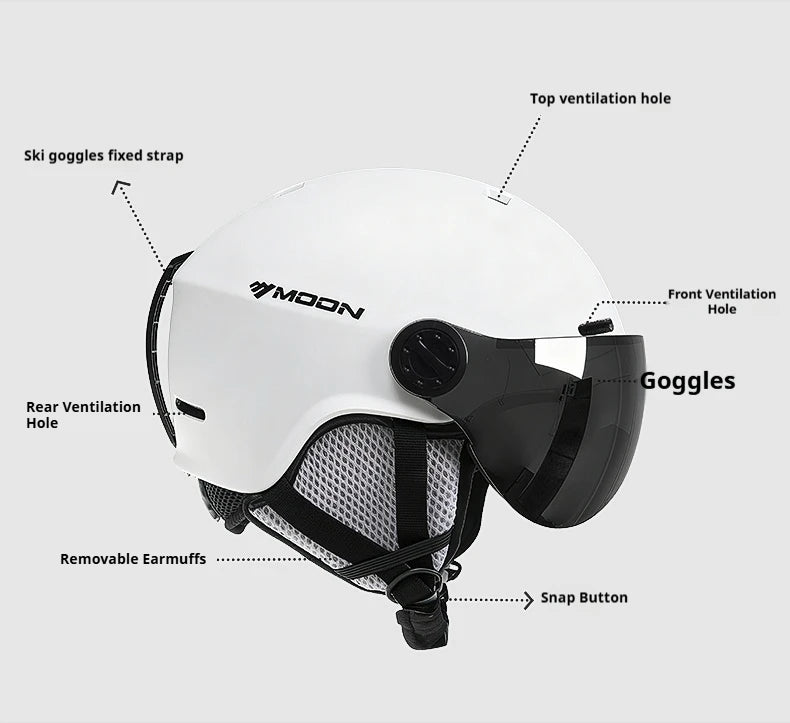
Snowboard helmet goggles for balanced fit and visibility — See it in action
Quick Comparison Table: Best Snowboard Helmet Goggle Combo for 2026
This quick comparison highlights what matters most when choosing the best helmet goggle combo for your riding style.
| Category | Safety | Lens & VLT | Ventilation | Weight | Typical Price | Best For |
|---|---|---|---|---|---|---|
| Best Overall | MIPS + ASTM certified | Photochromic / 20–60% VLT | Excellent | Medium | $$$ | All-mountain riders |
| Premium | MIPS + advanced shell | Magnetic interchangeable lenses | Excellent | Light | $$$$ | Experienced riders |
| Budget | ASTM certified | Dual lens / fixed VLT | Good | Medium | $ | Beginners |
| Powder | MIPS recommended | High VLT (50%+) | Very Good | Medium | $$$ | Storm riding |
| Park | Low-profile certified | Medium VLT | Excellent | Lightest | $$ | Freestyle |
Why the Right Helmet and Goggles Combo Matters
Snowboard helmet and goggles function as a complete protective system. When they fit together correctly, they improve safety, maximize visibility, and remain comfortable throughout long days on the mountain.
Impact Protection + Vision Clarity
A secure fit keeps goggles aligned with your face while preventing unwanted movement during aggressive riding. Stable alignment improves peripheral vision and helps you read terrain changes more accurately.
Anti-Fog Performance and Ventilation
Modern dual-pane lenses, combined with helmet ventilation channels, continuously move warm, moist air away from the lens. Matching ventilation systems is one of the biggest factors in preventing fog during changing weather.
Cold Wind Face Protection
A seamless interface between helmet and goggles minimizes exposed skin, blocks wind, and helps maintain warmth without sacrificing visibility.
MIPS and Safety Certifications
When comparing snowboard goggles and helmet combinations, prioritize certified helmets. Look for ASTM or CE certifications and consider MIPS-equipped helmets for additional rotational impact protection. While MIPS does not replace proper fit, it provides another layer of protection that many riders value.
Expert Tip: The biggest performance improvements come from choosing compatible equipment rather than simply purchasing the most expensive helmet or goggles separately.
Snowboard Helmet Goggles: Side-by-Side Comparison by Riding Style
Every rider values different features. This comparison highlights where each helmet and goggles combo performs best.
| Riding Style | Helmet Priority | Goggle Lens | Best Feature | Trade-Off |
|---|---|---|---|---|
| Park / Freestyle | Lightweight, low-profile | Medium tint, wide FOV | Mobility and vision | Less insulation |
| Powder / Storm | Full coverage, insulated | High VLT, low light | Warmth and clarity | Heavier setup |
| All-Mountain | Balanced fit | Versatile lenses | All-day adaptability | Not specialized |
Quick Pros and Cons
- Park setups: Lightweight, responsive, excellent field of view.
- Powder setups: Superior visibility during storms and stronger weather sealing.
- All-mountain setups: The best balance of versatility, comfort, and value.
Performance Scorecards
| Category | Comfort | Fog Resistance | Protection | Value |
|---|---|---|---|---|
| Park | ★★★★★ | ★★★★☆ | ★★★★☆ | ★★★★☆ |
| Powder | ★★★★☆ | ★★★★★ | ★★★★★ | ★★★★☆ |
| All-Mountain | ★★★★★ | ★★★★★ | ★★★★★ | ★★★★★ |
Best Snowboard Helmet and Goggles Combos (Top Picks for 2026)
Best Overall Combo
Offers excellent ventilation, dependable anti-fog performance, wide peripheral vision, and compatibility with most face shapes. Ideal for riders who want one helmet goggle combo for every condition.
- Pros: Excellent balance, versatile, dependable ventilation.
- Cons: Mid-to-premium pricing.
Best Premium Combo
Built with premium materials, advanced optics, magnetic lens systems, and lightweight construction for riders demanding the highest performance.
- Pros: Outstanding optics, comfort, quick lens changes.
- Cons: Higher investment.
Best Budget Combo
Delivers dependable protection, comfortable fit, and effective fog resistance without unnecessary premium features.
- Pros: Affordable, beginner-friendly.
- Cons: Limited premium lens options.
Best for Powder & Storms
Prioritizes high-VLT lenses, weather sealing, and insulation for consistently clear vision during snowfall and flat-light conditions.
Best for Park Riders
Features lightweight construction, low-profile styling, and excellent peripheral vision for jumps, rails, and technical freestyle riding.
Best for Beginners
Easy adjustment systems, forgiving fit, and dependable compatibility help new riders avoid common sizing mistakes.
Best for Women
Designed around smaller shell sizes and narrower face profiles while maintaining the same safety certifications and ventilation performance.
Best for Kids
Prioritizes lightweight construction, adjustable sizing, durable lenses, and easy-to-use retention systems that accommodate growing riders.
In-Depth Reviews: Top Helmet and Goggles Combo Picks
1. Premium All-Mountain Combo
Excels across changing terrain thanks to outstanding ventilation, dependable lens clarity, and an integrated fit that minimizes pressure points.
- Best For: Frequent riders.
- Strengths: Comfort, fog resistance, visibility.
- Overall Verdict: The most versatile option for riders who encounter mixed weather throughout the season.
2. Freestyle Lightweight Combo
A lightweight helmet paired with a wide-view goggle provides unrestricted movement and excellent awareness while reducing neck fatigue.
- Best For: Terrain parks.
- Strengths: Low weight, secure fit, wide field of view.
- Overall Verdict: Excellent for riders prioritizing agility.
3. Budget-Friendly Combo
Provides essential protection, reliable optics, and comfortable integration at an accessible price.
- Best For: New snowboarders.
- Strengths: Value, straightforward adjustment, dependable basics.
- Overall Verdict: A smart first purchase for occasional riders.
Testing Methodology
Our evaluations focus on helmet-goggle compatibility, comfort during extended wear, fog resistance, airflow, peripheral vision, weight, adjustment systems, and overall value. Products are compared based on real-world riding scenarios across sunny, stormy, and mixed mountain conditions rather than laboratory specifications alone.
How to Match Snowboard Helmet and Goggles for Perfect Fit
Helmet and Goggles Compatibility Basics
The best snowboard helmet and goggles combo sits flush without creating forehead gaps or pressure points. Integrated designs often provide the most consistent fit, but compatible products from different brands can also perform exceptionally well.
Strap Integration & Fit
Look for wide silicone-backed straps, secure retention clips, and enough adjustment to accommodate different helmet shell sizes without excessive tension.
Avoiding the Goggle Gap
Avoid visible space between the helmet brim and the top of the goggles. Besides improving comfort, a flush fit reduces cold airflow and enhances overall protection.
Compatibility Matrix by Brand
| Helmet Style | Best Goggle Fit | Notes |
|---|---|---|
| Low-profile | Medium frame | Excellent for freestyle |
| Round shell | Curved frame | Reduces forehead gaps |
| Full coverage | Large spherical lens | Ideal for storm conditions |
How to Choose Snowboard Helmet Goggles That Actually Work Together
Lens Technology (VLT, Anti-Fog)
Choose VLT according to your typical weather. Lower VLT works well for bright sunshine, while higher VLT improves contrast during storms. Dual-pane construction and premium anti-fog coatings remain essential regardless of tint.
Ventilation Systems
Match helmet vents with the airflow channels built into your goggles. Good ventilation keeps lenses clearer and improves overall comfort on long descents.
Helmet Shape Compatibility
Even premium equipment performs poorly when shell shape and goggle frame curvature do not align. Always test both pieces together before purchasing whenever possible.
Lens Colors for Different Weather
- Dark gray or mirrored: Bright bluebird days.
- Rose and amber: Mixed light.
- Yellow and clear: Storms, snowfall, and evening sessions.
Snowboard Helmet Sizing and Measurement Guide
Measure the circumference of your head approximately 1 inch (2.5 cm) above your eyebrows using a flexible measuring tape. Compare that measurement with the manufacturer's sizing chart rather than relying on your usual clothing size.
- Adjust the fit system before tightening the chin strap.
- The helmet should remain stable when you shake your head.
- Size up only if you're between sizes and frequently wear thick winter liners.
- Avoid buying oversized helmets simply to accommodate goggles—the correct goggle size should match the helmet instead.
Helmet and Goggle Care, Replacement, and Storage
- Clean lenses using a microfiber cloth only.
- Allow goggles to air dry naturally after riding.
- Store helmets away from excessive heat and direct sunlight.
- Inspect helmets after significant impacts and replace damaged equipment immediately.
- Replace helmets following major crashes or when the protective liner becomes compromised.
- Replace scratched lenses that noticeably reduce visibility.
Snowboard Helmet Goggles: Quick FAQ
Do helmet and goggles combo sets reduce fog?
Yes. Matching ventilation channels and improved sealing help reduce moisture buildup and improve airflow.
What VLT lens should I use?
Use 5–20% VLT for bright sunshine, 20–50% for mixed conditions, and above 50% for storms and flat light.
How do I prevent the goggle gap?
Select compatible helmet and goggle shapes that meet flush across the forehead without visible spacing.
Are ski helmet combos suitable for snowboarding?
Yes. Certified ski helmets and snowboard helmets generally follow the same safety standards, provided they fit correctly and are designed for snow sports.
Should I buy a bundle or separate helmet and goggles?
Bundles offer guaranteed compatibility and convenience, while separate purchases provide greater flexibility if you have specific fit or lens preferences.
Related Guide: Best Integrated Goggle Ski Helmet Compared for Clarity and Comfort
Recommended Reading: Eye Care Blog
More Gear: Lifestyle Collection