Does standing all day cause sore knees?
Yes. Standing all day can cause sore knees because your joints, muscles, tendons, and ligaments remain under continuous load with limited movement. As muscles fatigue and circulation slows, the knee joint becomes stiffer and less comfortable, especially after a long shift. Most cases improve with rest, movement, and recovery strategies, but persistent or severe pain may indicate an underlying condition that deserves medical evaluation.
How prolonged standing affects the knee
Unlike walking, standing in one place keeps the knee under steady compression without the natural pumping action that helps circulate blood and lubricate the joint. Over several hours, this combination of muscle fatigue, joint loading, and reduced mobility can lead to knee pain from standing all day.
When soreness is normal vs a warning sign
Mild soreness that improves after resting, stretching, or changing positions is generally related to overuse. However, swelling that continues for several days, inability to bear weight, significant instability, locking, or severe pain after an injury should be assessed by a healthcare professional.
Sore Knees From Standing: Causes, Relief, and Prevention Guide
⏱ 7 min read
After a long shift on your feet, do your knees feel stiff, achy, or swollen when you finally sit down? Sore knees from standing are common—but with the right recovery habits, workplace adjustments, and supportive tools, you can reduce discomfort, recover faster, and help prevent recurring pain.
Explore practical recovery methods that fit busy work schedules.
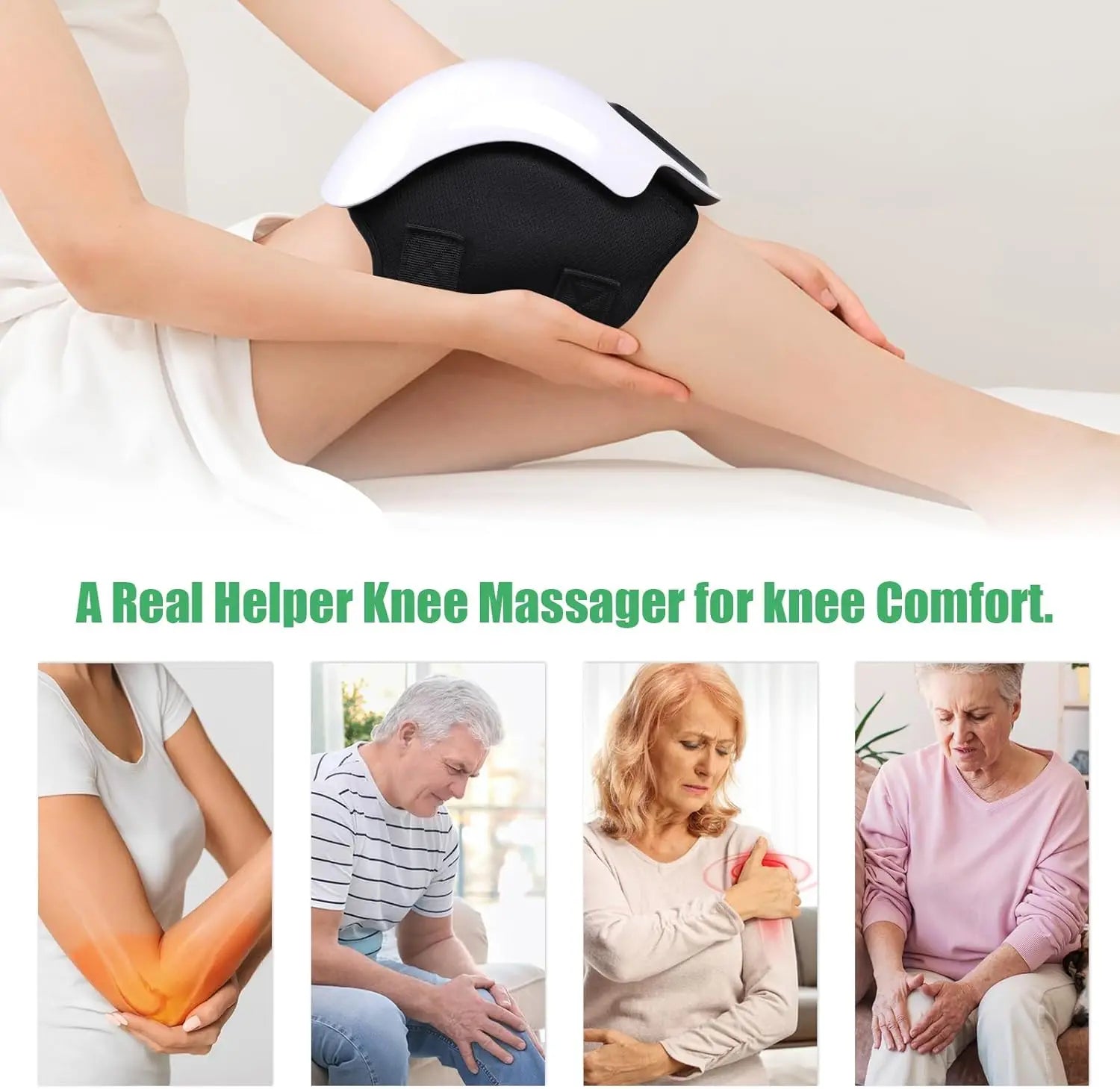
Sore knees from standing after work? See it in action.
Why do my knees hurt after standing? (Root causes explained)
There isn't one single reason why knees become sore after standing. The underlying cause often depends on your activity level, footwear, previous injuries, body mechanics, and joint health.
Muscle fatigue and overuse
The quadriceps, hamstrings, calves, and glute muscles continuously work to stabilize your body while standing. As these muscles tire, they provide less support to the knee, increasing joint stress and contributing to stiffness.
Poor footwear and hard floors
Unsupportive shoes, worn-out cushioning, or standing on concrete for hours increase the force transmitted through your knees. Shoes with good arch support and shock absorption may reduce repetitive stress throughout the workday.
Alignment and excess body weight
Standing with locked knees, uneven weight distribution, or poor posture changes how forces travel through the joint. Carrying excess body weight also increases compression across the knee, making soreness more likely after prolonged standing.
Osteoarthritis and patellofemoral pain syndrome
People with osteoarthritis often notice stiffness after periods of inactivity or prolonged standing. Patellofemoral pain syndrome commonly causes discomfort around the front of the kneecap, especially after long shifts or climbing stairs.
Bursitis and tendon irritation
Repeated stress may irritate the bursae or tendons surrounding the knee, causing localized tenderness, swelling, or pain during movement. These conditions often improve with activity modification and appropriate recovery.
Common symptoms and what they may mean
The location and type of discomfort can provide clues about what's contributing to your knee pain.
Front of knee pain
Pain around the kneecap often relates to muscle imbalance, patellofemoral pain syndrome, or repetitive loading during prolonged standing.
Pain behind the knee
Discomfort behind the knee may be associated with tight hamstrings, calf muscles, tendon irritation, or fluid buildup. Persistent swelling should be evaluated by a healthcare professional.
Swelling, stiffness, or clicking
Temporary stiffness after standing is common, especially if you've remained in one position. Swelling, repeated clicking with pain, or reduced range of motion may indicate a condition requiring further assessment.
One knee vs both knees
Pain affecting both knees often points toward workload, footwear, or posture. Pain isolated to one knee may suggest a previous injury, muscle imbalance, or localized joint condition.
Anyone can develop sore knees after long periods of standing, but certain occupations and health factors increase the likelihood.
Retail and hospitality workers
Cashiers, servers, and retail employees frequently stand in one location, leading to muscle fatigue and joint stiffness.
Factory and warehouse jobs
Standing on concrete floors while performing repetitive tasks places continuous stress on the knees and lower limbs.
Healthcare professionals
Nurses, therapists, and other healthcare staff spend many hours walking and standing, often with limited opportunities for rest.
People with previous knee injuries
Past ligament injuries, meniscus tears, or chronic joint conditions may reduce the knee's ability to tolerate prolonged standing comfortably.
Quick relief for sore knees after standing (do this tonight)
If your knees feel sore after work, focus on reducing irritation, restoring movement, and allowing the joint to recover.
Rest, ice, and elevation
- Elevate your legs for 10–15 minutes.
- Apply ice for 15–20 minutes if swelling is present.
- Avoid high-impact activity immediately after your shift.
Gentle mobility exercises
- Slow knee bends
- Seated leg extensions
- Easy hamstring and calf stretches
Compression and pain management
A compression sleeve may help reduce swelling and improve comfort during recovery. Over-the-counter pain relief may be appropriate for some people when used according to package directions or medical advice.
When heat may help
Heat is often useful for stiffness after swelling has settled. A warm compress before stretching can help loosen tight muscles surrounding the knee.
Best exercises for knee pain from standing
Regular strengthening and flexibility work improves joint stability and helps reduce recurring soreness.
Hamstring, calf, and hip flexor stretches
- Hamstring stretch: hold 20–30 seconds.
- Standing calf stretch against a wall.
- Hip flexor stretch to reduce tension through the hips and knees.
Quadriceps and glute strengthening
- Wall sits
- Straight leg raises
- Glute bridges
- Mini squats if comfortable
Balance and mobility drills
Single-leg balance exercises, controlled step-ups, and gentle mobility drills improve joint control and may reduce repetitive strain during long work shifts.
Progression guidelines
Start with low repetitions and increase gradually as pain improves. Stop exercises that significantly increase pain or cause swelling.
How to relieve knee pain after standing long-term (recovery plan)
Post-shift recovery routine
- Elevate your legs for 15–20 minutes.
- Use ice if swollen or heat if stiffness is the main concern.
- Perform gentle stretching before bedtime.
- Consider massage or vibration therapy as part of your recovery routine.
Weekly strengthening plan
- Strength training two to three times per week.
- Stretch after work or exercise.
- Replace worn footwear when cushioning deteriorates.
Recovery timeline and expectations
Simple overuse soreness often improves within one to three days. If symptoms continue for several weeks despite self-care, consider evaluation by a healthcare professional to identify underlying causes.
How vibration therapy relieves knee discomfort
Potential benefits
Some studies suggest vibration therapy may temporarily improve circulation, reduce muscle tightness, and promote relaxation after prolonged standing. Many people find it helps decrease feelings of stiffness following a long workday.
People who spend extended periods standing, including healthcare workers, retail employees, and warehouse staff, may find vibration therapy a useful addition to stretching and strengthening—not a replacement for them.
Limitations of evidence
Research is still developing. Vibration therapy should be viewed as a supportive recovery tool alongside exercise, ergonomic improvements, and appropriate medical care when needed.
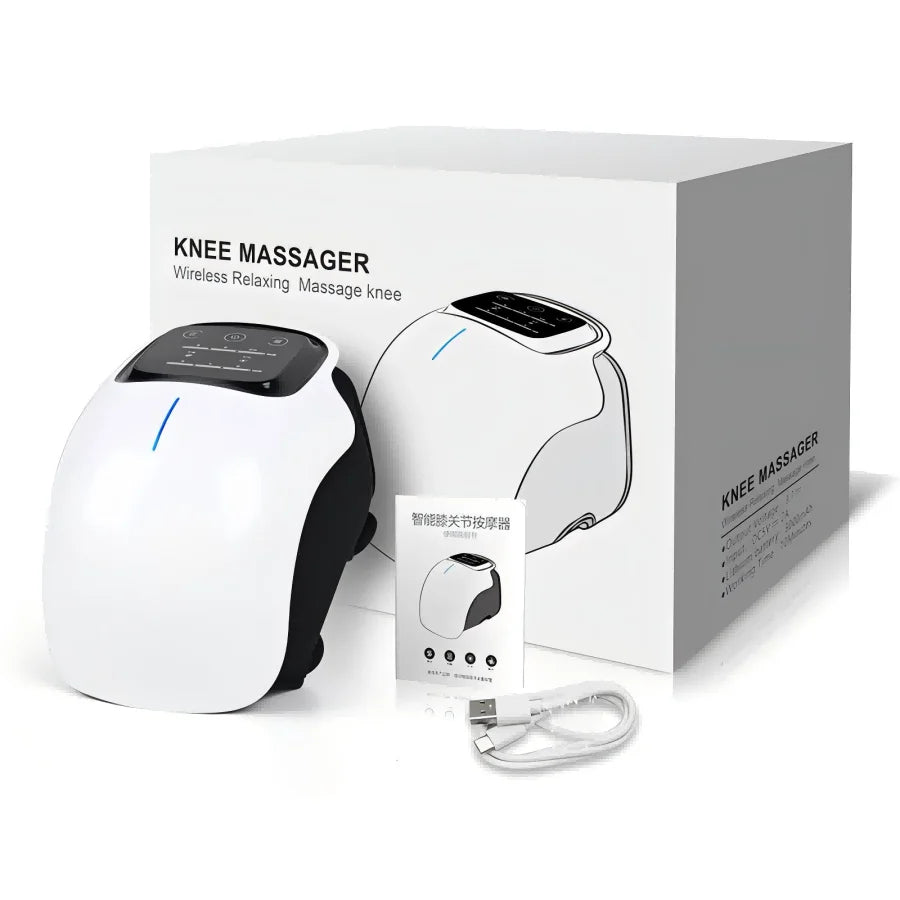
Targeted vibration therapy may help reduce stiffness after long shifts.
How to Use a Knee Massager for Daily Recovery
Recovery is most effective when performed consistently after demanding workdays.
Best time to use
- Wrap the device comfortably around the knee.
- Select a low or moderate intensity.
- Use for approximately 10–15 minutes per knee.
- Combine with light stretching afterward for the best results.
For those exploring recovery tools, a cordless option like the Cordless Knee Massager allows convenient use at home or after work.
Do knee massagers work for long-term comfort?
They may help reduce temporary stiffness and improve comfort when combined with strengthening exercises, supportive footwear, and regular movement throughout the day.
Safety considerations
Avoid using massage devices directly over open wounds, recent fractures, or areas of active infection. If you have significant swelling or an underlying medical condition, consult your healthcare provider before use.
Knee support for standing all day (tools that actually help)
Compression sleeves and braces
Compression sleeves may improve comfort and help control mild swelling, while braces may provide additional support for certain knee conditions.
Supportive shoes and insoles
Proper footwear with cushioning, stability, and arch support can significantly reduce repetitive impact on the knees.
Anti-fatigue mats
Standing on cushioned mats helps decrease stress on the knees, hips, and lower back compared with hard flooring.
Workstation adjustments
Alternating between standing and walking, using a footrest to shift weight, and adjusting workstation height can reduce continuous joint loading.
How to prevent knee pain from prolonged standing
Standing posture
- Avoid locking your knees.
- Keep your weight evenly distributed.
- Maintain a slight bend in your knees.
Movement breaks
- Shift your position every 10–15 minutes.
- Walk briefly whenever possible.
- Stretch during scheduled breaks.
Weight management
Maintaining a healthy body weight reduces pressure across the knee joint during prolonged standing.
Strength and flexibility habits
Consistent strengthening of the hips, thighs, and calves, combined with regular stretching, helps support healthy knee mechanics over time.
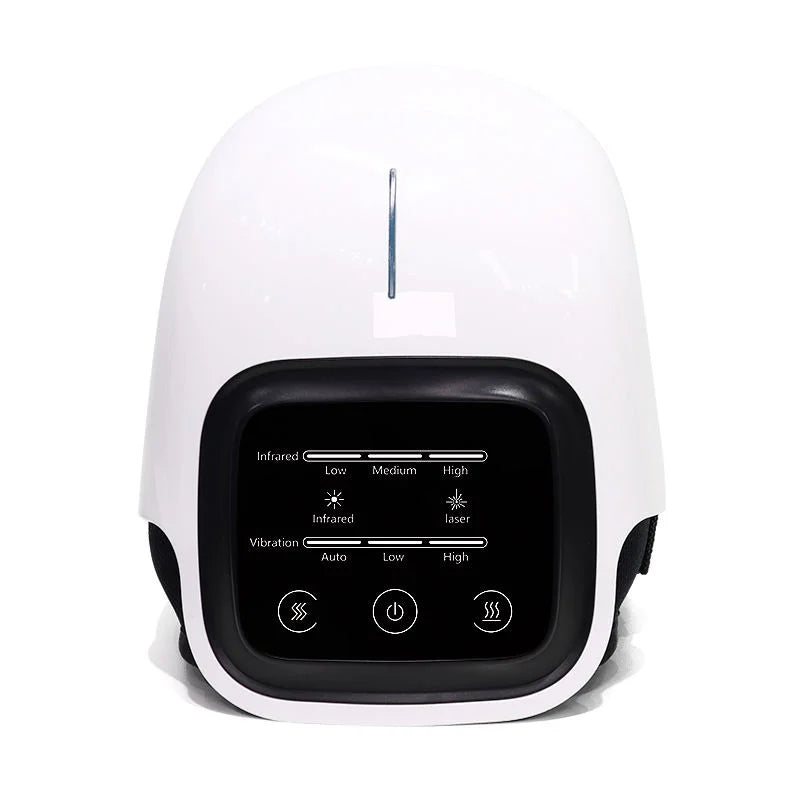
A consistent recovery routine helps reduce next-day knee soreness.
Support your knees after every long day.
When should you see a doctor?
Red-flag symptoms
Seek prompt medical care if your knee becomes severely swollen, deformed, unstable, or painful after a significant injury, or if you cannot bear weight.
Persistent pain
If knee pain lasts longer than several weeks despite rest, exercise, and activity modification, a healthcare professional can help determine the underlying cause.
Imaging and diagnosis
Depending on your symptoms, your clinician may recommend X-rays, ultrasound, or MRI to evaluate bones, cartilage, tendons, ligaments, or other joint structures.
Frequently Asked Questions
Why do my knees hurt more after standing than walking?
Standing still reduces circulation and increases joint stiffness, while walking encourages blood flow and helps lubricate the knee joint.
How do you relieve knee pain after standing all day?
Rest, elevate the legs, apply ice if swelling is present, perform gentle stretching, and gradually return to movement as symptoms improve.
Can standing all day cause long-term knee damage?
Prolonged standing alone does not always cause permanent damage, but repeated stress without adequate recovery or ergonomic support may contribute to chronic knee problems.
What is the best support for standing all day?
Supportive footwear, compression sleeves when appropriate, anti-fatigue mats, and regular movement breaks are among the most effective strategies.
How often should I stretch to prevent knee pain?
Stretching three to five days each week, especially after work or exercise, helps maintain flexibility and reduce joint stress.
Can poor shoes cause sore knees from standing?
Yes. Shoes with inadequate support or worn cushioning increase impact on the knees and can contribute to soreness over time.
Is standing on concrete worse for knee pain?
Hard surfaces like concrete provide little shock absorption, making knee discomfort more likely during long shifts.
Should I use ice or heat after standing all day?
Ice is generally better for swelling or inflammation, while heat may help relieve stiffness once acute swelling has subsided.
Can compression sleeves prevent knee pain at work?
Compression sleeves may improve comfort and reduce mild swelling, but they work best alongside supportive footwear, movement breaks, and strengthening exercises.
How long should knee soreness last after a long shift?
Most mild overuse soreness improves within 24 to 72 hours. Pain that persists or worsens despite self-care should be evaluated by a healthcare professional.
Related Guide: Ways to Relax Knee Joints Step by Step at Home