

What Is a Foot Soak at Home and Does It Really Relieve Stress?
A foot soak at home is a simple self-care practice that involves immersing your feet in warm water with ingredients such as Epsom salt, vinegar, baking soda, herbs, or essential oils. Beyond making your feet feel refreshed, this relaxing ritual can ease muscle tension, encourage healthy circulation, soften skin, and help your body transition into a calmer state after a busy day.
How a warm foot soak affects your body
Warm water gently widens blood vessels near the skin, increasing blood flow to your feet and ankles. This can reduce feelings of stiffness while encouraging tired muscles to relax. The combination of warmth, quiet time, and gentle massage also activates your body's relaxation response, making a foot soak for stress relief an easy addition to an evening wellness routine.
When you'll feel results
Many people notice warmer feet and reduced tension within 10 to 15 minutes. While a single session can help you unwind, practicing a foot soak at home several times each week often provides the greatest long-term benefits for comfort, relaxation, and sleep quality.
Foot Soak at Home for Stress Relief: Easy DIY Recipes and Benefits
A simple foot soak at home can transform an ordinary evening into a restorative ritual. Instead of ignoring sore, tired feet, you can create an affordable spa-inspired routine that relieves tension, improves comfort, softens skin, and supports better sleep without leaving your home.
⏱ 6 min read
Discover what makes at-home foot soaking feel truly spa-worthy.
Whether you've been standing all day, walking long distances, exercising, or simply want to unwind before bed, a warm foot soak offers an easy way to care for your feet while supporting overall relaxation.
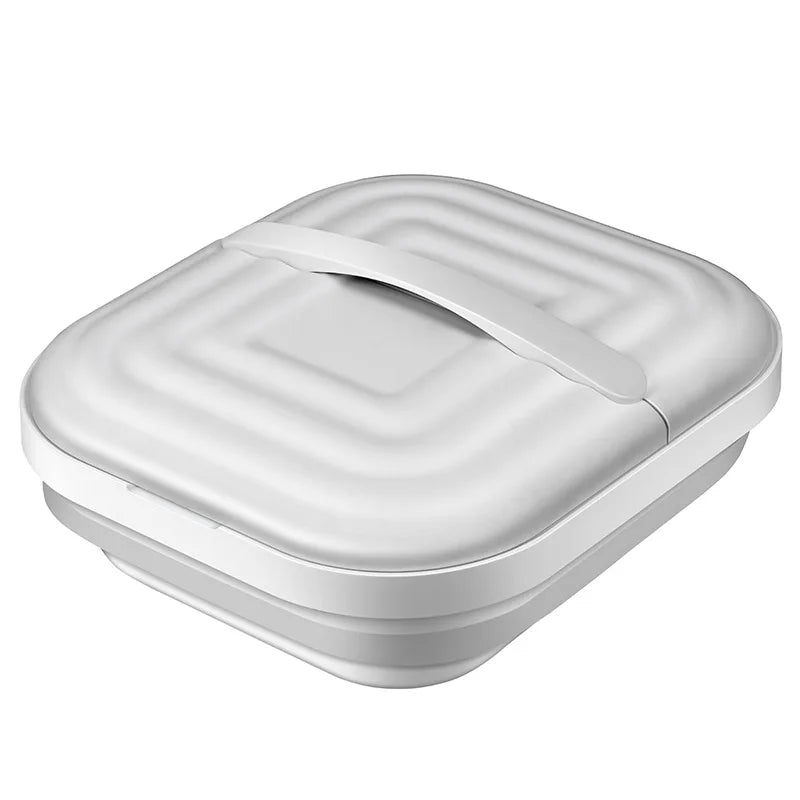
Spa like foot soaking at home for instant calm — See it in action
Benefits of Foot Soaking (Backed by Simple Science)
Circulation and muscle relaxation
One of the most recognized warm foot soak benefits is improved circulation to the feet. Better blood flow may help reduce stiffness, ease tired muscles after prolonged standing, and leave your feet feeling lighter and more comfortable.
Stress and nervous system calming
Warm water, deep breathing, and a quiet environment encourage your parasympathetic nervous system—often called the "rest and digest" response—to become more active. This helps your body gradually shift away from the stress of the day.
Skin, odor, and foot health
The benefits of foot soaking also include softening calluses, loosening dry skin, and reducing odor-causing bacteria when appropriate ingredients such as vinegar or baking soda are used correctly.
| Benefit | What You May Notice |
|---|---|
| Improved circulation | Warmer feet and reduced feelings of heaviness |
| Muscle relaxation | Less tightness after walking or standing |
| Stress reduction | Calmer mood and easier evening relaxation |
| Skin care | Softer skin and easier removal of rough patches |
| Sleep support | A more comfortable bedtime routine |
How to Soak Feet at Home (Step-by-Step Guide)
What you need
- A basin or tub large enough for both feet
- Warm water
- Your preferred ingredients such as Epsom salt, herbs, or essential oils
- A clean towel
- Moisturizing cream or lotion
Exact steps with timing
- Fill your basin with comfortably warm water.
- Add your chosen foot soak ingredients and stir gently.
- Soak your feet for 15 to 20 minutes.
- Massage your arches, heels, and toes during the final few minutes.
- Pat your feet completely dry, especially between the toes.
Ideal water temperature
For the best results, keep the water between 37–40°C (98–104°F) . Water that feels excessively hot can dry the skin or increase irritation, especially if you have sensitive skin.
After-soak moisturizing and care
Finish your at home foot spa by applying a moisturizer while your skin is still slightly damp. This helps lock in hydration and can improve rough heels over time. If desired, wear breathable cotton socks afterward to retain moisture overnight.
5 Best DIY Foot Soak Recipes for Different Needs
Relaxing foot soak recipe (Epsom salt + lavender)
Mix 2 tablespoons of Epsom salt with 3 to 5 drops of lavender essential oil. This classic relaxing foot soak recipe is ideal for evening relaxation and tired muscles.
Foot soak for stress relief and sleep
Steep chamomile tea, add it to warm water with a small amount of Epsom salt, and soak before bedtime. This combination creates a calming bedtime ritual.
Odor control foot soak (vinegar + baking soda)
Mix 1 cup of white vinegar with 2 tablespoons of baking soda in warm water. This homemade foot soak can help reduce foot odor while refreshing the skin. Avoid using it on cracked or irritated skin.
Sore feet and swelling recovery soak
Blend Epsom salt with a few drops of peppermint essential oil for a cooling sensation after long walks, exercise, or extended standing. Elevating your feet afterward may further improve comfort.
Dry skin and cracked heels soak
Combine warm milk with a spoonful of honey for a gentle soak that softens dry skin before exfoliating and applying moisturizer.
Why These Ingredients Work (Epsom Salt, Vinegar, Oils)
Epsom salt benefits
An Epsom salt foot soak is popular because it pairs warm water with magnesium sulfate crystals that help create a relaxing soaking experience for tired feet, although magnesium absorption through the skin remains uncertain.
Vinegar and antibacterial effects
Vinegar creates a mildly acidic environment that may help reduce odor-causing bacteria while leaving feet feeling cleaner. It should be diluted properly and avoided if the skin is broken.
Essential oils and relaxation
Lavender, chamomile, eucalyptus, and peppermint essential oils provide pleasant aromas that contribute to relaxation. Always dilute essential oils before adding them to water to reduce the risk of skin irritation.
Baking soda and herbal additions
Baking soda may help neutralize odors and gently soften skin, while dried herbs such as chamomile or calendula add a soothing sensory experience to your foot soak recipe .
How to Create a Spa Foot Soak at Home Experience
Environment setup
Choose a quiet space, dim the lights, play calming music, and silence notifications so your foot soak becomes a dedicated self-care session rather than another task.
Enhancing relaxation
Pair your soak with gentle stretching, breathing exercises, or a short foot massage to maximize comfort. Warm towels and relaxing scents can also make your spa foot soak at home feel more luxurious.
Browse curated solutions in Body Care and Health Devices .
Choosing the Right Foot Soak for Your Needs
For stress vs pain vs odor
Choose ingredients based on your primary goal:
- Stress relief: Lavender, chamomile, warm water
- Sore muscles: Epsom salt and peppermint
- Foot odor: Vinegar with baking soda
For dry skin and cracked heels
If your priority is smoother skin, choose moisturizing ingredients such as honey, milk, or oatmeal, then follow with a rich moisturizer after soaking.
When to avoid certain ingredients
Avoid vinegar on cuts or irritated skin, use essential oils sparingly if you have sensitive skin, and discontinue any ingredient that causes redness or discomfort.
Common Mistakes to Avoid When Doing a Foot Soak
- Using water that is too hot
- Soaking longer than 20 to 30 minutes
- Adding excessive amounts of essential oils
- Skipping moisturizer after drying your feet
- Using harsh ingredients on broken skin
How Often Should You Do a Foot Soak?
Most people enjoy the foot soaking benefits by soaking 2 to 3 times per week. If you're recovering from particularly long days on your feet, short daily sessions are generally reasonable provided your skin remains healthy and well moisturized. If your feet become dry or irritated, reduce the frequency.
Who Should Avoid or Modify Foot Soaks?
Diabetes and poor circulation
People with diabetes or reduced sensation in their feet should consult their healthcare provider before soaking. Always test the water temperature carefully to avoid burns.
Open wounds and infections
Avoid soaking if you have open cuts, severe athlete's foot, active infections, or significant skin damage until healing has occurred or a healthcare professional advises otherwise.
Pregnancy and sensitive skin
Warm foot soaks are generally well tolerated, but pregnant individuals and those with highly sensitive skin should avoid excessively hot water and strongly scented essential oils unless recommended by their healthcare provider.
Best Foot Soak Ingredients at a Glance
Ingredient comparison table
| Ingredient | Best For | Notes |
|---|---|---|
| Epsom salt | Tired muscles | Popular choice for relaxing foot baths |
| Lavender oil | Stress relief | Always dilute before use |
| Peppermint oil | Cooling tired feet | Use only a few drops |
| White vinegar | Foot odor | Avoid broken skin |
| Baking soda | Odor and softening | Pairs well with vinegar in separate stages or diluted mixtures |
| Honey and milk | Dry skin | Follow with moisturizer |
Which ingredient matches which concern
If you're unsure which DIY foot soak to try first, begin with Epsom salt for tired feet, lavender for relaxation, vinegar for odor control, or moisturizing ingredients for dry heels.
Quick FAQs
How often should I do a foot soak at home?
Two to three sessions per week work well for general wellness, while shorter sessions can be used more frequently if your skin tolerates them.
Can a foot soak help with stress?
Yes. Warm water, a quiet environment, and calming aromas can help you relax and support an effective evening wind-down routine.
How long should I soak my feet?
About 15 to 20 minutes is sufficient for most people.
Can I use a foot soak every day?
Yes, provided your skin stays healthy and you moisturize afterward.
What is the best DIY foot soak?
An Epsom salt foot soak with a few drops of lavender essential oil is one of the most versatile options for relaxation and tired feet.
Can I use table salt instead of Epsom salt?
Table salt can be used if Epsom salt isn't available, but it won't provide the same experience or texture that many people prefer in a homemade foot soak.
Should I rinse my feet after soaking?
If you used vinegar, essential oils, or other additives, a quick rinse with clean water is a good idea before drying and moisturizing.
What water temperature is best for a foot soak?
A temperature between 37–40°C (98–104°F) provides a comfortable balance between relaxation and skin safety.
Experience spa like foot soaking at home with the KentDO Heated Foot Bath Massager .
Related Guide: Cold Feet Poor Circulation Solutions for Everyday Comfort













