

Does a spinal alignment support device really work?
A spinal alignment support device may help improve posture awareness, reduce muscle strain, and support more comfortable positioning when used correctly. Research suggests that ergonomic support tools can be helpful for managing posture-related discomfort, but they work best as part of a broader approach that includes movement, stretching, and healthy daily habits.
Spinal Alignment Device Benefits: What They Do and How They Improve Daily Comfort
⏱ 8 min read
If long hours at a desk, frequent stiffness, or lower-back tension affect your daily comfort, a
spinal alignment support device
may help support healthier posture habits. These devices are designed to encourage better spinal positioning, reduce unnecessary strain on muscles and joints, and make everyday movement feel more comfortable.
Explore solutions designed to complement healthy posture habits and movement routines.
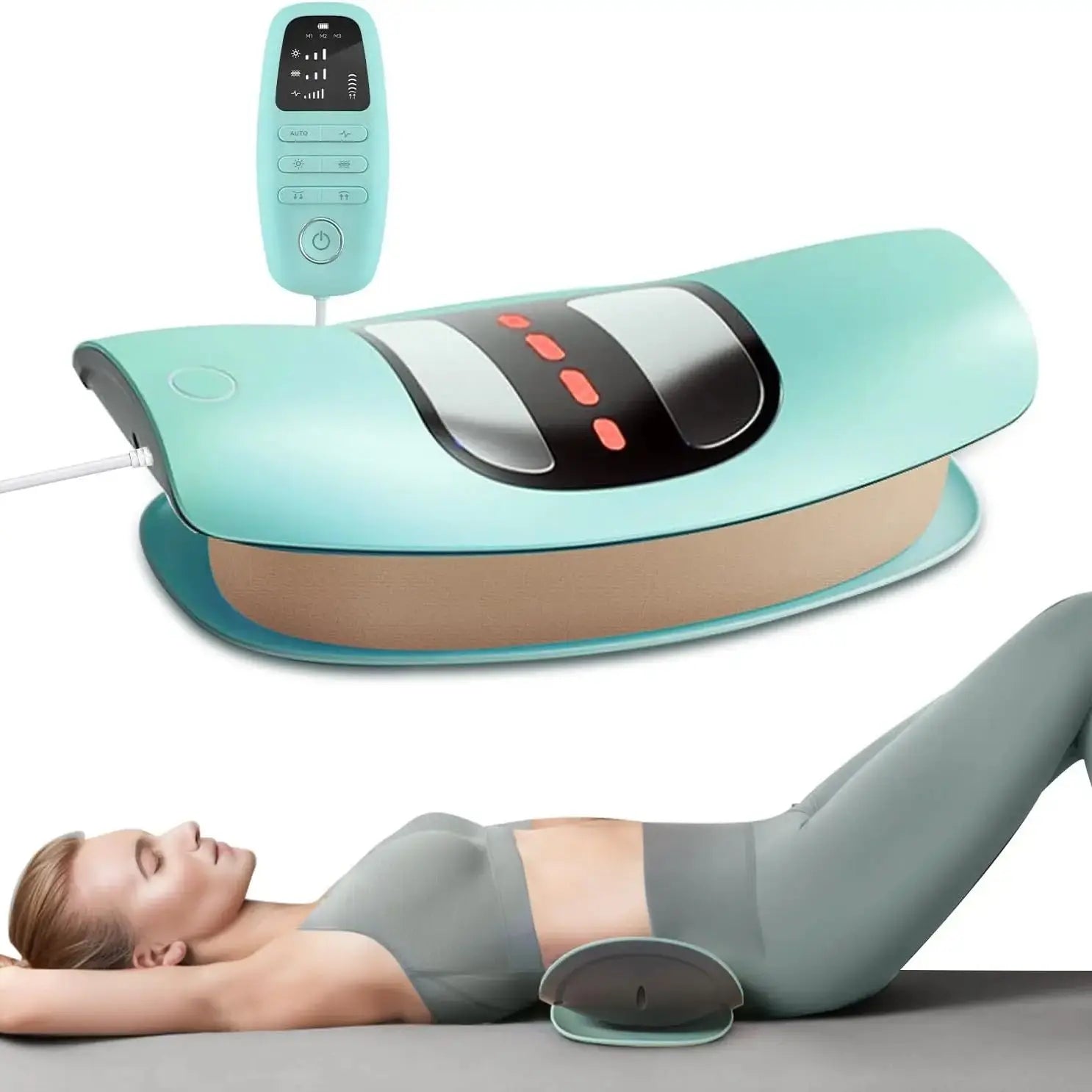
Spinal alignment support device designed for ergonomic lumbar support and daily posture comfort. See it in action
What Is a Spinal Alignment Support Device?
A spinal alignment support device is a tool designed to encourage healthier spinal positioning by supporting the body's natural curves. Depending on the design, these devices may provide lumbar support, gentle stretching, posture guidance, or positioning assistance during rest and daily activities.
The goal of a spine alignment corrector is not to force the spine into a new position but to reduce unnecessary strain and encourage more balanced posture patterns over time.
Common types of spinal alignment devices
- Spinal traction devices: Designed to provide gentle stretching that may help reduce feelings of compression and stiffness.
- Posture correctors: Wearable supports that encourage awareness of shoulder and upper-body positioning.
- Ergonomic lumbar support devices: Cushioned or contoured supports that help maintain the lower-back curve while sitting or resting.
- Back stretchers: Devices that place the spine into a supported extension position to improve comfort and mobility.
How they differ from posture correctors and lumbar supports
Although these products are often grouped together, they serve different purposes. A posture corrector mainly focuses on reminding users to avoid slouching, while an ergonomic lumbar support device focuses on maintaining the natural curve of the lower back.
A spinal alignment device combines elements of support and positioning to help users develop better awareness of how their spine is positioned during daily activities.
What spinal alignment issues are they designed to address?
Common lifestyle factors such as prolonged sitting, limited movement, and poor workstation setup can contribute to muscle imbalance and posture-related discomfort. Spinal alignment devices are designed to support situations where the body experiences repeated strain from these habits.
They may be useful for improving comfort associated with:
- Extended periods of sitting
- Lower-back stiffness after inactivity
- Posture-related muscle fatigue
- Reduced mobility caused by tight muscles
Does a Spinal Alignment Device Work? What the Evidence Says
The effectiveness of a spinal alignment device depends on the type of device, the user's condition, and how it is used. Current research supports the idea that ergonomic support and posture-focused interventions can help reduce discomfort caused by poor positioning, but devices are not a guaranteed solution for every type of back problem.
What clinical research suggests
Studies on ergonomic supports and posture interventions indicate that improving spinal positioning and reducing mechanical stress may help decrease discomfort in some users. Support devices may work by reducing excessive muscle workload and encouraging more neutral posture during daily activities.
Benefits supported by evidence
Research and clinical experience suggest potential benefits may include:
- Improved posture awareness
- Reduced muscle fatigue from prolonged sitting
- Better comfort during supported positions
- Improved movement habits when combined with exercise
Current limitations of available studies
Not all spinal alignment devices have the same level of research behind them. Results can vary depending on design, duration of use, and individual factors. These devices should be viewed as supportive tools rather than replacements for medical treatment, strengthening exercises, or physical therapy when needed.
How Spinal Alignment Devices Work
Spinal alignment devices work through several basic principles of biomechanics: supporting natural spinal curves, redistributing pressure, and improving awareness of posture patterns.
Supporting the spine's natural curves
The spine naturally has curves that help absorb forces during movement. A properly designed support device helps maintain these curves by providing targeted support where the body needs it most, especially around the lumbar region.
Reducing pressure on muscles and joints
When posture becomes uneven, certain muscles may work harder to maintain balance. A supportive alignment device can reduce unnecessary loading by encouraging a more neutral position, helping muscles relax and work more efficiently.
Improving posture awareness and movement patterns
A spine alignment corrector can act as a reminder to recognize poor positioning habits. Over time, repeated awareness may help users develop healthier sitting, standing, and movement patterns.
Potential Benefits of Spinal Alignment Devices
Posture improvement
One of the main spinal alignment device benefits is improved posture awareness. By supporting proper positioning, these devices can help users notice habits such as slouching or excessive lower-back rounding.
Reduced back discomfort and stiffness
A back alignment device may help reduce discomfort related to prolonged sitting or muscle tension by supporting a more balanced posture. However, results depend on the underlying cause of discomfort.
Better mobility and flexibility
When muscles experience less strain, movement may feel easier. Combining device use with stretching and mobility exercises can support greater flexibility over time.
Support during prolonged sitting
Office workers and people with sedentary routines often spend hours in positions that place stress on the back. A daily use back support device can provide additional comfort during extended sitting periods.
Recovery after physical activity
Active individuals may use spinal support devices as part of recovery routines to reduce stiffness and encourage relaxation after exercise or physically demanding activities.
Discover simple routines designed for everyday spinal comfort.
Who May Benefit Most
Office workers
People who sit for long periods may benefit from ergonomic support that encourages healthier desk posture and reduces accumulated strain throughout the workday.
Older adults
Older adults experiencing reduced mobility or posture-related stiffness may find supportive devices useful when incorporated into a balanced movement routine.
Athletes
Athletes and active individuals may use alignment support devices to complement stretching, recovery, and mobility practices after training.
People recovering from mild muscle strain
Individuals dealing with mild posture-related muscle tension may benefit from additional support while returning to normal movement. More serious injuries should always be evaluated by a healthcare professional.
Who Should Avoid Using a Spinal Alignment Device?
Medical conditions requiring evaluation
People with diagnosed spinal disorders, recent injuries, neurological symptoms, or severe pain should seek professional guidance before using alignment devices.
Warning signs requiring professional care
Stop using a device and seek medical advice if you experience worsening symptoms, unusual weakness, significant numbness, or persistent pain.
When to consult a healthcare provider
A healthcare professional can help determine whether a spinal alignment device is appropriate for your specific situation and recommend suitable exercises or treatments.
How to Use a Spinal Alignment Device Safely
Step-by-step instructions
- Place the device on a stable, flat surface.
- Position your body according to the manufacturer's instructions.
- Relax your muscles and avoid forcing your spine into a stretched position.
- Begin with short sessions and increase gradually based on comfort.
Recommended duration and frequency
Many users begin with approximately 5–10 minutes per session and gradually increase usage as their body adapts. Consistent short sessions are generally more suitable than occasional long sessions.
Common mistakes to avoid
- Using the device for longer than recommended
- Expecting immediate correction of long-term posture habits
- Replacing exercise and movement with device use alone
- Ignoring discomfort or worsening symptoms
Many users combine sessions with other wellness tools from the Body Care and Health Devices collection for a more complete routine.
Comparison of Common Back Support Devices
| Device Type | Main Purpose | Advantages | Limitations |
|---|---|---|---|
| Posture correctors | Encourage posture awareness | Portable and easy to wear | May not address lower-back support needs |
| Foam back stretchers | Stretch tight muscles and improve extension | Affordable and simple to use | Require active positioning |
| Lumbar support cushions | Maintain lower-back curve while sitting | Useful for desks and vehicles | Limited effect outside sitting situations |
| Inversion tables | Provide deeper spinal decompression | May offer strong stretching sensation | Require more space and setup |
| Spinal alignment devices | Support posture and spinal positioning | Designed for targeted daily routines | Results vary by user and condition |
How Long Does It Take to See Results?
Immediate effects
Some users notice improved comfort or reduced tension after their first sessions because supported positioning can reduce immediate muscle strain.
Short-term improvements
With regular use over several weeks, users may develop better posture awareness and more comfortable movement habits.
Long-term habits and maintenance
Long-lasting improvements usually depend on combining device use with healthy habits such as regular movement, strength training, stretching, and ergonomic adjustments.
Get yours now — limited stock!
Frequently Asked Questions
What are the main spinal alignment device benefits?
Main benefits may include improved posture awareness, reduced stiffness, better sitting comfort, and support for healthier movement patterns.
Does a spinal alignment device really work?
A spinal alignment device can help some users improve comfort and posture habits, but results depend on the device type, individual needs, and consistent use.
Is a spinal alignment device safe for everyday use?
Most devices are designed for regular use when followed according to instructions. People with spinal conditions or significant symptoms should consult a healthcare provider first.
How long should I use a spinal alignment device each day?
Many users start with short sessions of around 5–10 minutes and adjust based on comfort and product guidance.
Can a spinal alignment device improve posture permanently?
Devices can support better habits, but permanent posture improvement usually requires ongoing movement, strengthening, and awareness.
Which spinal alignment support device is best for office workers?
Office workers often benefit from ergonomic lumbar support devices or posture-focused tools that match their desk setup and comfort needs.
Can spinal alignment devices replace physical therapy?
No. They may complement physical therapy or exercise programs but should not replace professional treatment when it is needed.
When should I stop using a spinal alignment device and see a doctor?
Stop using the device and seek medical advice if symptoms worsen, pain becomes severe, or you experience unusual neurological symptoms.
Experience daily alignment comfort today
Related Guide: Does Vibration Therapy Work for Lasting Back Relief













