

How to Use a Kerosene Stove Safely for Heating and Cooking — Step-by-Step Guide
⏱ 6 min read
Power outages, winter storms, or outdoor trips can leave you asking: how do you stay warm and cook safely without electricity? A kerosene stove can provide dependable heat and cooking capability when used correctly. This guide explains
how to use a kerosene stove
safely, from choosing the right fuel and setting it up to lighting, cooking, maintenance, troubleshooting, and long-term storage.
Explore practical solutions that keep you warm when power isn't an option.
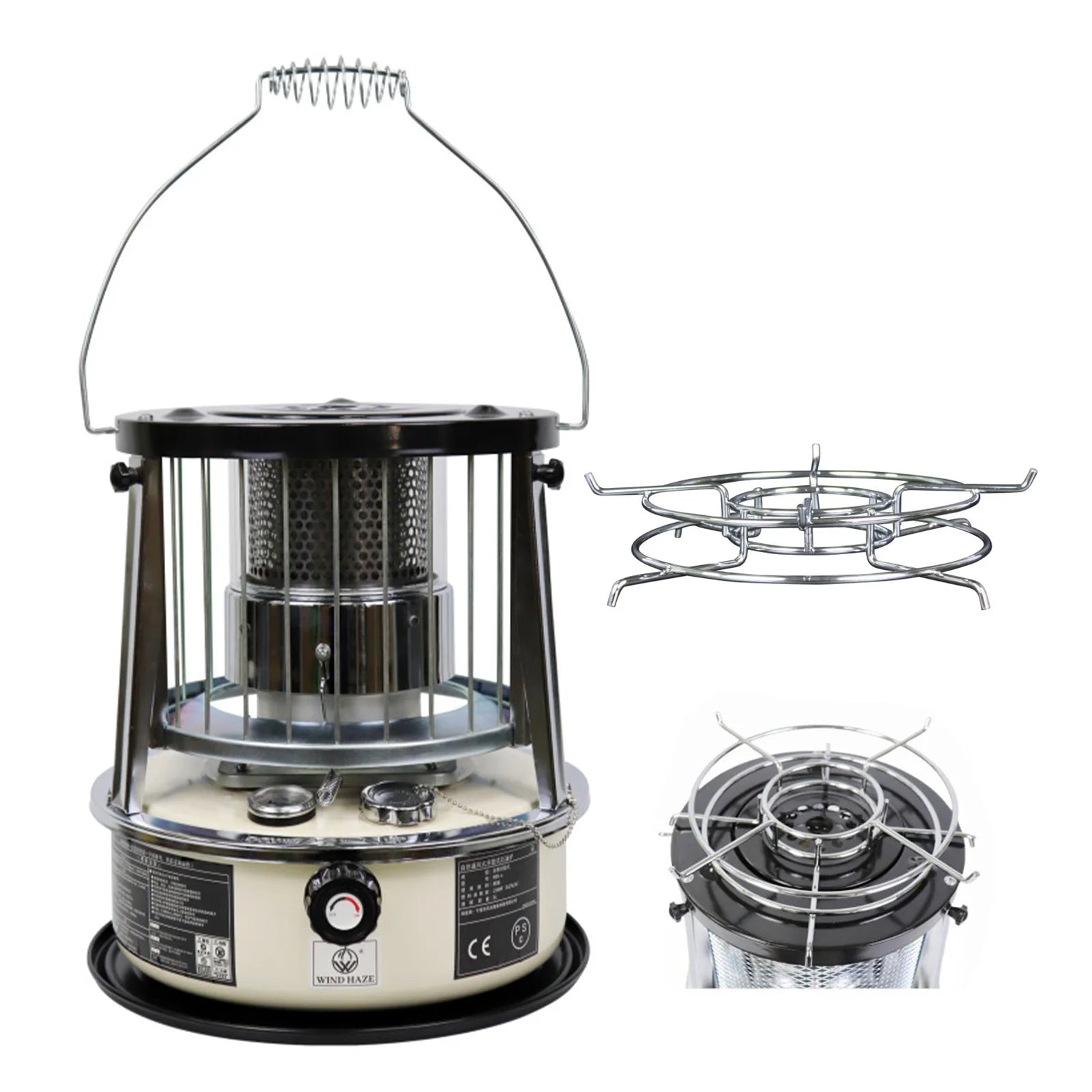
Stainless steel kerosene stove for heating and cooking — See it in action
Before You Start: Kerosene Stove Safety Checklist
Learning how to use a kerosene stove begins with a careful inspection before every use. Spending a few minutes checking your stove reduces the risk of smoke, fuel leaks, carbon monoxide buildup, and accidental fires.
Choose the right location
- Place the stove on a flat, stable, non-combustible surface.
- Keep at least 3 feet (1 meter) of clearance from curtains, furniture, bedding, and other flammable materials.
- Avoid using the stove where children or pets can easily knock it over.
Use the correct kerosene fuel
Always use clean, high-quality 1-K kerosene recommended by the manufacturer. Never substitute gasoline, diesel, alcohol, paint thinner, or other fuels. Using the wrong fuel can create dangerous flare-ups, heavy smoke, or toxic fumes when using kerosene for cooking.
Check the wick and fuel tank
- Inspect the wick for excessive carbon buildup or uneven wear.
- Look for cracks, leaks, or damaged seals around the fuel tank.
- Clean spilled fuel immediately before lighting the stove.
Ensure proper ventilation
Even clean-burning kerosene consumes oxygen and produces combustion gases. Open a window slightly or provide another source of fresh air whenever operating the stove indoors. A working carbon monoxide detector is strongly recommended.
How Does a Kerosene Stove Work?
Understanding how does a kerosene heater work makes safe operation much easier. Most portable models use a cotton or fiberglass wick that absorbs fuel from the tank. As the wick is raised, kerosene vaporizes near the flame and burns steadily, producing both radiant and convective heat.
How the wick produces heat
The wick continuously draws kerosene upward through capillary action. Only vaporized fuel burns, while fresh kerosene replaces what is consumed. Proper wick height creates a clean blue-orange flame with minimal smoke.
Heating vs. cooking models
Although the basic combustion process is similar, cooking models usually feature a wider, flatter top that supports cookware, while heating models are optimized for directing radiant heat into living spaces. Combination stoves can safely perform both functions when operated according to the manufacturer's instructions.
How hot does kerosene burn?
Kerosene flames can reach approximately 2,500°F (1,370°C) under ideal combustion conditions. While cookware never reaches this temperature, the flame is more than capable of boiling water, frying food, and heating small indoor spaces, making careful handling essential.
Master safe use before your next cold night.
Step-by-Step Kerosene Stove Setup
Fill the fuel tank
- Move the stove outdoors or to a well-ventilated area before refueling.
- Fill only to the recommended fuel level.
- Never overfill the tank.
- Wipe away any spilled kerosene before lighting.
Install and adjust the wick
If installing a new wick, ensure it sits evenly around the burner. Raise and lower it several times to confirm smooth movement. An uneven wick often causes smoke or irregular flames.
Prime the stove if required
Some wick-based stoves require the wick to soak in kerosene for 20 to 60 minutes before first use. This allows fuel to fully saturate the wick for reliable ignition.
Final safety checks
- Confirm all controls move freely.
- Check for fuel odors or leaks.
- Verify adequate ventilation.
- Keep a fire extinguisher nearby.
How to Light and Operate a Kerosene Stove
How to light the stove manually
To light a kerosene heater manually , raise the wick to the recommended height and ignite it using the built-in igniter or a long match. Keep your hands and face away from the burner during ignition.
Adjust the flame correctly
After lighting, allow the flame to stabilize for several minutes. Adjust the wick until the flame burns evenly without excessive smoke or flickering. A properly adjusted flame improves fuel efficiency and reduces soot.
Maintain a steady burn
- Avoid frequent flame adjustments.
- Do not move the stove while it is burning.
- Keep ventilation consistent throughout operation.
- Monitor the flame occasionally during extended use.
How to extinguish the stove safely
Turn the wick adjustment knob fully down or activate the manufacturer's shutoff mechanism. Allow the stove to cool completely before moving, refueling, or storing it.
Cooking on a Kerosene Stove
Kerosene stove cooking works well for emergency meal preparation, camping, cabins, and power outages when electricity is unavailable.
Best cookware
- Heavy-bottom stainless steel or cast iron cookware distributes heat evenly.
- Use flat-bottom pots that sit securely on the stove.
- Avoid oversized cookware that blocks ventilation around the burner.
Controlling cooking temperature
Adjust the wick gradually rather than making large changes. Medium flame settings usually provide the most consistent cooking performance while minimizing soot formation.
Boiling, frying, and simmering
- Boiling water for drinks or sanitation.
- Frying eggs, vegetables, and meats.
- Simmering soups, rice, and stews.
- Reheating prepared meals during emergencies.
Indoor vs. outdoor cooking
Outdoor cooking offers maximum ventilation and is generally preferred whenever weather permits. If cooking indoors, always maintain fresh airflow and never leave the stove unattended.
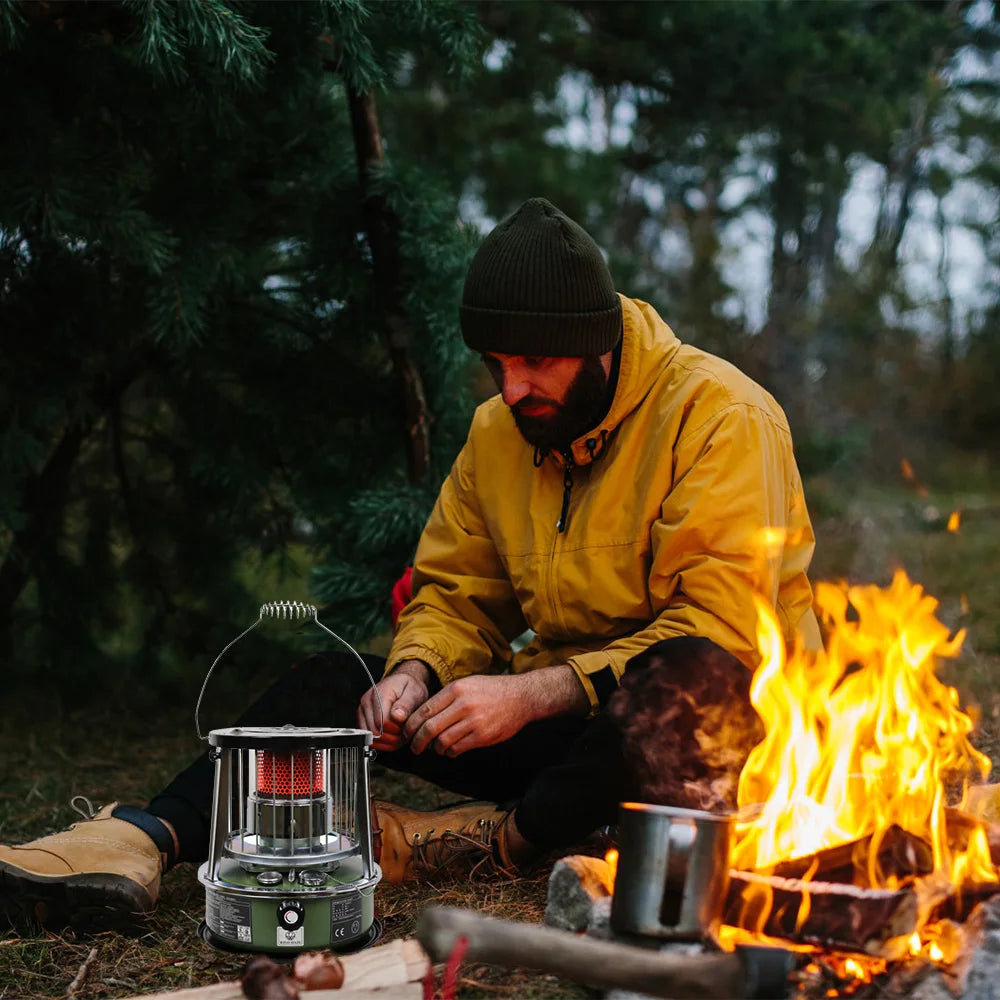
Kerosene stove heater for off-grid warmth — See it in action
Get yours now — limited stock!
Cleaning and Maintenance of a Kerosene Stove
After each use
- Allow the stove to cool completely.
- Wipe away soot and cooking residue.
- Inspect for fuel leaks or loose components.
Weekly maintenance
- Clean burner openings if recommended by the manufacturer.
- Inspect the wick for carbon buildup.
- Check fuel quality and remove contaminated kerosene.
Replacing the wick
Replace the wick whenever it becomes excessively charred, difficult to adjust, or produces uneven flames despite cleaning. A fresh wick restores cleaner combustion and easier ignition.
Long-term storage
- Empty the fuel tank if storing for extended periods.
- Store kerosene only in approved containers.
- Keep the stove in a cool, dry location away from direct sunlight.
- Test the stove before the next heating season.
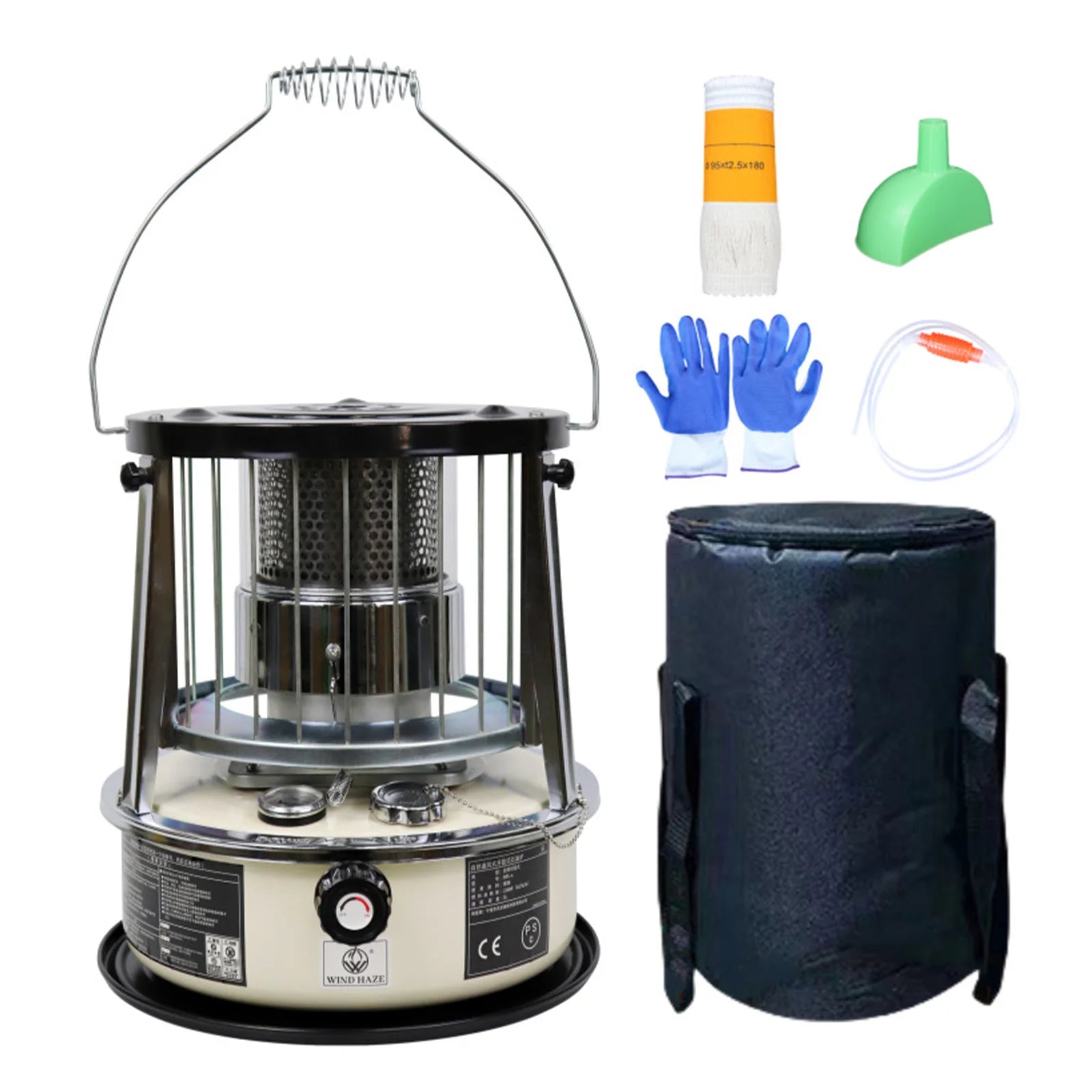
Portable kerosene cook stove for emergencies — See it in action
Common Problems and Troubleshooting
Smoke or soot
This usually indicates contaminated fuel, an improperly adjusted wick, or insufficient airflow. Lower the wick slightly, clean carbon deposits, and improve ventilation.
Strong kerosene odor
A persistent smell may result from spilled fuel, poor-quality kerosene, or inadequate ventilation. Clean spills thoroughly and ensure fresh air circulation.
Poor flame or difficult ignition
If the stove is difficult to light, verify that the wick is fully saturated, properly installed, and not excessively worn. Also check that the fuel is fresh.
Uneven heating
Uneven heat output often indicates an uneven wick or dirty burner components. Cleaning and routine maintenance usually restore normal operation.
Common Mistakes to Avoid
- Using the wrong fuel: Never substitute gasoline, diesel, or other flammable liquids.
- Overfilling the tank: Leave expansion space to prevent spills.
- Poor ventilation: Always provide fresh airflow and use a carbon monoxide detector indoors.
- Leaving the stove unattended: Never leave a burning stove without supervision, especially while cooking.
Frequently Asked Questions
What type of kerosene should I use in a kerosene stove?
Use clean 1-K kerosene recommended by your stove manufacturer for the cleanest burn and safest performance.
How do I light a kerosene stove manually?
Raise the wick to the recommended height, use the built-in igniter or a long match, then adjust the flame after it stabilizes.
Why is my kerosene stove producing smoke?
Smoke is usually caused by contaminated fuel, a dirty or uneven wick, poor ventilation, or excessive flame height.
How often should I replace the wick?
Replace the wick whenever it becomes difficult to adjust, burns unevenly, or continues producing smoke after cleaning.
Can I cook indoors on a kerosene stove?
Yes, but only with proper ventilation, careful supervision, and compliance with the manufacturer's safety instructions.
How do I safely turn off a kerosene stove?
Lower the wick completely or activate the built-in shutoff system, then allow the stove to cool before moving or refueling.
How much fuel does a kerosene stove use?
Fuel consumption depends on burner size and flame setting. Most portable models provide approximately 6 to 12 hours of operation on a full tank.
How should I store kerosene safely?
Store kerosene in approved containers away from living areas, heat sources, direct sunlight, and open flames. Clearly label containers to prevent accidental misuse.
Secure your stainless steel kerosene stove today.
Related Guide: Kerosene Heater Safety Guide for Confident Indoor Heating













